Ackley Bridge’s early seasons blend sharp social commentary with heartfelt character drama, anchored by one of British television’s most affecting teenage friendships. Across two seasons, the series explores identity, community tensions, and the fragile hope of young people trying to carve out a future in a fractured world.
Set in a fictional Yorkshire mill town, Ackley Bridge follows the upheaval that erupts when two previously segregated schools — one predominantly white, the other largely British‑Asian — merge into a single academy. The new institution becomes a pressure cooker of cultural tension, adolescent chaos, and unexpected connection. At the centre of the story is the friendship between Missy Booth, played with raw charisma by Poppy Lee Friar, and Nasreen “Nas” Paracha, portrayed with quiet emotional precision by Amy‑Leigh Hickman. Their bond becomes the emotional spine of the series, grounding the wider social commentary in something intimate and deeply human.
The first season introduces the newly merged Ackley Bridge College as a bold experiment in integration. Teachers and students alike are forced to confront long‑standing prejudices, generational divides, and the messy realities of multicultural Britain. Missy, brash and funny yet carrying the weight of a chaotic home life, contrasts beautifully with Nas, who is academically gifted and dutiful but torn between her conservative Muslim family’s expectations and her own emerging sense of identity — including her sexuality. The show balances gritty realism with humour, capturing the everyday absurdities of school life while tackling racism, class inequality, and the pressure placed on young people to define themselves before they’re ready.
With a longer run of episodes, the second season deepens the emotional stakes. Nas faces escalating pressure from her family to enter an arranged marriage even as she struggles privately with her attraction to women, a storyline Hickman plays with aching authenticity. Missy continues to shoulder the burdens of poverty and responsibility far beyond her years, masking pain with bravado in a performance that cements Friar as one of the standout talents of the series. Their friendship — messy, loyal, and transformative — becomes a lifeline for both girls, and a lens through which the show explores the possibility of solidarity across cultural divides.
Midway through the second season, the series takes a devastating turn. After a night out, Missy and Nas are involved in a car accident — a moment that symbolises the vulnerability of youth and the fragility of the world they’re trying to navigate. Missy’s death reshapes the tone of the series entirely. What began as a lively, often humorous school drama becomes a meditation on grief, resilience, and the legacy of friendship. The loss reverberates through the community and through Nas’s storyline in particular, grounding the show in emotional realism and refusing to shy away from the long shadow that trauma casts.
Across these seasons, Ackley Bridge becomes a portrait of multicultural Britain in miniature. The merged school reflects a country negotiating its own identity — hopeful, tense, and complicated. The series refuses easy answers, instead portraying integration as a process shaped by history, class, and personal relationships. It also offers one of the most nuanced portrayals of teenage female friendship on British television, reminding viewers that friendships can be as defining as family. Nas’s journey provides rare representation of a young British‑Asian Muslim woman navigating her sexuality, while Missy’s home life exposes the structural inequalities that shape many young people’s lives. The accident storyline underscores the precariousness of adolescence, becoming a catalyst for exploring grief and the ways communities respond to tragedy.
The performances across the ensemble cast enrich the world further. Sunetra Sarker brings warmth and sharp humour to the role of Kaneez Paracha, while Adil Ray and Liz White add depth as Sadiq Nawaz and Emma Keane. But it is Friar and Hickman who give the show its heart, their chemistry and emotional honesty elevating Ackley Bridge beyond the conventions of school drama.
Reviewed by Christopher Storton
Available on: • Netflix UK – Seasons 1 & 2 • Channel 4 / All 4 – Full series for UK viewers Prime Video (purchase)
Sauna Boy at the Edinburgh Fringe 2025: 391 words, 2 minutes read time.
Dan Ireland-Reeves’s Sauna Boy plunges us into a world most audiences will never see – the UK’s most successful (and infamous) gay sauna – and does so with a blend of humour, tenderness, and hard truths. The setting isn’t just a backdrop for risqué laughs; it’s a place of work, a community hub, and a stage for both human warmth and ruthless exploitation. Ireland-Reeves, a multi-award-winning writer and performer, draws on his own experience to guide us through this hidden world. The result is a semi-autobiographical 70-minute show that pulses with the same frenetic energy as its soundtrack, while never losing sight of the characters’ humanity.
As “Danny Boy,” he begins in the lowest-paid roles – cleaner, receptionist – before rising to manager. Along the way, we meet the staff and regulars, each rendered with quick, knowing sketches and pitch-perfect impressions. There’s “Mother,” the manipulative and somewhat callous sauna owner, ruling with a mix of faux-care and quiet menace. There’s Chase, a colleague and friend, whose fate provides one of the show’s most painful moments when Danny is told to fire him. And there’s a cast of clients, from the likeable and desireable to the obnoxious, each forming part of the sauna’s shared history and strange camaraderie. Ireland-Reeves’s knack for switching between voices and physicalities is so deft that you feel you’ve met these people yourself.
For all the comedy – and there’s plenty, from awkward encounters to laugh-out-loud “behind-the-scenes” stories – Sauna Boy has a political undercurrent. Low pay, long hours, and emotional manipulation are never far from the surface. The sauna is a place of desire and escape, but also a workplace where staff are under pressure, often exploited, and where intimacy coexists with power imbalances. The eight-question FAQ section, rattled off at speed, is a highlight, packing in wry humour with unexpected education. If anything, the piece could benefit from sharper editing – trimming ten minutes would keep the energy at full steam – but as it stands, this is an engaging and sometimes sobering hour. Sponsored by Steamworks, Edinburgh’s own gay sauna, it played to an audience that seemed to be largely gay couples, who responded warmly. Sauna Boy is more than titillation – it’s an affectionate but unflinching portrait of a scene rarely shown so honestly on stage.
Prudence Play (or Sister Prudence is NOT Gay) 481 words, 3 minutes read time.
In her dreams, Sister Prudence is wearing a sparkly little black dress and tap-dancing to Britney Spears. It’s a contrast from her boring, regimented life as a Catholic nun. Now and again, however, the nuns go on vocational visits to St Augustine’s school in a bus. There she sits next to her friend, another sister, who tells her about a ‘hot priest’ she’d seen in Fleabag on a sabbatical visit to her family. In this one-woman show, the author and performer, Caroline Dunn, uses a handheld mask when she plays the other sister.
Prudence has grown up with a fear of eternal punishment. She learned from a very young age that you go to hell if you don’t watch your step. She tries to be like her name, prudent, careful with decision making, careful with sin. Becoming a nun was her ‘get outta hell backup plan.’
She lies to herself and the school kids, ‘I’m so at peace. Jesus called me since I was a little girl,’ but in the confession, she admits this lie, but still tries to convince herself that she only admires the other sister as ‘a friend, a friend. She’s got nice hair. A nice face. God blessed her with this. Sure, ‘there’s nothing wrong with admiring a friend, right?’
The action switches between Sister Prudence thinking aloud, Prudence in the confessional and in conversations with the attractive sister. She goes to the fish fry – she hates fish – ‘just to socialise.’ She tries to deny the blatantly obvious, that her friendly thoughts and admiration for the other sister are much more than that.
Just hanging out, having great craic with the the other sister, Prudence gathers her courage and recalls a summer when she was about 12-13 when she spent a whole summer with another girl of the same age. She blurts out, ‘you remind me of her. I love you.’ Suddenly a door slams in her face. ‘Shut up! Stop! You should not have told me. You need to talk to the priests, to the Superior and about your history’ and she gives out the old line about hating the sin and loving the sinner. The other sister grasses her up. How will she cope with the truth? How will she deal with the betrayal of her confidence? What would you do in her circumstances?
This insightful production brings to life the internal struggles of many gay people of faith as they try to reconcile what they’ve been taught with who they are. The probing, intrusive questions of the investigating priest, Father Moriarty, and the use of shame to bring her back in line all ring true. With good humour, Caroline Dunn’s powerful, haunting script throws a spotlight on the mental conflict conservative religious teachings impose on gay people.
Ahead of the Edinburgh Fringe, Pat Harrington interviewed Stuart Thomas about his show Bad Fatty.
1. What inspired you to create Bad Fatty? Lots of things! I’ve always wanted to do my own show at Edinburgh, and I’ve been slowly edging toward it ever since I started a Trello board of joke ideas during lockdown. During that same period, I took an online comedy course run by Sofie Hagen—an Edinburgh Comedy Award Best Newcomer winner. Sofie is a proud fat activist and a huge influence on my comedy. After lockdown, I was lucky enough to be invited to perform in a show with them called Sofie Hagen and Her Sexy Friends. That night, I tried out a fairly new joke about being a Bad Fatty, and it went down really well. It felt like the idea had legs—and more importantly, like it could be the kind of strong, catchy title I could build my first show around.
2. The title Bad Fatty is pretty provocative. What does being a “bad fatty” mean to you? I came across a piece that talked about how, within the fat acceptance community, there’s this unspoken divide between so-called “good fatties” and “bad fatties.” In simple terms, a good fatty is someone who’s actively trying to lose weight—apologising for their body, promising transformation, always striving to be smaller. A bad fatty, on the other hand, isn’t trying to shrink themselves. They’re just… existing. Eating in public without shame. Wearing what they want. Taking up space without permission. And I thought—yeah, that’s me. I’m the “bad” kind. So instead of hiding from that label, I decided to grab it with both hands and run with it.
3. Can you share a fatphobic absurdity you’ve spun into comedy? Of course! One of my favourite bits is about the people who genuinely believe that clothing brands shouldn’t make clothes for fat people—like that’s a valid stance. You’ll see them in comment sections or on daytime TV, ranting about how catering to larger bodies somehow “encourages obesity,” as if a pair of trousers has the power to ruin society. But here’s what they never seem to consider: if you don’t make clothes for fat people… what exactly is the alternative? Because the only logical outcome of their argument is more nude fat people in public. And if that’s what they want, they should just say it. Honestly, it’s giving “We fear you, but we also want to see your arse at Tesco.” I hope audiences realise that by laughing at these absurdities, maybe their assumptions about fat people aren’t all that true—and maybe they should at least question them.
4. How do you tackle diet culture in your act? Open mocking, to be honest. That’s the most straightforward way to describe how I deal with diet culture—I can’t take it seriously, and I absolutely refuse to pretend I do. To me, diet culture is one of the most absurd, joyless institutions we’ve built—worse than Good Morning Britain. It’s an entire industry designed to make you feel broken so it can sell you the illusion of being “fixed.” When you strip away the branding and the buzzwords, it’s just capitalism with a side of lettuce. And that’s just funny.
5. Have you always been this confident joking about your body? Not at all. For me, joking about being fat started as a defence mechanism. It was survival. You either make fun of yourself or get made fun of—and if I was the one telling the joke, at least I was holding the mic. That felt like power, even when everything else didn’t. I was the opposite of confident growing up. I got bullied quite a bit—which, to be fair, wasn’t exactly shocking. I was a fat, queer, nerdy kid with glasses from a sheep farm. That’s basically catnip for a school bully. But comedy changed a lot for me. It gave me a way to reshape the narrative—to say, “You don’t get to laugh at me unless I invite you in.” That, and a fair bit of therapy (though no prizes for guessing which is cheaper).
6. Sheep farm, working-class roots – how’d that shape Bad Fatty? Farming was all I knew for the first 18 years of my life. The farm wasn’t just a home—it was a full-on lifestyle, a business, and a chaotic family whirlwind of hard work and sheep poo. It shaped everything: my work ethic, my humour, my knowledge of obscure sheep breeds. Growing up working-class in that kind of environment meant you developed a thick skin early—especially when your mum’s version of body positivity was, “Eat up, that lamb is so fresh it was in that field this morning.” For years, I swore I’d never do a job that blurred the lines between life and work. And now I do stand-up comedy—a job that is a lifestyle, is chaotic, and definitely doesn’t stop when you clock out. So… great job, Stuart. Nailed it. But honestly? That upbringing taught me resilience, perspective, and how to find laughter even in the bleakest times. And all of that feeds directly into Bad Fatty.
7. How does bisexuality play into Bad Fatty? I think my confidence around being fat and being bisexual have taken turns holding each other up—like they’ve been tag-teaming my self-worth. I only came out as bi during lockdown—late bloomer energy—but I’ve been fat for much longer, so I had a head start on learning how to exist outside of what’s considered “acceptable.” There’s a real overlap in how both identities get treated. People erase you, question your legitimacy, or act like you owe them an explanation just for existing. So when I joke about being bi, it’s not just about sexuality—it’s about what it means to live in a body or identity that people constantly want to edit or shrink.
8. Fat, queer, Welsh, mentally ill—how does it all mesh on stage? It’s like a big cultural lasagna: every layer’s a struggle, but it’s flavourful. It might surprise people just how much crossover there is between these identities. Each one comes with its own stereotypes, social baggage, and survival strategies—and when you stack them, the overlap is wild. Fatphobia, queerphobia, classism, mental health stigma… they all come from the same joyless place that tells people they’re wrong for just existing as they are.
9. Mental health in comedy—how do you make depression funny? In a way, I don’t think you make depression itself funny—you make the world around it funny. You zoom in on the absurdity of everything that comes with it: therapy sessions, coping mechanisms, awkward silences when you’re honest about how you’re feeling. And most of all, the way people react to it.
10. Any topics off-limits? That’s not really for me to decide—that’s down to the audience. Society’s comfort levels shift over time, and it’s my job to spot that, work with it, and play around it. That said, I do self-censor to a degree—but it’s purely a gut reaction. And luckily, I’ve got a lot of gut to react with.
11. Most memorable audience reaction to Bad Fatty? The reactions that always hit hardest for me are from other fat people. I want the show to feel like a kind of fool’s guide to fat acceptance, so when someone leaves saying they feel better about themselves—even after all the daft jokes—that’s incredibly rewarding.
12. Have people reached out to say Bad Fatty helped them? One aspect that still surprises me is when non-fat people leave the show and say it gave them a new perspective—that they hadn’t realised what fat people go through. See? Educational and knob gags. What’s not to love? Haha.
13. Have you encountered tough crowds or backlash for the show’s themes? Honestly, I’ve been lucky. With a title like Bad Fatty, the audience tends to self-select. That said, I did have one moment—in Brighton, of all places—when a guy in the front row shouted, “Yeah mate, just go to the gym, innit.” Now, I’m not the kind of comic who immediately attacks hecklers. I try to keep it light until I’ve got a reason not to. So I looked at him and said, “Yes… or you could love your body.” Cue applause. I know that sounds a bit “Mr Big Head,” but that’s genuinely how it went. And moments like that remind me that the audience isn’t just laughing at the jokes—they’re backing the message behind them. And that’s just lovely.
14. Do you view your comedy as activism or storytelling? Why not both? I’m not here to lecture—it’s a comedy show, after all—but I am here to expose the absurdity of systems that treat fatness like a crime and queerness like a phase. If they leave googling “Is BMI nonsense?”—bonus.
15. Which performers inspire your approach to comedy? So many! As I mentioned earlier, Sofie Hagen has been a massive influence. Also: Hannah Gadsby, Richard Pryor, Jo Brand, Rhod Gilbert, Bill Hicks (we all deserve a Bill Hicks phase). And outside of comedy, gritty storytelling musicians like Johnny Cash, Bob Dylan, and The Dubliners. But honestly? It’s the everyday people—the friends, family, and strangers who get through life by laughing.
16. What’s your process for writing a show like Bad Fatty? It started out as a kind of “greatest hits” of my club material—bits that had worked well, loosely tied together. But once I started writing toward a clear theme—fatness, shame, survival—it actually got easier. When you’ve got the whole world to write about, it’s overwhelming. But having a subject gives you structure, focus, and something to push against. That’s where the good stuff lives.
17. How has the show evolved since the beginning? In early work-in-progress versions, I realised some sections leaned too heavily into self-deprecation. It was veering toward “I’m fat and here’s an hour of me being mean to myself.” Now, the tone is more “Fat person kicks ass and takes names.” There’s still self-awareness, but it comes from strength, not apology. And that shift has changed the whole feel of the show—for me and for the audience.
18. What does it mean to perform this show at Fringe? Fringe can be amazing, beautiful, thrilling, and wild—but it can also be terrible, expensive, and exhausting. I look forward to it every year, and in some ways, I dread it. It’s like riding a horse: go slow, be steady, and maybe practise a bit first. This year, I’m doing a 45-minute show instead of the usual hour, and just a one-week run instead of a full month. So really, I’m probably riding a Shetland pony. But I can’t wait—not just to perform Bad Fatty, or host my fat comedy showcase Chonk, but to see other shows, reconnect with friends, and hopefully come away from it all a better comedian.
19. For someone who’s never seen your comedy, how would you describe Bad Fatty? A fat, queer, Welsh tour-de-force of a show that smashes diet culture, sexuality, and shame—all with sharp jokes and pure daftness.
20. The Takeaway? To not only be a Bad Fatty—but to use being fat as an advantage. The world is awful sometimes. And if you can’t change it, you might as well laugh and make the most of it.
Ahead of the Edinburgh Fringe, Pat Harrington interviews Mia Pelosi about Supermarket 86.
About the Show and Its Inspiration
For those unfamiliar, what is Supermarket 86 about, and what can audiences expect from the show?
In short, Supermarket 86 is about a cashier and four girls who get stuck in a supermarket overnight due to a blizzard. Before the lights go out, the cashier’s ex-girlfriend walks in. Over the course of one evening, they all start to realize they know each other in both simple and unexpected ways.
Audiences can expect sarcasm, wit, and dark humor, as well as pure moments of vulnerability that sneak up on both the characters and the audience. They will watch five lonely, complicated women confront their own choices, whether they want to or not.
The premise is so unique — five women trapped overnight in a grocery store during a blizzard. What inspired you to write a story set in a supermarket lockdown? Was there a particular idea or experience that sparked this scenario?
I got the idea in the summer of 2022 when I was studying theater abroad in Amsterdam. One of our assignments was to tell the story of Little Red Riding Hood, but completely recontextualize it. My group chose to tell a story of girls at a sleepaway camp talking about the abuse from boys (The big bad wolf…). Although the assignment was only a 10 minute piece, I really loved the intimacy of girls talking about subjects that they have experienced, while also feeling so distant from it. I always knew I wanted to write a show that took place in one setting. I landed at a supermarket because no one ever plans to stay in a grocery store longer than they absolutely have to; you get in, you get out. So how funny would it be if what should have been a trip to buy a six pack of beer turned into a 12 hour stay on a cold grocery store floor?
Why did you choose to set the play in 2007, in upstate New York? Does that specific time period or location hold special significance for the story’s themes or mood?
Superficially, both my director and I didn’t want the girls to have iPhones. If we set it in the present, there’s a logical assumption that the girls would distance themselves through just using their phones. By playing it in 2007, it forces them to be with each other, strangers and all. More deeply, one of our show’s main themes is queerness. Five girls discussing the intricacies of their own queerness and how it affects their familial relationships is always a heavy subject. But we felt like placing it in a time like 2007 would cause the stigma to linger in the air a bit more.
Lastly, I chose upstate New York because it is notorious for their brutal snowstorms. I have visited Ithaca a few times, and that wind chill feels like a literal slap to the face.
The title Supermarket 86 is intriguing — does “86” carry a special meaning in the context of the play? Without giving too much away, is it related to the setting, a bit of foreshadowing, or perhaps a nod to the slang “to eighty-six” something?
In full transparency, when I first wrote it, “86” simply came to my mind. It rolled off the tongue for me. However, when I began carving out the relationships between these girls (or lack thereof), I quickly noticed the connection to the phrase “eighty-six” something. So while I can’t say it was rooted in that, it developed into a nod to that phrase. Rose, the cashier, wants to “eighty-six” her ex-girlfriend right out of the store, and throughout the show, as more is revealed, the other girls also want to nix some truths about themselves. A happy coincidence for a writer!
The plot kicks off when the cashier’s ex-girlfriend unexpectedly walks in, and eventually the characters realize they’re all connected.What do these twists — the ex’s surprise arrival and the hidden connections between the women — add to the story in terms of drama or humor? How do those relationships drive the overnight adventure?
In the eyes of these girls, “all hell breaks loose”. Of course, dramatic, but when you’re in your early twenties and a 5 minute grocery run turns into an overnight stay with angry exes, peers from high school, and an aggressively positive newbie, it can easily turn chaotic. It shapes the show’s humor, which is sort of the “it’s so unbelievable that it’s funny” mentality. The sheer absurdity of the situation creates drama and humor. There are no corners to cut around; these girls are stuck, face to face, for an unknown amount of hours. It’s going to be awkward regardless – may as well make the most of it. But through “making the most of it”, each relationship is tested. Rose and Summer confront their dishonesty, Rose and Peyton finally have it out, and Dove and June start to realize other connections through their own unhealthy behaviors. Not because they particularly want to, but because when you seek connection, consciously or not, you have to be willing to confront your own truth.
Characters and Themes
The show is described as a “character-driven dramedy” with five “complicated, lonely young women” at its core. What are some of the central themes you explore through these characters?The press release mentions “five different stories of queerness, conflict, and the never ending dread of the future.” Why were those themes important for you to address, and how do they unfold among the five women?
Queerness and the uncertainties of the future were my main priorities when sitting down to write. I began writing this show at the beginning of my journey with my sexuality; as writers, we are often told to “write what we know” … so I did just that. I placed my own anxieties and experiences of queerness into each girl, while vowing to also expand beyond what I experienced. I happen to have a loving family who accepts me for who I am; I am well aware not everyone gets to be that lucky. I wanted to show that queerness can be, and always is, a spectrum. Each character has a different relationship to their queerness, if at all. And without saying too much, it gets nasty between some of them when discussing it.
The never ending dread of the future is always a very common feeling among young people. When you first leave high school, college, or you’re simply navigating a loss of structure, it can feel like the ceiling is right above your head. It feels like there’s so much to figure out, and no time to do it. And for some of these girls, that sentiment leads to a sense of paralyzation; too scared to move for fear of the unknown. So when these girls are forced to admit that fear, it often feels like a personal attack, leading to more nasty arguments. As the show goes on, the girls realize how these arguments are just disguising the relatability they feel towards each other.
Can you introduce us to the five characters?Without spoiling too much, what is each of these women like, or what is each of them seeking when they end up in the supermarket that night? How do their personalities and backstories shape their interactions as the night goes on?
Rose is the cashier. She has worked at this store for about 5 years. After graduating high school, she attempted community college, but never found her groove (or motivation, to be frank). And now she feels stuck. Comfortable in her manager position, but paralyzed by her own complicity. She is blunt, often aggressive, and holds a lot of anger at the world, whether justified or not. And on this particular night, with a storm raging on, she wants nothing more than a silent store. But within five minutes, the store fills with four other women, concluding with a surprise appearance from the ex who broke her heart.
This heartbreaker is Peyton. Outwardly a preppy and uptight young woman, Peyton instinctually keeps her feelings and thoughts more guarded than the other girls in the store. In contrast to Rose, she was able to attend college even further upstate and follow her passions. This reality only adds to the immediate anger she receives from Rose upon entering the store. While Rose continues to throw both visual and verbal daggers at her, Peyton must choose whether to keep her armor up the entire night or eventually let it down and have a real conversation.
June is the humor heartbeat of the show. She just moved to Ithaca (transferring to Cornell, as she likes to remind the girls over and over again), superficially excited for something new. She simply could not have a more positive, bubbly attitude if she tried. What comes to be revealed is that she really struggles with friendships; she can’t get anything, or anyone, to stick. Therefore, when the lockdown happens, she’s secretly (or not so secretly) thrilled. She gets a chance to meet new girls.
Summer is the literal heartbeat of the show. Her ease in social settings allows the other girls to feel more comfortable. She leads the game, asking the girls personal questions about themselves; she loves to stir the pot. Like Rose, she feels stuck in Ithaca. She moved here almost a year ago with just her mom, whose presence in her life is almost none, so Summer has struck up a deep friendship with Rose. She frequents the store almost daily, finding her joy of the day with Rose. On this particular night, she is a bit high by her own admission, and comes in wanting some candy.
Dove sort of sneaks up on the audience. She is shy, reserved and quite calm. It takes the other girls to bring out her personality. She’s the first girl to walk into the store. At an immediate glance, she looks stressed out; yet she dismisses any assistance from Rose. As the night goes on, the audience starts to understand her a bit more – her extreme behaviors and constant emotional whiplash. I will keep her a bit more secret, as she has a secret of her own that is revealed later on in the show.
Even though the characters are dealing with serious personal conflicts, Supermarket 86 infuses a lot of humor into the situation.How do you balance the dark or vulnerable moments with comedy in the play? Did you consciously set out to make the audience both laugh and feel deeply, and can you share an example of how a scene walks that line between humorous and heartfelt?
Our goal was to create a show that balances humor and vulnerability because the two fundamentally exist together. Being vulnerable is incredibly scary, therefore we often compensate with humor to make ourselves feel less like our hearts are beating outside our bodies. The comedy flows in and out of conversation with ease because, whether the girls realize it or not, they have created a safe space for each other. When each girl feels comfortable revealing something, they do. It’s like a piece of ice slowly melting over time.
In one particular scene, Summer reveals a new development in her life. Rose, being her best friend, is surprised that Summer kept it from her. After a few comedic nudges from the other girls, Summer begins to explain this new development, and the sadness that comes with it. Because Summer leads with sarcasm she struggles to keep it too emotional because it becomes too uncomfortable. The humor lies in Dove and June, two girls who have never met Summer before. They make Summer (and the audience) laugh through their innocence and naivety towards Summer’s predicament. It’s a free flowing conversation between girls who have never met, and they find themselves laughing and then actively listening when someone decides to share something real.
“Fundamentally, the show is about the desire to connect and how, sometimes, you are forced to find connection in places that initially seem mundane and stagnant.”What message or insight about human connection did you want to convey by placing these characters in such an everyday setting? Did the mundane location help the themes stand out in contrast?
The main message about human connection we are trying to convey is that oftentimes, connection sneaks up on you. We wanted a mundane setting precisely because of the themes the girls discuss throughout the night. A cold and bland grocery store is the last place strangers would want to talk about their vulnerabilities. But when you are stuck there, unable to leave despite all efforts, you have two choices – you sit awkwardly in a separate aisle, or you allow the night, and these strangers, to take you away. And if even one person has the courage to open up, about college, queerness, or lost hope, a domino effect slowly begins.
I love the cheeky tagline in your press release that says audiences will leave “hoping you’ll run into your ex.”What is it about the journey these characters go through that might actually make people feel good about the idea of running into an ex? Without giving away the ending, how does the play challenge our perspective on those awkward run-ins with people from our past?
It plays with the concept of “closure” – What exactly is it? Is it necessary? What does it look like? Rose deeply struggles with these questions, as she believes the way her and Peyton’s relationship ended incredibly abruptly, with no proper conclusion. In the year and a half since they broke up, Rose has played through a million scenarios in her head of what she’d tell Peyton the next time she saw her. Yet those planned-out conversations never seem to go the way we hope, and in this case, they never take place in a supermarket, in the middle of a blizzard, with three other women. So both Rose and Peyton have to decide if they’ll let go of their obstinacy and their pride during the night, or if they’ll stay resolved to gripe at each other until the morning comes.
Creative Process and Development
You first staged Supermarket 86 as part of your senior thesis at NYU’s Tisch School, and then gave it a professional debut at the New York Theater Festival. How has the play evolved since that initial college version?Were there any significant changes or developments in the script or characters as it moved from an academic setting to a professional production and now to an international stage?
There have been so many changes to the show, that I often joke to my director about the first version being “total garbage”. Of course I say it in light humor, but it is rooted in being able to look back and see the growth of the show. The very first version could only be 35 minutes, so I had a lot to pack into such a short amount of time. Things moved far too quickly to feel any sort of rootedness. When we began revising it, I knew I needed to strengthen the personal relationships between these women, both in backstory and what is conveyed onstage.
What did you take away from the New York Theater Festival run of Supermarket 86? Did the audience reactions or feedback in New York surprise you in any way, or lead you to refine certain aspects of the show before bringing it to Edinburgh?
The New York Theatre Festival run was the catalyst for where we are now with the show. Not only did we see the edits we needed to make (which we also saw while rehearsing but couldn’t make such drastic changes right then), but we saw that the show had potential. We took note of the humor that worked, the relationships the audience rooted for, and how it made people feel. Ellie and I are strong collaborators because of our honesty and directness – it makes for more consistency and efficiency.
Our main edit was the relationship between Rose, the cashier, and Peyton, her ex-girlfriend. Their relationship, and the fallout, is the through line of the entire show. It has to be teased throughout the show, and then they have it out in a big, emotional fight. Allowing that to build in an engaging way, with the proper amount of reveal, was our key. We spent weeks outlining how they talk, when and why. We took what we know about navigating relationships in our early twenties and combined it with what we already know about these characters.
You wear many hats in this production — you’re the playwright, a co-producer, and you also perform in the show. How do you juggle those roles? Does acting in a play you wrote feel different from performing in someone else’s work? And do you find that being the writer gives you an extra sense of responsibility (or perhaps more freedom) on stage?
Wearing many hats forces you step up beyond being an actor in the show. Although it’s a lot of work, it’s the type of work I enjoy. I directed the very first version of this show and to be blunt – I hated it. Many because I was also wearing many hats then as well, but I just found it to be stressful. Since my brain had been so deep in the world of Supermarket, I struggled to see the bigger picture that a director needs to see. Therefore, when we did the version at the NY Theatre Festival, the stage manager of that show, Ellie Aslanian, a dear friend of mine, approached me after and said, “If you ever do it again, I’d love the chance to direct it.” I basically hired her on sight. She has such a brilliant and versatile mind, and I love the way she sees the world.
Once I relinquished the role of director, I felt like I could really begin to play. Ellie and the cast are very gracious and when we discuss notes after a run, they often consult me to see if I had any thoughts or objections to the directions they wanted to go in. I feel seen and heard without being demanding about the words I wrote. Truthfully, each version of this show has felt so different to me, so I actually look forward to watching these actors interpret my words differently. Of course we have a structure of the show and how it flows, but it’s been magical watching these girls that have lived in my head for so long come to life by these brilliant actors.
As a young playwright and actor, who are some of your creative influences or role models? Were there particular writers, plays, or even films that inspired the style or themes of Supermarket 86? And do you have artistic heroes whose career paths you admire as you launch your own company and projects?
The very first, and perhaps still the biggest, inspiration for this show is TheWolves by Sarah DeLappe. The Wolves is a one setting play about a girl’s soccer team. One of the driving forces of the play is the rhythm in which the girls speak; there’s almost a beat to it, much like there is when close friends find their groove and can’t stop talking. I wanted to capture that sense of rhythm throughout the play as a way to show how sometimes, you begin connecting with people without even realizing it.
A recent inspiration that has come into my life is Cole Escola, the creator, writer and star of the Broadway play Oh, Mary. Their play has taken New York by storm in the most original way. The show started in a theatre downtown, with no star names attached to it, and began selling out instantly. It moved to Broadway and has been extended 5 times and won 2 Tony Awards. I highlight the accolades not as a comparison tracker, but rather an acknowledgment of original work being celebrated. It took Cole almost a decade to write and produce their play, but by continuously working on it and meeting new people, they were able to share it with the larger audience. It’s the “slow and steady wins the race” mentality – and very often, it pays off.
Bringing Supermarket 86 to the Edinburgh Fringe
After its New York runs, why did you decide to bring Supermarket 86 to the Edinburgh Festival Fringe? You’ve mentioned that performing at the world’s largest arts festival is an incredible opportunity to share your story and open doors for your show. What do you hope to achieve with this Fringe run — for the show and for yourself as an artist?
One of the main reasons we wanted to bring our show to the Fringe is because we believe our show has really strong legs. We believe in its power to move people and for people to find themselves in these girls. In order for that message to be received, both positively and critically, we need more and more people to see it. Producing theatre is difficult – and in New York, we found that we had maybe hit a bit of a break. We kept working on the show weekly, and had urges to expand it farther than our corner of New York. As an artist, going to the Fringe and pulling it off is an achievement by itself. Having the stamina, courage and confidence to show up every day, not knowing how many, if any, tickets you have sold, but still being bold in your belief in your project is how you develop as an artist. Knowing your show won’t resonate with everyone, but still trying because you know it will connect with someone. As for the show, we want as many eyes on it as possible because we want as much feedback as possible. I want any and all criticisms of the show; doesn’t mean our team will take every single one, but we can grocery shop the feedback and see what aligns with our visions.
This isn’t your first time at the Fringe — last year you performed in Love’s Concordia Bar. How does it feel to return to Edinburgh, but now with a show that you’ve written and produced yourself? Did your experience last year influence how you’re preparing for this year’s Fringe as a creator and producer?
The reason I have made the crazy choice to return to Edinburgh for a consecutive second year is because it was simply the greatest experience of my life. The Fringe is a love letter to art. I was beyond impressed with the versatility of shows. Any type of art you wanted – stand up, cabarets, musicals, plays, movement, circus – you would find there. As I attended last year, I thought of Supermarket 86. I felt it could have a home there. Specifically, when I saw the show Girlhood at Greenside. It was about women through different time periods – early 20s, marriage and motherhood. I found many parallels between that show and mine, and that’s when I began to feel tinges of Supermarket fitting at the Fringe. It’s terrifying in all the right ways.
I attended last year as a performer for Company Della Luna’s production of Love’s Concordia Bar. While the cast flyered everyday and voluntarily attended Fringe events, I was there as a performer. Now, I wear the hats of writer and producer as well. Observing how last year’s company produced – how much prep, where they put their marketing focus, etc – heavily influenced me for this upcoming year. I have greatly leaned on my peers from that company for guidance and support. It is overwhelming to find ways to compete against almost 4,000 other shows. To have other producers with experience be able to tell me what worked for them, and what didn’t, is invaluable as a first time fringe producer.
The Fringe can be an intense month — performing daily, standing out among hundreds of shows, unpredictable audiences. What are you most excited about as you head into this month-long run? And what do you anticipate will be the biggest challenge in performing Supermarket 86 at the Fringe, whether logistical or personal?
My director and I joke that the biggest challenge that makes us grow grey hairs is finding a consistent way to get people in the seats. And I know that’s a very common thought as shows go up against thousands of others. So as crazy as it is to advertise your show all month, I’m most excited to find out the best strategies our company can use to find success in ticket sales.
Through that, you build connections, which is also what I’m most looking forward to. I met countless lifelong friends at last year’s Fringe. Around the world, I’ve created lasting connections with other artists. That is the beauty of the Fringe. It’s not the expectation that your show will be picked up instantly and all your dreams come true; rather, you meet the right people and create as much as you can.
Company Dream House and Looking Ahead
You and director Ellie Aslanian co-founded your theater company, Dream House, in 2024. The company’s mission is to support diverse, young artists telling stories of identity and purpose — much like what Supermarket 86 does. What inspired you to start Dream House, and how has launching a company influenced the way you produce and promote this show?
We discussed the idea of starting our own theatre company shortly after we concluded our run at the NY Theatre Festival. As an artist, it can be very challenging to “break in” to the industry. The more specific you can get in what you want to do, the easier it will be to find the right avenues. For me, when I shifted my educational studies to more experimental, original theatre, I felt like I had found my corner of theatre; I loved creating original work with my fellow artists. So when we did our run back in 2023, I felt motivated to create a hub where young artists can get the chance to create. Everything takes time to build, but now that we can have a company, we can begin collaborating with other young artists who have stories to share. Since creating this company, both Ellie and I have had to take on the role of producers, something we both had limited experience in. But everyone starts somewhere, and we are thrilled to be learning by doing – making mistakes, collaborating with others, and finding our groove as producers.
Do you have any plans for Supermarket 86 after the Fringe? For instance, could you see it returning to New York or touring elsewhere with the momentum from Edinburgh? And more broadly, are there other projects on the horizon for you or Dream House that we should watch out for?
We have always viewed our journey to Edinburgh as a stepping stone for Supermarket86. We have larger goals for this show, the main one being making it a 90 minute show. Since 90 minute shows are not very common at the Fringe, we are hoping to find where and how we can expand it. And to do that, we need eyes on the story. In our ideal world, we meet and converse with fellow artists and receive a wide array of feedback that we can take back to the drawing board. We will definitely be doing another version of the show back in New York, it’s just a matter of time and collaborations. As for any broader projects – we have our sights set on the success of Supermarket 86!
Finally, what do you hope audiences will take away from seeing Supermarket 86? Beyond a fun and heartfelt hour of theatre, are there particular feelings or thoughts you want people to leave the theatre with?
Much like these girls, I want the audience to leave feeling even just a tiny bit changed than when they first walked in. The girls of Supermarket 86 leave the store the next morning with a sense of hope; not even confirmation that anything will change, but the hope that it could. The belief in themselves to go chase the life they so desperately want to live. And it surprises them! A 5 minute grocery store run turned into an overnight stay where each girl confronted a harsh truth about themselves. Sometimes life forces you to stop and take a look around. But the reassuring part is: you don’t have to do it alone. We all have parts of our lives we wish were different, whether physically or emotionally. If we can inspire the audience in the slightest way to look at their life differently, or feel hope to start again, we will have done our job. It’s not perfect – the hope might leave the next day. But just knowing that it was there in the first place is enough to light the spark again.
You can find out more and purchase a ticket for Supermarket 86 here
A Counter Culture Preview | Words by Patrick Harrington
796 words, 4 minutes read time.
The 2025 Edinburgh Fringe programme reads like a chorus of unfiltered voices—frayed, fearless, and fighting to be heard. Whether exploring myth through futuristic gaze or revisiting icons with raw intimacy, these shows aren’t just entertainment—they’re interventions. Here are just a few we’re planning to see and review. And if you like what you read, click on the title to purchase tickets.
Berlin Open Theatre | 1–25 Aug | 17:30 (1h) Set in Berlin’s fading club scene, this piece feels eerily current—a quiet elegy to joy as resistance. As authorities tighten their grip and safe spaces flicker out, we follow queer organisers pushing back with light, sweat, and sound. Expect immersive storytelling that blurs the line between performance and rave, with a thumping political pulse beneath the hedonism.
Minotaur Theatre Company | 11–16 Aug | 12:05 (50m) Two clowns in pearls and power suits debate banning men—on live breakfast TV. What could go wrong? This whip-smart satire skewers performative politics, gendered violence, and the optics of progress. It’s messy, sharp, and beautifully furious. One to watch for fans of Newsnight crossed with Clown Funeral.
Dan Ireland-Reeves | 1–16 Aug | Venue & time TBC Told with sweat, sass, and sincerity, this solo show reclaims the stories of men working in gay saunas. Expect intimate detail, ghosted clients, and glimpses of real connection in the steam. Dan Ireland-Reeves mixes autobiography and theatrical flair in a world rarely shown on stage.
Night Owl Shows | 1–23 Aug | 13:10 (50m) Dylan’s protest ballads get a new coat in this soulful reimagining. The Night Owl Band’s arrangements stay true to spirit without being stuck in sepia. Thoughtful, stripped-back, and surprisingly moving—expect quieter revelations between the chords.
Night Owl Shows | 1–23 Aug | 18:50 (50m) This tribute is unapologetically loud—electrifying in voice and politics. Reine Beau commands the stage through the voices of Joplin, Benatar, and Stefani. Less nostalgia tour, more firestarter. An ode to feminine power on full volume.
Night Owl Shows | 1–23 Aug | 14:50 (50m) Part biography, part musical love letter. Angus Munro carries Elton’s vocal gymnastics and wit with uncanny ease, but it’s the honesty of the narration that elevates it—a portrait of resilience in sequins. Even the most casual fan will walk away moved.
Night Owl Shows | 1–23 Aug | 16:10 (50m) Beyond the harmonies and Hollywood veneer, this is a story of artists chasing transcendence and breaking apart under the weight. With pitch-perfect vocals and archival richness, it’s a thoughtful retelling for those who lived the music—and those just discovering its wings.
Night Owl Shows | 1–23 Aug | 19:50 (50m) More than a tribute—this is a communion. With Peter Marchant’s Mercury-esque magnetism and musical precision, it captures the operatic heart of Queen. High camp, yes, but laced with raw defiance. Don’t be surprised if the audience becomes the choir.
Hate N Live | 1–25 Aug | 21:00 (1h) Late-night comedy with teeth—and venom. Comedians roast your rage-fuelled suggestions in real time. Think Have I Got News For You meets a group therapy session led by stand-up sadists. Unfiltered, uneven, and frequently hysterical.
Rainee Blake | 1–25 Aug | 17:30 (1h) Rainee Blake doesn’t impersonate Joni—she honours her. With dulcimer and aching falsetto, she channels a voice that changed everything. This show is as much about memory and myth as melody. Come for the songs; stay for the feeling.
SUSU Theatre Group | 18–23 Aug | 10:35 (50m) A silent film reimagined through physical theatre, shadow play, and creeping dread. Visually striking and morally slippery, this version of Caligari feels like a warning from both the past and for the future.
Talking Shadows | 1–25 Aug | Times TBC It’s not just about the World Cup. This jukebox musical wraps itself around a pivotal year—when class, culture, and pop collided in glorious technicolour. Working-class dreams kick off, boots first.
Mayuri Bhandari | 1–25 Aug | Times TBC Part dance-theatre, part political awakening, this blistering piece dismantles colonial wellness trends and reclaims sacred space. It’s riotous, reverent, and deeply intelligent—featuring storytelling that demands yoga be seen as revolution, not retail.
Muddy Lolos | 1–23 Aug | 10:00 (50m) Three celestial beings debate whether to rebuild humanity in this post-anthropocene fable. Told through movement, mask, and multilingual poetry, Echoes of Nuwa is mythic, strange, and stirring. Equal parts cautionary tale and cosmic love letter.
In a year when laughter feels like both rebellion and relief, the Edinburgh Fringe’s debut comedians are redefining what comedy means. Their shows aren’t just entertainment — they’re essays on identity, absurdity, and survival. Counter Culture explores how this new wave of performers turns humour into resistance.
Every August, the Fringe becomes a mirror — not just for the arts, but for the anxieties and contradictions of the age. The debut comedians stepping onto its stages this year (2–26 August 2025) are not simply chasing laughs; they are testing the boundaries of what comedy can say about who we are.
Comedy, at its best, has always been a form of resistance. From the cabarets of Weimar Berlin to the satire clubs of 1980s Soho, humour has thrived in times of uncertainty. It is the art of turning discomfort into connection — of finding solidarity in absurdity. The new generation of performers emerging at the Fringe seem acutely aware of that lineage. Their work is not escapist in the shallow sense, but rather a way of reframing the chaos of modern life into something bearable, even beautiful.
Caroline McEvoy – Train Man
📍 Assembly Roxy (RoxyBoxy) at 1:20pm, 2–26 August A captivating, hilarious and heartfelt tale of sibling rivalry in post‑Troubles Northern Ireland, Train Man sees McEvoy — host of the Chortle Award‑winning Comedy Bandits and three‑time Funny Women Stage Awards nominee — reckon with her lifelong battle with her autistic younger brother, who loves trains and getting his own way.
McEvoy’s stand‑up blends sharp Northern wit with emotional storytelling, making her one of the most compelling new voices in Irish comedy.
Su Mi – ThisMotherPhucker
📍 Underbelly Cowgate (Iron Belly) at 6:40pm, 2–26 August Award‑winning stand‑up and drag performance artist Su Mi presents an immersive, surreal comedy extravaganza that resurrects forgotten nostalgia and heals the inner child through play. Their show dismantles stereotypes of Asian women and challenges comedy’s narrative through intersectional, queer, and punk‑infused chaos.
Su Mi’s work fuses drag, theatre, and social commentary, creating a genre‑defying experience that’s as cathartic as it is anarchic.
Becky Umbers – Put That Cat Back in the Bag
📍 Assembly Roxy (Snug Bar) at 8:40pm, 2–26 August New Zealand’s award‑winning comedian Becky Umbers dives into the delicate art of keeping your metaphorical cat — your inner weirdo — hidden. Her joyous debut hour mixes cartoonish voice work with cheeky adult wit, exploring why we hide our quirks to fit in.
Umbers’ blend of absurdism and warmth has made her one of the most exciting rising stars from the Antipodes.
Cabbage the Clown – Cinemadrome
📍 Underbelly Buttercup at 9:45pm, 2–26 August A minimum‑wage cinema employee turned viral tragic fool, Cabbage the Clown brings a multimedia drag‑clowning spectacle about queer heartbreak, consumerism, and popcorn‑covered despair. Cinemadrome is part parody, part social critique, and wholly chaotic.
With over eight million views online, Cabbage’s mix of clowning and drag transforms everyday drudgery into surreal, glitter‑stained rebellion.
Ada & Bron – The Origin of Love
📍 Pleasance Courtyard (Attic) at 11pm, 2–26 August BAFTA‑nominated newcomers Ada & Bron invite audiences to third‑wheel their absurd, kaleidoscopic exploration of cursed couples, doomed romances, and the beautiful chaos of human connection. The Origin of Love unfolds as a patchwork of vignettes, confessional letters, and romantic misfires, each one stitched together with the duo’s signature blend of surrealism and emotional candour. It’s a show that treats love not as a tidy narrative arc but as a mythology — messy, contradictory, and often very funny — built from longing, miscommunication, and the strange rituals we invent to feel less alone.
Ada & Bron’s partnership blends theatrical invention with a startling emotional honesty, creating character comedy that’s both strange and soulful. They move with the ease of performers who trust each other completely, slipping between personas and emotional registers with a kind of mischievous grace. What makes their debut so compelling is the way it balances the grotesque with the tender, the ridiculous with the sincere. Beneath the heightened characters and absurd scenarios lies a quiet truth: that connection, in all its flawed and feral forms, is still the thing we’re all reaching for.
Ted Milligan – United
📍 Pleasance Courtyard (Bunker Three) at 9:45pm, 2–26 August Sketch Off Winner 2024 Ted Milligan’s United is a live mockumentary following a fictional football club’s desperate bid for redemption. Inspired by Sunderland ’Til I Die, it’s a whip‑smart, character‑driven comedy about loyalty, hope, and the absurdity of fandom.
Milligan’s background in sketch and character work gives his debut a cinematic rhythm and a distinctly British heart.
The Mayor and His Daughter – A Genuine Appreciation of Comedy
📍 Assembly Roxy (Snug Bar) at 4:10pm, 2–26 August Leicester Square Sketch Off finalists Ciaran Chillingworth and Kit Finnie bring a folk‑horror sketch show about Englishness, identity, and the demonic forces of modern Britain. When their village discovers a sacred tome — a box set of Russell Howard’s Good News — chaos and catharsis ensue.
The duo’s surreal, literary approach to sketch comedy makes them one of the most original partnerships at this year’s Fringe.
Douglas Widick – Paperclip
📍 Gilded Balloon Patter Hoose (The Penny) at 10:20pm, 2–26 August Microsoft Word’s Clippy returns in Widick’s high‑energy musical comedy adventure through the internet’s retro past, and it’s every bit as unhinged and nostalgic as that premise suggests. Paperclip is a full‑throttle, interactive romp that treats the early web like a mythic landscape — dial‑up tones as battle cries, pop‑ups as omens, and forgotten mascots as fallen gods. Packed with rock tributes, improvised detours, and a kind of joyous digital archaeology, the show revels in the absurdity of a time when the internet still felt like a frontier rather than a marketplace.
A celebrated New York performer, Widick brings a musical improv background that gives the hour a frenetic, infectious pulse. He moves with the confidence of someone who understands that nostalgia isn’t just comfort — it’s a cultural archive, a way of remembering who we were before algorithms learned to anticipate our desires. Beneath the silliness lies a surprisingly sharp commentary on obsolescence, usefulness, and the fear of being left behind in a world that updates faster than we can. In Widick’s hands, Clippy becomes both a punchline and a prophet, guiding the audience through a past that feels increasingly like a warning about the future.
Jacob Nussey – Primed
📍 Pleasance Courtyard (Bunker Three) at 7:15pm, 2–26 August Award‑winning comedian Jacob Nussey unboxes the absurdities of warehouse life in his Amazon‑themed debut, peeling back the layers of a world built on scanners, quotas, and the quiet indignities of minimum‑wage survival. With his trademark deadpan precision, he explores working‑class aspiration and corporate absurdity, finding humour in the places where ambition meets algorithm. Primed becomes a kind of workplace archaeology — a look at the systems that shape us, the compromises we make to get by, and the strange camaraderie that forms in the fluorescent hum of a distribution centre.
Chortle’s “One to Watch” 2023, Nussey’s understated delivery hides razor‑sharp social insight. He has a gift for turning the mundane into the quietly revelatory, for exposing the surreal logic of modern labour without ever losing the human thread. What makes his debut stand out is the clarity of his perspective: dry, incisive, and unafraid to poke at the gap between how companies talk about work and how it actually feels to do it. In Nussey’s hands, the comedy of survival becomes something both bleakly funny and unexpectedly hopeful — a reminder that even in the most automated environments, the human element refuses to disappear.
Josh Elton – Away with the Fairies
📍 Hoots @ The Apex (Hoots 4) at 8pm, 2–26 August Elton’s debut blends rapid‑fire stand‑up with vivid, almost cinematic storytelling, moving between identity, humiliation, and the strange, fragile places where we try to locate meaning. His world is one where fairy curses sit comfortably alongside playground trauma, where the ridiculous and the painful coexist without ever cancelling each other out. The result is a show that is both riotous and unexpectedly tender — a reminder that the stories we tell about ourselves are often funnier, stranger, and more revealing than we intend.
A natural storyteller, Elton has a gift for turning personal embarrassment into communal recognition. His mix of absurdism and vulnerability gives the hour a restless emotional charge, the sense of someone excavating their own past not for catharsis but for connection. What makes him stand out among this year’s newcomers is the precision with which he balances silliness and sincerity: he can land a joke with the speed of a seasoned comic, then pivot into something quietly affecting without losing the room. It’s comedy that feels alive to the messiness of being human — and generous enough to let the audience see themselves in it.
Rohan Sharma – Mad Dog
📍 Pleasance Courtyard (Below) at 7:10pm, 2–26 August British‑Indian comedian and Leicester Square New Comedian champion Rohan Sharma delivers a surreal, multimedia odyssey through identity, race, and modern Britain. Mad Dog ricochets between sincerity and absurdity, weaving together confession, cultural critique, and outright chaos. What emerges is a densely layered exploration of truth and lies — the stories we inherit, the ones we invent, and the ones we cling to when the world refuses to make sense. Sharma treats identity not as a fixed category but as a shifting, glitching interface, corrupted and nourished in equal measure by the pressures of contemporary life.
Sharma’s sharp intellect and theatrical flair make his debut one of the most ambitious at the Fringe. He moves with the confidence of a performer who understands that comedy can be both a scalpel and a smoke bomb — cutting through the noise while simultaneously destabilising it. His humour is restless, probing, and deliberately disorienting, inviting the audience into a space where contradictions aren’t resolved but illuminated. Beneath the surrealism lies something unmistakably human: a search for belonging in a country that can’t decide what it is, or who gets to feel at home in it.
Steffan Alun – Stand Up
📍 Hoots @ The Apex (Hoots 4) at 9:30pm, 2–26 August Welsh optimist Steffan Alun finally presents his full debut hour — a rich, raucous blend of politics, sexuality, and unapologetic queerness. What begins as playful irreverence gradually reveals itself as something more deliberate: a quietly radical insistence on joy, on community, on the right to take up space without apology. His comedy moves with the rhythm of someone who has spent years thinking about identity not as a fixed point but as a landscape — shifting, contradictory, and often very funny.
Seen on BBC Wales and S4C, Alun brings a proudly Welsh perspective to the stage, one shaped by a neurodivergent lens that sharpens both his humour and his humanity. He has a knack for turning personal chaos into collective recognition, for finding the soft underbelly of a political moment and pressing just hard enough to make the room laugh before it winces. It’s not just the punchlines but the warmth: a sense that comedy, in Alun’s hands, becomes a small act of defiance — a reminder that joy is something we build together, especially when the world feels brittle.
These performers share a common thread: they treat comedy not as escape, but as confrontation. Their work reflects a generation living through economic precarity, political fatigue, and digital overload — yet still finding ways to laugh, connect, and resist. In their hands, comedy becomes a form of empathy, a way to reclaim joy from cynicism.
As the Fringe approaches, Counter Culture will be watching closely. The question is not simply who will make us laugh, but who will make us think — and, perhaps, who will remind us that laughter itself is an act of resistance.
By Pat Harrington
Picture Credits
Caroline McEvoy — photography by Rebecca Need‑Menear
Su Mi — photography by Michael Julings
Cabbage the Clown — photography by Lina Sakoviča
Ada & Bron — photography by Michael Julings
Ted Milligan — photography by Rebecca Need‑Menear
The Mayor and His Daughter — photography by Jamie Mckaela
Jacob Nussey — photography by Andy Hollingworth
Josh Elton — photography by Michelle Huggleston
Rohan Sharma — photography by Rebecca Need‑MenearandMichael Julings
Welcome to Culture Vulture. It is your ultimate alternative weekly entertainment guide. We bring you the best of film, music, and the arts. Our perspective is fresh. Mainstream media often overshadows unique voices and creative expressions. Culture Vulture aims to shine a light on hidden cultural gems that deserve your attention. Each week, we curate a selection of films, music, and events designed to inspire and engage. We celebrate the diverse tapestry of artistic endeavours that shape our world.
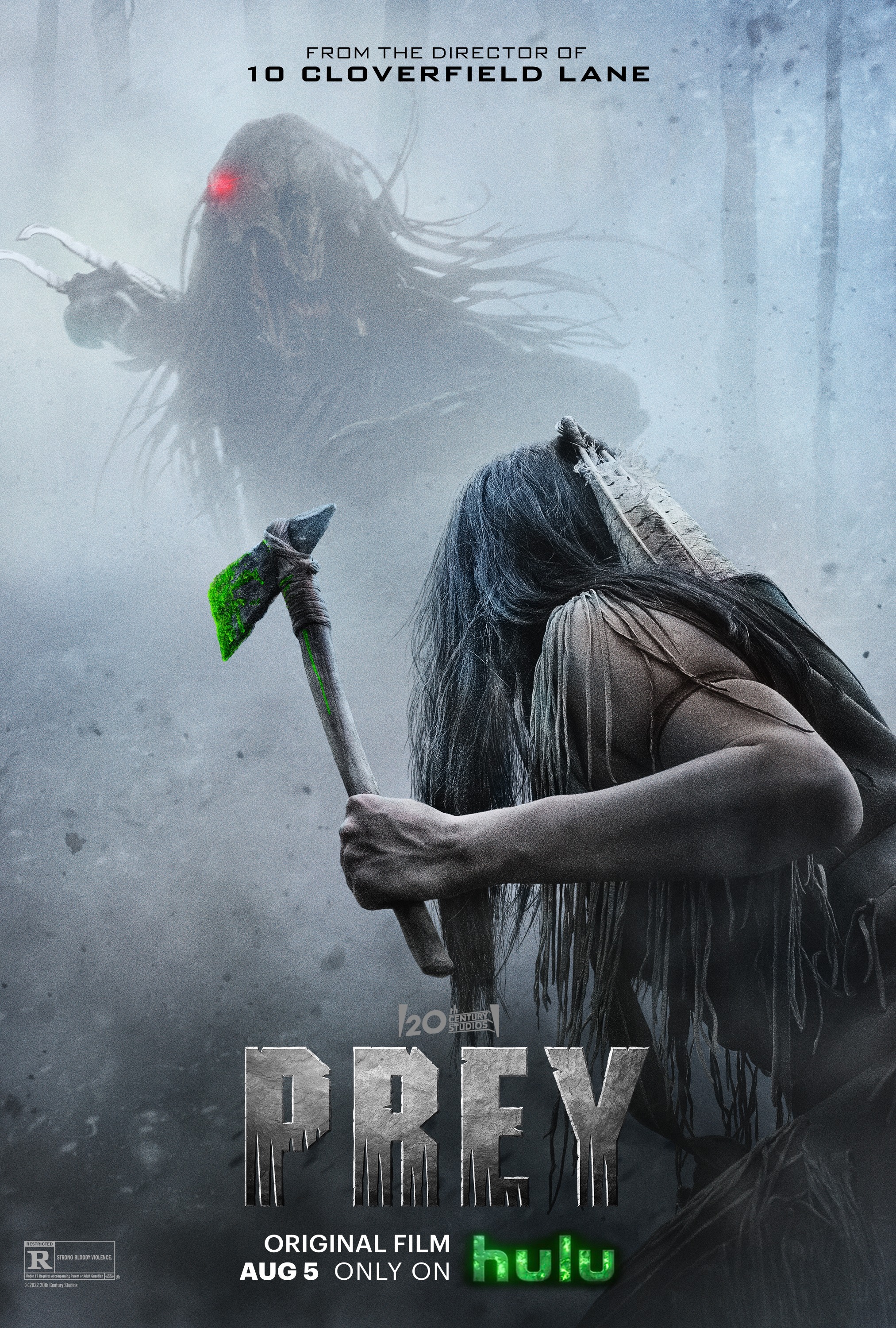
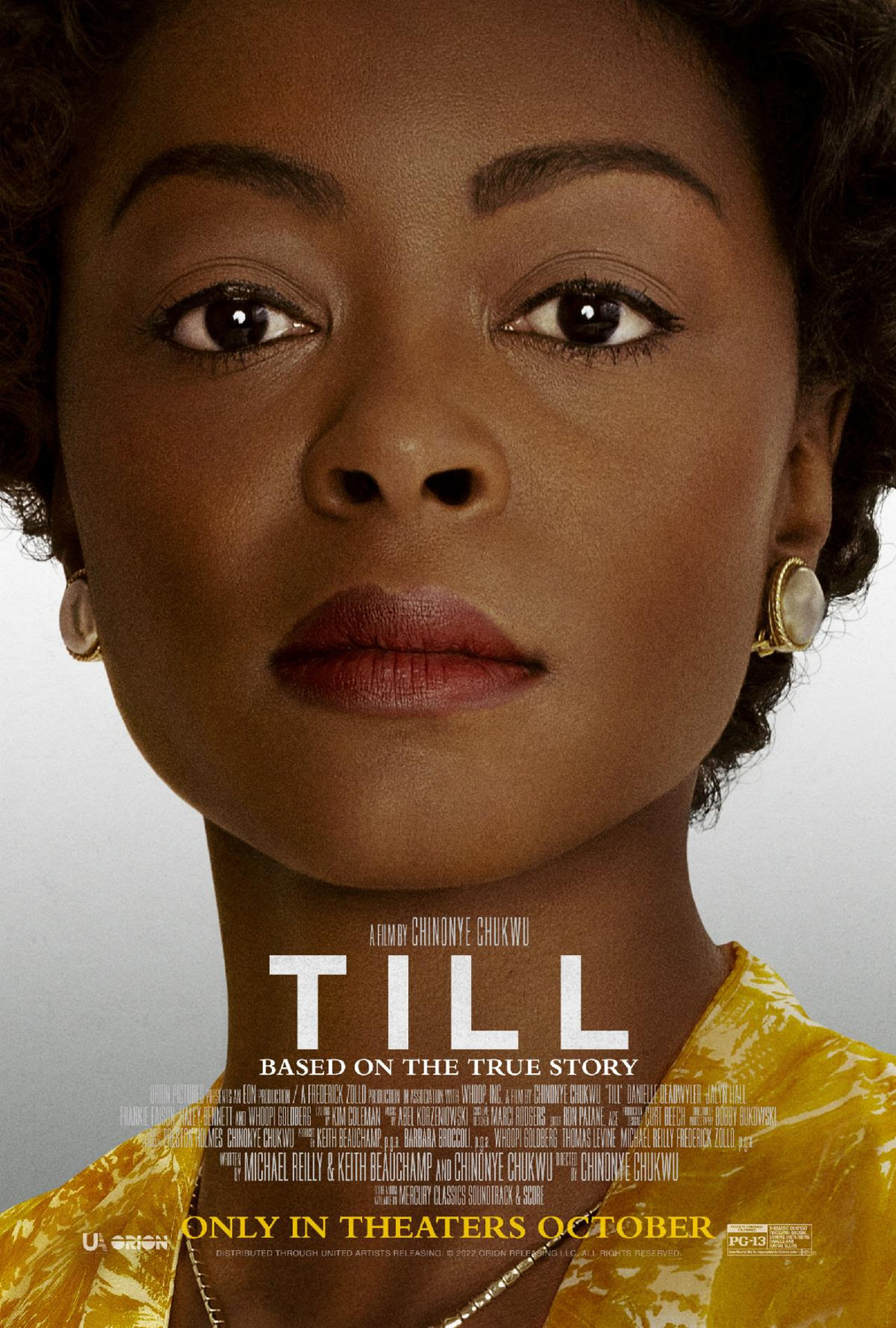
Highlights this week include three films that offer a blend of storytelling, emotion, and originality. Carmen Jones transports viewers to World War II. It intertwines love and ambition in a vibrant musical journey. This journey captivates the heart. Prey reimagines the iconic Predator franchise. It showcases a young Comanche woman’s battle for survival against an otherworldly foe. This story is set in a historical context that emphasizes strength and ingenuity. Lastly, Till poignantly recounts the true story of Mamie Till-Mobley. She becomes a powerful advocate for justice after the tragic murder of her son. Her story illuminates the fight against racial violence in America.
The writing and selection for Culture Vulture is by Pat Harrington ,the music is by Tim Bragg. Together, we invite you to dive into the vibrant world of culture from a different perspective and discover new favourites, and experience the magic that awaits beyond the mainstream.
Saturday 5th of October 2024
Carmen Jones (1954) BBC2, 10.15am This classic musical tells the story of a young woman caught between love and ambition. Set during World War II, the movie follows Carmen, who has big dreams but finds herself in complicated relationships. The film is full of energy, with bright performances and songs that stick with you. It also highlights the pressures and choices faced by those trying to escape tough environments.
Kirsty MacColl at the BBC BBC2, 8.40pm Kirsty MacColl was a singer who always told stories through her songs. Watching this BBC special, you get a sense of her talent and range. There’s something deeply personal in the way she performed, like she was sharing her world with you. Her life wasn’t easy, and you can feel the ups and downs in her music. This show gives a good look at her career. It also makes you wonder about the challenges she faced along the way.
Kirsty MacColl: The Boxed Set BBC2, 9.40pm This documentary digs deeper into Kirsty MacColl’s life and music, offering more insight into the stories behind her songs. It’s a chance to reflect on how her music evolved over time. Her work touched on many real-life struggles, and this program shows that. Fans will appreciate the depth, and newcomers will understand why she’s still so admired today.
Prey (2022) C4, 9pm Prey is an exciting and fresh entry in the Predator franchise. This installment is set long before the events of the original 1987 film. The story is set in the 1700s. It follows Naru, a young Comanche woman. She fights to defend her tribe from an advanced alien hunter. Naru’s courage and resourcefulness are put to the test as she learns how to outsmart the creature. The natural landscapes and the contrast between primitive weaponry and alien technology make this film a standout in the franchise.
Triumph: Jesse Owens and The Berlin Games Sky History, 9pm Jesse Owens is often seen as the man who defied the Nazis. His Olympic wins (four Gold medals) in 1936 solidified this perception. But when you look at his own words, his story is more complicated. In interviews and his autobiography, he explains that things weren’t as clear-cut as we might think. For example, Owens said that Hitler didn’t snub him as much as American racism did when he came back home. We hope this documentary gives a more honest look at the man behind the legend. It should show all sides of his experience. However, don’t be surprised if it doesn’t!
Showtrial BBC1, 9pm This gripping drama examines the influence of media and public opinion on the justice system. The series focuses on a high-profile murder case. The individuals involved seem like they’re on trial for who they are. It’s not just about what they did. You’re left wondering who’s telling the truth and how far the system will go to find it. Each episode peels back another layer of the courtroom drama.
Sunday 6th of October 2024
Till (2022) BBC2, 10pm Till tells the powerful and deeply moving true story of Mamie Till-Mobley. Her life is shattered when her 14-year-old son Emmett Till is brutally murdered in Mississippi in 1955. The film centres on Mamie’s unwavering determination. She seeks justice for her son despite facing overwhelming grief. She also confronts a society entrenched in racial hatred. Through Mamie’s eyes, we see the horror of Emmett’s death. We also see the courage she summons to confront a world that would rather forget the tragedy.
REAL (2019) Film4, 12.40am REAL dives into the life of a young couple in love. Things take a darker turn when their lives are complicated by secrets. The chemistry between them is undeniable, but not everything is as it seems. The film slowly uncovers what’s hidden beneath their smiles. It’s gripping and intense, revealing the lengths people go to hide their past.
Black and Blue (2019) C4, 1.05am A rookie cop finds herself in danger after witnessing a crime committed by corrupt officers. She must decide who to trust and how to survive while trying to expose the truth. The film is tense, with action-packed scenes and a lead character fighting against the odds. It also shows the tough choices faced when loyalty is questioned, and the importance of standing up for what’s right.
Monday 7th of October 2024
Panorama – October 7th – One Year On BBC1, 9pm One year after the horrors of October 7th, this documentary examines what’s changed. It also looks at what hasn’t. The survivors share their stories, and there’s a deeper focus on how the world has responded. It’s a tough watch but important, as it reminds us of the human cost of political violence. The program forces us to think about what’s been done and what’s still needed to bring justice and peace.
Hombre (1967) Talking Pictures, 12.40pm In Hombre, a man raised by Native Americans must navigate a hostile world that doesn’t understand or accept him. On a stagecoach journey, he’s forced to make life-saving decisions when a robbery goes wrong. The movie portrays conflicts between people with different backgrounds. It also highlights how one person’s courage can make a difference. It’s a western with heart, with tough choices at every turn.
Tuesday 8th of October 2024
Bombing Brighton: The Plot To Kill Thatcher BBC2, 9pm This documentary revisits a dramatic moment in British political history. The Brighton bombing in 1984 was a pivotal event. It is one of the most audacious attacks on a British government since the Gunpowder Plot. The bombing was carried out by the Provisional Irish Republican Army (IRA) with the intent to assassinate Prime Minister Margaret Thatcher and her cabinet, who were staying at the Grand Hotel in Brighton for the Conservative Party Conference.
The motives behind the bombing can be traced back to the complex and turbulent history of the Troubles in Northern Ireland. The IRA aimed to unite Ireland and end British rule in Northern Ireland. They considered the British government as a legitimate target to advance their cause. The immediate trigger for the attack was the 1981 Irish hunger strike, during which ten prisoners died. The IRA saw Thatcher’s refusal to grant the prisoners political status as an act of intransigence. This refusal further fueled their resolve to strike.
The planning for the Brighton bombing was meticulous, involving two years of preparation and reconnaissance. The bomb was planted in the hotel more than three weeks before the conference. It was set to detonate in the early hours of October 12, 1984. The explosion killed five people, including Conservative MP Sir Anthony Berry, and injured more than thirty others. By sheer chance, Thatcher escaped unharmed, and in a display of defiance, she insisted that the conference continue as planned.
The consequences of the bombing were far-reaching. It brought the issue of Northern Ireland to the forefront of British politics and public consciousness. Despite the violence, secret negotiations between the British and Irish governments continued. They proceeded at a slower pace to avoid the appearance of conceding to IRA demands. These talks led to the 1985 Anglo-Irish Agreement. This agreement gave the Irish government an advisory role in the governance of Northern Ireland.
The Brighton bombing is both a deeply personal and political story. It affects the lives of many people. It also shapes the course of British and Irish history. It serves as a stark reminder of the lengths some groups will go to for their political aims. Such actions can profoundly impact individuals, societies, and nations.
Jamali Maddix: Follow The Leader U&Dave, 10pm Jamali Maddix takes a sharp and funny look at the people who lead extreme groups around the world. He doesn’t just make fun of them—he digs into what drives their beliefs. Maddix’s style is laid back, but he’s not afraid to ask tough questions. This show is part comedy, part social experiment, and always eye-opening.
Land (2021) Film4, 11.20pm A woman chooses isolation in the mountains after a tragedy. In Land, she learns to survive on her own, slowly healing from her loss. The film is quiet but powerful. We watch her regain control over her life. She faces the wilderness and her own emotions. It’s about finding peace after pain, even when it feels impossible.
Little Richard: I Am Everything (2023) C4, 1.25am This documentary tells the story of Little Richard. He was one of rock and roll’s most influential and flamboyant pioneers. Little Richard: I Am Everything delves into his journey from the deep South to global stardom. It explores his electrifying stage presence. His bold personality changed the face of music forever. Richard’s high-energy performances, merged with his distinctive voice and infectious charisma, captivated audiences in ways few artists had before. His groundbreaking hits, like “Tutti Frutti” and “Long Tall Sally,” set the standard for rock and roll. They also broke through racial barriers. This was at a time when segregation was still in full force.
Beyond his musical genius, Little Richard’s bold and unapologetic presence was transformative. It helped pave the way for future generations of artists. These artists dared to challenge the status quo. He was one of the first Black performers to cross over into mainstream white audiences. His flamboyant style was something the world had never seen before. It included makeup, flashy outfits, and an androgynous look. This documentary shows how Little Richard refused to conform to societal expectations. He embraced his individuality, both musically and personally. He lived in a time when being different was often dangerous. His bravery and refusal to hide his true self left an indelible mark on the music industry and the world.
A significant part of Little Richard’s legacy is his impact on the LGBTQ+ community. The documentary delves into his complex relationship with his own sexuality and identity, a struggle he faced throughout his life. Richard was a queer Black man raised in the conservative South. He often wrestled with reconciling his religious upbringing with his desire to express his true self. His androgynous appearance and gender-bending style made him an icon for many in the LGBTQ+ community. However, he struggled with periods of deep conflict about his sexual orientation. I Am Everything captures this duality. It shows how Richard’s flamboyant public persona and private battles with his identity opened doors for future queer artists. He sometimes denied that part of himself.
Richard’s influence on queer culture cannot be overstated. By blurring the lines of gender and sexuality in his performances, he became a symbol of defiance against societal norms. His larger-than-life persona, both on and off stage, challenged the rigid expectations of masculinity and heterosexuality in popular culture. In doing so, he paved the way for future LGBT+ musicians and performers like David Bowie and Elton John. The documentary highlights how Little Richard’s embrace of his uniqueness shaped the music world. It also inspired countless LGBTQ+ individuals to be unapologetically themselves in a world that often sought to marginalize them.
Little Richard: I Am Everything is not just a celebration of a musical legend. It is also a powerful reminder of the intersection of race, sexuality, and music. It honours a man who lived on the edge of these overlapping worlds. He pushed boundaries and refused to be defined by them. Little Richard’s legacy as a trailblazer in rock and roll is profound. He broke down barriers for both Black and LGBTQ+ communities. The documentary is a fitting tribute to an artist who truly was “everything.” His influence continues to resonate across generations. It also resonates across cultures.
Wednesday 9th of October 2024
Mick Jackson Remembers… Threads BBC4, 10pm Mick Jackson, the director of Threads, recalls creating one of the most chilling films about nuclear war. He talks about how hard it was to bring such a grim vision to life. The film still feels relevant today. It’s a fascinating glimpse into the making of a film that has haunted viewers for decades.
Threads (1984) BBC4, 10.15pm Threads is a haunting film about what might happen if nuclear war ever came to Britain. It shows how ordinary people’s lives are torn apart, with no heroes, just survivors. The film is bleak but powerful, and it leaves you thinking about the fragile nature of our world. Watching it today, the fears it taps into feel just as real as they did when it was first made.
The Onion Field (1979) Talking Pictures, 1.25am The Onion Field tells the real-life story of two police officers, one of whom is kidnapped and killed. The film follows the surviving officer as he struggles with guilt and the legal battles that follow. It’s a hard-hitting drama that doesn’t shy away from difficult emotions, showing how one night can change lives forever.
Thursday 10th of October 2024
Joker (2019) iTV1, 10.45pm Joker is a dark, psychological exploration of Arthur Fleck, a man struggling with mental illness and societal rejection. Living in the decaying streets of Gotham, Fleck starts off as a clown-for-hire. He tries to fit into a world that constantly beats him down. This struggle leads him toward chaos and violence. As he descends into madness, the film raises unsettling questions. It examines how society treats the most vulnerable. It shows the devastating effects of neglect, cruelty, and isolation. It’s not a traditional comic book movie. There are no superheroes here. Just a deeply troubled man searching for meaning in a city that has forgotten him.
At the heart of Joker is Joaquin Phoenix’s unforgettable portrayal of Arthur Fleck. Phoenix’s performance is raw and vulnerable, transforming from a fragile, broken man into the infamous villain. His physical transformation, from his gaunt appearance to the eerie way he moves, mirrors Arthur’s mental unraveling. Phoenix draws us into Arthur’s inner world. We feel sympathy for him, even as his actions grow darker and more disturbing. This complexity in the character leaves the audience torn between empathy and horror. We witness Arthur’s full transformation into the Joker.
The film also delves deeply into themes of mental illness and how it’s often misunderstood or ignored. Arthur tries to seek help through public health services, but he is met with indifference. Budget cuts leave him without access to his medication or therapy. This lack of support becomes crucial in his transformation. He shifts from a struggling man to a dangerous, unhinged figure. Director Todd Phillips critiques societal failures using these elements. He ensures Joker serves as not only a character study. It also comments on how systems designed to help people can ultimately fail them.
Visually, Joker is a feast for the eyes, with its gritty depiction of Gotham City reflecting Arthur’s inner turmoil. The cinematography shows a bleak, oppressive environment in the city. It contrasts this with moments of twisted beauty. One example is Arthur’s unsettling yet almost graceful dancing as he embraces his new identity. The film’s soundtrack, particularly its haunting cello score, increases the tension. It makes the atmosphere feel even more suffocating and tragic.
With the release of the upcoming sequel, Joker: Folie à Deux, audiences are eager to see where this story will go next. The sequel is expected to explore Arthur’s continuing journey into madness, potentially alongside other infamous characters from the Batman universe. Joker ended with Arthur fully embracing his new identity. We are left wondering how much further he will descend. Will this next film dive even deeper into the psychological and social issues introduced in the original? Fans of Joker will no doubt be anticipating another intense, thought-provoking experience.
The Novice (2021) Film4, 11.45pm A college student pushes herself to the limit in The Novice. She joins the rowing team and becomes obsessed with being the best, even if it destroys her. The film portrays the extreme pressure we put on ourselves to succeed. It also shows how far people will go to achieve perfection. It’s intense and raw, leaving you wondering where the line is between
and finally, Friday 11th of October 2024
Zulu (1964) Film4 – 3.30pm Set during the Anglo-Zulu war, Zulu tells the story of a small British force. They are defending a mission station against a massive Zulu army. The film is an epic, filled with impressive battle scenes and tension as two cultures clash. While it shows bravery on both sides, it also raises questions about empire and the cost of war. It’s a classic, but one that also makes you think about the people behind the battles.
Kirsty MacColl By K8 fan at English Wikipedia – Own work (Original text: K8 fan (talk))Transferred from en.wikipedia to Commons by Shashenka using CommonsHelper., Public Domain, https://commons.wikimedia.org/w/index.php?curid=19068917
The Edinburgh Fringe Festival, a melting pot of creativity and performance, has once again brought to the forefront a show. This show captures the essence of a musical legend. “The Look Of Dusty” by Night Owl Shows pays tribute to the smoky-voiced singer Dusty Springfield. Her interpretations of pop, soul, and R’n’B have left an indelible mark on pop culture. This celebration of Dusty’s music and life features timeless hits like “Spooky” and “Son Of A Preacher Man.” It makes it an unforgettable experience.
Ella McCready takes centre stage. She embodies Dusty Springfield with a voice that resonates with the depth and emotion characteristic of the late singer. McCready sings with great passion and heartfelt emotion. She truly shines. I was particularly moved by her rendition of “Anyone Who Had a Heart.” She is backed by the Night Owl Band, whose finesse and professionalism elevate the performance to new heights. The show is more than just a musical showcase. It is a narrative journey through Dusty’s life. The show provides context and meaning to the songs that defined a generation.
The show’s concise 50-minute format makes it a perfect midday escape, packed with energy and emotion. McCready and the band deliver a performance that leaves the audience in awe. The audience is likely humming the classics for the rest of the day. I certainly was! Their talent is undeniable, and it’s clear that this is a team that has honed their craft to perfection.
“The Look Of Dusty” transcends the typical tribute show. It becomes a heartfelt homage that brings Dusty Springfield’s spirit back to life. It’s a nostalgic trip down memory lane for those who remember her. It is also a captivating introduction for newcomers to the timeless quality of her music. Her impact on the industry is profound.
Beyond the music, the show also sheds light on Dusty Springfield’s significance within the LGBTQ+ community. She wasn’t a public campaigner for gay rights. But, her openness about her sexuality and relationships paved the way for greater acceptance and visibility. One example was her partnership with singer Norma Tanega. Her glamorous persona and soulful music resonated deeply with the LGBTQ+ community, making her a beloved icon. Dusty’s life and career challenged societal norms. She contributed to the broader movement for gay rights. This cemented her legacy as a trailblazer in both music and LGBTQ+ history.
If you’re at the Edinburgh Fringe this year, “The Look Of Dusty” is a must-see. Whether you’re a die-hard fan or just discovering Dusty Springfield’s music, this show will leave a lasting impression. It’s a chance to step back in time and enjoy the music that continues to inspire and move people today.
Welcome to Culture Vulture, your guide to the week’s entertainment from an alternative standpoint. Selections and writing is by Pat Harrington and music is from Tim Bragg. June is designated Pride month – a month dedicated to celebrating LGBTQ+ communities all around the world. LGBT+ stands for lesbian, gay, bisexual and transgender. The + is an inclusive symbol to mean ‘and others’ to include people of all identities. So there are quite a few channels picking up on this by airing films of interest in respect of sexuality and identity. To mention just a few: Colette which doesn’t shy away from exploring sexuality and identity, The Blue Caftan which tells the story of a woman and her secretly gay husband and, Fire Island, an unapologetic modern-day gay romantic comedy.
The D-Day 80th anniversary is on 6th of June 2024. It’s an important part of history. It was a huge turning point in World War Two. Beforehand, the Allied troops had no access to Western Europe. But after this victory, they had a way to send troops to fight back against the Germans and start to free countries like France and Belgium, which had been occupied by the Nazis. Ultimately, it allowed the Allies to take the war to Germany and defeat them in Berlin. As you would expect there is a lot of programming to educate around and mark that. This includes: The Longest Day, a gripping war epic, D-Day: Hour By Hour and D-Day: The Unheard Tapes.
Saturday 1st of June 2024
Batman 9am Talking Pictures
Step into the vibrant world of Gotham City with Adam West as the suave Bruce Wayne and his trusty sidekick, Burt Ward, as the daring Dick Grayson, better known as Batman and Robin. Together, they form the dynamic crime-fighting duo defending Gotham City against the forces of evil.
As a kid, I was captivated by the campy style and intentionally humorous tone of the series, which was aimed at a preteen audience. From the exaggerated acting to the colourful costumes and over-the-top villains, every aspect of the show exuded innocent absurdity. But it was precisely this light-hearted approach that made it so endearing.
Accompanied by Neal Hefti’s upbeat theme music, the show burst onto the screen with infectious energy, setting the stage for the playful antics that ensued. As Batman and Robin faced improbable situations and wielded even more improbable gadgets, they delivered deadpan lines that never failed to elicit a smile.
One of the highlights for me as a young viewer were the cliff-hangers at the end of each episode, which left you eagerly awaiting the next instalment. The comic-style graphics of “Pow” and “Zap” that punctuated the fight scenes added to the excitement, making you feel like you were flipping through the pages of a classic comic book.
And who could forget the iconic Batmobile? I had my very own toy car replica, which I cherished and zoomed around your room, re-enacting epic chases through the streets of Gotham City.
Despite running for only three seasons, the series left an indelible mark on pop culture, spawning a Batman feature film in 1966 and earning a devoted fan following that endures to this day. The 1960s Batman series with Adam West is a delightful blend of camp, satire, and nostalgia that continues to entertain audiences of all ages. I might even re-watch it now!
Meet Me In St. Louis (1944) BBC2 1.40pm
“Meet Me in St. Louis” is a timeless classic that captures the warmth and charm of early 20th-century American life. Directed by Vincente Minnelli and starring Judy Garland, the film is a nostalgic musical set in St. Louis during the year leading up to the 1904 World’s Fair. The story revolves around the Smith family, highlighting their joys, challenges, and everyday adventures.
As 1944 marked significant historical events like the D-Day landings, Meet Me in St. Louis reminded audiences of the importance of family bonds.
Garland’s performance is enchanting, delivering memorable renditions of songs like “The Trolley Song” and “Have Yourself a Merry Little Christmas.” The film’s vibrant Technicolor cinematography beautifully enhances the period details, creating an immersive and heart-warming atmosphere.
The movie masterfully balances humour, romance, and drama, offering a glimpse into family life that resonates with audiences even today. With its engaging narrative, delightful musical numbers, and captivating performances, “Meet Me in St. Louis” remains a beloved classic that continues to charm viewers of all ages.
Doctor Who: Dot and Bubble 6.50pm BBC1
In this thrilling instalment, the Doctor and Ruby find themselves facing a monstrous unseen terror. The show’s creator, Russell T. Davies, has promised that this episode will be “most unlike any episode ever before” and “unlike any other piece of television.” Fans are eagerly anticipating what surprises and social themes await in this unique adventure!
D-Day: Hour By Hour 8pm Channel 4
This program reveals contrasting stories from the Allied Normandy beach landings that took place on June 6, 1944. Using extraordinary archive materials, the documentary provides a unique perspective on the events of that historic day. If you’re interested in learning more about this significant moment in history, be sure to tune in!
Sunday 2nd of June 2024
The Longest Day (1962) 12.15pm BBC2
“The Longest Day” is a gripping war epic that meticulously chronicles the events of D-Day, June 6, 1944. Directed by a team including Ken Annakin, Andrew Marton, and Bernhard Wicki, the film features an impressive ensemble cast with stars like John Wayne, Robert Mitchum, and Henry Fonda.
Shot in a documentary style, the film presents a detailed and panoramic view of the Normandy invasion from multiple perspectives, including American, British, French, and German forces. The black-and-white cinematography adds a stark realism to the intense and chaotic battle scenes, creating a sense of authenticity.
The movie excels in its scale and ambition, effectively capturing the complexity and enormity of the Allied invasion. The performances are strong, with standout roles that add depth and humanity to the portrayal of this pivotal historical event. “The Longest Day” is celebrated for its historical accuracy and epic scope, making it a must-watch for fans of war films and history buffs alike.
Notorious (1946) 6pm TalkingPictures
“Notorious,” directed by Alfred Hitchcock, is a masterful blend of espionage, romance, and suspense that stands as one of the director’s finest works. The film stars Ingrid Bergman and Cary Grant, whose chemistry electrifies the screen.
The plot revolves around Alicia Huberman (Bergman), the daughter of a convicted Nazi spy, who is recruited by American agent T.R. Devlin (Grant) to infiltrate a group of Nazis in post-World War II Brazil. As Alicia becomes romantically involved with one of the Nazis, Alexander Sebastian (Claude Rains), the stakes and tensions rise, testing her loyalty and resilience.
Hitchcock’s direction is impeccable, with his trademark suspenseful sequences and meticulous attention to detail. The use of innovative camera techniques, such as the famous wine cellar scene, heightens the tension and intrigue. The performances are stellar, with Bergman delivering a nuanced portrayal of a woman torn between duty and love, and Grant exuding his usual charm and intensity.
“Notorious” is a sophisticated and thrilling film that combines Hitchcock’s expert storytelling with top-notch performances, making it a timeless classic in the realm of cinema.
Mr Jones (2019) 12.05pm BBC2 Mr. Jones (2019) – Movie Review
“Mr. Jones,” directed by Agnieszka Holland, is a powerful historical drama that delves into the harrowing realities of political corruption, journalistic integrity, and the human cost of totalitarian regimes. The film is anchored by a riveting performance from James Norton, who portrays the Welsh journalist Gareth Jones.
Set in the early 1930s, the story follows Jones as he embarks on a perilous journey to the Soviet Union, determined to uncover the truth about the country’s economic policies under Stalin. What he finds is a stark contrast to the propaganda being spread by the Soviet regime and its Western sympathizers. Jones uncovers the devastating Holodomor, the man-made famine in Ukraine that led to the deaths of millions.
The film’s social and political themes are strikingly relevant today. It highlights the crucial role of the press in speaking truth to power and the often-dangerous consequences faced by those who challenge oppressive regimes. Jones’s relentless pursuit of the truth, despite immense personal risk, underscores the ethical responsibility of journalists to expose injustices.
“Mr. Jones” also critiques the complicity of Western intellectuals and journalists who, seduced by the Soviet narrative, chose to ignore or downplay the atrocities. This theme resonates with contemporary issues of media bias and the spread of misinformation.
Cinematically, Holland captures the bleakness of the Soviet landscape and the desperation of the Ukrainian people through stark, haunting visuals. The narrative is both a suspenseful thriller and a sobering historical account, compelling viewers to confront the brutal reality of the Holodomor.
Overall, “Mr. Jones” is a profound and poignant film that not only pays tribute to a courageous journalist but also serves as a potent reminder of the importance of journalistic integrity and the enduring fight against tyranny and falsehoods.
Monday 3rd of June 2024
Out Of Sight (1998) 9pm GREAT!movies
“Out of Sight,” directed by Steven Soderbergh and based on Elmore Leonard’s novel, is a stylish crime thriller that weaves together elements of romance, comedy, and drama. The film stars George Clooney as Jack Foley, a charming bank robber, and Jennifer Lopez as Karen Sisco, a determined U.S. Marshal. Their chemistry drives the narrative, creating a captivating dynamic that elevates the movie beyond a typical heist film.
Social and political themes subtly underpin the narrative, adding depth to its characters and plot. One of the primary themes is the exploration of class and social mobility. Jack Foley’s character embodies the struggle against a rigid social structure. Despite his intelligence and charm, his criminal activities can be seen as a response to limited legitimate opportunities, reflecting on broader issues of economic disparity and social stratification.
Karen Sisco’s character, on the other hand, represents the complexities of law enforcement. Her attraction to Jack challenges the black-and-white morality often associated with police work. This dynamic explores the grey areas of human behaviour and the law, questioning the rigid binaries of right and wrong, and reflecting on the fallibility and humanity of those within the justice system.
The film also delves into the themes of loyalty and betrayal within the criminal underworld, providing a commentary on the social bonds that exist outside the law. The relationships between characters such as Jack and his accomplice Buddy (Ving Rhames), and the various criminals they encounter, highlight the trust and camaraderie that can form in these unconventional settings.
Soderbergh’s direction, combined with the sharp, witty script, brings these themes to life with a light touch. The film’s non-linear storytelling, slick editing, and evocative soundtrack contribute to its stylish execution, making it a standout in the genre.
“Out of Sight” ultimately presents a nuanced view of its characters, avoiding one-dimensional portrayals of criminals and law enforcement. It engages with social and political themes in a way that is both entertaining and thought-provoking, challenging viewers to consider the complexities of human behaviour and the societal structures that shape it. The film is a testament to Soderbergh’s skilful storytelling and the magnetic performances of Clooney and Lopez, making it a memorable and impactful piece of cinema.
Tuesday 4th of June 2024
D-Day: The Unheard Tapes 9pm BBC2
Using a treasure trove of rare and previously unheard recordings, the series provides an immersive account of the Allied invasion of Nazi-occupied France. These remarkable audio interviews feature those who lived through the harrowing events of D-Day. Actors lip-sync to the actual voices of the participants, bringing their stories to life.
Collette (2018) 11.15pm BBC2
“Colette,” directed by Wash Westmoreland, is a compelling biographical drama that chronicles the life of the iconic French author Sidonie-Gabrielle Colette. Starring Keira Knightley in the titular role, the film is a vivid exploration of Colette’s journey from a young, provincial girl to a literary sensation and a pioneer of social and sexual liberation.
Set in late 19th and early 20th-century Paris, “Colette” opens with the young Sidonie-Gabrielle marrying the charismatic, but manipulative, writer Henry Gauthier-Villars, known as Willy (played by Dominic West). Willy, a literary entrepreneur, soon persuades Colette to ghost-write for him. Her semi-autobiographical Claudine novels, published under his name, become an instant sensation, capturing the imagination of the French public and marking the beginning of Colette’s tumultuous journey toward personal and artistic independence.
Keira Knightley delivers a powerful performance, embodying Colette’s evolution with nuance and grace. She captures the author’s fiery spirit and determination as Colette struggles against societal norms and her husband’s oppressive control. Dominic West’s portrayal of Willy is equally compelling, depicting him as both charming and deeply exploitative, a complex figure who plays a significant role in Colette’s initial success and subsequent quest for recognition.
The film’s visual style is lush and evocative, with meticulous attention to period detail that brings Belle Époque Paris to life. The costumes, settings, and cinematography all contribute to an immersive experience, highlighting the contrast between the era’s glamorous exterior and the restrictive societal norms against which Colette rebels.
“Colette” delves into significant social and political themes, particularly those related to gender, sexuality, and artistic ownership. The film portrays Colette’s relationships with women, including her affair with the noblewoman Mathilde de Morny, known as Missy (played by Denise Gough), with sensitivity and respect. These relationships are pivotal in Colette’s journey towards self-discovery and autonomy, challenging the rigid gender and sexual norms of her time.
Moreover, the film explores the broader theme of intellectual property and the right to creative ownership. Colette’s fight to reclaim her voice and gain recognition for her work is not just a personal struggle but a statement against the marginalization of female authors. This theme resonates powerfully in the contemporary context, reflecting ongoing conversations about gender equality and the rights of women in the creative industries.
“Colette” is a beautifully crafted film that offers a rich and nuanced portrayal of an extraordinary woman who defied conventions and made a lasting impact on literature and society. With strong performances, particularly from Knightley, and a script that balances historical fidelity with dramatic flair, “Colette” is both an inspiring biographical drama and a thought-provoking exploration of themes that remain relevant today. It is a tribute to Colette’s legacy and a celebration of the enduring struggle for artistic and personal freedom.
Drama Out Of A Crisis: A Celebration Of Play For Today 12.30 BBC4
Drama Out of a Crisis: A Celebration of Play for Today is a documentary film that marks the fiftieth anniversary of the first Play for Today, a series of single dramas broadcast by BBC Television between 1970 and 1984. Here are some key points about the film:
The film celebrates the acclaimed series of controversial single dramas that aired on BBC One during those years. It explores the origins, achievements, and controversies of Play for Today.
The Blue Caftan (2022) 1am Film4
“The Blue Caftan” (2022), directed by Maryam Touzani, is a visually stunning film that explores themes of love, sexuality, and societal constraints in Morocco. The story follows Halim and Mina, a married couple who run a traditional caftan shop, as they navigate personal and social challenges.
Halim, a master tailor, struggles to preserve his handcrafting skills in an age of mass production, highlighting the tension between cultural heritage and modern economic pressures.
The couple faces societal pressures to conform to conservative norms. Their shop reflects their community’s emphasis on reputation and appearances, adding to Mina’s sense of duty towards her husband.
Halim’s hidden homosexuality is central to the narrative. Despite his love for Mina, he has secret encounters with men, illustrating his struggle to reconcile his identity with societal expectations.
Halim and Mina share a deep, genuine love built on respect and companionship. The arrival of Youssef, a young apprentice, complicates their relationship, introducing unspoken desires and testing traditional notions of fidelity and orientation.
Mina’s gradual acceptance of Halim’s sexuality underscores the depth of their bond, highlighting themes of empathy and support.
Rich visuals and the symbolic blue caftan enhance the storytelling, representing beauty, tradition, and authenticity. The slow, deliberate pace of Halim’s work mirrors the nuanced development of the characters.
Saleh Bakri and Lubna Azabal deliver understated, expressive performances, conveying unspoken emotions through silent exchanges and physical gestures.
The film is deeply rooted in its Moroccan setting, reflecting societal taboos and traditional gender roles without overt criticism, inviting empathy for the characters’ struggles.
“The Blue Caftan” is a beautifully crafted film that explores social and sexual themes with grace and sensitivity. Through its intricate portrayal of a complex marriage and the balance between tradition and modernity, the film offers a nuanced examination of love, identity, and societal expectations. Maryam Touzani’s direction, compelling performances, and evocative cinematography make“The Blue Caftan”a deeply moving cinematic experience.
Wednesday 5th of June 2024
God’s Own Country (2017) 1.05am C4
“God’s Own Country, directed by Francis Lee, is a raw and emotionally charged film set in rural Yorkshire. It follows Johnny Saxby, a young farmer stuck in a cycle of hard labor and self-destructive behavior, who finds unexpected love and redemption with Gheorghe, a Romanian migrant worker hired to help during lambing season.
The film delicately explores themes of isolation, connection, and self-acceptance. Through Johnny and Gheorghe’s evolving relationship, it portrays the transformative power of love and the journey towards understanding and embracing one’s true self.
The performances, particularly by Josh O’Connor and Alec Secăreanu, are outstanding, capturing the characters’ emotional depth and vulnerability. Francis Lee’s direction and the stunning cinematography by Joshua James Richards beautifully depict the harsh beauty of the Yorkshire landscape, adding depth and authenticity to the narrative.
God’s Own Country is a poignant and authentic portrayal of queer love in a rural setting, offering a fresh and compelling perspective on the complexities of identity and human connection.
Thursday 6th of June 2024
Fire Island (2022) 9pm Film4
“Fire Island” (2022) is a vibrant and captivating film that takes viewers on a journey of self-discovery and friendship against the stunning backdrop of New York’s iconic Fire Island. Directed by a talented ensemble of filmmakers, including writers, directors, and producers, the film offers a fresh and authentic portrayal of LGBTQ+ life and culture.
“Fire Island” is a coming-of-age story that follows a group of young adults as they navigate love, friendship, and identity during a summer getaway on the island. The ensemble cast delivers strong and compelling performances, bringing depth and authenticity to their characters.
The film explores a diverse range of experiences within the LGBTQ+ community, from the joys of newfound love to the challenges of self-acceptance and belonging. Each character grapples with their own internal struggles and insecurities, but ultimately finds strength and support in the bonds they form with one another.
What sets “”Fire Island apart is its celebration of joy and resilience. The film is filled with moments of laughter, warmth, and camaraderie, as the characters embrace their true selves and forge connections that transcend labels and expectations. Against the backdrop of Fire Island’s picturesque beaches and vibrant nightlife, the film captures the spirit of freedom and acceptance that the island represents to so many in the LGBTQ+ community.
Rita, Sue And Bob Too (1987) 2am Film4
“Rita, Sue & Bob Too” is a thought-provoking British comedy that pushes boundaries and challenges norms. The film revolves around a taboo: a married man has affairs with two teenage girls who happen to be his baby-sitters. Despite the uncomfortable premise, it takes a realist approach, allowing for a deeper examination of the characters’ lives. Audiences find themselves torn between liking and pitying Rita and Sue, making this film a unique entry in British cinema.
Friday 7th of June 2024
Apocalypse Now (1979) 9pm Film4
“Apocalypse Now” (1979), directed by Francis Ford Coppola, is a cinematic masterpiece that delves deep into the horrors of war while exploring complex themes of morality, ethics, and the human condition.
At its core, “Apocalypse Now” is an anti-war film that strips away any romanticized notions of combat and exposes the brutal reality of conflict. Set during the Vietnam War, the film follows Captain Benjamin Willard (Martin Sheen) as he embarks on a harrowing journey up the Nung River to assassinate Colonel Kurtz (Marlon Brando), a renegade Special Forces officer who has gone insane and established his own cult-like army deep in the jungle.
The film’s depiction of the Vietnam War is relentless in its portrayal of violence, chaos, and destruction. From the opening sequence featuring napalm bombings to the surreal encounters with indigenous tribes and the madness of Kurtz’s compound, “Apocalypse Now” pulls no punches in depicting the dehumanizing effects of war on both soldiers and civilians alike.
Beyond its anti-war stance, “Apocalypse Now” delves into broader social, ethical, and political themes. The character of Colonel Kurtz serves as a symbol of the moral ambiguity of war and the descent into madness that it can induce. Kurtz’s philosophical musings on the nature of violence and power raise questions about the ethical boundaries of warfare and the psychological toll it takes on those who participate.
The film also explores issues of imperialism, cultural clash, and the dehumanization of the “other.” The juxtaposition of Western military might with the indigenous peoples of Vietnam highlights the destructive impact of colonialism and the arrogance of Western interventionism.
Coppola’s direction is masterful, creating a visceral and immersive experience that pulls the audience into the heart of darkness. The film’s haunting visuals, atmospheric sound design, and iconic score by composer Walter Murch all contribute to its overwhelming sense of dread and foreboding.
“Apocalypse Now” is a powerful and haunting film that tackles anti-war, social, ethical, and political themes with uncompromising honesty. Its unflinching portrayal of the horrors of war serves as a stark reminder of the human cost of violence and the moral complexities inherent in armed conflict.
Heart Of Darkness: A Filmmaker’s Apocalypse (1991) 12.40am Film4
“Heart of Darkness: A Filmmaker’s Apocalypse” (1991) offers a fascinating and deeply introspective look into the tumultuous making of one of cinema’s most legendary films, “Apocalypse Now”. Directed by Fax Bahr and George Hickenlooper, this documentary provides an unparalleled behind-the-scenes glimpse into the chaotic and often surreal production of Francis Ford Coppola’s epic war film.
“Heart of Darkness” serves as a testament to the sheer ambition and creative madness that fueled the making of “Apocalypse Now”. Through a combination of archival footage, candid interviews, and audio recordings, the documentary chronicles Coppola’s journey as he grapples with the immense challenges of bringing Joseph Conrad’s novel to life on the big screen.
One of the documentary’s most compelling aspects is its exploration of Coppola’s own descent into madness during the production. As he struggles to maintain control over the increasingly chaotic set, Coppola becomes a mirror image of Colonel Kurtz, the character he is bringing to life on screen. The parallels between fiction and reality blur, underscoring the film’s themes of power, madness, and the darkness that resides within us all.
“Heart of Darkness” also sheds light on the incredible dedication and resilience of the cast and crew who weathered the storm alongside Coppola. From the arduous filming conditions in the jungles of the Philippines to the near-collapse of the production due to financial and logistical setbacks, the documentary highlights the extraordinary lengths to which everyone involved went to bring Coppola’s vision to fruition.
In addition to its exploration of the creative process, “Heart of Darkness” also offers valuable insights into the broader cultural and historical context surrounding the making of “Apocalypse Now”. Through interviews with key figures such as Coppola himself, as well as actors like Martin Sheen and Dennis Hopper, the documentary provides a nuanced understanding of the film’s themes and significance within the context of the Vietnam War era.
“Heart of Darkness: A Filmmaker’s Apocalypse” is a must-watch for cinephiles and aspiring filmmakers alike. It offers a rare and candid glimpse into the making of a cinematic masterpiece, while also serving as a profound meditation on the nature of art, ambition, and the human condition.
And finally, streaming
On Channel 4 streaming from Friday 7th of June, Walter Presents: The Silence. This is a powerful and poignant Croatian and Ukrainian crime drama. The series follows a cop and a reporter working on a Croatian murder case who cross paths with a Ukrainian expat in search of her missing niece. Created by Nebojsa Taraba and Miodrag Sila, the show offers a gripping exploration of crime, mystery, and human connections.
Paramount+ from Wednesday 5th of June has Let The Canary Sing. Let the Canary Sing is a definitive feature documentary directed by Alison Ellwood that reveals the remarkable journey of Cyndi Lauper. As a one-of-a-kind artist, iconic performer, and trailblazing activist, Lauper’s story unfolds—from her upbringing in working-class Queens, NY, to her meteoric rise to stardom following the smashing success of her debut album She’s So Unusual. The film explores how Lauper’s songs, ever-evolving punk style, unapologetic feminism, and devotion to advocating for others have influenced generations. It’s a captivating exploration of the world of this renowned and pioneering artist, leaving a remarkable legacy with her artwork.