‘Joker: Folie à Deux’ boldly reimagines the DC universe through the lens of a jukebox musical. It intertwines a collection of classics from The Great American Songbook and 1960s international pop. Lady Gaga as Harleen Quinzel and Joaquin Phoenix as Arthur Fleck deliver nuanced and powerful performances. They create a dark yet captivating atmosphere.
The music in “Joker: Folie à Deux” plays a pivotal role in shaping the film’s atmosphere and driving its narrative. This format weaves together pre-existing songs with original score pieces. Together, they create a unique cinematic experience.
The film’s music is described as being knitted into the troubled ebbs and swells of Hildur Guðnadóttir’s score. It maintains a consistency of tone that is unusual for a jukebox musical. The seamless integration of songs supports the film’s elaborate fantasies. Arthur and Harley engage in lavishly staged musical numbers. These sequences pay homage to classic acts like Fred and Ginger, Judy Garland, and even 1970s TV variety shows. They add layers of nostalgia and depth to the character’s interactions.
The choice of songs is not random; each track serves to underscore the emotional and psychological states of the characters. For example, “What the World Needs Now Is Love” plays during a love story arc. This emphasizes the film’s underlying message about the need for compassion in a chaotic world. Meanwhile, the inclusion of “Slap That Bass” nods to the influence of Fred Astaire on the Joker’s character. It’s originally from the 1937 film Shall We Dance. It reinforces the film’s connection to its roots in dance and performance.
The musical elements of “Joker: Folie à Deux” offer a departure from reality. They allow the audience to explore the inner workings of Arthur’s mind. The songs become a vehicle for expressing the characters’ desires, fears, and fantasies. They provide a stark contrast to the grim reality of their circumstances.
The musicality of the film is striking, with both leads showcasing their vocal talents in a range of contexts. Their “real-life” moments show a low-key authenticity. Their shared fantasies erupt into full-throttle belting. This belting resonates with the emotional stakes of their characters. This duality is particularly engaging. We see Fleck and Harleen navigate their tumultuous lives. They dream of an idyllic and glamorous escape. It is reminiscent of the variety shows of yesteryear. Think of a twisted version of “The Sonny & Cher Comedy Hour.”
The music in “Joker: Folie à Deux” is not just an addition to the film. It is an essential part that enriches the storytelling. It bridges the gap between fantasy and reality, enhances character development, and contributes to the overall enjoyment of the film. The soundtrack’s careful curation creates a musical experience. The actor’s performances resonate with the audience long after the credits roll.
Yet, the film deviates from traditional musical storytelling. The narrative is punctuated by chaotic moments. These often feel like mere distractions from the deeper emotional currents. Fleck and Harleen are neither sympathetic nor relatable; rather, they embody the grotesque reality of a Gotham devoid of heroes. Even Harvey Dent is stripped of any heroic qualities, emphasizing the pervasive darkness of their world.
One significant disappointment lies in Fleck’s reluctance to fully embrace his Joker persona. While the film hints at his potential for chaos and anarchy, it often pulls back. We find a character who seems more like a victim at times. He is shaped by his circumstances rather than the iconic villain we expect. This missed opportunity is palpable. The Joker’s embrace of madness offers a compelling contrast to the bleakness surrounding him. It also stands as a defiance against it.
The film’s lack of exploration into the complex dynamics between Gotham’s citizens and the Joker presents a missed opportunity. It could have delved deeper into the narrative. The Joker is a character often seen as a villainous murderer. Strangely, he garners love and support from a certain faction within Gotham. This paradoxical admiration raises intriguing questions about the societal undercurrents that resonate with his anarchistic philosophy.
Why would a society identify with, and even celebrate, a figure known for chaos and destruction? This conundrum could have been a focal point for the film. It could have offered a profound commentary on the current state of our society. It suggests a collective disillusionment with the status quo. There is a subversive craving for change, regardless of the moral ambiguity of the means to achieve it.
The film missed an opportunity by not delving into these themes. It could have elevated the narrative to new heights. This would have presented a darker, yet more introspective look at the human condition. It would have probed the audience to reflect on the societal constructs that shape our perceptions of morality and justice. Moreover, it would have provided a mirror to our contemporary world. Often, personal and societal struggles blur the lines between heroism and villainy.
Such an exploration would have enriched the film’s storyline. It could have sparked a broader conversation about the complexities of human nature and societal norms. It’s a narrative path with the potential to leave a lasting impact on viewers. It would have prompted them to ponder the intricate and fragmenting layers of our social fabric.
‘Joker: Folie à Deux’ is a daring and ambitious film that challenges conventional storytelling through its musical format. Both Gaga and Phoenix pour their hearts into their roles. But, Fleck lacks a sympathetic arc. Additionally, the portrayal of the Joker persona is underwhelming. These issues leave the film feeling like a half-formed vision. Ultimately, it’s a haunting exploration of love and madness. The film offers moments of brilliance. Still, it may not give enough resolution for those yearning for a deeper connection to its characters.
Welcome to Culture Vulture. It is your ultimate alternative weekly entertainment guide. We bring you the best of film, music, and the arts. Our perspective is fresh. Mainstream media often overshadows unique voices and creative expressions. Culture Vulture aims to shine a light on hidden cultural gems that deserve your attention. Each week, we curate a selection of films, music, and events designed to inspire and engage. We celebrate the diverse tapestry of artistic endeavours that shape our world.
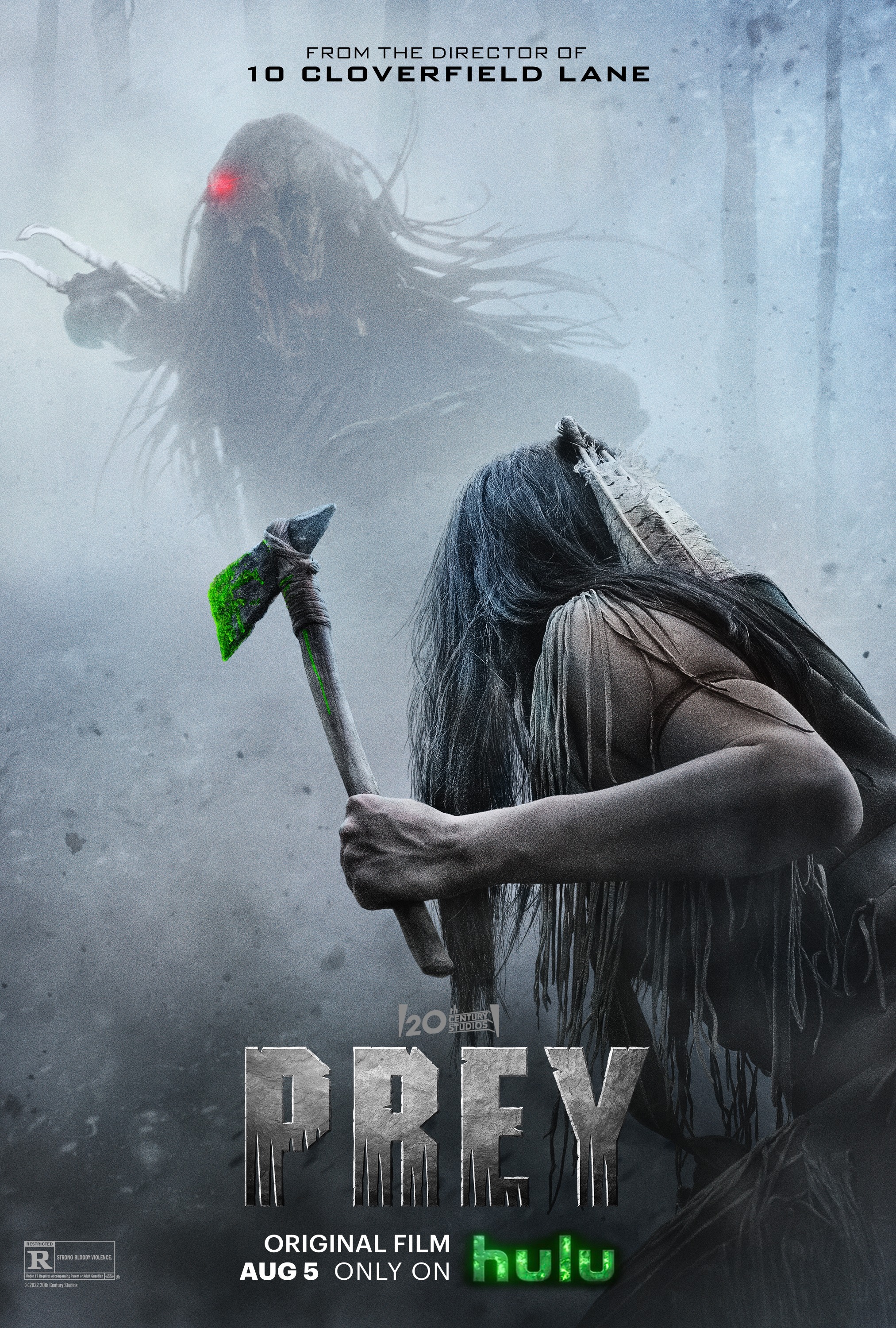
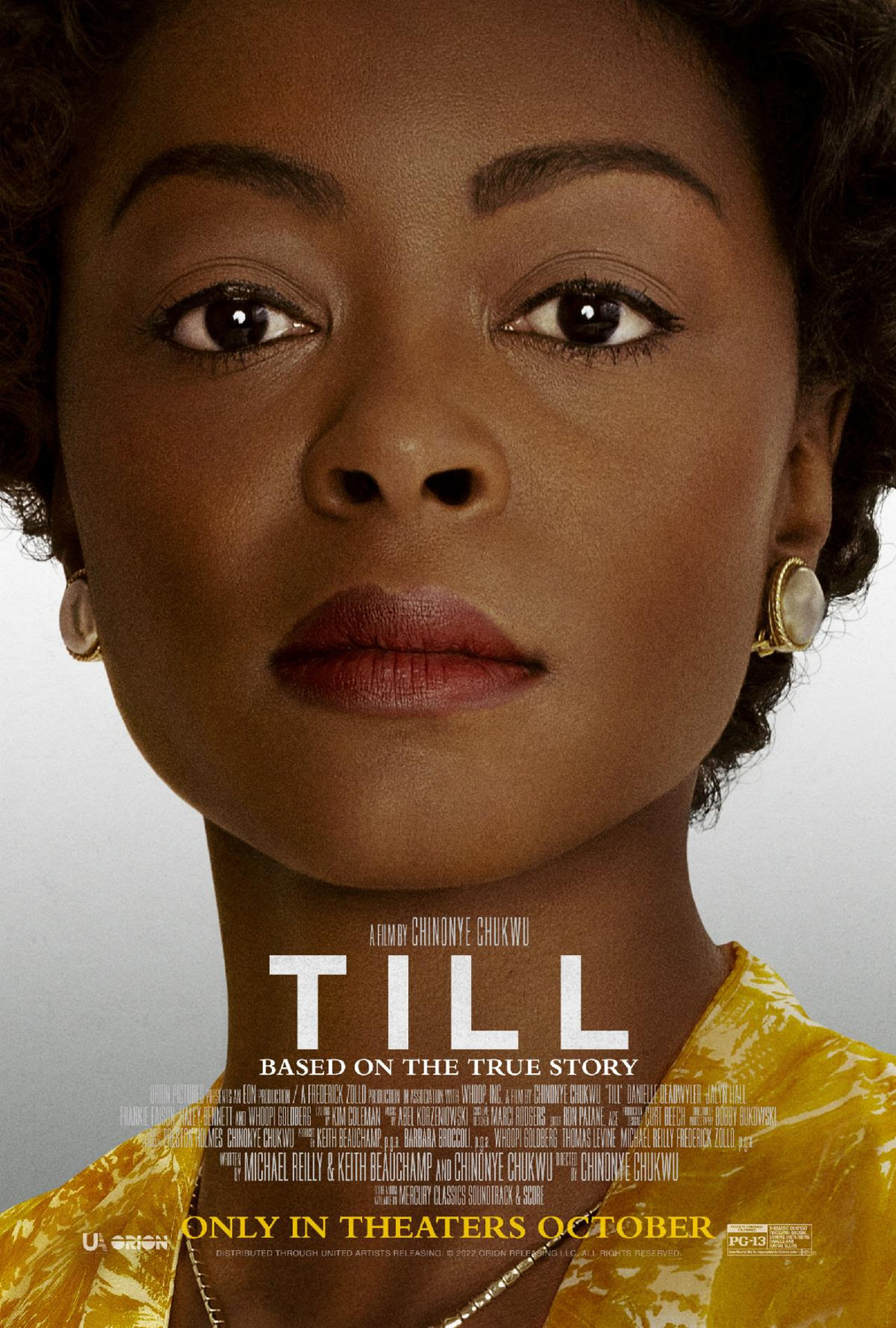
Highlights this week include three films that offer a blend of storytelling, emotion, and originality. Carmen Jones transports viewers to World War II. It intertwines love and ambition in a vibrant musical journey. This journey captivates the heart. Prey reimagines the iconic Predator franchise. It showcases a young Comanche woman’s battle for survival against an otherworldly foe. This story is set in a historical context that emphasizes strength and ingenuity. Lastly, Till poignantly recounts the true story of Mamie Till-Mobley. She becomes a powerful advocate for justice after the tragic murder of her son. Her story illuminates the fight against racial violence in America.
The writing and selection for Culture Vulture is by Pat Harrington ,the music is by Tim Bragg. Together, we invite you to dive into the vibrant world of culture from a different perspective and discover new favourites, and experience the magic that awaits beyond the mainstream.
Saturday 5th of October 2024
Carmen Jones (1954) BBC2, 10.15am This classic musical tells the story of a young woman caught between love and ambition. Set during World War II, the movie follows Carmen, who has big dreams but finds herself in complicated relationships. The film is full of energy, with bright performances and songs that stick with you. It also highlights the pressures and choices faced by those trying to escape tough environments.
Kirsty MacColl at the BBC BBC2, 8.40pm Kirsty MacColl was a singer who always told stories through her songs. Watching this BBC special, you get a sense of her talent and range. There’s something deeply personal in the way she performed, like she was sharing her world with you. Her life wasn’t easy, and you can feel the ups and downs in her music. This show gives a good look at her career. It also makes you wonder about the challenges she faced along the way.
Kirsty MacColl: The Boxed Set BBC2, 9.40pm This documentary digs deeper into Kirsty MacColl’s life and music, offering more insight into the stories behind her songs. It’s a chance to reflect on how her music evolved over time. Her work touched on many real-life struggles, and this program shows that. Fans will appreciate the depth, and newcomers will understand why she’s still so admired today.
Prey (2022) C4, 9pm Prey is an exciting and fresh entry in the Predator franchise. This installment is set long before the events of the original 1987 film. The story is set in the 1700s. It follows Naru, a young Comanche woman. She fights to defend her tribe from an advanced alien hunter. Naru’s courage and resourcefulness are put to the test as she learns how to outsmart the creature. The natural landscapes and the contrast between primitive weaponry and alien technology make this film a standout in the franchise.
Triumph: Jesse Owens and The Berlin Games Sky History, 9pm Jesse Owens is often seen as the man who defied the Nazis. His Olympic wins (four Gold medals) in 1936 solidified this perception. But when you look at his own words, his story is more complicated. In interviews and his autobiography, he explains that things weren’t as clear-cut as we might think. For example, Owens said that Hitler didn’t snub him as much as American racism did when he came back home. We hope this documentary gives a more honest look at the man behind the legend. It should show all sides of his experience. However, don’t be surprised if it doesn’t!
Showtrial BBC1, 9pm This gripping drama examines the influence of media and public opinion on the justice system. The series focuses on a high-profile murder case. The individuals involved seem like they’re on trial for who they are. It’s not just about what they did. You’re left wondering who’s telling the truth and how far the system will go to find it. Each episode peels back another layer of the courtroom drama.
Sunday 6th of October 2024
Till (2022) BBC2, 10pm Till tells the powerful and deeply moving true story of Mamie Till-Mobley. Her life is shattered when her 14-year-old son Emmett Till is brutally murdered in Mississippi in 1955. The film centres on Mamie’s unwavering determination. She seeks justice for her son despite facing overwhelming grief. She also confronts a society entrenched in racial hatred. Through Mamie’s eyes, we see the horror of Emmett’s death. We also see the courage she summons to confront a world that would rather forget the tragedy.
REAL (2019) Film4, 12.40am REAL dives into the life of a young couple in love. Things take a darker turn when their lives are complicated by secrets. The chemistry between them is undeniable, but not everything is as it seems. The film slowly uncovers what’s hidden beneath their smiles. It’s gripping and intense, revealing the lengths people go to hide their past.
Black and Blue (2019) C4, 1.05am A rookie cop finds herself in danger after witnessing a crime committed by corrupt officers. She must decide who to trust and how to survive while trying to expose the truth. The film is tense, with action-packed scenes and a lead character fighting against the odds. It also shows the tough choices faced when loyalty is questioned, and the importance of standing up for what’s right.
Monday 7th of October 2024
Panorama – October 7th – One Year On BBC1, 9pm One year after the horrors of October 7th, this documentary examines what’s changed. It also looks at what hasn’t. The survivors share their stories, and there’s a deeper focus on how the world has responded. It’s a tough watch but important, as it reminds us of the human cost of political violence. The program forces us to think about what’s been done and what’s still needed to bring justice and peace.
Hombre (1967) Talking Pictures, 12.40pm In Hombre, a man raised by Native Americans must navigate a hostile world that doesn’t understand or accept him. On a stagecoach journey, he’s forced to make life-saving decisions when a robbery goes wrong. The movie portrays conflicts between people with different backgrounds. It also highlights how one person’s courage can make a difference. It’s a western with heart, with tough choices at every turn.
Tuesday 8th of October 2024
Bombing Brighton: The Plot To Kill Thatcher BBC2, 9pm This documentary revisits a dramatic moment in British political history. The Brighton bombing in 1984 was a pivotal event. It is one of the most audacious attacks on a British government since the Gunpowder Plot. The bombing was carried out by the Provisional Irish Republican Army (IRA) with the intent to assassinate Prime Minister Margaret Thatcher and her cabinet, who were staying at the Grand Hotel in Brighton for the Conservative Party Conference.
The motives behind the bombing can be traced back to the complex and turbulent history of the Troubles in Northern Ireland. The IRA aimed to unite Ireland and end British rule in Northern Ireland. They considered the British government as a legitimate target to advance their cause. The immediate trigger for the attack was the 1981 Irish hunger strike, during which ten prisoners died. The IRA saw Thatcher’s refusal to grant the prisoners political status as an act of intransigence. This refusal further fueled their resolve to strike.
The planning for the Brighton bombing was meticulous, involving two years of preparation and reconnaissance. The bomb was planted in the hotel more than three weeks before the conference. It was set to detonate in the early hours of October 12, 1984. The explosion killed five people, including Conservative MP Sir Anthony Berry, and injured more than thirty others. By sheer chance, Thatcher escaped unharmed, and in a display of defiance, she insisted that the conference continue as planned.
The consequences of the bombing were far-reaching. It brought the issue of Northern Ireland to the forefront of British politics and public consciousness. Despite the violence, secret negotiations between the British and Irish governments continued. They proceeded at a slower pace to avoid the appearance of conceding to IRA demands. These talks led to the 1985 Anglo-Irish Agreement. This agreement gave the Irish government an advisory role in the governance of Northern Ireland.
The Brighton bombing is both a deeply personal and political story. It affects the lives of many people. It also shapes the course of British and Irish history. It serves as a stark reminder of the lengths some groups will go to for their political aims. Such actions can profoundly impact individuals, societies, and nations.
Jamali Maddix: Follow The Leader U&Dave, 10pm Jamali Maddix takes a sharp and funny look at the people who lead extreme groups around the world. He doesn’t just make fun of them—he digs into what drives their beliefs. Maddix’s style is laid back, but he’s not afraid to ask tough questions. This show is part comedy, part social experiment, and always eye-opening.
Land (2021) Film4, 11.20pm A woman chooses isolation in the mountains after a tragedy. In Land, she learns to survive on her own, slowly healing from her loss. The film is quiet but powerful. We watch her regain control over her life. She faces the wilderness and her own emotions. It’s about finding peace after pain, even when it feels impossible.
Little Richard: I Am Everything (2023) C4, 1.25am This documentary tells the story of Little Richard. He was one of rock and roll’s most influential and flamboyant pioneers. Little Richard: I Am Everything delves into his journey from the deep South to global stardom. It explores his electrifying stage presence. His bold personality changed the face of music forever. Richard’s high-energy performances, merged with his distinctive voice and infectious charisma, captivated audiences in ways few artists had before. His groundbreaking hits, like “Tutti Frutti” and “Long Tall Sally,” set the standard for rock and roll. They also broke through racial barriers. This was at a time when segregation was still in full force.
Beyond his musical genius, Little Richard’s bold and unapologetic presence was transformative. It helped pave the way for future generations of artists. These artists dared to challenge the status quo. He was one of the first Black performers to cross over into mainstream white audiences. His flamboyant style was something the world had never seen before. It included makeup, flashy outfits, and an androgynous look. This documentary shows how Little Richard refused to conform to societal expectations. He embraced his individuality, both musically and personally. He lived in a time when being different was often dangerous. His bravery and refusal to hide his true self left an indelible mark on the music industry and the world.
A significant part of Little Richard’s legacy is his impact on the LGBTQ+ community. The documentary delves into his complex relationship with his own sexuality and identity, a struggle he faced throughout his life. Richard was a queer Black man raised in the conservative South. He often wrestled with reconciling his religious upbringing with his desire to express his true self. His androgynous appearance and gender-bending style made him an icon for many in the LGBTQ+ community. However, he struggled with periods of deep conflict about his sexual orientation. I Am Everything captures this duality. It shows how Richard’s flamboyant public persona and private battles with his identity opened doors for future queer artists. He sometimes denied that part of himself.
Richard’s influence on queer culture cannot be overstated. By blurring the lines of gender and sexuality in his performances, he became a symbol of defiance against societal norms. His larger-than-life persona, both on and off stage, challenged the rigid expectations of masculinity and heterosexuality in popular culture. In doing so, he paved the way for future LGBT+ musicians and performers like David Bowie and Elton John. The documentary highlights how Little Richard’s embrace of his uniqueness shaped the music world. It also inspired countless LGBTQ+ individuals to be unapologetically themselves in a world that often sought to marginalize them.
Little Richard: I Am Everything is not just a celebration of a musical legend. It is also a powerful reminder of the intersection of race, sexuality, and music. It honours a man who lived on the edge of these overlapping worlds. He pushed boundaries and refused to be defined by them. Little Richard’s legacy as a trailblazer in rock and roll is profound. He broke down barriers for both Black and LGBTQ+ communities. The documentary is a fitting tribute to an artist who truly was “everything.” His influence continues to resonate across generations. It also resonates across cultures.
Wednesday 9th of October 2024
Mick Jackson Remembers… Threads BBC4, 10pm Mick Jackson, the director of Threads, recalls creating one of the most chilling films about nuclear war. He talks about how hard it was to bring such a grim vision to life. The film still feels relevant today. It’s a fascinating glimpse into the making of a film that has haunted viewers for decades.
Threads (1984) BBC4, 10.15pm Threads is a haunting film about what might happen if nuclear war ever came to Britain. It shows how ordinary people’s lives are torn apart, with no heroes, just survivors. The film is bleak but powerful, and it leaves you thinking about the fragile nature of our world. Watching it today, the fears it taps into feel just as real as they did when it was first made.
The Onion Field (1979) Talking Pictures, 1.25am The Onion Field tells the real-life story of two police officers, one of whom is kidnapped and killed. The film follows the surviving officer as he struggles with guilt and the legal battles that follow. It’s a hard-hitting drama that doesn’t shy away from difficult emotions, showing how one night can change lives forever.
Thursday 10th of October 2024
Joker (2019) iTV1, 10.45pm Joker is a dark, psychological exploration of Arthur Fleck, a man struggling with mental illness and societal rejection. Living in the decaying streets of Gotham, Fleck starts off as a clown-for-hire. He tries to fit into a world that constantly beats him down. This struggle leads him toward chaos and violence. As he descends into madness, the film raises unsettling questions. It examines how society treats the most vulnerable. It shows the devastating effects of neglect, cruelty, and isolation. It’s not a traditional comic book movie. There are no superheroes here. Just a deeply troubled man searching for meaning in a city that has forgotten him.
At the heart of Joker is Joaquin Phoenix’s unforgettable portrayal of Arthur Fleck. Phoenix’s performance is raw and vulnerable, transforming from a fragile, broken man into the infamous villain. His physical transformation, from his gaunt appearance to the eerie way he moves, mirrors Arthur’s mental unraveling. Phoenix draws us into Arthur’s inner world. We feel sympathy for him, even as his actions grow darker and more disturbing. This complexity in the character leaves the audience torn between empathy and horror. We witness Arthur’s full transformation into the Joker.
The film also delves deeply into themes of mental illness and how it’s often misunderstood or ignored. Arthur tries to seek help through public health services, but he is met with indifference. Budget cuts leave him without access to his medication or therapy. This lack of support becomes crucial in his transformation. He shifts from a struggling man to a dangerous, unhinged figure. Director Todd Phillips critiques societal failures using these elements. He ensures Joker serves as not only a character study. It also comments on how systems designed to help people can ultimately fail them.
Visually, Joker is a feast for the eyes, with its gritty depiction of Gotham City reflecting Arthur’s inner turmoil. The cinematography shows a bleak, oppressive environment in the city. It contrasts this with moments of twisted beauty. One example is Arthur’s unsettling yet almost graceful dancing as he embraces his new identity. The film’s soundtrack, particularly its haunting cello score, increases the tension. It makes the atmosphere feel even more suffocating and tragic.
With the release of the upcoming sequel, Joker: Folie à Deux, audiences are eager to see where this story will go next. The sequel is expected to explore Arthur’s continuing journey into madness, potentially alongside other infamous characters from the Batman universe. Joker ended with Arthur fully embracing his new identity. We are left wondering how much further he will descend. Will this next film dive even deeper into the psychological and social issues introduced in the original? Fans of Joker will no doubt be anticipating another intense, thought-provoking experience.
The Novice (2021) Film4, 11.45pm A college student pushes herself to the limit in The Novice. She joins the rowing team and becomes obsessed with being the best, even if it destroys her. The film portrays the extreme pressure we put on ourselves to succeed. It also shows how far people will go to achieve perfection. It’s intense and raw, leaving you wondering where the line is between
and finally, Friday 11th of October 2024
Zulu (1964) Film4 – 3.30pm Set during the Anglo-Zulu war, Zulu tells the story of a small British force. They are defending a mission station against a massive Zulu army. The film is an epic, filled with impressive battle scenes and tension as two cultures clash. While it shows bravery on both sides, it also raises questions about empire and the cost of war. It’s a classic, but one that also makes you think about the people behind the battles.
Kirsty MacColl By K8 fan at English Wikipedia – Own work (Original text: K8 fan (talk))Transferred from en.wikipedia to Commons by Shashenka using CommonsHelper., Public Domain, https://commons.wikimedia.org/w/index.php?curid=19068917
Dir: Todd Phillips
Starring: Joaquin Phoenix
Robert De Niro, Frances Conroy, Zazie Beetz, Brett Cullen, Shea Whigham, Bill Camp, Marc Maron
15 cert
122 mins
Joker is a film that depicts a damaged man in a broken society. It is an origin story that answers the question: “How did Arthur Fleck (played powerfully and convincingly by Joaquin Phoenix) become the Joker?”.
As you might expect the explanation follows a dark trajectory. The story is told entirely from the perspective of Fleck. He is tormented by mental illness in a harsh society that doesn’t care about him. He is exploited and abused. It’s a harrowing portrayal of a man about to go over the edge. You are never quite sure what is real and what is delusional as we are taken into his mind.
It’s hard not to feel sympathy for Fleck and question the way society treats him. As Fleck becomes Joker it seems all too plausible. Is this transformation a further fall into madness or self-actualization? Joker leaves that question open but the scene where Fleck becomes Joker and triumphally dances down steps to the tune of convicted child sex offender Gary Glitter – “Rock and Roll Part 2” – is haunting.
One of the themes of the film is “you get what you deserve”. As Joker strikes back at the people who run the twisted, amoral society that has abandoned and rejected him he becomes “an icon of resistance to a mob of masked troublemakers” (as the Telegraph put it). Joker resonates with rioters who put on clown-faced masks. The violence is unrelenting and often difficult to watch. Our own society uses violence as entertainment routinely – the Director of Joker pointed to John Wick 3 when criticized in the media. Perhaps these films are our version of the Roman arena?
Will we see Joker and clown masks at real-world demonstrations/riots? It’s not impossible. The Guy Fawkes visage from V For Vendetta has been adopted by Anonymous, the Occupy movement, and most recently the Hong Kong marchers. Will we see the theme “You get what you deserve” adopted as a slogan? As our world gets madder it could happen.
I was recently talking to my father about how many films I’d seen lately that were lacking an interesting plot. I find it quite common in action films that the story is a bit weak but that the visuals usually make up for that, but I found myself craving a good story after seeing a string of action movies, which is when I read the synopsis for a film showing in the local cinema called ‘Her’ starring Joaquin Phoenix, Amy Adams, Rooney Mara, Olivia Wilde, and Scarlett Johansson.
After reading that the film was a sci fi about a man who falls in love with his computer operating system I decided to see the film straight away. It’s set in the year 2025 and follows the story of Theodore Twombly played by Joaquin Phoenix. Theodore is going through a painful divorce from his wife Catherine (played by Rooney Mara) when he decides to purchase a computer operating system with artificial intelligence. This is referred to as an ‘OS’ in the film.
Theodore chooses for his particular OS to be female. He communicates with her verbally and vice versa. She is played beautifully by Scarlett Johansson who’s character chooses in the film to be named Samantha.
There is room for a lot of comedy due to the nature of Theodore’s situation and I found myself laughing out loud multiple times throughout the first half of the film. I got used to the theme of the film by halfway but also it took on a more serious tone as higher drama ensues around that point. I would describe the film as an emotional roller-coaster in that regard.
Once I had gotten into the flow of it and was expecting more comedy I was shocked by quite tender moments of conflict between Theodore and his OS Samantha. Wanting to see a film with a good story I was not let down by ‘Her’. While it is not an action movie it does offer some good visuals in the form of ‘future fashion’ as I would call it. People are dressed in a memorable style of colourful attire.
One slight drawback I felt was that Olivia Wilde’s character is used only briefly in the film. I became aware of Olivia Wilde for the first time when I saw Tron Legacy and because I liked her in that I had hoped she would play a bigger part in ‘Her’ but sadly that was not the case. Another thing that bothered me a bit was that only Scarlet Johansson’s voice is used in the film but looking back I can see why that was better for the film overall. Her voice acting is incredibly precise emotionally and I wonder how many takes it took to get it all just right.
Overall, I think it’s a great film and that has been reflected in its reception as it has received critical acclaim and has done exceptionally well at the box office in contrast to its budget.