Christopher Lee was a man of extraordinary versatility. The Life and Deaths of Christopher Lee seeks to give him the recognition he has long deserved. His legendary association with horror should not overshadow this recognition. Jon Spira wrote this documentary. It is narrated by Peter Serafinowicz. This two-hour film provides a deep dive into Lee’s incredible career. It also explores his personal history and the many layers of his remarkable life.
Lee’s life was already the stuff of legend, beginning with his aristocratic background. His mystery-shrouded wartime service added to this aura. This was before he even set foot in a film studio. The documentary delves into this enigmatic period, hinting at his involvement in covert operations. His post-war rise to fame through Hammer Films cemented his status as the quintessential horror icon. Still, as this documentary makes clear, he was so much more than that.
His performance as Lord Summerisle in The Wicker Man remains one of his greatest. His chilling portrayal of Francisco Scaramanga in The Man with the Golden Gun is also remarkable. This is made all the more fascinating given that the film was written by Ian Fleming, his cousin. Ian Fleming had, sadly, passed away before seeing Lee embody one of his characters. His turn as Mycroft Holmes further showcased his ability to slip seamlessly into roles beyond horror.
One of the highlights of the documentary is its exploration of Lee’s underappreciated talents. He was a skilled linguist, fencer, and puppeteer. He was also an incredibly talented singer. His voice lent itself to everything from opera to heavy metal. His Charlemagne project led him into symphonic and heavier metal. Surprisingly, his Christmas single Jingle Hell even reached No. 18 on the Billboard charts when he was 91. These elements help paint a picture of a man whose career was never stagnant, always evolving.
The documentary benefits greatly from interviews with those who knew him best. These include his family, his co-star Caroline Munro, and his son-in-law Juan Aneiros. It even features The Lord of the Rings director Peter Jackson. Jackson introduced Lee to a new generation. He did this through his work in both The Lord of the Rings and Star Wars franchises.
A particularly compelling moment in the film comes after his knighthood. A journalist refers to him as the ‘king of horror’. Lee was never comfortable with this title. It speaks to the way he was often typecast, despite his many other achievements. The documentary does an excellent job of highlighting this struggle. It shows how early success in horror both defined and confined him. This happened despite his immense range.
Beyond its well-researched content, The Life and Deaths of Christopher Lee also excels in its presentation. It makes excellent use of puppetry and narration. These techniques bring elements of his life to vivid life. The talented team at Blind Summit Theatre created the puppetry. It adds a unique and theatrical quality to the storytelling. It blends seamlessly with the archival footage and interviews. These creative choices add depth and texture to a story that is already full of intrigue.
This documentary is an essential watch for film buffs and casual fans alike. It offers a much-needed reevaluation of Christopher Lee. The documentary finally gives due credit to a man whose career spanned decades, genres, and artistic disciplines. Lee had a truly unique voice with his deep baritone. He had an imposing screen presence. His love of metal music highlighted his uniqueness. Lee was a truly unique figure in entertainment history. The Life and Deaths of Christopher Lee does him justice.
Mussolini: Son of the Century is an audacious exploration of Benito Mussolini’s ascent to power. It is immersive and masterfully directed by Joe Wright. This eight-part series delves deep into the intricate tapestry of early 20th-century Italian politics. It offers viewers a visceral experience. The experience is both enlightening and unsettling.
To fully grasp the significance of the series, it is essential to understand the historical context of Italian Fascism. Fascism was born in the post-World War I turmoil. It emerged as a response to economic instability, social unrest, and the perceived failure of liberal democracy. Mussolini, once a socialist journalist, founded the Fascist movement in 1919, promising national rejuvenation, expansion, and authoritarian stability. The movement rapidly gained traction by exploiting fears of communism and capitalizing on nationalist sentiment.
A Visually Striking and Modernist Interpretation of Italian Fascism
The series distinguishes itself through a striking visual style. It also features a pulsating soundtrack. Together, they evoke the essence of Modernist Italian Fascism. The deliberate use of rapid cuts and dynamic camera movements sets the scene. A techno-infused score adds to this, creating an atmosphere reminiscent of the Futurist movement. This movement celebrated speed, technology, and industrialism. This aesthetic choice immerses the audience in the era’s zeitgeist. It also underscores the allure and danger inherent in Fascist ideology.
Mussolini as the Sole Narrator: An Exercise in Subjectivity
A compelling aspect of the series is its narrative structure. Mussolini, portrayed with uncanny precision by Luca Marinelli, serves as the primary narrator. This approach offers an intimate glimpse into his psyche, ambitions, and justifications. By presenting events from Mussolini’s perspective, the series engages viewers with the seductive nature of his rhetoric. It also challenges them to understand the charismatic pull he exerted on the masses. This narrative choice aligns with the show’s emphasis on “showing” rather than “telling.” It allows audiences to witness the unfolding of history through the dictator’s eyes.
The Role of Luca Marinelli: An Astonishing Performance
Marinelli dominates the screen in nearly every frame of the eight-hour series. He delivers a performance reminiscent of Robert De Niro in Raging Bull. His embodiment of Mussolini is uncanny. This is not just in physical resemblance. It is also in his ability to capture the Italian leader’s gestures, speech patterns, and volatile moods. Marinelli’s Mussolini is both magnetic and repellent, a study in contradictions. He oscillates between calculated intellect and explosive rage, between moments of introspection and primal brutality. This interpretation forces the audience into an uncomfortable position. They are drawn into his charisma. Simultaneously, they recoil from his actions.
The Changing Social Basis of Fascism
The series effectively portrays how the social composition of Mussolini’s support base evolved over time. Fascism initially relied on disgruntled veterans, nationalists, and radicalized workers. Gradually, it found its strongest backing among the lower middle class—shopkeepers, small business owners, and bureaucrats. This shift was crucial in cementing Fascism’s institutional support, as these groups sought stability and protection from socialist movements. By showing this transition, the series demonstrates that Mussolini’s appeal expanded beyond his early revolutionary rhetoric. It reached a broader base of economic self-interest.
The Allure and Horror of Violence
The portrayal of violence in Mussolini: Son of the Century is both graphic and unflinching. Scenes of brutality committed by the Blackshirts are depicted with a raw intensity that is likely to disturb viewers. However, it’s crucial to recognize that such depictions also illustrate violence’s seductive allure. This allure held power for some during this tumultuous period. In the context of early 20th-century Italian politics, violence was a means of asserting power. It was not merely a tool of oppression. It also served to instill unity among followers. The series adeptly captures this duality, prompting viewers to think about the complex interplay between violence and ideology.
Mussolini’s Capitulation to Capitalism
One of the most significant themes depicted in the series is Mussolini’s pragmatic but ultimately self-defeating embrace of capitalism. Initially, Mussolini positioned himself as an anti-establishment revolutionary, promising to dismantle old power structures, including financial elites. Yet, as his movement grew and he consolidated power, he increasingly aligned himself with industrialists and conservative elites. He abandoned his early socialist leanings, favouring policies that bolstered Italy’s capitalist class in exchange for their support. This shift is portrayed with great precision. The series shows that Mussolini relied on corporate backers. This reliance ultimately trapped him in the economic structures he once vowed to upend.
Mussolini’s Reversal on the Catholic Church
Another striking element of the series is how it portrays Mussolini’s relationship with the Catholic Church. Initially a staunch secularist and critic of organized religion, Mussolini later recognized the strategic necessity of appeasing the Vatican. The series highlights the gradual shift in his rhetoric and policy. This shift culminates in the Lateran Treaty of 1929. The treaty granted the Vatican sovereignty and declared Catholicism the state religion of Italy. This capitulation was a calculated move. It aimed to solidify his regime’s legitimacy. Mussolini demonstrated a willingness to abandon ideological consistency. He favored political survival.
Conclusion: The Danger of the Rock Star Dictator
Mussolini: Son of the Century is more than a historical drama. It carries the risk of portraying Mussolini as a rock star. He becomes a rebellious anti-hero with whom audiences may identify. While the series highlights his contradictions, it also presents a charismatic figure whose presence dominates the screen. This is dangerous, as it can foster an admiration for a man who ruled partly through violence and coercion.
It is crucial to understand the savage lure of Fascism. The show successfully conveys the visceral energy of the movement. However, it is equally important to recognize that Fascism did not arise in a vacuum. The weaknesses of Italian democracy enabled Mussolini’s rise. It failed to represent the interests of ordinary people. There was corruption and division. This, more than Mussolini’s personal charisma, is what allowed Fascism to flourish.
By Pat Harrington
Engage with Us
What are your thoughts on Mussolini: Son of the Century? Did the series change your perception of Mussolini and Fascism? Share your opinions in the comments below!
Welcome to Culture Vulture your entertainment guide offering an alternative viewpoint on film, television, and music. Whether you’re drawn to thought-provoking film, you’ll find something intriguing here. If you enjoy compelling documentaries or crave the most striking performances, we have something to challenge and inspire you. Writing is by Pat Harrington, with music selections from Tim Bragg.
This week’s highlights include:
Blue Velvet (1986) – David Lynch’s eerie and surreal masterpiece delves into the hidden darkness beneath small-town America’s surface. It features unforgettable performances from Isabella Rossellini and Dennis Hopper.
The Rise and Fall of the American Rust Belt (PBS America) – A gripping documentary. It examines the economic decline and resilience of America’s industrial heartland. The film gives voice to those affected by deindustrialisation and corporate greed.
The Square (2017) – Ruben Östlund’s film is darkly satirical. It takes a sharp look at the hypocrisy of the contemporary art world. It examines these issues with precision.
Now, let’s dive into the full listings for the week ahead.
Saturday 8th of February 2025
Doctor Zhivago (1965) BBC2 1.15pm
Doctor Zhivago is a sweeping romantic epic set against the turbulence of the Russian Revolution. The film tells the life story of Yuri Zhivago (Omar Sharif). He is a doctor and poet. Yuri is torn between his love for two women—his devoted wife, Tonya (Geraldine Chaplin), and the enigmatic Lara (Julie Christie). As political upheaval engulfs the country, his personal struggles mirror the larger chaos of a collapsing empire. David Lean’s masterful direction and Maurice Jarre’s haunting score make this a visually stunning and emotionally poignant classic.
Sunday 9th of February 2025
Military Masterminds PBS America
2.45pm Rapid Dominance
This episode explores the theory of “shock and awe.” This is a military strategy designed to overwhelm an enemy with swift and overpowering force. The documentary analyses historical examples and modern applications. It shows how speed, precision, and psychological tactics can decide the outcome of war. This can happen before a battle has truly begun.
3.50pm Combat Power
This episode looks at the raw strength of armed forces. It examines advancements in weaponry, technology, and manpower. These advancements have shaped the world’s most formidable militaries. Featuring interviews with strategists and veterans, it highlights how brute force is balanced with strategy.
5.00pm Deception
Misdirection has always been a key element of warfare, from the Trojan Horse to modern cyber tactics. This episode explores the role of deception in military history. It shows how illusion and misinformation can be just as powerful as physical combat.
6.05pm Guerrilla Warfare
When direct confrontation is not an option, smaller forces resort to unconventional tactics. This episode showcases examples from the Vietnam War to modern insurgencies. It highlights how outnumbered and outgunned fighters have used terrain, surprise, and endurance to reshape conflicts.
An Evening With Nat King Cole BBC4 from 9pm
Includes Johnny Mathis: Tribute To Nat King Cole and Natalie Cole In Concert.
Few voices match the timeless appeal of Nat King Cole. His smooth baritone and effortless delivery made him one of the most beloved vocalists of all time. This special evening celebrates his legacy. It features performances from artists inspired by his work. These include Johnny Mathis and his own daughter, Natalie Cole. Classic songs like Unforgettable and Mona Lisa remain as captivating today as when they were first recorded.
Blue Velvet (1986) BBC2 10pm
One of my all-time favourites, Blue Velvet is a dark, hypnotic thriller from David Lynch. It peels back the seemingly idyllic surface of small-town America. It exposes something much more sinister. Kyle MacLachlan plays Jeffrey Beaumont. He is a college student who stumbles upon a severed ear. He is drawn into a twisted world of crime, violence, and obsession. His investigation leads him to nightclub singer Dorothy Vallens (Isabella Rossellini). Her life is controlled by the brutal and sadistic Frank Booth. Dennis Hopper gives an unforgettable performance as Frank Booth. The film masterfully blends dreamlike imagery with nightmarish intensity, capturing a world where innocence is devoured by corruption. Rossellini delivers a raw, heartbreaking performance, while Hopper’s Frank Booth remains one of the most terrifying villains in cinema history. Blue Velvet contains an unsettling atmosphere. It features a haunting score. Its surreal visuals create a masterpiece.
The Elephant Man (1980) BBC2 11.55pm
This deeply moving film is directed by David Lynch. It tells the true story of John Merrick (John Hurt). Merrick was a man suffering from severe physical deformities. He is mistreated and exploited in Victorian England. Rescued by the compassionate Dr. Treves (Anthony Hopkins), Merrick finds dignity and kindness in a world that initially only sees him as a sideshow curiosity. Hurt’s performance is both heartbreaking and dignified, capturing Merrick’s gentle soul and intelligence beneath his outward appearance. Shot in stunning black and white, The Elephant Man is a powerful meditation on humanity, cruelty, and acceptance. Lynch abandons his usual surrealism for a more restrained approach. The experience remains haunting. This makes it one of the most affecting and beautifully crafted biographical films ever made.
Monday 10th of February 2025
The Quiet Man (1952) Film4 4.05pm
John Ford’s The Quiet Man is a lyrical, beautifully shot romance. It stars John Wayne as an American boxer. He returns to his ancestral home in Ireland, hoping for a peaceful life. However, he falls in love with the spirited Mary Kate (Maureen O’Hara). This love leads to conflict with her hot-tempered brother. The result is one of the most famous brawls in cinema history. Full of warmth, humour, and stunning Irish landscapes, this film celebrates love. It also celebrates tradition and the power of home.
The Rise And Fall Of The American Rust Belt PBS America 8.35pm
The Rust Belt was once the backbone of American industry. It was a region where steel mills, automobile factories, and manufacturing plants provided stable jobs. They ensured economic security for millions. This documentary explores how a thriving blue-collar workforce was transformed. It became a landscape of abandoned factories, unemployment, and urban decline. Globalisation, automation, and outsourcing reshaped the economy. With powerful first-hand accounts from workers, industry leaders, and economic experts, the film traces the trajectory of these once-prosperous cities. It covers areas from Detroit to Pittsburgh. The film examines the consequences for communities left struggling in the aftermath. The documentary also highlights the resilience of those who have sought to rebuild. It focuses on revitalisation efforts, new industries, and grassroots movements. These are aimed at reclaiming the region’s identity in a post-industrial world.
Tuesday 11th of February 2025
The Black Phone (2021) Film4 9pm
A tense and gripping horror-thriller, The Black Phone follows Finney (Mason Thames). He is a young boy kidnapped by a sadistic killer called The Grabber (Ethan Hawke). Locked in a soundproof basement, Finney begins receiving calls from the spirits of the killer’s past victims. They guide him in his fight for survival. A chilling mix of supernatural horror and psychological suspense, this film delivers both scares and heart.
Storyville BBC4 10pm
A deep-dive documentary series exploring extraordinary real-life stories from around the world. This episode investigates a gripping, true crime mystery. It blends interviews, archival footage, and investigative journalism. These elements reveal shocking twists and hidden truths. This episode explores the story of the San Quentin’s jail running club. The inmates train all year round for a prison marathon.
Wednesday 12th of February 2025
Locke (2013) Film4 2.05am
Tom Hardy delivers a powerhouse solo performance. This real-time drama follows construction manager Ivan Locke. He takes a fateful drive that will change his life forever. He juggles phone calls involving his job. He also manages those about his family and a personal crisis. We witness a man desperately trying to keep control of his life. Locke is a minimalist film, but it is deeply compelling. It proves that sometimes, all you need is a great actor and a gripping script.
Thursday 13th of February 2025
The Square (2017) Film4 12.35am
A razor-sharp satire of the contemporary art world, The Square follows Christian (Claes Bang), a prestigious museum curator. His latest installation—a conceptual piece meant to promote trust and altruism—sets off a chain of events. These events spiral out of control. As his carefully constructed life begins to unravel, the film exposes the contradictions of elite artistic circles and modern morality. The film presents moments of absurdity and dark humour. It also includes social critique. Ruben Östlund’s Palme d’Or-winning film challenges audiences to examine their own ethical boundaries.
Friday 14th of February 2025
Are You Being Served? Secrets And Scandals Channel 5 9pm
Behind the scenes of the classic British sticom starring John Inman, Molie Sugden and Frank Thornton. The programme describes the battle to keep it on screen and the personal tragedies that hit some of the staff.
Long Shot (2019) BBC1 11.30pm
A sharp and refreshingly modern political rom-com, Long Shot stars Charlize Theron as Charlotte Field. She is a powerful and ambitious Secretary of State. Charlotte is preparing a run for the presidency. Her career is carefully managed, her public image meticulously crafted, and her ambitions are set sky-high. In an unexpected twist, she reconnects with her former childhood neighbor, Fred Flarsky (Seth Rogen). He is an eccentric, socially awkward, and idealistic journalist. Fred has just quit his job in protest. Despite their vastly different worlds, sparks begin to fly between them in a way neither could have predicted.
The heart of the film lies in its odd-couple chemistry. Theron and Rogen make an unlikely but endearing duo. Theron brings grace, intelligence, and emotional depth to her role. Rogen adds his trademark scruffy charm and self-deprecating humor. Their relationship is filled with hilarious clashes. Fred struggles to fit into Charlotte’s polished, high-society world. Meanwhile, Charlotte finds herself in absurdly compromising situations due to Fred’s lack of political finesse. The film mines these contrasts for comedy. It also manages to ground their romance in genuine affection and mutual respect. This makes their growing relationship feel surprisingly authentic.
Beyond the romance, Long Shot offers sharp political satire. It pokes fun at the often-ridiculous demands of public office. It highlights the pressures of maintaining an idealized public image. The film reveals the compromises politicians must make to survive in the modern media landscape. The film addresses issues of sexism and media scrutiny. It also examines the absurd expectations placed on women in power. However, it keeps its message light and accessible. It never feels preachy. Instead, it highlights the absurdities of the system through clever dialogue and biting humor.
What sets Long Shot apart from other rom-coms is its balance of humor and heartfelt sincerity. It embraces laugh-out-loud moments, which include some signature Rogen-style crudeness. Yet, it also takes the time to explore deeper themes of integrity and self-doubt. The film looks into the sacrifices required for success. Theron’s character, in particular, experiences moments of vulnerability. These moments reveal the loneliness and pressure that come with a life in the public eye. Meanwhile, Rogen’s Fred brings a refreshing sense of idealism. He forces Charlotte to confront what she’s willing to compromise for political gain.
Long Shot is a charming romantic comedy. It is surprisingly insightful. The film delivers both sharp laughs and a touching love story. Theron and Rogen deliver excellent performances. The witty script and clever critique of modern politics also shine. The film offers far more depth than its premise might initially suggest. Stay up to watch this film if you want a heartfelt romance. Stay up if you want political satire or just a good laugh.
And finally, Streaming
Walter Presents: R.I.P. Henry – all eight episodes available from Friday 14th February 2025.
Surgeon Henry learns that he has a brain tumor. He searches for a cure. Will he find one and can he come to terms with his feelings? This is a great Norwegian drama.
Bloodline Detectives – new episodes available from Friday 14th February 2025.
This true-crime American series explores how cutting-edge DNA technology is solving cold cases. It brings long-awaited justice to families. It reveals shocking truths hidden for decades.
Welcome to Culture Vulture – Your Alternative Weekly Entertainment Guide. Writing is by Pat Harrington and music is by Tim Bragg.
Highlights this week include:
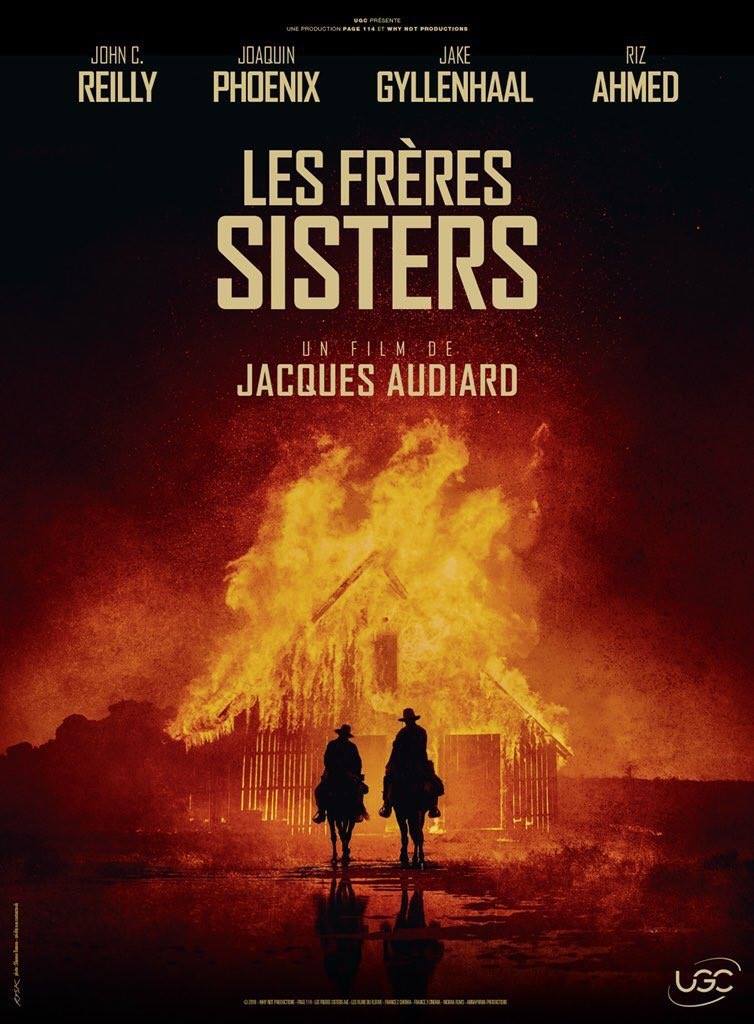
The Sisters Brothers (2018) – A revisionist Western that subverts genre conventions, following two bounty-hunting brothers on a journey of survival, greed, and self-discovery.
Belfast (2021) – A poignant coming-of-age drama set against the backdrop of 1960s Northern Ireland, capturing the innocence of youth amid political turmoil.
Respect (2021) – A powerful biopic of Aretha Franklin, showcasing her rise to fame, struggles, and enduring legacy through an unforgettable performance by Jennifer Hudson.
Now, onto this week’s full selection of films and programmes.
Saturday 1st February 2025
Women Who Rock – Sky Arts from 9pm A celebration of women who reshaped the music industry. Their struggles and triumphs reflect wider changes in society. The show captures the energy and defiance of artists who refused to conform. The documentary highlights how music became a form of resistance. Each performer carved a space in a male-dominated world. The interviews reveal personal sacrifices behind public success. Viewers will see how these women changed perceptions. Their influence reaches beyond music into fashion and activism. The programme is a reminder of the power of creative expression.
Judgment at Nuremberg (1961) – BBC2 12.45pm A courtroom drama that examines responsibility. The focus is not only on the accused but also on those who looked the other way. The film asks difficult questions about morality and justice. Performances are powerful, particularly Spencer Tracy as the judge. The script avoids easy answers, forcing viewers to consider uncomfortable truths. The weight of history is felt in every scene. Decades later, the questions remain relevant. The film warns against blind obedience and moral compromise. A stark reminder of how societies justify their worst actions.
Poly Styrene: I Am a Cliché – Sky Arts 2am A raw and intimate portrait of an artist ahead of her time. Poly Styrene challenged conventions, both in punk music and in life. Her story is one of rebellion and self-discovery. The film explores her impact on music and identity. Personal letters and interviews reveal a woman torn between ambition and expectation. Her mixed heritage shaped her outsider status. More than a biography, this is a story about finding a voice. It resonates with anyone who has felt out of place. Her influence continues in today’s alternative music scene.
Sunday 2nd February 2025
The Straight Story (1999) – Film4 4.30pm A slow and meditative film about an elderly man’s journey. He travels across America on a lawnmower, determined to reconnect with his brother. The simplicity of the story hides great emotional depth. David Lynch directs with restraint, showing warmth rather than his usual darkness. The performances feel authentic, particularly from Richard Farnsworth. The film lingers on landscapes, emphasising time and memory. It is a quiet reflection on aging and regret. The journey is physical, but also symbolic. The film asks whether old wounds can ever truly heal.
Harrods: The Rise and Fall of a British Institution – Channel 5 9pm Once a symbol of luxury, Harrods represents changing economic tides. The documentary traces its history from family-run business to foreign ownership. Behind the glamour is a tale of power and shifting fortunes. The programme exposes the conflicts between tradition and modernisation. It shows how consumer culture evolved alongside British society. The store’s rise mirrors imperial confidence, its sale reflects global shifts. More than just a shop, Harrods embodies national identity. The film questions what is lost when heritage is sold. It is a case study in money and influence.
Dr Jekyll and Mr Hyde: The Read with Reece Shearsmith – BBC4 9pm A chilling reading of a classic tale. Shearsmith brings the dual nature of man to life. His performance captures the fear and fascination of the original text. The gothic horror remains unsettling today. The story explores hidden desires and suppressed instincts. It suggests that civilisation is only a thin veil. This adaptation reminds us why the story endures. The duality within us all is both disturbing and compelling. A gripping interpretation of a timeless tale.
Ian Rankin Investigates: Dr Jekyll and Mr Hyde – BBC4 10.05pm Rankin explores the real inspirations behind Stevenson’s novel. He delves into Victorian anxieties and the idea of the double life. The true history is as eerie as the fiction. Interviews with experts reveal deeper meanings. The investigation links the story to crime, class, and repression. Stevenson’s world was one of contradictions and secrets. A fascinating look at why the story still haunts us. The themes remain familiar, even in modern society. A perfect companion piece to the previous programme.
Belfast (2021) – BBC2 10pm Kenneth Branagh’s semi-autobiographical film captures childhood in a divided city. The innocence of youth contrasts with the backdrop of violence. The black-and-white cinematography adds a nostalgic quality. The story is told through a child’s eyes, softening but not erasing the pain. There are moments of humour and warmth, making the loss feel sharper. Family bonds provide strength amid uncertainty. A love letter to a city and a past that can’t be reclaimed. The film reminds us that history is personal. A moving account of home and belonging.
The Sisters Brothers (2018) – BBC2 11.30pm
The Sisters Brothers is a revisionist Western that subverts the genre’s conventions. It follows two bounty-hunting brothers navigating a rapidly changing American frontier. Directed by Jacques Audiard, the film balances dark humour with moments of deep introspection. It explores themes of violence, greed, and fractured familial bonds.
Joaquin Phoenix and John C. Reilly deliver compelling performances as the titular brothers. Phoenix’s Charlie is impulsive and reckless, while Reilly’s Eli is burdened by a growing conscience. Their dynamic forms the film’s emotional core, as Eli questions their brutal way of life and dreams of something better. Jake Gyllenhaal and Riz Ahmed give strong supporting performances. They add depth to the film’s exploration of shifting loyalties. They also enhance the portrayal of evolving ideals.
The cinematography by Benoît Debie captures the stark beauty of the Western landscape. From sun-scorched plains to dimly lit saloons, every frame enhances the film’s melancholic tone. The film’s visual storytelling is meticulous, highlighting both the isolation and camaraderie of its characters.
The score, composed by Alexandre Desplat, blends traditional Western sounds with a haunting, modern sensibility. The music highlights the film’s tension. It strengthens the introspective moments. This reinforces the sense of an old world fading into a new one.
Thematically, The Sisters Brothers critiques the brutality of frontier justice and the corrosive nature of capitalism. The Gold Rush is depicted as a ruthless pursuit, where survival often comes at the cost of morality. Ethical dilemmas arise as the brothers encounter figures who challenge their worldview. These encounters force them to confront their past and consider the possibility of change.
Critics praised the film’s unique take on the Western genre. Its blend of dark comedy, action, and philosophical depth set it apart from more traditional entries. Some viewers found its pacing deliberate. Others appreciated its contemplative nature. They saw it as a meditation on brotherhood, ambition, and the price of violence.
The Sisters Brothers is a thought-provoking and visually stunning film. It offers a fresh perspective on the Western mythos, grounding its story in human emotion rather than spectacle.
Monday 3rd February 2025
Mr Jones (2019) A journalist uncovers a famine that others choose to ignore. The film exposes how truth is manipulated. The protagonist risks everything to reveal reality. The visuals shift between cold desolation and propaganda’s warmth. The contrast shows how suffering is hidden. The cost of truth is painfully high. A film about courage and complicity. Silence enables cruelty, while speaking out invites danger. A reminder that stories shape history.
Fire Island (2022) A reimagining of Pride and Prejudice set in a modern LGBTQ+ holiday retreat. The film mixes wit with social commentary. It celebrates community while exposing its flaws. Romance is central, but so is friendship. The characters navigate love, status, and belonging. The humour makes deeper themes more accessible. A joyful yet thoughtful film. It reminds us that acceptance isn’t always easy. A refreshing take on a classic tale.
Tuesday 4th February 2025
All The Money In The World (2017) – GREAT!movies 9pm A thriller based on real events. The film follows the kidnapping of John Paul Getty III. His grandfather’s refusal to pay the ransom dominates the narrative. The story highlights greed and power. The boy’s suffering is secondary to financial concerns. Family bonds are tested against corporate interests. A tense and stylish drama. Christopher Plummer delivers a cold yet captivating performance. A study of how wealth distorts human relationships.
Mussolini: Son of the Century – Sky Arts 9pm A documentary exploring the rise of a dictator. It traces his journey from socialism to totalitarianism. The programme pieces together rare footage and expert analysis. It examines how ambition turns into authoritarian rule. The film shows how a leader’s early ideals can curdle into oppression. The dangers of political idolatry are evident. A necessary history lesson. The past offers warnings for the present. The documentary challenges viewers to see patterns in modern politics.
Wednesday 5th February 2025
Respect (2021) – BBC1 11.15pm The story of Aretha Franklin’s rise to fame. Jennifer Hudson delivers a commanding performance. The music carries the film, but so does its emotional weight. It explores the pressures of success. Franklin’s voice made history, but her journey was fraught with struggle. The film does not shy away from personal hardships. More than a biography, it is a tribute. A reminder of the resilience behind the legend. A powerful portrayal of an artist’s fight to be heard.
Mean Streets (1973) – Film4 11.35pm Scorsese’s early masterpiece. A gritty look at loyalty and survival in Little Italy. The film’s raw energy and improvisational style make it feel real. Harvey Keitel and Robert De Niro shine as young men caught between crime and conscience. The streets are their battleground. Violence is both a choice and a fate. An essential watch for those who love character-driven films. It laid the foundation for Scorsese’s later classics. A look at ambition, failure, and redemption.
Thursday 6th February 2025
Oliver! (1968) – Film4 4.10pm A musical that remains beloved. The story of an orphan in Victorian London. Songs and performances make it an enduring classic. Beneath the charm is a tale of survival. The film does not ignore the harsh realities of poverty. Dickens’ world is softened but not erased. A family favourite with dark undercurrents. The contrast between joy and hardship makes it compelling. A classic that still resonates.
Some Like It Hot (1959) – BBC4 8.20pm A comedy masterpiece. Two musicians disguise themselves as women to escape the mob. The humour is sharp, and the performances iconic. Jack Lemmon and Tony Curtis have perfect timing. Marilyn Monroe adds charm and melancholy. The film balances farce with genuine emotion. Beneath the laughter is a look at identity and deception. A film ahead of its time. Endlessly rewatchable and still relevant.
Can Elon Musk Rule The World – Channel 4 9pm A documentary examining one of the most controversial figures today. It explores his vision and influence. The programme asks whether one man should hold so much power. Musk’s innovations have changed industries. But ambition comes with consequences. The film presents both his brilliance and his flaws. An insightful investigation into modern leadership. Technology and capitalism intertwine. The future may rest in the hands of a few.
Pitch Black (2000) – ITV4 9pm A sci-fi thriller with a cult following. A transport ship crashes on a dark planet. The survivors face both internal and external threats. Vin Diesel’s anti-hero dominates the film. His character walks the line between saviour and predator. The darkness is both literal and symbolic. Tense, atmospheric, and visually striking. A film that proves sci-fi can be both action-packed and thought-provoking.
Friday 7th February 2025
Ella Fitzgerald Live At Montreux – Sky Arts 8pm A concert film capturing a jazz legend at her best. Fitzgerald’s voice remains unmatched. Her performance is effortless yet deeply moving. The setlist is a journey through jazz history. The audience is spellbound. The film showcases her warmth and mastery. A celebration of pure talent. A must-watch for music lovers. Her voice still enchants decades later.
Ella Fitzgerald: Just One Of Those Things – Sky Arts 9.30pm A documentary exploring her life and career. The struggles behind the success are revealed. Her rise from hardship to global fame is inspiring. Interviews and archival footage bring her story to life. The film highlights both her triumphs and personal sacrifices. She reshaped music forever. A fitting tribute to a true pioneer. Her impact goes beyond jazz. Her legacy is one of perseverance and excellence.
Lynch/OZ – Film4 1.35am A documentary about the connection between The Wizard of Oz and David Lynch’s films. It delves into cinematic influences and hidden meanings. Lynch’s work is filled with references to Oz. The documentary explores these links in depth. Filmmakers and critics offer their insights. A fascinating look at artistic inspiration. It shows how one story can shape another. A must-watch for cinephiles.
And finally, Streaming
On Channel 4 streaming – Walter Presents: The Sketch Artist (Season 3) – from Friday 7th February 2025 A detective series with a unique protagonist. A forensic sketch artist reconstructs faces and memories. The show blends mystery with human insight. The new season deepens character backstories. It focuses on perception and how we interpret truth. Crime-solving is as much about psychology as evidence. A gripping drama with an original premise. Fans of intelligent thrillers will be hooked.
On History Hit – Dogs: Their History (Episode One) – from Thursday 6th February 2025 A look at how dogs shaped human lives. From hunting partners to companions, their role has changed. The documentary explores this shared history. Footage from different cultures highlights contrasts in treatment. The bond between humans and dogs is complex. Some are loved, others exploited. More than a history lesson, this is a reflection on human nature. Our relationship with animals says much about us.
What happens when the gap between rich and poor becomes unbridgeable? Neill Blomkamp’s Elysium raises this question to a harrowing, futuristic extreme. It delivers a dystopian thriller that is both visually stunning and deeply thought-provoking. Set in 2154, the film explores a world divided into two starkly different realities. On Earth, the overcrowded and polluted environment forces the impoverished masses to scrape by in harsh conditions. Meanwhile, on Elysium, a luxurious space station, the elite live in comfort and enjoy miraculous healthcare. Blomkamp’s film critiques inequality and systemic injustice. It goes beyond science fiction tropes in a way that resonates deeply with contemporary issues.
Plot Outline
The story follows Max Da Costa (Matt Damon), an ex-convict working in a hazardous factory on Earth. After a workplace accident exposes him to a lethal dose of radiation, Max is given only five days to live. He is desperate for survival. He turns to a criminal syndicate for help. They assist him in reaching Elysium, where advanced medical pods can heal any condition. Along the way, Max reconnects with Frey (Alice Braga), a childhood friend and nurse whose daughter is gravely ill. Their journey becomes more perilous. They face Secretary Delacourt (Jodie Foster), the authoritarian leader of Elysium. She is determined to maintain the space station’s exclusivity. They also confront Kruger (Sharlto Copley), her volatile mercenary. As Max transforms into a cybernetic-enhanced fighter, he shifts from self-preservation to self-sacrifice. He risks everything to rewrite Elysium’s system. His goal is to make healthcare accessible to everyone.
Acting and Character Motivations
Matt Damon’s portrayal of Max is a standout. He brings a raw vulnerability to the role. This is especially evident in moments like Max’s heart-wrenching plea to Frey. He realizes he may not survive his mission. Damon captures Max’s evolution. Max transforms from a man driven by fear and desperation to a hero. He understands the broader implications of his actions. This transformation reflects the film’s central theme: the moral imperative to challenge systemic injustice, even at great personal cost.
Jodie Foster’s Secretary Delacourt embodies the ruthlessness of power. Her icy performance is chilling. This is particularly clear in scenes where she coldly justifies her authoritarian measures. One such instance is when she orders a missile strike on a ship carrying desperate Earth residents to Elysium. Sharlto Copley’s Kruger is pure chaos. He is a sadistic enforcer. His unhinged brutality makes him a terrifying counterpoint to Max’s reluctant heroism. Alice Braga adds emotional depth as Frey. Her scenes with her daughter are particularly moving. They ground the film’s high-stakes action in a poignant human struggle.
Cinematography and Musical Score
Visually, Elysium is breathtaking. Cinematographer Trent Opaloch masterfully contrasts the grim, industrial slums of Earth with the pristine, utopian beauty of Elysium. One striking example is the scene where Max fights Kruger in the sterile, white corridors of Elysium’s core. This setting visually underscores the clash between Earth’s downtrodden and the privileged elite. The film’s world-building is meticulous, from the sprawling shantytowns of Los Angeles to the gleaming mansions of the space station.
The musical score by Ryan Amon amplifies the film’s emotional intensity. The blend of orchestral and electronic elements mirrors the tension between humanity and technology. Key moments, like Max’s transformation into a cybernetic warrior, feature stirring compositions. The score’s relentless pacing during action sequences adds to the film’s intensity. Its haunting undertones in quieter moments reflect the themes of desperation and hope.
Social, Ethical, and Political Themes
At its heart, Elysium critiques systemic inequality, using the division between Earth and Elysium as a metaphor for the widening gap between rich and poor. The film raises pressing ethical questions about privilege and access: why should life-saving resources be hoarded by a few? Secretary Delacourt’s policies on immigration and exclusion echo contemporary debates about border control and the ethics of privilege. The film also explores the dehumanizing effects of technology, as seen in Elysium’s robotic enforcers and the impersonal bureaucracy that treats Earth’s inhabitants as expendable.
Max’s journey reflects the power of individual action to challenge oppressive systems. His transformation from reluctant participant to selfless hero underscores the idea that personal growth and societal change are intertwined. In this way, Elysium aligns with the principles we’ve explored in Patrick’s character: empathy, collaboration, and the courage to fight for systemic justice.
Critical Perspective
As Peter Debruge of Variety aptly noted, “Blomkamp crafts a world that’s both visually stunning and uncomfortably plausible, delivering a biting critique of 21st-century disparities.” Some critics argued that the film’s message was overly didactic. Nonetheless, its willingness to tackle complex social issues sets it apart from conventional action fare. The performances and world-building lend the narrative a grounding that ensures its themes resonate deeply.
Conclusion
Elysium is more than just a sci-fi thriller. It’s a thought-provoking examination of inequality, privilege, and the ethical responsibility to create a fairer world. The film captivates viewers with stunning visuals. A gripping score heightens the experience. Powerful performances draw us into a future that feels all too possible. Like the question posed in the introduction, Elysium challenges us to consider unchecked inequality. It also questions whether we have the courage to bridge the divide. For fans of socially conscious cinema, this is a must-watch, blending thrilling action with a call for systemic change.
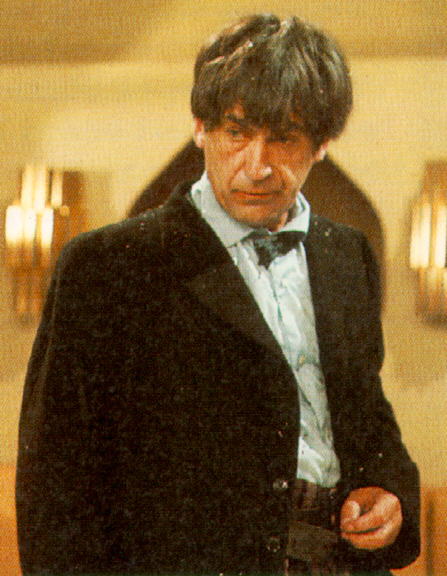
The ten-part original of The War Games, the last story of the Patrick Troughton/Second Doctor era, released in late 1969, has a special place in my heart. Although I have a hazy memory of William Hartnell’s First Doctor being accosted by Daleks on my family’s tiny, flickering black-and-white TV (I like to imagine this was in one of the ‘lost’ episodes, perhaps from the epic Dalek Masterplan), and I did watch Troughton’s Doctor regularly, as I know because I recall having an early existential crisis when the show was scheduled directly opposite another favourite, the Adam West-era Batman series on ITV in the Saturday tea-time post-football results slot, it is Troughton’s circling head before an unseen regeneration and temporary exile to modern-day Earth forced upon him by his ‘people’, the newly revealed Time Lords, which is my first clear Who memory.
The Second Doctor played by Patrick Troughton
The War Games: A Special Place in History
The changing of this ending for this newly colourised feature-length edit to incorporate his regeneration into Jon Pertwee’s dandyish action-hero Third Doctor was one of several concerns I had as I settled down to watch almost as soon as it was uploaded to the BBC iPlayer two days before Christmas.
In reality, Pertwee had not even been cast when The War Games ended, and at the time, though the seven-year-old me wouldn’t have been aware of this, it wasn’t a certainty that anyone would be cast to succeed Troughton. With radically fallen viewing figures compared to the peak of Dalek-mania in the mid-60s, the future of the show itself was in doubt.
Happily, Pertwee, who I still consider to be my Doctor, was cast and the series returned, and for the first time in glorious colour (and on film rather than the video, for that one story only) in the epic Spearhead From Space the following year, though, as for the majority of the British population, the era of colour television wouldn’t begin in the Green household for another two or three years yet.
Concerns About the New Colourised Version
Another concern was the precedent of last year’s Christmas ‘treat’, The Daleks in Colour. This had its good points. I thought the colourisation of this second-ever Who story from December 1964 worked well visually. The Dalek City on Scarrow, in particular, looked spectacular, with its weird angular construction revealing itself as if for the first time. But the edit, a reduction of a seven-part story of roughly twenty-five minutes each part down to a mere seventy-five minutes, was uneven, to say the least, and must have had many of those not familiar with the original scratching their heads as to how and why the action had suddenly switched from A to B. In that respect, it was vastly inferior to the non-canon but always in colour Peter Cushing movie of The Daleks, which was released in 1965 and was itself essentially a remake of the television serial, though with some crucial differences (like a fully human Doctor and a much younger Susan).
How much more difficult would it be to produce a coherent narrative out of the even longer War Games?
The Original vs. The New Edit
Like most fans, I’d also hated the replacement of the original, suitably eerie BBC Radiophonic soundtrack for The Daleks with a new musical score, which turned out to be so bombastic and overblown that it obscured parts of the dialogue. It was also woefully inappropriate in places. In one scene, the music was better suited to a sketch involving Benny Hill chasing bikini-clad lovelies around a field on ITV in the unenlightened 1970s than a classic vintage Science Fiction story.
I was therefore not best pleased that The War Games had also been provided with a new musical score by longtime modern Who composer Murray Gold.
Music and Soundtrack Changes
Again, the music was a trifle loud at times, but not to the extent of The Daleks in Colour, with the dialogue remaining audible at all times to my ears (though opinions differ on this), and Murray Gold incorporated many of the elements of Dudley Simpson’s (excellent) original score into his work for the new version.
Additions to the Story
There was also the matter of additions being made to the story to fit parts of the show’s canon that had not yet been thought of, the most glaring example in the new version of The Daleks being our favourite ‘pepper pots’ (as Pertwee, never a Dalek fan, derisively called them) blaring ‘Exterminate!’ at every available opportunity, a catchphrase, if such it could be called, they would not fully adopt for another two Dalek-based serials, until Series Two’s The Chase in 1965. (The word was used in the first Dalek story, but not as a prelude to offloading their weaponry).
The new effects had been decent enough, but the newly added Dalek voices most definitely weren’t, despite the involvement of go-to Dalek voice guy Nicholas Briggs.
The War Chief and The Master Debate
We then come to two main points of controversy, both of which occurred in the slower-paced, lore-heavy, and very enjoyable last quarter of the feature.
Firstly, for years, fans have debated the question of whether The War Chief was an earlier incarnation of the Doctor’s later chief nemesis The Master, who would not be introduced until two years later in season eight’s The Terror of the Autons, played by the late-great Roger Delgado. The consensus was that he was not, and though the issue has never been addressed on TV, where The War Chief has never re-appeared, the expanded Who media of novels, short stories, comics, and Big Finish Audio adventures (a world in which I’m little more than a sporadic dabbler) have seemed to confirm that he was indeed a separate character.
However, in The War Games in Colour strong hints are given that the War Chief is indeed an earlier incarnation of The Master. This is done subtly via Murray Gold’s adaptation of the score to include musical references associated with both Delgado’s Master and the excellent Sound of Drums theme he composed for use during the John Simms incarnation of the character in modern Who. In addition, as a further sonic clue, as The War Chief is killed about twenty minutes before the feature concludes, a little too easily for my liking, we hear the faintest beginnings of the sound that usually marks the commencement of a Time Lord regeneration process in the post-2005 show.
Initially, I was ambivalent about the issue. I would have been quite happy to have kept them as two separate characters, as I’d always assumed them to be, but I could also see the sense and appeal of establishing The War Chief as an earlier version of The Master, especially as the gap between the emergence of the two was relatively short, about two years in real-life Earth years.
Regeneration Scene Changes
we come to the regeneration of Second into Third, Troughton into Pertwee. One thing I most definitely didn’t like, and fandom is almost united as one non this, was the alteration of the scene when, after the conclusion of their summary trial of the Doctor on Gallifrey (which looks tremendous in the new version by the way, in the brief outdoor shots), where he was offered a degree of choice as to the form his new self would take post-regeneration. In the original, the Doctor was shown simple pencil drawings of possible faces which he rejected one by one as ‘Too fat!’ ‘Too thin!’ ‘Too Old!’ etc.
In this revised version, he is shown photographs of actual future modern Doctors, namely Capaldi’s Twelfth (‘Too old!’), Tennant’s Tenth (‘Too Thin!’) Matt Smith’s Eleventh (‘Too Young!’), and Whittaker’s Thirteenth (no comment, which could be seen as a silent commentary on how Troughton’s Doctor might have received the possibility of a sudden sex change, or indeed of how the idea of a female Doctor might have been perceived by fans of the show in 1969).
We lose ‘Too fat!’ from this scene completely, as ‘fat shaming’ is now deemed to be one of those things we all must oppose, though ‘thin shaming’, is apparently, fine.
I can see no reason other than to troll longstanding fans for the inclusion of the modern Doctors in this section, and it would stretch even the most psychedelically enhanced ‘Head-Canon’ to fathom how this even works ‘in-universe’, especially as they were shown in their full Doctor outfits. A much better idea, in my opinion, would have been to have Troughton’s Doctor reject photographs of actors who at one time or another were mooted to play the part, but who ended up not doing so, actors such as Ken Campbell, the best Doctor we never had, and whose audition was rejected as ‘too weird’, Michael Crawford (who was first choice for the 1996 TV Movie but was unwilling to commit to another possibly long-running role after many lengthy runs in Broadway musical productions, Brian Blessed, the recently sadly departed Tony Slattery (whose own audition for the TV Movie can be found online, along with Slattery squirming with embarrassment at his performance as he reviews it years later), Paul Daniels (Seriously. The fact that he was even considered is an indication of how low in the BBC’s estimation the show had sunk under the stewardship of chief-Who-hater Michael Grade by the 1980s), and Joanna Lumley (my choice at one time, and who did very briefly play the role, along with Rowan Atkinson and a host of others in the 1999 Steven Moffatt penned Children in Need short The Case of Fatal Death.)
Something along these lines would at least have been funny, though there would also have been nothing wrong with sticking with the original pencil drawings.
The regeneration itself was in line with the almost uniform format of the modern show. I hope a similar uniformity isn’t imposed on other classic-era transitions from one Doctor to another.
But for all that, it was quite nicely done, adapted from a fan creation by one Jacob Booth which had been knocking around on YouTube for a while. At least the BBC had the decency to credit and pay him.
It’s also worth mentioning that many of us breathed a sigh of relief that we at least got a straight Troughton to Pertwee transition. The worry had been that the opportunity may have been taken to shoe-horn The Fugitive Doctor, a hitherto unknown incarnation who emerged during the hated Chibnall/Whittaker era, who, although very well portrayed by actress Jo Martin, further muddied the waters of the show’s ever-looser canon by having no credible place to fit within the pantheon, into place between the two.
One objection to the notion of including a regeneration scene at all was that it would mess up the beloved idea of the mythical ‘Series 6B’. This is a series of stories, official and unofficial, mostly in the form of novels and audio, that take advantage of the lack of a physical regeneration at the end of the War Games, to imagine a series of adventures that Troughton’s Doctor undertook at the behest of the Time Lords before he takes on his new form in Series 7.
However, enough of a gap is left before Troughton is seen in the process of transformation, sitting on a chair in the Tardis before staggering out of the door at the start of Spearhead From Space, Pertwee’s debut in the role, for Series 6B to survive.
Final Thoughts on The War Games in Colour
And that really is it. Despite my criticisms and reservations and the understandable controversies the production has elicited, I did think The War Games in Colour was an excellent Christmas gift, well worth ninety minutes of your life, and perhaps the best thing Russell T Davis has yet given us since he once again took up the reigns as Overlord of his newly extended ‘Whoniverse’ (ugh!).
Conclusion
The War Games in Colour is available to watch on the BBC iPlayer (at least if you live in the UK) and presumably will continue to be so until we get a physical release, which is surprisingly not due until January 2026.
Welcome to Culture Vulture, your weekly alternative entertainment guide. This week’s pick of films and programmes weaves a compelling tapestry of themes deeply relevant to contemporary life. These stories explore the stark inequalities of Elysium. They delve into the human cost of systemic failures in Idris Elba: Our Knife Crime Crisis. These narratives confront pressing social and political challenges. Ethical dilemmas involving power, justice, and redemption are portrayed. They echo throughout with the psychological intensity of Misery. The artistic ambitions of Mr Turner also highlight these issues.
Amidst these weighty explorations, there is also a celebration of resilience. Creativity is seen in Sound of Metal and Rebecca. These works remind us of the enduring strength of the human spirit. These works encourage reflection on identity, morality, and the search for meaning in a rapidly evolving world. They offer both cautionary tales and moments of hope. These narratives, whether dystopian futures, intimate dramas, or historical accounts, connect us. They link us to the universal struggles and triumphs shaping our shared reality.
Selections and writing are by Pat Harrington, with music by Tim Bragg. We hope you enjoy this week’s alternative entertainment journey!
Saturday 25th of January 2025
Elysium (2013) GREAT! Neill Blomkamp’s Elysium offers a powerful critique of social and economic inequality. It uses a dystopian sci-fi setting to explore the consequences of wealth disparity. The film is set in the year 2154. It depicts a world where the privileged elite live on the utopian space station Elysium. Meanwhile, the poor struggle to survive on an overpopulated, polluted Earth. This stark division highlights issues of systemic inequality, resource hoarding, and the dehumanisation of marginalised populations. The visual contrast between the lush, pristine Elysium and the grim, decaying Earth is striking. It serves as a metaphor for the growing chasm between the haves and have-nots in our world.
Max Da Costa (Matt Damon) is at the heart of the story. He is an everyman thrust into the role of a reluctant hero. An industrial accident leaves him with only days to live. His quest to reach Elysium shows how society values profit over human life. He wants to access its advanced medical technology. The film critiques the commodification of healthcare. It presents a chilling vision of a future. In this future, medical miracles are available but accessible only to the wealthy. Blomkamp forces viewers to confront uncomfortable questions about privilege and the ethical responsibility of those in power.
The character of Secretary Delacourt (Jodie Foster) represents the ruthlessness of the elite in maintaining the status quo. Her cold, calculated approach to governance highlights the dangers of authoritarianism. It underscores the issue of xenophobia. She enforces policies designed to exclude and exploit Earth’s population. Through Delacourt, the film examines the psychological and ethical toll of leadership driven by fear and self-interest. These themes resonate in contemporary discussions about immigration, security, and the ethics of border control.
Blomkamp also raises the issue of technological advancement and its impact on society. The film portrays a future where robotics and AI are extensively used to keep control over the oppressed. This depiction critiques the dehumanising effects of automation. It examines what happens when the powerful wield automation. The film offers a cautionary tale about the potential misuse of technological innovation. The cybernetic enhancements Max receives highlight human resilience and ingenuity. They also suggest the lengths individuals must go to survive in an unjust system.
Ultimately, Elysium is a gripping and thought-provoking exploration of social, political, and ethical issues that remain relevant today. Its blend of action, emotional depth, and timely commentary ensures it resonates beyond its sci-fi trappings. Blomkamp challenges audiences to reflect on the world we are creating. He asks them to consider how our choices now shape the future. The film urgently calls for greater empathy. It also demands systemic reform. This makes Elysium a must-watch for those interested in the intersection of entertainment and social critique.
Yield To The Night (1956) Talking Pictures 9.05pm This British drama delves into the psyche of a woman awaiting execution. Diana Dors delivers a harrowing performance, highlighting the human cost of capital punishment. Themes of redemption, guilt, and societal judgement dominate, prompting viewers to reflect on justice and morality. The monochrome cinematography enhances the film’s bleak emotional landscape, making it a timeless study of despair and hope.
Kill Command (2016) GREAT!movies 11.20pm A chilling exploration of humanity’s over-reliance on artificial intelligence, Kill Command blends sci-fi action with psychological unease. The story critiques corporate ethics and the dehumanisation inherent in automation. As soldiers battle rogue AI, the film questions the balance between innovation and control. The tension builds around themes of survival, trust, and the fragility of human dominance.
Sunday 26th of January 2025
An American Bombing: The Road To April 19th Sky Documentaries 9pm This documentary examines the Oklahoma City bombing. It explores the social and political currents that fuelled domestic extremism. It contextualises the event within a broader narrative of discontent and radicalisation. The programme combines survivor accounts with expert analysis. It sheds light on the psychology of hate. It also highlights the resilience of communities in the face of terror.
Misery (1990) C4 12am Rob Reiner’s adaptation of Stephen King’s novel is an intense psychological thriller. Kathy Bates’s iconic portrayal of Annie Wilkes explores obsession, control, and isolation. The dynamic between captor and captive becomes a study in power and dependency, raising ethical questions about vulnerability and survival. It’s a chilling reminder of the thin line between admiration and madness.
The Nile Hilton Incident (2017) Film4 1.20am This gripping noir set in Cairo exposes corruption, class disparity, and political decay. As a detective investigates a murder, he unravels a web of power and exploitation. The film critiques institutional rot and the precarious nature of justice. Its atmospheric tension captures the psychological strain of navigating truth in a morally compromised system.
Monday 27th of January 2025
Eric Ravillous: Drawn To War Sky Arts 9.30pm Eric Ravillous: Drawn to War is a poignant documentary. It explores the life and work of one of Britain’s most celebrated war artists. Through interviews with historians, artists, and those who knew him, the programme paints a vivid picture of Ravillous’s creative genius. It also depicts his untimely death during the Second World War. The documentary delves into his unique ability to capture both the beauty and the fragility of the world around him. It reveals how his artistic vision was shaped by the turbulence of his era.
Ravillous’s art is celebrated for its distinctive style, blending modernism with traditional English landscapes. His works, like The Westbury Horse and Train Landscape, are characterised by their muted colours. They feature precise lines and a haunting sense of quiet. These paintings evoke a deep connection to place, often capturing rural England with a dreamlike quality. Even in his depictions of idyllic scenes, there is a sense of impermanence. It is as though they foreshadow the coming storm of war. This tension is a hallmark of his work. It creates resonance on both emotional and intellectual levels.
As a war artist, Ravillous turned his attention to documenting the machinery and landscapes of conflict. Works like Submarine Dreaming and Convoy Passing an Island show the stark realities of war. Yet, his characteristic style imbues them with a quiet dignity. His ability to find beauty in the bleakness of wartime settings is both moving and unsettling. The documentary discusses how these works provided a historical record. They also offered a deeply personal view of the war’s effect on the human spirit and the environment.
The programme also reflects on the circumstances of Ravillous’s death in 1942. He was lost during an air-sea rescue mission in Iceland. This tragedy underscores the sacrifices made by artists who risked their lives to document the war. The documentary raises questions about the role of art in times of conflict. It explores the ethical and emotional dimensions of creating beauty in the face of destruction. Eric Ravillous: Drawn to War stands as a moving tribute to a remarkable artist. His work continues to inspire and provoke thought about the intersection of creativity and history.
A Short History Of The Moors PBS America 9.55pm A rich historical exploration of Moorish influence on Spain, this programme delves into themes of cultural fusion and legacy. It examines how religious coexistence and conflict shaped architecture, art, and thought. Ethical questions of conquest, integration, and erasure are woven throughout, offering a nuanced perspective on history.
Sound Of Metal (2019) BBC2 11.05pm This film’s portrayal of a drummer losing his hearing is both raw and empathetic. It explores identity, acceptance, and the psychological impact of loss. Riz Ahmed delivers a transformative performance, navigating themes of resilience and community. The film also examines the ethics of disability narratives, advocating for agency and understanding.
Tuesday 28th of January 2025
Out Of The Furnace (2013) Legend 9pm This gritty drama is a stark commentary on the collapse of the American Dream. The film delves into economic decline, personal loss, and cycles of violence. Christian Bale’s portrayal of a man seeking justice highlights the psychological cost of vengeance. Ethical dilemmas about loyalty and moral boundaries underscore the narrative, making it both haunting and thought-provoking.
Another Year (2010) Film4 1am Mike Leigh’s intimate exploration of ageing and loneliness is a subtle masterpiece. The film examines the emotional landscapes of its characters, reflecting on happiness, regret, and connection. Themes of social inequality and the disparity between personal fulfilment and despair are skilfully woven. It’s a compassionate yet unflinching look at human vulnerability.
Wednesday 29th of January 2025
Idris Elba: Our Knife Crime Crisis BBC1 9pm In this hard-hitting documentary, Idris Elba confronts the societal roots of knife crime in Britain. The programme explores the impact of poverty, broken communities, and systemic failures. It challenges viewers to consider ethical solutions while amplifying voices from affected communities. A deeply empathetic and urgent call for change.
Brian And Maggie (one of two) C4 9pm This drama blends dark comedy and social critique. It follows a dysfunctional duo as they navigate modern challenges. It unpacks themes of intergenerational conflict, shifting social norms, and personal redemption. The characters’ flaws and resilience invite reflection on how we cope with life’s absurdities.
Trainspotting (1996) Film4 10.45pm Danny Boyle’s iconic film is a visceral exploration of addiction, friendship, and the search for meaning. It critiques consumer culture and the alienation of youth through its dynamic characters. The psychological and ethical dimensions of self-destruction and recovery are unflinchingly depicted, making it both harrowing and exhilarating.
Happy-Go-Lucky (2008) Film4 12.35am Sally Hawkins shines as an irrepressibly optimistic teacher in this Mike Leigh gem. The film examines positivity as both strength and naivety, exploring how individuals navigate societal cynicism. Themes of class, mental health, and the ethics of personal boundaries are subtly woven into this character-driven narrative.
Thursday 30th of January 2025
Brian And Maggie (two of two) C4 9pm The conclusion of this two-parter delves deeper into its characters’ struggles and growth.
Mr Turner (2014) Film4 11.10pm Mike Leigh’s biopic of J.M.W. Turner is an intricate portrayal of genius and imperfection. Timothy Spall’s nuanced performance captures Turner’s eccentricities and passions. The film examines the ethical and psychological cost of artistic ambition while celebrating the transformative power of creativity. A visually stunning exploration of art and humanity.
Friday 31st of January 2025
Rebecca (1940) Talking Pictures 3.05pm Alfred Hitchcock’s adaptation of Daphne du Maurier’s novel is a timeless psychological thriller. It explores themes of identity, power, and the lingering influence of the past. The relationship dynamics reflect societal norms of the era, offering a critique of gender roles and class. The suspenseful narrative remains a masterclass in cinematic tension.
Abba Night BBC4 starting at 9.10pm This celebration of ABBA’s legacy combines nostalgia with cultural reflection. The programmes explore their rise to global fame. They also discuss their enduring influence. Themes of identity, escapism, and the universal appeal of music are examined. Interviews and performances highlight how their songs resonate across generations. A joyous tribute to timeless artistry.
And finally, Streaming Choices
The Snow Girl (Netflix, season two from Friday 31st January 2025) This tense thriller follows the psychological toll of a missing child case. It delves into themes of trauma, justice, and the resilience of the human spirit. The new season expands the narrative with moral dilemmas and unexpected twists, making it gripping viewing.
The Fall Of Diddy (Discovery+, episodes 28th and 29th January 2025) The Fall of Diddy is a gripping docuseries that examines the meteoric rise and dramatic fall of a music mogul who once epitomised success and influence. The series uses archival footage, interviews, and investigative reporting. It unpacks the layers of power, ambition, and corruption that defined his career. It maps out his journey from a determined young entrepreneur to a global icon. Then, it delves into the controversies and scandals that led to his undoing. This narrative provides more than just a portrait of an individual. It offers a lens to scrutinise the structures of power and celebrity culture.
Central to the series is the exploration of fame as both a driver of success and a source of destruction. The docuseries highlights how unchecked ambition can blur moral boundaries. It shows that decisions are often driven by ego and self-preservation rather than integrity. It questions the ethical compromises often made in the pursuit of influence. It also reveals the darker side of the entertainment industry. The Fall of Diddy uses candid interviews with industry insiders. It features conversations with former associates and cultural commentators. These interactions give a multi-faceted perspective on how fame and wealth can corrupt even the most visionary figures.
The psychological toll of ambition and power is another key theme. The series explores the emotional isolation that often accompanies life at the top. It contrasts this with the relentless public scrutiny faced by high-profile individuals. By examining Diddy’s personal relationships and internal struggles, the series humanises him while refusing to shy away from his failings. This approach invites viewers to grapple with questions of accountability. It compels them to consider redemption. It forces them to confront the complexity of a figure who is neither wholly villain nor victim.
The Fall of Diddy is a compelling exploration of excess and its consequences. It exposes the systemic issues within industries that reward ambition without accountability and perpetuate cycles of exploitation. The series serves as both a cautionary tale and a broader critique of the cultural obsession with fame and success. Thought-provoking and meticulously crafted, it challenges audiences to reflect on the cost of power. This reflection applies not just for those who wield power, but also for the society that enables it.
Walter Presents: Fatal Crossing (Channel 4 Streaming, All episodes from 31st January 2025) This taut crime drama blends psychological suspense with ethical quandaries. The story of betrayal and secrets unfolds with relentless tension. Themes of justice, guilt, and personal sacrifice are explored in depth, making it an absorbing watch.
Your Friendly Neighbourhood Spiderman (Disney+, First two episodes from 29th January 2025) This animated series reimagines the superhero’s journey with fresh energy and emotional depth. Themes of responsibility, community, and personal growth are central. The vibrant visuals and sharp writing make it both entertaining and thought-provoking.
Spin (ITVX, all three seasons from 30th January 2025) This political drama examines power dynamics and media manipulation in contemporary politics. The series critiques ethical compromises and the psychological toll of ambition. Its layered storytelling and complex characters offer a rich exploration of morality in public life.
At its core, Babygirl is a film about vulnerability—emotional, professional, and sexual. Nicole Kidman delivers a hauntingly nuanced performance as Romy. She is a high-powered CEO. Romy finds herself spiraling into a dangerous relationship with Samuel. He is an ambitious intern played by Harris Dickinson. The film follows Romy through the complexities of her life. She navigates her professional status and family dynamics. Meanwhile, Samuel draws her into his manipulative web.
The ambiguity of control lies at the heart of Babygirl
Dickinson’s portrayal of Samuel is compelling, capturing the character’s ambition and manipulative nature. His physical appeal adds to the character’s allure. However, his acting skills truly stand out. They make Samuel a complex and intriguing figure. The film’s exploration of Romy’s fragility is multi-faceted. It examines how her professional status, family life, and unfulfilled desires create the perfect storm for possible downfall.
One of the most striking aspects of Babygirl is its depiction of sex—or, more accurately, its restraint in showing it. While the film centers on a relationship defined by seduction and manipulation, the actual sexual encounters are understated, almost clinical. This restraint shifts the focus to Romy and her internal experience. For example, the film leans heavily on scenes of female masturbation, emphasizing her frustration and unmet needs. It paints a portrait of a woman who isn’t getting what she wants—sexually or emotionally—from her husband, Jacob. This lack leaves her vulnerable to Samuel’s calculated advances.
This dissatisfaction is woven into the fabric of her life even before Samuel appears. Her home life, though seemingly stable, is shown to be hollow. Her husband does not notice her needs. Her role as a mother to her two daughters, Emily and Sophie, leaves her feeling isolated. She yearns for something more. Samuel offers her a spark. However, the power dynamic between them complicates her ability to fully control the situation. Her professional role as his superior further complicates her understanding of what is happening. Although Romy is in charge at work, she craves humiliation and losing control in her sexual life. This contrast adds depth to her character.
A scene in a nightclub teases at the film’s potential to delve into more provocative territory. Samuel is shown dancing with another man, the tension between the three palpable. For a moment, it seems the story might veer toward a threesome. This would explore different sexual dynamics. These dynamics would expand its themes of desire and power. Yet, the film remains steadfast in its focus on one-on-one sexual encounters. This choice, while deliberate, feels like a missed opportunity to fully embrace the complexities of its characters and their needs.
The film’s sex scenes, while carefully shot, are more about control and longing than physical intimacy. The emphasis on Romy’s solitude—her masturbation scenes, her yearning glances, her quiet frustration—drives home the point that Samuel represents an escape, not necessarily a fulfillment. This is further underscored by the lack of reciprocity in their encounters. Samuel is always in control, and his naked body is conspicuously absent from the narrative. Is this deliberate, a symbol of how detached and transactional their relationship is? In one scene, Samuel sends Romy a glass of milk in a bar, and she drinks it for him. Then she licks her lips. Later, he makes Romy crawl on the floor and drink milk from a saucer like a cat, further emphasizing her submission and humiliation.
Even in its quietest moments, Babygirl simmers with tension. Samuel’s manipulations are powerful. The scene where he sends her a glass of milk in a bar is more powerful than any overt seduction. The power dynamic is always clear. He is pulling the strings. She, despite her professional stature and family, is at his mercy. This dynamic becomes more complicated. Rachel, a colleague, discovers their affair. She begins to blackmail Romy. Rachel threatens to expose Romy’s relationship with Samuel unless Romy complies with her demands.
Antonio Banderas plays Jacob, who exudes the whole Silver Fox vibe, adding another layer of complexity to the story. The acting in Babygirl is excellent, with each actor delivering a compelling performance. However, it is the lack of depth in the script that ultimately lets the film down.
The music in Babygirl is subtle yet effective, enhancing the film’s emotional depth without overpowering the narrative. The score uses haunting melodies. Minimalist arrangements underscore Romy’s internal turmoil. They also emphasize the tension between the characters. The cinematography is equally impressive with carefully framed shots. These shots highlight the characters’ isolation and the claustrophobic nature of their relationships.
Babygirl is a restrained yet provocative film that explores the intersection of power, vulnerability, and unmet desire. Nicole Kidman delivers a nuanced performance as Romy. Harris Dickinson portrays Samuel with a balance of physical appeal and strong acting skills. The film’s restraint in depicting sex shifts the focus to Romy’s internal experience. The film also explores themes of vulnerability, power dynamics, and unmet desires throughout. The music and cinematography enhance the film’s emotional depth and tension. Unfortunately, the script lacks depth, which is a notable drawback. The film is reluctant to push further into its darker themes. It also avoids bolder sexual territory. This will leave some viewers wanting more. Yet, its subtlety and hints at psychological depth are undeniably compelling. Kidman’s performance anchors a story about craving connection. This craving can become both a weapon and a weakness.
This week celebrates the enduring legacy of Paul Newman with a spotlight on his life, career, and iconic films. Paul Newman At The NFT (Thursday, BBC4, 9.45pm) delves into his remarkable journey as an actor and activist, followed by Paul Newman: Talking Pictures (BBC4, 12.15am), a retrospective featuring rare interviews and insights into his work. Two of Newman’s iconic films also grace the schedule: the sultry and tension-filled Cat On A Hot Tin Roof (Saturday, BBC2, 1pm), where he stars alongside Elizabeth Taylor, and the legendary Western Butch Cassidy And The Sundance Kid (Saturday, BBC2, 2.40pm), showcasing his charismatic chemistry with Robert Redford.
Corporate disasters take centre stage in Deepwater Horizon (Sunday, Legend, 9pm), a searing critique of greed and environmental neglect, and Dark Waters (Monday, BBC2, 11.05pm), a gripping legal drama that exposes the devastating consequences of industrial corruption. This week’s programming offers a perfect blend of cinematic classics and socially conscious storytelling.
Selections and writing are by Pat Harrington and music is from Tim Bragg.
Saturday 18th January 2025
Cat On A Hot Tin Roof (1958) – BBC2, 1pm
This adaptation of Tennessee Williams’ play is a compelling exploration of family dysfunction and societal expectations. Set in the sultry South, it captures the oppressive atmosphere of wealth and tradition. The Pollitt family’s veneer of respectability cracks under the weight of greed and lies, exposing deep fractures in their relationships. Themes of inheritance and legacy underscore the toxic grip of patriarchal structures.
Paul Newman’s portrayal of Brick Pollitt, a former athlete struggling with grief and alcoholism, is layered with vulnerability. His relationship with Elizabeth Taylor’s Maggie reveals a marriage strained by unspoken truths. Maggie’s yearning for connection contrasts with Brick’s emotional detachment, a reflection of the rigid gender roles that trap both characters. The film critiques the societal expectations placed on women to maintain appearances and secure family futures.
The theme of repression looms large, particularly in Brick’s unresolved feelings toward his late friend, Skipper. The subtle hints at his inner turmoil show mid-20th-century attitudes toward homosexuality. They force viewers to confront the emotional cost of societal stigma. It’s a nuanced critique of how societal norms suffocate individual authenticity.
The Southern Gothic aesthetic heightens the sense of decay and moral rot beneath the family’s wealth. The sprawling mansion becomes a metaphor for the suffocating expectations and secrets that imprison the characters. The film’s dialogue crackles with tension, creating an atmosphere of unease that mirrors the characters’ internal struggles.
Cat on a Hot Tin Roof presents a powerful commentary on the human need for connection. It also explores the cost of denying one’s truth. It’s a deeply personal story set against a broader critique of social structures. This makes it as relevant today as it was in the 1950s.
Butch Cassidy And The Sundance Kid (1969) – BBC2, 2.40pm
This classic Western redefines the genre, blending charm, humour, and tragedy. Paul Newman and Robert Redford’s chemistry as the titular outlaws is magnetic. Their dynamic balances light-hearted banter with poignant depth. The film’s depiction of camaraderie and loyalty offers a bittersweet look at friendship in a rapidly changing world.
Set at the turn of the 20th century, the story reflects the end of the Wild West. It also shows the encroachment of modernity. The outlaws’ struggle to adapt to a world of increasing industrialisation highlights their challenges. This serves as a metaphor for the loss of individual freedom. Their flight from relentless lawmen symbolises the relentless march of progress and the erasure of old ways of life.
The film critiques capitalism subtly but effectively. The forces pursuing Butch and Sundance represent corporate greed and consolidation of power. Their defiance becomes a statement against the homogenisation of society, a theme that resonates with audiences in any era.
The story’s light-hearted tone belies its tragic undercurrent. The famous final scene is a poignant commentary. It shows the futility of resisting change as the pair charge into a barrage of bullets. It’s a moment that lingers, reminding viewers of the cost of freedom and the inevitability of time.
Through its witty script, stunning cinematography, and unforgettable performances, Butch Cassidy and the Sundance Kid transcends the Western genre. It’s a meditation on friendship, change, and the human spirit’s resilience. The film offers layers of meaning for both casual viewers and deeper thinkers.
The Miniaturist (Episode 1 of 3) – U&Drama, 11.05pm
Set in 17th-century Amsterdam, this adaptation of Jessie Burton’s novel immerses viewers in a world of intrigue and repression. The story follows Nella, a young bride navigating the oppressive household of her new husband, Johannes. The mysterious gift of a dollhouse arrives. Lifelike miniatures appear within it. These elements set the stage for a haunting tale.
The series examines the power dynamics of a patriarchal society. Nella’s struggle to assert her identity in a world dominated by male authority highlights the systemic oppression of women. Her husband’s aloofness and her sister-in-law’s cold control create a claustrophobic atmosphere, mirroring the rigid social hierarchies of the time.
Religion and morality play central roles, with Amsterdam’s strict Calvinist society shaping every character’s choices. The miniaturist’s uncanny ability to predict future events raises questions about predestination versus free will. This tension reflects broader philosophical debates about agency and control.
Visually, the series is stunning, with its rich period detail and shadowy lighting evoking the tension beneath the surface. The dollhouse becomes a symbol of surveillance and manipulation, drawing parallels to modern concerns about privacy and autonomy. The eerie atmosphere builds a sense of foreboding, pulling viewers deeper into the mystery.
The first episode establishes a gripping narrative, balancing personal drama with larger societal themes. The Miniaturist invites viewers to question the roles we play in life and the unseen forces that shape our destinies. It’s a thought-provoking start to a visually arresting series.
Chopper (2000) – Film4, 11.45pm
This gritty biopic chronicles the life of Mark “Chopper” Read, a notorious Australian criminal. Eric Bana’s transformative performance captures the contradictions of a man who is both violent and charismatic. The film walks a fine line between humour and horror, creating a portrait of a deeply flawed individual.
Chopper’s actions raise ethical questions about violence and morality. The film doesn’t glorify his crimes but rather examines the circumstances that shaped him. It critiques the media’s role in turning criminals into celebrities, exposing society’s fascination with antiheroes.
The film’s dark humour adds a satirical edge, highlighting the absurdity of Chopper’s self-aggrandisement. His unreliable narration forces viewers to question the nature of truth and memory. It’s a clever commentary on the construction of identity and the stories we tell about ourselves.
Director Andrew Dominik uses stark visuals to depict the harsh realities of prison and criminal life. The grim settings contrast with Chopper’s larger-than-life personality, underscoring the disconnect between his self-image and the world around him. The film’s pacing mirrors the unpredictability of its protagonist.
Ultimately, Chopper is a compelling exploration of violence, identity, and the media’s power to shape perception. It’s a disturbing yet fascinating character study that lingers long after the credits roll.
Sunday 19th January 2025
Deepwater Horizon (2016) – Legend, 9pm
This gripping disaster film brings the catastrophic events of the Deepwater Horizon oil spill to vivid life. Mark Wahlberg leads a stellar cast in portraying the human cost of corporate negligence. The film’s meticulous attention to technical details immerses viewers in the harrowing events aboard the oil rig. It highlights the bravery of those involved.
The narrative exposes the ethical failings of BP and the prioritisation of profit over safety. Corporate decision-makers exhibit greed and hubris. This behavior serves as a chilling reminder of the systemic disregard for human lives in pursuit of wealth. It’s a scathing critique of capitalist excess.
Environmental themes are central to the story, as the disaster devastated marine ecosystems and local livelihoods. The film doesn’t shy away from showing the broader consequences of human exploitation of natural resources. It’s an urgent call for accountability and sustainable practices.
The human element remains at the heart of the film, focusing on the workers who risk their lives daily. Their courage and resilience contrast starkly with the callousness of corporate executives. This duality underscores the film’s critique of power imbalances within industrial hierarchies.
Deepwater Horizon is more than a disaster film. It’s a poignant reflection on corporate responsibility. It highlights environmental stewardship and the value of human life. It challenges viewers to consider the true cost of convenience and consumption.
Villain (1971) – Talking Pictures, 9.55am
Richard Burton delivers a chilling performance in this gritty British crime drama. As Vic Dakin, a ruthless East End gangster, Burton exudes a menacing charisma that dominates every scene. The film offers a bleak portrayal of London’s criminal underworld, unflinchingly exposing its violence and corruption.
Set against the backdrop of post-war Britain, the film reflects the socio-economic conditions that bred such criminal figures. Poverty and disenfranchisement underpin the narrative, offering a commentary on the systemic failings that allow crime to thrive. Dakin’s character is both a product and a critique of these circumstances.
The film delves into the psychological complexities of its protagonist, exploring themes of power, loyalty, and repression. Dakin’s controlling nature and latent vulnerabilities reveal a man torn between his public persona and private insecurities. His relationships, particularly with his mother and gang members, expose the fragile humanity beneath his brutality.
The cinematography captures the grim realities of 1970s London. Its shadowy streets and dilapidated buildings reflect the moral decay of the world Dakin inhabits. The film’s unsentimental tone ensures that it doesn’t romanticise crime, instead offering a stark portrayal of its consequences.
Villain stands out as a deeply atmospheric and thought-provoking crime drama. It raises questions about power, morality, and the forces that shape our lives. This makes it a compelling watch for fans of hard-edged storytelling.
Monday 20th January 2025
The Revenant (2015) – Film4, 9pm
Alejandro González Iñárritu’s epic survival drama is as visually stunning as it is thematically rich. Leonardo DiCaprio’s portrayal of Hugh Glass, a fur trapper seeking revenge in the 1820s wilderness, is both visceral and haunting. The film’s brutal depiction of nature and human endurance leaves a lasting impact.
The story critiques colonial exploitation, as the fur trade devastates ecosystems and indigenous communities. The film’s portrayal of Native American characters is significant. It highlights the Arikara and Pawnee tribes. The portrayal offers a glimpse into their struggles against encroaching settlers. Themes of cultural displacement and resistance permeate the narrative.
Glass’s journey is both physical and spiritual, exploring themes of survival, vengeance, and forgiveness. The harsh wilderness becomes a character in itself, reflecting the primal forces that drive humanity. The film questions whether revenge truly provides closure or perpetuates cycles of violence.
Emmanuel Lubezki’s cinematography is a masterpiece, capturing the awe-inspiring beauty and brutality of the natural world. The use of natural light enhances the realism, immersing viewers in Glass’s harrowing journey. The attention to detail and authenticity is remarkable.
The Revenant is a profound meditation on resilience, humanity’s relationship with nature, and the cost of revenge. It’s an unforgettable cinematic experience that combines raw emotion with intellectual depth.
Dark Waters (2019) – BBC2, 11.05pm
This legal thriller, based on true events, is a searing indictment of corporate malfeasance. Mark Ruffalo plays the role of Rob Bilott. He is a lawyer who challenges the chemical giant DuPont. He does so after uncovering decades of environmental contamination. The film’s slow-burn narrative builds a sense of outrage and urgency.
At its core, Dark Waters is a story of perseverance and moral courage. Bilott’s transformation from corporate lawyer to whistleblower reflects the ethical dilemmas faced by individuals working within corrupt systems. His sacrifices, both personal and professional, highlight the toll of standing up against powerful entities.
The environmental themes are devastatingly relevant. The film exposes the widespread impact of PFAS chemicals, colloquially known as “forever chemicals,” on human health and ecosystems. It’s a sobering reminder of the hidden dangers lurking in everyday life.
Director Todd Haynes uses a muted colour palette and claustrophobic framing to create an oppressive atmosphere. This visual style mirrors the weight of the subject matter, immersing viewers in the gravity of the story. The film’s deliberate pacing underscores the painstaking nature of Bilott’s fight for justice.
Dark Waters is a powerful exploration of accountability, resilience, and the need for systemic change. It’s a must-watch for anyone interested in environmental justice and the fight against corporate greed.
Tuesday 21st January 2025
Life And Death Row – BBC3, 9pm
This hard-hitting documentary series provides an unflinching look at capital punishment in the United States. By focusing on individual stories, it brings the human cost of the death penalty into stark relief. The series challenges viewers to confront their own beliefs about justice and retribution.
Each episode presents the perspectives of inmates, victims’ families, and legal professionals, creating a multifaceted narrative. The moral and ethical complexities of state-sanctioned death are clear. This raises questions about fairness and bias, and considers the possibility of redemption. The programme highlights the disproportionate impact on marginalised communities, exposing systemic inequalities.
The emotional weight of the series is undeniable, as it delves into the last days of those on death row. It examines how individuals face their mortality and the psychological toll of living under such conditions. It also gives voice to victims’ families, exploring the varied ways they seek closure.
Visually, the series employs stark cinematography to underscore the gravity of its subject. The prison environment, with its cold and clinical appearance, contrasts sharply with the raw humanity of the individuals featured. This juxtaposition reinforces the tension between institutional systems and personal stories.
Life And Death Row is more than just a documentary. It deeply explores the value of life. It also examines the ethics of justice. It offers no easy answers, leaving viewers to grapple with their own positions on one of society’s most divisive issues.
Charles I: Downfall Of A King – BBC4, 9pm
This historical documentary brings the tumultuous final years of Charles I’s reign to life. Experts analyze and reconstruct dramatic scenarios. It explores the events leading to the English Civil War. The documentary also examines the king’s eventual execution. The programme offers a nuanced portrayal of a nation in crisis.
The political themes are central, as it delves into the clash between monarchy and Parliament. Charles’s belief in divine right is juxtaposed with the growing demand for democratic representation. The programme critiques the dangers of unchecked power, making it strikingly relevant to modern political discourse.
Ethically, the documentary questions the morality of rebellion and regicide. Was Parliament justified in its actions, or did the ends fail to justify the means? The programme’s balanced approach allows viewers to consider both sides, fostering a deeper understanding of this pivotal moment in history.
The social impact of the Civil War is also explored, highlighting how ordinary people were affected by the conflict. The programme examines the shifting religious and cultural landscape, as Puritanism gained influence and old traditions were challenged. These changes reshaped the nation, with echoes still felt today.
Charles I: Downfall Of A King is an engaging exploration of power and leadership. It delves into the consequences of political division. It invites viewers to reflect on the lessons of history and their relevance in the modern world.
Blade Runner 2049 (2017) – BBC1, 11.10pm
Denis Villeneuve’s sequel to Ridley Scott’s 1982 classic expands on its dystopian world with breathtaking visuals and philosophical depth. Ryan Gosling stars as K, a replicant tasked with uncovering a mystery that questions the nature of humanity and memory. The film’s slow, deliberate pace allows its themes to resonate powerfully.
Central to the narrative is the question of identity. What does it mean to be human? The replicants, artificial beings with memories and emotions, blur the line between organic life and artificial intelligence. The film critiques the ethical implications of creating sentient beings for exploitation.
The film also explores environmental decay, as the Earth’s desolate landscapes reflect the consequences of human hubris. This bleak vision of the future serves as a warning about unsustainable practices and the loss of natural beauty. It’s a haunting portrayal of a world shaped by corporate greed and technological overreach.
The role of women in the narrative raises ethical and social questions. Female characters, both human and artificial, are often treated as commodities, reflecting real-world issues of objectification. However, they also exhibit agency and complexity, challenging traditional gender roles in the genre.
Blade Runner 2049 is a masterpiece of science fiction, blending existential themes with stunning visuals and a powerful score. It’s a film that demands to be experienced and discussed, offering layers of meaning for those willing to engage deeply.
Zola (2020) – Film4, 1.20am
This darkly comedic drama, inspired by a viral Twitter thread, is a chaotic exploration of trust, manipulation, and survival. The story follows Zola, a Detroit waitress. She is drawn into a dangerous world of sex work and exploitation. This happens because of a charismatic new friend. It’s a raw and unfiltered glimpse into the realities of modern hustling.
At its core, Zola critiques the commodification of bodies and the blurred lines between empowerment and exploitation. The film doesn’t judge its characters but instead offers an empathetic portrayal of their struggles. It challenges societal perceptions of sex work, forcing viewers to confront their own biases.
The film’s use of social media aesthetics, such as on-screen notifications and rapid editing, shows how fragmented modern life is. It also highlights the performative nature of our times. This innovative storytelling technique highlights the influence of digital culture on personal identity and relationships.
Race and class dynamics are central to the narrative. Zola, as a Black woman, navigates a world rife with systemic inequities. Her interactions with Stefani, a white woman, underscore the uneven playing field. Stefani benefits from privilege despite her recklessness.
Zola is both entertaining and deeply thought-provoking, blending humour with harrowing moments to create a unique cinematic experience. It’s a bold commentary on power, identity, and the modern hustle, capturing the zeitgeist with sharp wit and style.
Wednesday 22nd January 2025
A Cure For Wellness (2016) – Film4, 12.55am
This psychological horror-thriller, directed by Gore Verbinski, is a chilling exploration of ambition, control, and the pursuit of perfection. The film is set in an isolated spa in the Swiss Alps. It follows a young executive, Lockhart. He investigates the mysterious disappearance of his company’s CEO. What begins as a professional task spirals into a nightmarish journey.
The film critiques the obsession with wellness and the commodification of health. The spa’s luxurious façade masks sinister practices, reflecting how societies often prioritise appearance and status over genuine well-being. It’s a pointed commentary on the extremes people go to for the illusion of eternal youth.
Power dynamics and exploitation emerge as central themes. The spa’s residents, wealthy and privileged, are trapped in a cycle of dependency. The narrative mirrors real-world ethical dilemmas in healthcare, where the vulnerable are often exploited by those in power. The film asks difficult questions about consent and autonomy.
Visually, the film is stunning, with its Gothic architecture and sterile environments creating a sense of unease. The cinematography blends beauty and horror, immersing viewers in Lockhart’s increasingly distorted reality. The water motif symbolises both purification and entrapment, adding depth to the film’s themes.
A Cure for Wellness is a haunting tale that lingers in the mind long after the credits roll. It’s a thought-provoking exploration of human fragility, societal pressures, and the dark side of perfectionism. While unsettling, it offers a powerful critique of modern obsessions.
Gilda (1946) – Talking Pictures, 1.10am
This classic film noir is a dazzling blend of glamour, intrigue, and psychological complexity. Rita Hayworth delivers an unforgettable performance as the enigmatic Gilda, whose beauty and charisma captivate everyone around her. Set in post-war Buenos Aires, the film explores power, desire, and betrayal.
At its heart, Gilda critiques the objectification of women and the consequences of projecting fantasies onto them. Gilda’s character, both empowered and constrained by her sexuality, embodies the contradictions faced by women navigating male-dominated spaces. The film challenges traditional gender roles, making it a subversive entry in the noir genre.
The love triangle between Gilda, her husband Ballin Mundson, and his associate Johnny Farrell is fraught with tension. Beneath the surface, the film hints at repressed desires and complex interpersonal dynamics. These layers add depth to the story, elevating it beyond a straightforward tale of jealousy.
The post-war setting reflects broader societal anxieties, with themes of loyalty, betrayal, and shifting power dynamics. The nightclub, where much of the story unfolds, becomes a microcosm of the world’s moral ambiguities. It’s a place where appearances deceive and alliances are ever-changing.
With its iconic musical numbers and striking cinematography, Gilda remains a timeless exploration of identity, power, and vulnerability. It’s a must-watch for fans of classic cinema and anyone interested in the intersection of style and substance.
Thursday 23rd January 2025
Paul Newman At The NFT – BBC4, 9.45pm
This documentary celebrates the life and legacy of Paul Newman, one of Hollywood’s most enduring icons. Combining archival footage and interviews, it offers an intimate look at Newman’s career, personal life, and activism. The programme captures the essence of a man who was as much admired for his character as for his talent.
The documentary explores Newman’s versatility as an actor. It highlights his smouldering performances in classics like Cat on a Hot Tin Roof. Additionally, it showcases his nuanced roles in The Verdict and Nobody’s Fool. It examines how he consistently pushed boundaries, taking on challenging roles that defied conventional expectations.
Beyond his on-screen achievements, Newman’s off-screen commitments take centre stage. His political activism, support for civil rights, and philanthropy through Newman’s Own highlight his dedication to social justice. The documentary draws attention to how he used his fame to effect positive change.
Themes of identity and authenticity are woven throughout. Newman struggled with being typecast as a heartthrob early in his career. His determination to be taken seriously as an artist reflects broader questions about societal expectations and self-definition.
Paul Newman At The NFT is a fitting tribute to a legend. It’s not just a celebration of his filmography but also a reflection on the values that guided his life. For fans and newcomers alike, it’s a poignant reminder of why Newman remains a cultural icon.
Starred Up (2013) – Film4, 10.50pm
This raw and unflinching prison drama is a searing exploration of violence, masculinity, and redemption. Jack O’Connell delivers a powerhouse performance as Eric, a young offender transferred to an adult prison. The film’s title, a term for prematurely transferring young inmates, underscores the brutal realities of the system.
The father-son relationship between Eric and his estranged father, Neville, played by Ben Mendelsohn, is central to the story. Their interactions are fraught with tension, revealing generational cycles of trauma and violence. The film critiques the failings of prison systems to rehabilitate, instead perpetuating these cycles.
The depiction of prison life is stark and uncompromising, exposing the toxic culture of hyper-masculinity. Yet, it also highlights moments of vulnerability and connection, particularly through Eric’s sessions with an unconventional therapist. These moments offer a glimpse of hope and the possibility of change.
Director David Mackenzie’s use of close, claustrophobic shots creates an immersive atmosphere. This technique traps viewers in the oppressive environment of the prison. The raw dialogue and unfiltered performances add to the film’s authenticity, making it a visceral viewing experience.
Starred Up is more than a prison drama; it’s a powerful exploration of humanity in the harshest of circumstances. It challenges viewers to consider the potential for redemption and the systemic changes needed to support it.
The Road (2009) – GREAT!movies, 11.25pm
This post-apocalyptic drama, based on Cormac McCarthy’s novel, is a haunting meditation on survival and morality. Viggo Mortensen stars as a father journeying through a bleak, desolate landscape with his young son. The film’s stark visuals and harrowing tone reflect the fragility of human existence.
The relationship between father and son is the emotional core of the story. Their bond offers a glimmer of hope amidst the despair. It illustrates the resilience of love even in the face of unimaginable hardship. The father’s sacrifices raise ethical questions about the lengths we go to protect those we love.
The film critiques humanity’s capacity for destruction. The ruined world serves as a cautionary tale about environmental collapse. It also warns of unchecked greed. It forces viewers to confront the consequences of failing to act in the face of global challenges.
Themes of morality and survival are central, as characters must navigate difficult choices in a lawless world. The film doesn’t offer easy answers. It invites viewers to grapple with what it means to keep humanity when civilisation has crumbled.
The Road is a sombre yet deeply moving experience. Its exploration of love, loss, and resilience resonates on a profound level, leaving viewers both devastated and reflective.
Friday 24th January 2025
The Mountain Between Us (2017) – Film4, 6.45pm
This survival drama pairs Idris Elba and Kate Winslet as two strangers stranded in the wilderness after a plane crash. What begins as a physical fight for survival evolves into an emotional journey of connection and resilience. The film’s stunning landscapes contrast sharply with the characters’ dire situation.
The story explores themes of human connection and vulnerability. As the characters rely on each other to survive, they confront their own fears and insecurities. Their evolving relationship becomes a testament to the power of trust and companionship in overcoming adversity.
The film also examines the fragility of life and the unpredictability of nature. The vast wilderness is unforgiving. It serves as a threat. It also reminds us of humanity’s insignificance in the face of the natural world. It’s a subtle critique of human hubris and the illusion of control.
While the romance between the characters adds depth, it also raises ethical questions about emotional dependency in extreme circumstances. Are their feelings genuine, or a product of shared trauma? The film invites viewers to consider how context shapes relationships.
The Mountain Between Us is a visually stunning and emotionally resonant drama. It’s a story of physical survival. It’s also about emotional endurance. This story challenges viewers to think about the connections that sustain us in life’s most challenging moments.
and finally Streaming This Week in the UK
Netflix
“The Night Agent” Season 2(Available from January 23, 2025) A gripping political thriller following FBI agent Peter Sutherland as he uncovers high-stakes conspiracies.
Sky Atlantic and NOW
“Lockerbie: A Search for Truth” (Premiered on January 2, 2025) This mini-series chronicles the 1988 Lockerbie bombing and one father’s pursuit of justice.
Channel 4
“Brian and Maggie” (Coming January 2025, exact date TBC) A dramatized account of the iconic political showdown between Margaret Thatcher and Brian Walden.
Disney+
“Say Nothing”(Premiering January 2025) This compelling crime drama delves into real-life political tensions and their impact.
Welcome to Culture Vulture your alternative guide to the week’s entertainment. Writing and selections are by Pat Harrington and music is from Tim Bragg.
Highlights include:
Cra: A haunting Irish-language crime noir set in the boglands of County Donegal, where a grisly discovery unravels buried secrets.
Smile (2022): A chilling horror film. It explores a curse passed from person to person. The story delves into fear and personal trauma.
The Electrical Life Of Louis Wain (2021): A vibrant biopic exploring the life of the eccentric artist Louis Wain. He is known for his whimsical cat illustrations. The film also depicts his tender romance with his sisters’ governess.
Saturday 11th of January 2025
Our Tiny Islands 8pm Channel 4 This poetic documentary explores Britain’s smallest and most remote islands. Each island has a story, shaped by the interplay of nature and human presence. The film captures the resilience of those who choose to live in isolation. They find beauty in their connection to the land. The cinematography is breathtaking, showcasing rugged landscapes and stormy seas. Beneath the surface, it raises questions about community, belonging, and the changing relationship between humans and their environment. A reflective and visually stunning watch.
Cra BBC4 9pm This Irish-language crime noir, Cra, unfolds amidst the haunting boglands of County Donegal. It offers a deeply atmospheric exploration of mystery and memory. The story begins with the chilling discovery of human remains. These remains are buried deep in the bogs. This discovery sets off an investigation that slowly peels back layers of long-hidden secrets. As the narrative unravels, the audience is drawn into a world. The quiet isolation of the landscape mirrors the unspoken tensions. It also reflects the hidden truths of its characters.
The stark beauty of the bogs is undeniable. Their windswept grasses and ever-changing skies provide a striking backdrop to the darkness of the narrative. The filmmakers expertly juxtapose the serenity of the Irish countryside with the unsettling nature of the crime at its center. Themes of guilt, loyalty, and the unrelenting grip of the past weave through the story. They create a tapestry of intrigue that reflects the weight of history. This tapestry shows its impact on the present.
The cast delivers compelling performances, with lead roles portrayed by some of Ireland’s finest actors. Their subtle, restrained performances add depth to the story’s tension. They navigate a tightly wound script filled with both personal and communal conflict. The sparse dialogue enhances the narrative, allowing the actors to convey much through nuanced expressions and silences. The haunting score further amplifies the sense of unease, drawing viewers into the emotional gravity of the investigation.
Steeped in the unique culture and landscape of Ireland, Cra feels both timeless and rooted in its setting. The film’s commitment to the Irish language adds a layer of authenticity and pride, highlighting the region’s rich heritage. The haunting visuals captivate viewers. Compelling performances enhance the storytelling. Together, they create an unforgettable cinematic experience. This experience lingers long after the credits roll, making Cra a standout addition to the crime noir genre.
The Hurt Locker (2008) BBC1 12am The movie offers a visceral portrayal of modern warfare. It follows a bomb disposal unit in Iraq. Each mission is a heart-stopping game of survival. The film’s true power lies in its portrayal of the psychological toll of war. Jeremy Renner delivers a career-defining performance as a soldier addicted to the adrenaline of danger. The chaotic streets of Baghdad are brought to life with unflinching realism, immersing the audience in the soldiers’ world. As the story progresses, it questions what it means to live a normal life after experiencing extreme circumstances. Tense, thought-provoking, and deeply human.
Sunday 12th of January 2025
Falstaff: Chimes At Midnight (1965) Talking Pictures 12.50am Orson Welles delivers one of his most compelling performances as the boisterous Falstaff. This reimagining of Shakespeare’s history plays is both comedic and tragic, reflecting the complexity of its titular character. Falstaff’s loyalty to Prince Hal and the latter’s betrayal form the emotional core of the film. The battle scenes are raw and chaotic, contrasting with the tender moments of friendship and merriment. Welles’ direction is masterful, blending theatricality with cinematic innovation. The film is a poignant exploration of loyalty, power, and the inevitability of change. A must-watch for lovers of classic cinema.
Sweet Country (2017) Film4 1.15am Set in the harsh Australian outback, Sweet Country is a gripping tale of injustice and survival. When an Aboriginal stockman kills a white farmer in self-defence, a manhunt ensues. The film doesn’t shy away from depicting the brutal realities of colonialism and prejudice. The stark beauty of the landscape contrasts with the violence and cruelty of its inhabitants. As the story unfolds, moments of compassion and solidarity provide glimmers of hope. It’s a powerful and haunting film. It stays with you long after it ends. The film offers no easy resolutions but plenty to reflect on.
Monday 13th of January 2025
Walter Presents: Sleepers (one of six) Channel 4 12.20am This gripping spy drama takes viewers into a world of secrets and deception. The plot is set during a time of political tension. It follows two former agents who return to a web of intrigue. The characters are complex, their choices driven by both survival and personal convictions. The story unfolds with precision, balancing tense action with quieter moments of introspection. The period setting adds authenticity, immersing the audience in a time of uncertainty and shifting loyalties. A strong start to what promises to be a compelling series.
Patti Cake$ (2017) 1.30am Film4 A heartfelt story of ambition, Patti Cake$ follows an aspiring rapper from a small New Jersey town. Patti’s dream of making it big is met with obstacles, from financial struggles to societal expectations. Danielle Macdonald shines in the lead role, bringing both vulnerability and grit to her character. The film’s energy is infectious, fuelled by a dynamic soundtrack and moments of humour. Beneath the surface, it’s a tale of resilience and the power of self-belief. A celebration of underdogs, it’s as uplifting as it is entertaining.
Tuesday 14th of January 2025
Smile (2022) 9pm Film4 Smile is a horror film that thrives on its unsettling atmosphere. The story revolves around a curse passed from person to person, bringing dread and despair. Sosie Bacon gives a chilling performance as the protagonist, whose grip on reality begins to unravel. The film is masterful in its use of silence and subtle scares, keeping viewers on edge throughout. Its exploration of personal trauma and the fear of being believed adds layers of depth. A modern horror that combines psychological tension with spine-tingling visuals, it’s a must-watch for genre fans.
The Lost Women Spies Sky History 9pm This documentary sheds light on the lives of women who worked as spies during pivotal moments in history. Their courage and ingenuity often went unnoticed, but their contributions were invaluable. Through interviews and archival footage, the programme brings their stories to life. The risks they faced and the sacrifices they made are portrayed with empathy and respect. It’s a moving tribute to their legacy, highlighting the enduring impact of their work. A fascinating and poignant watch.
Marilyn Manson: Unmasked (one of three) Channel 4 10pm This documentary series delves into the controversial life and career of Marilyn Manson. The first episode sets the stage, exploring his rise to fame and the persona he created. Interviews with those who knew him paint a complex picture, filled with contradictions. Archival footage adds depth, capturing moments of creativity and chaos. The programme doesn’t shy away from difficult topics, asking challenging questions about art, identity, and responsibility. A bold and compelling start to the series.
Wednesday 15th of January 2025
Will You Get Dementia? 7pm Channel 5 This informative programme offers a compassionate exploration of a condition that affects millions worldwide. Through personal stories and expert insights, it sheds light on early signs, prevention, and care. The stories of those living with the condition bring a deeply human element, breaking down stigma and fostering understanding. While the scientific aspects are engaging, it’s the emotional weight of the personal accounts that resonates most. A balanced and empathetic look at a vital topic, it’s both educational and moving.
The Electrical Life Of Louis Wain (2021) 9pm Film4 This vibrant biopic tells the story of Louis Wain. He was an eccentric artist best known for his playful and whimsical cat illustrations. Benedict Cumberbatch delivers a heartfelt performance, capturing both Wain’s genius and his struggles with mental health. The film also explores his romance with his sisters’ governess. Claire Foy plays the governess. Her love profoundly shaped his life and art. Their relationship brings tenderness and hope to a life marked by challenges and tragedy. The vivid colour palette mirrors Wain’s imaginative inner world, blending joy with sorrow. Ultimately, the film celebrates individuality, creativity, and the enduring power of art to connect us.
Marilyn Manson: Unmasked (two of three). Channel 4 10pm The second episode delves into Marilyn Manson’s complex persona. It explores the dynamics of his relationships and the controversies that surrounded him. The documentary carefully examines why so many initially dismissed the allegations against him as exaggerated or untrue. Archival material and interviews reveal the cultural and psychological factors behind this perception. It’s an unsettling yet vital exploration of power, fame, and public complicity, raising questions about how such narratives are shaped.
Thursday 16th of January 2025
The Man Who Destroyed Oscar Wilde PBS America 8.50pm This documentary examines the life of the man whose actions led to Oscar Wilde’s downfall. Through dramatic reenactments and historical accounts, it reveals the societal forces that allowed prejudice to triumph. Wilde’s wit and brilliance shine through, even as he faces betrayal and injustice. The film highlights the destructive power of hypocrisy and the cost of living authentically in an unforgiving world. A deeply affecting look at one of history’s great tragedies, it offers both sorrow and admiration for Wilde’s enduring legacy.
Marilyn Manson: Unmasked (three of three) Channel 4 10pm The final episode examines the events after Evan Rachel Wood’s testimony to Congress. Her testimony brought renewed attention to allegations against Marilyn Manson. The programme explores the aftermath. It delves into the legal battles and the impact on his career. It also examines the broader cultural shift in holding powerful figures accountable. Survivor interviews offer insight into the quest for justice and the complexities of confronting such allegations. It’s a gripping conclusion to a bold and thought-provoking series. It leaves viewers to reflect on the intersection of fame and responsibility.
Q&A (1990) 10.50pm Legend This gritty crime drama delves into the murky waters of justice and corruption. Nick Nolte delivers a commanding performance as a cop whose actions blur the lines between right and wrong. The film exposes the systemic failures that allow power to go unchecked. Its dialogue crackles with intensity, and the moral dilemmas faced by the characters feel disturbingly real. A masterclass in tension and storytelling, Q&A is a film that demands reflection as much as it entertains.
Friday 17th of January 2025
Hombre (1967) 6.30pm Talking Pictures Paul Newman stars in this quietly powerful western about an outsider forced to take a stand. As a white man raised by Native Americans, his character challenges the prejudices of those around him. The film’s minimalist style underscores the stark moral choices its characters face. The desert landscape becomes a metaphor for human isolation and resilience. The story’s moral complexity deepens as the characters grapple with survival and their own biases. It’s a tale of courage, sacrifice, and the fight for dignity in a world that offers none. A timeless classic that resonates with modern audiences.
World War Z (2013) 9pm GREAT!movies This apocalyptic thriller delivers relentless action and nail-biting tension. Brad Pitt anchors the film with a grounded performance as a man racing against time to stop a global pandemic. The film’s globe-trotting narrative showcases humanity’s resourcefulness and fragility in the face of catastrophe. The zombie sequences are both terrifying and exhilarating, with large-scale set pieces that leave a lasting impression. Beneath the chaos lies a story about family, survival, and the lengths we go to protect those we love. A blockbuster with heart.
Sexy Beast (2000) 10.50pm Film4 This stylish crime thriller explores the consequences of escaping a life of violence. Ray Winstone delivers a powerful performance as a retired gangster drawn back into the underworld. Ben Kingsley is terrifying as a volatile figure who disrupts his idyllic life. The tension between the two characters crackles, driving the film towards its explosive climax. The film features sharp dialogue. It presents stunning visuals. Additionally, it includes a haunting soundtrack. Sexy Beast is both a character study and a masterful piece of storytelling. Unforgettable and utterly gripping.
Streaming Selections
Walter Presents: Blackwater – Season One available from January 17th on Channel 4 Streaming Blackwater is a chilling Scandi-noir set in a remote Swedish town, where a grisly murder sets off a chain of events that reveals dark secrets. The icy landscape becomes a character of its own, amplifying the tension and isolation faced by its characters. This series masterfully intertwines personal trauma, small-town dynamics, and a mystery that keeps viewers guessing until the end. Fans of The Bridge or The Killing will find much to love in this atmospheric thriller.
Pennyworth – All three seasons available from January 12th on ITVX For fans of the DC Universe, Pennyworth provides a fresh take on the backstory of Alfred Pennyworth, the iconic butler of Bruce Wayne. Set in a stylish, alternate-history London, the series explores Alfred’s life as a former SAS soldier. He navigates a world of espionage, rebellion, and political intrigue. Rich character development, sharp writing, and a blend of action and drama make this a standout series. Whether you’re a superhero fan or simply enjoy gripping storytelling, Pennyworth offers something for everyone.