This week celebrates the enduring legacy of Paul Newman with a spotlight on his life, career, and iconic films. Paul Newman At The NFT (Thursday, BBC4, 9.45pm) delves into his remarkable journey as an actor and activist, followed by Paul Newman: Talking Pictures (BBC4, 12.15am), a retrospective featuring rare interviews and insights into his work. Two of Newman’s iconic films also grace the schedule: the sultry and tension-filled Cat On A Hot Tin Roof (Saturday, BBC2, 1pm), where he stars alongside Elizabeth Taylor, and the legendary Western Butch Cassidy And The Sundance Kid (Saturday, BBC2, 2.40pm), showcasing his charismatic chemistry with Robert Redford.
Corporate disasters take centre stage in Deepwater Horizon (Sunday, Legend, 9pm), a searing critique of greed and environmental neglect, and Dark Waters (Monday, BBC2, 11.05pm), a gripping legal drama that exposes the devastating consequences of industrial corruption. This week’s programming offers a perfect blend of cinematic classics and socially conscious storytelling.
Selections and writing are by Pat Harrington and music is from Tim Bragg.
Saturday 18th January 2025
Cat On A Hot Tin Roof (1958) – BBC2, 1pm
This adaptation of Tennessee Williams’ play is a compelling exploration of family dysfunction and societal expectations. Set in the sultry South, it captures the oppressive atmosphere of wealth and tradition. The Pollitt family’s veneer of respectability cracks under the weight of greed and lies, exposing deep fractures in their relationships. Themes of inheritance and legacy underscore the toxic grip of patriarchal structures.
Paul Newman’s portrayal of Brick Pollitt, a former athlete struggling with grief and alcoholism, is layered with vulnerability. His relationship with Elizabeth Taylor’s Maggie reveals a marriage strained by unspoken truths. Maggie’s yearning for connection contrasts with Brick’s emotional detachment, a reflection of the rigid gender roles that trap both characters. The film critiques the societal expectations placed on women to maintain appearances and secure family futures.
The theme of repression looms large, particularly in Brick’s unresolved feelings toward his late friend, Skipper. The subtle hints at his inner turmoil show mid-20th-century attitudes toward homosexuality. They force viewers to confront the emotional cost of societal stigma. It’s a nuanced critique of how societal norms suffocate individual authenticity.
The Southern Gothic aesthetic heightens the sense of decay and moral rot beneath the family’s wealth. The sprawling mansion becomes a metaphor for the suffocating expectations and secrets that imprison the characters. The film’s dialogue crackles with tension, creating an atmosphere of unease that mirrors the characters’ internal struggles.
Cat on a Hot Tin Roof presents a powerful commentary on the human need for connection. It also explores the cost of denying one’s truth. It’s a deeply personal story set against a broader critique of social structures. This makes it as relevant today as it was in the 1950s.
Butch Cassidy And The Sundance Kid (1969) – BBC2, 2.40pm
This classic Western redefines the genre, blending charm, humour, and tragedy. Paul Newman and Robert Redford’s chemistry as the titular outlaws is magnetic. Their dynamic balances light-hearted banter with poignant depth. The film’s depiction of camaraderie and loyalty offers a bittersweet look at friendship in a rapidly changing world.
Set at the turn of the 20th century, the story reflects the end of the Wild West. It also shows the encroachment of modernity. The outlaws’ struggle to adapt to a world of increasing industrialisation highlights their challenges. This serves as a metaphor for the loss of individual freedom. Their flight from relentless lawmen symbolises the relentless march of progress and the erasure of old ways of life.
The film critiques capitalism subtly but effectively. The forces pursuing Butch and Sundance represent corporate greed and consolidation of power. Their defiance becomes a statement against the homogenisation of society, a theme that resonates with audiences in any era.
The story’s light-hearted tone belies its tragic undercurrent. The famous final scene is a poignant commentary. It shows the futility of resisting change as the pair charge into a barrage of bullets. It’s a moment that lingers, reminding viewers of the cost of freedom and the inevitability of time.
Through its witty script, stunning cinematography, and unforgettable performances, Butch Cassidy and the Sundance Kid transcends the Western genre. It’s a meditation on friendship, change, and the human spirit’s resilience. The film offers layers of meaning for both casual viewers and deeper thinkers.
The Miniaturist (Episode 1 of 3) – U&Drama, 11.05pm
Set in 17th-century Amsterdam, this adaptation of Jessie Burton’s novel immerses viewers in a world of intrigue and repression. The story follows Nella, a young bride navigating the oppressive household of her new husband, Johannes. The mysterious gift of a dollhouse arrives. Lifelike miniatures appear within it. These elements set the stage for a haunting tale.
The series examines the power dynamics of a patriarchal society. Nella’s struggle to assert her identity in a world dominated by male authority highlights the systemic oppression of women. Her husband’s aloofness and her sister-in-law’s cold control create a claustrophobic atmosphere, mirroring the rigid social hierarchies of the time.
Religion and morality play central roles, with Amsterdam’s strict Calvinist society shaping every character’s choices. The miniaturist’s uncanny ability to predict future events raises questions about predestination versus free will. This tension reflects broader philosophical debates about agency and control.
Visually, the series is stunning, with its rich period detail and shadowy lighting evoking the tension beneath the surface. The dollhouse becomes a symbol of surveillance and manipulation, drawing parallels to modern concerns about privacy and autonomy. The eerie atmosphere builds a sense of foreboding, pulling viewers deeper into the mystery.
The first episode establishes a gripping narrative, balancing personal drama with larger societal themes. The Miniaturist invites viewers to question the roles we play in life and the unseen forces that shape our destinies. It’s a thought-provoking start to a visually arresting series.
Chopper (2000) – Film4, 11.45pm
This gritty biopic chronicles the life of Mark “Chopper” Read, a notorious Australian criminal. Eric Bana’s transformative performance captures the contradictions of a man who is both violent and charismatic. The film walks a fine line between humour and horror, creating a portrait of a deeply flawed individual.
Chopper’s actions raise ethical questions about violence and morality. The film doesn’t glorify his crimes but rather examines the circumstances that shaped him. It critiques the media’s role in turning criminals into celebrities, exposing society’s fascination with antiheroes.
The film’s dark humour adds a satirical edge, highlighting the absurdity of Chopper’s self-aggrandisement. His unreliable narration forces viewers to question the nature of truth and memory. It’s a clever commentary on the construction of identity and the stories we tell about ourselves.
Director Andrew Dominik uses stark visuals to depict the harsh realities of prison and criminal life. The grim settings contrast with Chopper’s larger-than-life personality, underscoring the disconnect between his self-image and the world around him. The film’s pacing mirrors the unpredictability of its protagonist.
Ultimately, Chopper is a compelling exploration of violence, identity, and the media’s power to shape perception. It’s a disturbing yet fascinating character study that lingers long after the credits roll.
Sunday 19th January 2025
Deepwater Horizon (2016) – Legend, 9pm
This gripping disaster film brings the catastrophic events of the Deepwater Horizon oil spill to vivid life. Mark Wahlberg leads a stellar cast in portraying the human cost of corporate negligence. The film’s meticulous attention to technical details immerses viewers in the harrowing events aboard the oil rig. It highlights the bravery of those involved.
The narrative exposes the ethical failings of BP and the prioritisation of profit over safety. Corporate decision-makers exhibit greed and hubris. This behavior serves as a chilling reminder of the systemic disregard for human lives in pursuit of wealth. It’s a scathing critique of capitalist excess.
Environmental themes are central to the story, as the disaster devastated marine ecosystems and local livelihoods. The film doesn’t shy away from showing the broader consequences of human exploitation of natural resources. It’s an urgent call for accountability and sustainable practices.
The human element remains at the heart of the film, focusing on the workers who risk their lives daily. Their courage and resilience contrast starkly with the callousness of corporate executives. This duality underscores the film’s critique of power imbalances within industrial hierarchies.
Deepwater Horizon is more than a disaster film. It’s a poignant reflection on corporate responsibility. It highlights environmental stewardship and the value of human life. It challenges viewers to consider the true cost of convenience and consumption.
Villain (1971) – Talking Pictures, 9.55am
Richard Burton delivers a chilling performance in this gritty British crime drama. As Vic Dakin, a ruthless East End gangster, Burton exudes a menacing charisma that dominates every scene. The film offers a bleak portrayal of London’s criminal underworld, unflinchingly exposing its violence and corruption.
Set against the backdrop of post-war Britain, the film reflects the socio-economic conditions that bred such criminal figures. Poverty and disenfranchisement underpin the narrative, offering a commentary on the systemic failings that allow crime to thrive. Dakin’s character is both a product and a critique of these circumstances.
The film delves into the psychological complexities of its protagonist, exploring themes of power, loyalty, and repression. Dakin’s controlling nature and latent vulnerabilities reveal a man torn between his public persona and private insecurities. His relationships, particularly with his mother and gang members, expose the fragile humanity beneath his brutality.
The cinematography captures the grim realities of 1970s London. Its shadowy streets and dilapidated buildings reflect the moral decay of the world Dakin inhabits. The film’s unsentimental tone ensures that it doesn’t romanticise crime, instead offering a stark portrayal of its consequences.
Villain stands out as a deeply atmospheric and thought-provoking crime drama. It raises questions about power, morality, and the forces that shape our lives. This makes it a compelling watch for fans of hard-edged storytelling.
Monday 20th January 2025
The Revenant (2015) – Film4, 9pm
Alejandro González Iñárritu’s epic survival drama is as visually stunning as it is thematically rich. Leonardo DiCaprio’s portrayal of Hugh Glass, a fur trapper seeking revenge in the 1820s wilderness, is both visceral and haunting. The film’s brutal depiction of nature and human endurance leaves a lasting impact.
The story critiques colonial exploitation, as the fur trade devastates ecosystems and indigenous communities. The film’s portrayal of Native American characters is significant. It highlights the Arikara and Pawnee tribes. The portrayal offers a glimpse into their struggles against encroaching settlers. Themes of cultural displacement and resistance permeate the narrative.
Glass’s journey is both physical and spiritual, exploring themes of survival, vengeance, and forgiveness. The harsh wilderness becomes a character in itself, reflecting the primal forces that drive humanity. The film questions whether revenge truly provides closure or perpetuates cycles of violence.
Emmanuel Lubezki’s cinematography is a masterpiece, capturing the awe-inspiring beauty and brutality of the natural world. The use of natural light enhances the realism, immersing viewers in Glass’s harrowing journey. The attention to detail and authenticity is remarkable.
The Revenant is a profound meditation on resilience, humanity’s relationship with nature, and the cost of revenge. It’s an unforgettable cinematic experience that combines raw emotion with intellectual depth.
Dark Waters (2019) – BBC2, 11.05pm
This legal thriller, based on true events, is a searing indictment of corporate malfeasance. Mark Ruffalo plays the role of Rob Bilott. He is a lawyer who challenges the chemical giant DuPont. He does so after uncovering decades of environmental contamination. The film’s slow-burn narrative builds a sense of outrage and urgency.
At its core, Dark Waters is a story of perseverance and moral courage. Bilott’s transformation from corporate lawyer to whistleblower reflects the ethical dilemmas faced by individuals working within corrupt systems. His sacrifices, both personal and professional, highlight the toll of standing up against powerful entities.
The environmental themes are devastatingly relevant. The film exposes the widespread impact of PFAS chemicals, colloquially known as “forever chemicals,” on human health and ecosystems. It’s a sobering reminder of the hidden dangers lurking in everyday life.
Director Todd Haynes uses a muted colour palette and claustrophobic framing to create an oppressive atmosphere. This visual style mirrors the weight of the subject matter, immersing viewers in the gravity of the story. The film’s deliberate pacing underscores the painstaking nature of Bilott’s fight for justice.
Dark Waters is a powerful exploration of accountability, resilience, and the need for systemic change. It’s a must-watch for anyone interested in environmental justice and the fight against corporate greed.
Tuesday 21st January 2025
Life And Death Row – BBC3, 9pm
This hard-hitting documentary series provides an unflinching look at capital punishment in the United States. By focusing on individual stories, it brings the human cost of the death penalty into stark relief. The series challenges viewers to confront their own beliefs about justice and retribution.
Each episode presents the perspectives of inmates, victims’ families, and legal professionals, creating a multifaceted narrative. The moral and ethical complexities of state-sanctioned death are clear. This raises questions about fairness and bias, and considers the possibility of redemption. The programme highlights the disproportionate impact on marginalised communities, exposing systemic inequalities.
The emotional weight of the series is undeniable, as it delves into the last days of those on death row. It examines how individuals face their mortality and the psychological toll of living under such conditions. It also gives voice to victims’ families, exploring the varied ways they seek closure.
Visually, the series employs stark cinematography to underscore the gravity of its subject. The prison environment, with its cold and clinical appearance, contrasts sharply with the raw humanity of the individuals featured. This juxtaposition reinforces the tension between institutional systems and personal stories.
Life And Death Row is more than just a documentary. It deeply explores the value of life. It also examines the ethics of justice. It offers no easy answers, leaving viewers to grapple with their own positions on one of society’s most divisive issues.
Charles I: Downfall Of A King – BBC4, 9pm
This historical documentary brings the tumultuous final years of Charles I’s reign to life. Experts analyze and reconstruct dramatic scenarios. It explores the events leading to the English Civil War. The documentary also examines the king’s eventual execution. The programme offers a nuanced portrayal of a nation in crisis.
The political themes are central, as it delves into the clash between monarchy and Parliament. Charles’s belief in divine right is juxtaposed with the growing demand for democratic representation. The programme critiques the dangers of unchecked power, making it strikingly relevant to modern political discourse.
Ethically, the documentary questions the morality of rebellion and regicide. Was Parliament justified in its actions, or did the ends fail to justify the means? The programme’s balanced approach allows viewers to consider both sides, fostering a deeper understanding of this pivotal moment in history.
The social impact of the Civil War is also explored, highlighting how ordinary people were affected by the conflict. The programme examines the shifting religious and cultural landscape, as Puritanism gained influence and old traditions were challenged. These changes reshaped the nation, with echoes still felt today.
Charles I: Downfall Of A King is an engaging exploration of power and leadership. It delves into the consequences of political division. It invites viewers to reflect on the lessons of history and their relevance in the modern world.
Blade Runner 2049 (2017) – BBC1, 11.10pm
Denis Villeneuve’s sequel to Ridley Scott’s 1982 classic expands on its dystopian world with breathtaking visuals and philosophical depth. Ryan Gosling stars as K, a replicant tasked with uncovering a mystery that questions the nature of humanity and memory. The film’s slow, deliberate pace allows its themes to resonate powerfully.
Central to the narrative is the question of identity. What does it mean to be human? The replicants, artificial beings with memories and emotions, blur the line between organic life and artificial intelligence. The film critiques the ethical implications of creating sentient beings for exploitation.
The film also explores environmental decay, as the Earth’s desolate landscapes reflect the consequences of human hubris. This bleak vision of the future serves as a warning about unsustainable practices and the loss of natural beauty. It’s a haunting portrayal of a world shaped by corporate greed and technological overreach.
The role of women in the narrative raises ethical and social questions. Female characters, both human and artificial, are often treated as commodities, reflecting real-world issues of objectification. However, they also exhibit agency and complexity, challenging traditional gender roles in the genre.
Blade Runner 2049 is a masterpiece of science fiction, blending existential themes with stunning visuals and a powerful score. It’s a film that demands to be experienced and discussed, offering layers of meaning for those willing to engage deeply.
Zola (2020) – Film4, 1.20am
This darkly comedic drama, inspired by a viral Twitter thread, is a chaotic exploration of trust, manipulation, and survival. The story follows Zola, a Detroit waitress. She is drawn into a dangerous world of sex work and exploitation. This happens because of a charismatic new friend. It’s a raw and unfiltered glimpse into the realities of modern hustling.
At its core, Zola critiques the commodification of bodies and the blurred lines between empowerment and exploitation. The film doesn’t judge its characters but instead offers an empathetic portrayal of their struggles. It challenges societal perceptions of sex work, forcing viewers to confront their own biases.
The film’s use of social media aesthetics, such as on-screen notifications and rapid editing, shows how fragmented modern life is. It also highlights the performative nature of our times. This innovative storytelling technique highlights the influence of digital culture on personal identity and relationships.
Race and class dynamics are central to the narrative. Zola, as a Black woman, navigates a world rife with systemic inequities. Her interactions with Stefani, a white woman, underscore the uneven playing field. Stefani benefits from privilege despite her recklessness.
Zola is both entertaining and deeply thought-provoking, blending humour with harrowing moments to create a unique cinematic experience. It’s a bold commentary on power, identity, and the modern hustle, capturing the zeitgeist with sharp wit and style.
Wednesday 22nd January 2025
A Cure For Wellness (2016) – Film4, 12.55am
This psychological horror-thriller, directed by Gore Verbinski, is a chilling exploration of ambition, control, and the pursuit of perfection. The film is set in an isolated spa in the Swiss Alps. It follows a young executive, Lockhart. He investigates the mysterious disappearance of his company’s CEO. What begins as a professional task spirals into a nightmarish journey.
The film critiques the obsession with wellness and the commodification of health. The spa’s luxurious façade masks sinister practices, reflecting how societies often prioritise appearance and status over genuine well-being. It’s a pointed commentary on the extremes people go to for the illusion of eternal youth.
Power dynamics and exploitation emerge as central themes. The spa’s residents, wealthy and privileged, are trapped in a cycle of dependency. The narrative mirrors real-world ethical dilemmas in healthcare, where the vulnerable are often exploited by those in power. The film asks difficult questions about consent and autonomy.
Visually, the film is stunning, with its Gothic architecture and sterile environments creating a sense of unease. The cinematography blends beauty and horror, immersing viewers in Lockhart’s increasingly distorted reality. The water motif symbolises both purification and entrapment, adding depth to the film’s themes.
A Cure for Wellness is a haunting tale that lingers in the mind long after the credits roll. It’s a thought-provoking exploration of human fragility, societal pressures, and the dark side of perfectionism. While unsettling, it offers a powerful critique of modern obsessions.
Gilda (1946) – Talking Pictures, 1.10am
This classic film noir is a dazzling blend of glamour, intrigue, and psychological complexity. Rita Hayworth delivers an unforgettable performance as the enigmatic Gilda, whose beauty and charisma captivate everyone around her. Set in post-war Buenos Aires, the film explores power, desire, and betrayal.
At its heart, Gilda critiques the objectification of women and the consequences of projecting fantasies onto them. Gilda’s character, both empowered and constrained by her sexuality, embodies the contradictions faced by women navigating male-dominated spaces. The film challenges traditional gender roles, making it a subversive entry in the noir genre.
The love triangle between Gilda, her husband Ballin Mundson, and his associate Johnny Farrell is fraught with tension. Beneath the surface, the film hints at repressed desires and complex interpersonal dynamics. These layers add depth to the story, elevating it beyond a straightforward tale of jealousy.
The post-war setting reflects broader societal anxieties, with themes of loyalty, betrayal, and shifting power dynamics. The nightclub, where much of the story unfolds, becomes a microcosm of the world’s moral ambiguities. It’s a place where appearances deceive and alliances are ever-changing.
With its iconic musical numbers and striking cinematography, Gilda remains a timeless exploration of identity, power, and vulnerability. It’s a must-watch for fans of classic cinema and anyone interested in the intersection of style and substance.
Thursday 23rd January 2025
Paul Newman At The NFT – BBC4, 9.45pm
This documentary celebrates the life and legacy of Paul Newman, one of Hollywood’s most enduring icons. Combining archival footage and interviews, it offers an intimate look at Newman’s career, personal life, and activism. The programme captures the essence of a man who was as much admired for his character as for his talent.
The documentary explores Newman’s versatility as an actor. It highlights his smouldering performances in classics like Cat on a Hot Tin Roof. Additionally, it showcases his nuanced roles in The Verdict and Nobody’s Fool. It examines how he consistently pushed boundaries, taking on challenging roles that defied conventional expectations.
Beyond his on-screen achievements, Newman’s off-screen commitments take centre stage. His political activism, support for civil rights, and philanthropy through Newman’s Own highlight his dedication to social justice. The documentary draws attention to how he used his fame to effect positive change.
Themes of identity and authenticity are woven throughout. Newman struggled with being typecast as a heartthrob early in his career. His determination to be taken seriously as an artist reflects broader questions about societal expectations and self-definition.
Paul Newman At The NFT is a fitting tribute to a legend. It’s not just a celebration of his filmography but also a reflection on the values that guided his life. For fans and newcomers alike, it’s a poignant reminder of why Newman remains a cultural icon.
Starred Up (2013) – Film4, 10.50pm
This raw and unflinching prison drama is a searing exploration of violence, masculinity, and redemption. Jack O’Connell delivers a powerhouse performance as Eric, a young offender transferred to an adult prison. The film’s title, a term for prematurely transferring young inmates, underscores the brutal realities of the system.
The father-son relationship between Eric and his estranged father, Neville, played by Ben Mendelsohn, is central to the story. Their interactions are fraught with tension, revealing generational cycles of trauma and violence. The film critiques the failings of prison systems to rehabilitate, instead perpetuating these cycles.
The depiction of prison life is stark and uncompromising, exposing the toxic culture of hyper-masculinity. Yet, it also highlights moments of vulnerability and connection, particularly through Eric’s sessions with an unconventional therapist. These moments offer a glimpse of hope and the possibility of change.
Director David Mackenzie’s use of close, claustrophobic shots creates an immersive atmosphere. This technique traps viewers in the oppressive environment of the prison. The raw dialogue and unfiltered performances add to the film’s authenticity, making it a visceral viewing experience.
Starred Up is more than a prison drama; it’s a powerful exploration of humanity in the harshest of circumstances. It challenges viewers to consider the potential for redemption and the systemic changes needed to support it.
The Road (2009) – GREAT!movies, 11.25pm
This post-apocalyptic drama, based on Cormac McCarthy’s novel, is a haunting meditation on survival and morality. Viggo Mortensen stars as a father journeying through a bleak, desolate landscape with his young son. The film’s stark visuals and harrowing tone reflect the fragility of human existence.
The relationship between father and son is the emotional core of the story. Their bond offers a glimmer of hope amidst the despair. It illustrates the resilience of love even in the face of unimaginable hardship. The father’s sacrifices raise ethical questions about the lengths we go to protect those we love.
The film critiques humanity’s capacity for destruction. The ruined world serves as a cautionary tale about environmental collapse. It also warns of unchecked greed. It forces viewers to confront the consequences of failing to act in the face of global challenges.
Themes of morality and survival are central, as characters must navigate difficult choices in a lawless world. The film doesn’t offer easy answers. It invites viewers to grapple with what it means to keep humanity when civilisation has crumbled.
The Road is a sombre yet deeply moving experience. Its exploration of love, loss, and resilience resonates on a profound level, leaving viewers both devastated and reflective.
Friday 24th January 2025
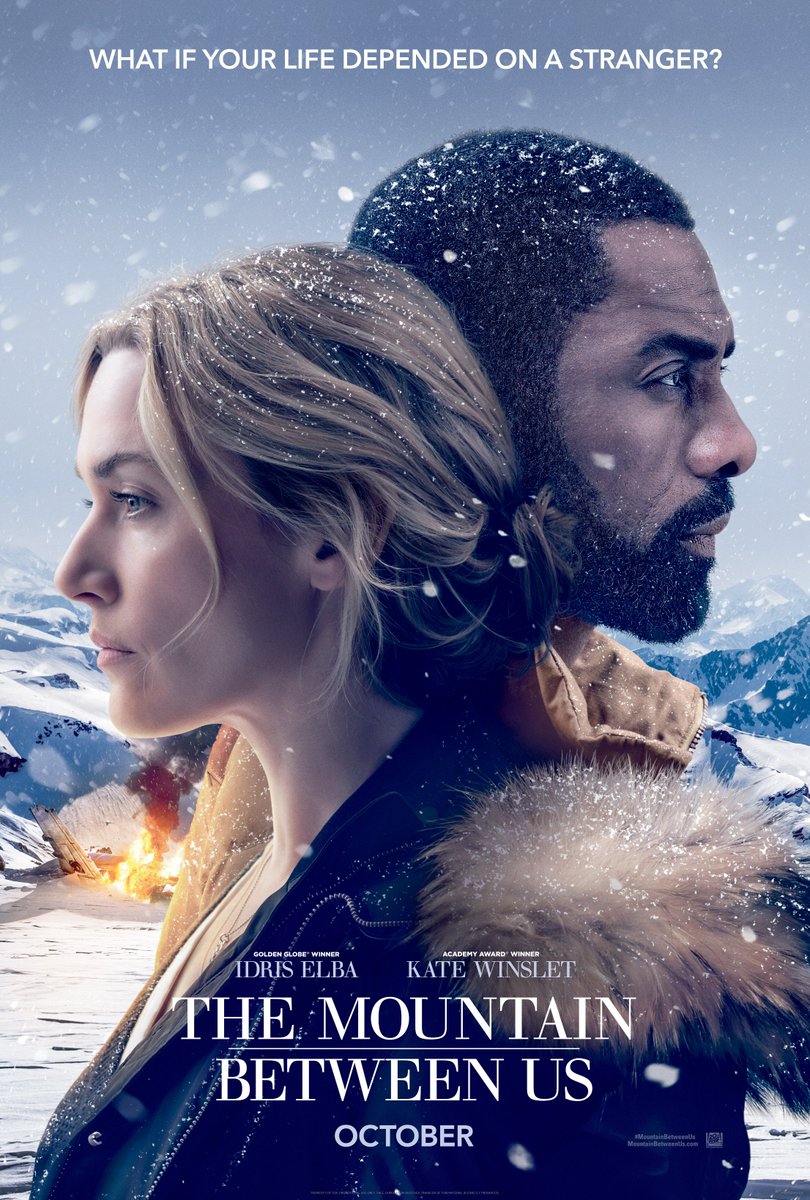
The Mountain Between Us (2017) – Film4, 6.45pm
This survival drama pairs Idris Elba and Kate Winslet as two strangers stranded in the wilderness after a plane crash. What begins as a physical fight for survival evolves into an emotional journey of connection and resilience. The film’s stunning landscapes contrast sharply with the characters’ dire situation.
The story explores themes of human connection and vulnerability. As the characters rely on each other to survive, they confront their own fears and insecurities. Their evolving relationship becomes a testament to the power of trust and companionship in overcoming adversity.
The film also examines the fragility of life and the unpredictability of nature. The vast wilderness is unforgiving. It serves as a threat. It also reminds us of humanity’s insignificance in the face of the natural world. It’s a subtle critique of human hubris and the illusion of control.
While the romance between the characters adds depth, it also raises ethical questions about emotional dependency in extreme circumstances. Are their feelings genuine, or a product of shared trauma? The film invites viewers to consider how context shapes relationships.
The Mountain Between Us is a visually stunning and emotionally resonant drama. It’s a story of physical survival. It’s also about emotional endurance. This story challenges viewers to think about the connections that sustain us in life’s most challenging moments.
and finally Streaming This Week in the UK
Netflix
- “The Night Agent” Season 2 (Available from January 23, 2025)
A gripping political thriller following FBI agent Peter Sutherland as he uncovers high-stakes conspiracies.
Sky Atlantic and NOW
- “Lockerbie: A Search for Truth” (Premiered on January 2, 2025)
This mini-series chronicles the 1988 Lockerbie bombing and one father’s pursuit of justice.
Channel 4
- “Brian and Maggie” (Coming January 2025, exact date TBC)
A dramatized account of the iconic political showdown between Margaret Thatcher and Brian Walden.
Disney+
- “Say Nothing” (Premiering January 2025)
This compelling crime drama delves into real-life political tensions and their impact.
Picture credits
Cat On A Hot Tin Roof (1958)
By Reynold Brown – Cat on a Hot Tin Roof – Extra Large Movie Poster Image. Internet Movie Poster Awards. Retrieved on 2013-02-22., Public Domain, https://commons.wikimedia.org/w/index.php?curid=24801037
Butch Cassidy And The Sundance Kid (1969)
By Tom Beauvais – Movieposter.com, Fair use, https://en.wikipedia.org/w/index.php?curid=5714787
Chopper (2000)
By https://www.imdb.com/title/tt0221073/mediaviewer/rm3142733312/, Fair use, https://en.wikipedia.org/w/index.php?curid=2311326
Deepwater Horizon (2016)
The poster art can or could be obtained from the distributor., Fair use, https://en.wikipedia.org/w/index.php?curid=49908257
Villain (1971)
Derived from a digital capture (photo/scan) of the VHS or DVD Cover (creator of this digital version is irrelevant as the copyright in all equivalent images is still held by the same party). Copyright held by the film company or the artist. Claimed as fair use regardless., Fair use, https://en.wikipedia.org/w/index.php?curid=26538848
The Revenant (2015)
By May be found at the following website: IMP Awards, Fair use, https://en.wikipedia.org/w/index.php?curid=48337450
Dark Waters (2019)
By Studio and or Graphic Artist – Can be obtained from film’s distributor., Fair use, https://en.wikipedia.org/w/index.php?curid=61813314
Blade Runner 2049 (2017)
By Warner Bros. (direct link), Fair use, https://en.wikipedia.org/w/index.php?curid=51893608
Zola (2020)
By IMP Awards, Fair use, https://en.wikipedia.org/w/index.php?curid=66086267
A Cure For Wellness (2016)
By 20th Century Fox – https://twitter.com/CureForWellness/status/788793077871685632, Fair use, https://en.wikipedia.org/w/index.php?curid=52043733
Gilda (1946)
By Robert Coburn – Scan via Heritage Auctions. Cropped from the original image., Public Domain, https://commons.wikimedia.org/w/index.php?curid=88142536
Starred Up (2013)
By Orange published, however, Film4 and Fox Searchlight are the owners – http://web.orange.co.uk/article/film/New-trailer-and-poster-for-Starred-Up-394876, Fair use, https://en.wikipedia.org/w/index.php?curid=42196201
The Road (2009)
May be found at the following website: IMP Awards, Fair use, https://en.wikipedia.org/w/index.php?curid=24227798
The Mountain Between Us (2017)
By 20th Century Fox – https://pbs.twimg.com/media/DCXQn8PWsAA6W8d.jpg, Fair use, https://en.wikipedia.org/w/index.php?curid=54196569
Programmes:
The Miniaturist
By BBC – https://www.bbc.co.uk/programmes/b09ld4xr, Fair use, https://en.wikipedia.org/w/index.php?curid=59641693
Life And Death Row
Charles I: Downfall Of A King
By Workshop of Anthony van Dyck – she-philosopher.com(original upload)Sothebys 2012 (higher resolution upload), Public Domain, https://commons.wikimedia.org/w/index.php?curid=3852590
Paul Newman At The NFT
Paul Newman: Talking Pictures
By Unknown author, dedicated to Bettmann Archive – https://www.gettyimages.com/detail/news-photo/paul-newman-publicity-still-from-1958-news-photo/517216552https://hips.hearstapps.com/hmg-prod/images/gettyimages-517216552-1569572686.jpg, Public Domain, https://commons.wikimedia.org/w/index.php?curid=48259183