Posts Tagged reviews

Culture Vulture – Week Beginning Saturday 29th March 2025

Curated by Pat Harrington | Music by Tim Bragg

Welcome to Culture Vulture, your weekly entertainment guide that steps off the beaten path. Here, we celebrate films that challenge, provoke, and offer fresh perspectives on the world we live in. From searing psychological dramas to politically charged thrillers, our picks reflect an alternative, progressive view of culture.


Highlights of the Week

  • Luzzu (2021) – A quiet, powerful reflection on dignity, economic marginalisation, and the moral compromises made under pressure.
  • Smoke Sauna Sisterhood (2023) – An intimate Estonian documentary that champions feminine solidarity and trauma healing through communal ritual.
  • The Guard (2011) – A darkly comic crime drama that satirises authority, critiques colonial hangovers, and confronts ethical decay with razor-sharp wit.

Saturday 29th March 2025

Luzzu (2021)
BBC Two, 00:55
A standout in Maltese cinema, Luzzu follows a traditional fisherman caught between heritage and survival. As his livelihood is threatened by bureaucracy and ecological decay, he’s drawn into the black market. What emerges is a quiet, powerful reflection on dignity, economic marginalisation, and the moral compromises made under pressure.

The Guard (2011) Channel 4, 02:10
John Michael McDonagh’s The Guard is an exceptional piece of cinema that masterfully blends dark comedy with sharp social critique. Released in 2011, this Irish crime drama stars Brendan Gleeson in a career-defining role as Sergeant Gerry Boyle, a maverick cop whose unconventional methods and irreverent humor both confound and delight. The film, which airs on Channel 4 this Saturday at 02:10, is an unmissable gem that showcases McDonagh’s ability to confront complex issues through biting wit and compelling storytelling.

The plot revolves around Boyle’s involvement in a drug trafficking investigation, a case that pairs him with an uptight FBI agent played by Don Cheadle. This unlikely duo forms the backbone of the narrative, offering a fascinating exploration of cultural miscommunication and contrasting moral codes. Boyle’s unfiltered remarks and disregard for political correctness reveal a character whose flaws are as pronounced as his surprising integrity. This interplay drives much of the film’s humor and poignancy, elevating it beyond a standard crime drama.

Through Boyle’s interactions with authority figures, McDonagh critiques the lingering effects of colonialism on Irish society and the ethical decay present in global institutions. Corruption, racism, and exploitation are deftly exposed, making The Guard not just a crime story but a scathing indictment of systemic injustices. Gleeson’s performance captures these nuances, presenting a character who is both a product of his environment and a critique of it.

The film’s humor is one of its most defining features. Gleeson’s dry wit and impeccable timing imbue the narrative with moments of levity that contrast sharply with its darker themes. The writing is razor-sharp, ensuring that every laugh serves a purpose in exposing deeper truths about human nature and societal failings. This balance between comedy and critique is a testament to McDonagh’s skill as a filmmaker.

The rugged beauty of the Irish landscape serves as a backdrop for the gritty realities of the story, creating a striking contrast that underscores the film’s themes. Cinematographer Larry Smith captures both the starkness and the vibrancy of the setting, adding depth to the narrative and enhancing the film’s mood.

The Guard is a brilliant fusion of humour, drama, and social commentary. It challenges viewers to confront uncomfortable truths while providing entertainment through its clever dialogue and engaging performances. If you haven’t seen it yet, make time to catch this remarkable film—it’s a thought-provoking journey.

Sunday 30th March 2025

Company BBC4 8pm

Stephen Sondheim’s Company is a groundbreaking musical that explores themes of relationships, marriage, and self-discovery. The story follows Robert, a single man living in New York City, as he celebrates his 35th birthday surrounded by his married friends. Through a series of vignettes, Robert interacts with these couples and reflects on the complexities of love, commitment, and bachelorhood.

The musical is notable for its lack of a linear plot, instead presenting snapshots of Robert’s life and his encounters with his friends and girlfriends. These moments delve into the joys and challenges of marriage, the fear of loneliness, and the search for meaning in human connections. Songs like “Being Alive” and “The Ladies Who Lunch” highlight the emotional depth and wit of Sondheim’s lyrics, making Company a timeless exploration of vulnerability and relationships.

This particular production, staged at the Donmar Warehouse and directed by Sam Mendes, brought a fresh and bold interpretation to the musical. Mendes updated the material for a 1990s audience, infusing the show with a contemporary edge while preserving its core themes. The production was critically acclaimed, earning recognition for Mendes’ direction and Adrian Lester’s compelling portrayal of Robert.

Filmed live by the BBC in 1996, this version of Company captures the intimacy and intensity of the Donmar Warehouse’s unique setting. The small, 250-seat theatre allowed for an up-close and personal experience, enhancing the emotional resonance of the performances. This filmed production remains a landmark in musical theatre, showcasing the brilliance of Sondheim’s work and Mendes’ visionary direction.

Adding to the experience, the evening’s programming is preceded at 8:30 PM by Adrian Lester discussing his love for this production and his connection to the role of Robert. Lester’s insights into the character, the musical, and the Donmar staging bring an enriching perspective to this landmark work.

Ultimately, Company, especially in this Donmar Warehouse production, stands as a thought-provoking and humorous look at the pros and cons of marriage, offering insights into the human condition through its clever dialogue and memorable music. Don’t miss the chance to immerse yourself in this remarkable theatrical experience and Adrian Lester’s reflections beforehand—it’s an unmissable journey into Sondheim’s genius and Mendes’ artistry.

Children of Men (2006) BBC One, 22:30
Alfonso Cuarón’s dystopian vision remains hauntingly relevant. Set in a future where humanity faces extinction due to infertility, the film interrogates themes of immigration, authoritarianism, and resistance. Through immersive camerawork and an emotionally resonant narrative, Children of Men becomes a rallying cry for hope and human dignity amidst despair.

The Road (2009) Great! Movies, 01:25
Based on Cormac McCarthy’s novel, this bleak yet tender survival story follows a father and son navigating a post-apocalyptic wasteland. The film explores moral resilience, love, and the instinct to protect amidst collapse. Stark visuals and sparse dialogue amplify its emotional weight, offering a meditation on endurance and ethical boundaries.

Monday 31st March 2025

Disclosure: One More Fix BBC1 9pm

An examination of Scotland’s first monitored drug consumption room. Good or bad? Chris Clements speaks to those on all sides of the argument.

Funny Pages (2022) Film 4, 23:40

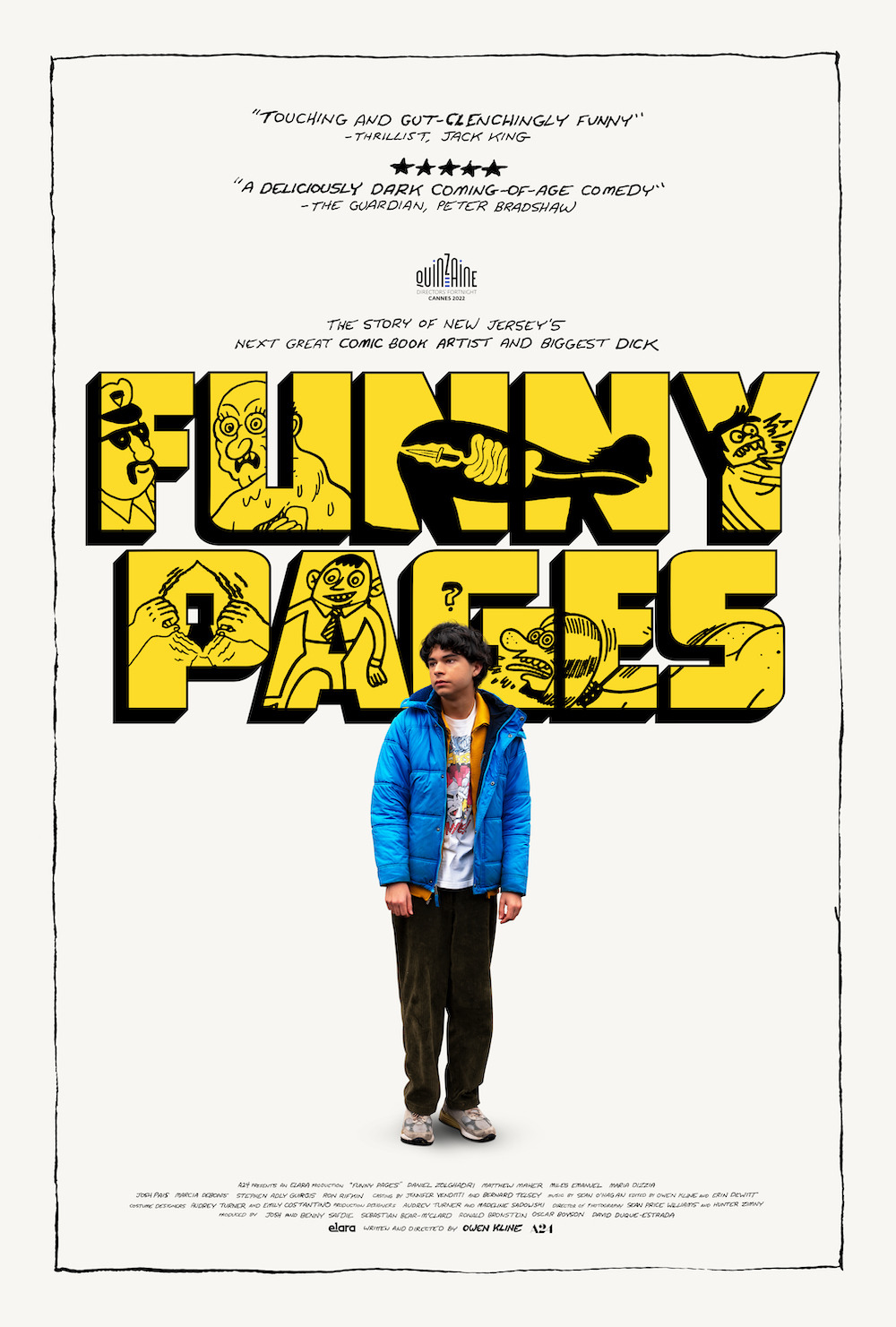
Funny Pages, the 2022 coming-of-age drama, delves into the chaotic world of a teenage cartoonist striving to rebel against societal norms. Written and directed by Owen Kline, this sharp and sardonic film offers a raw and unvarnished look at the complexities of youth, creativity, and the pursuit of artistic identity. Set against the backdrop of a grim suburban America, the film airs on Film 4 this Saturday at 23:40 and is a must-watch for anyone fascinated by offbeat storytelling

Funny Pages is a character-driven narrative that examines the obsessive drive of its protagonist, Robert, as he navigates the messy journey of self-discovery. Robert’s passion for cartooning propels him into a world far removed from comfort and convention, where he seeks mentorship in the most unlikely of places. Through his experiences, the film explores the sacrifices and disillusionments often tied to creative ambition, presenting a raw and unfiltered portrayal of what it means to follow one’s passion.

A striking aspect of the film is its commentary on class alienation. As Robert ventures into less privileged social strata in pursuit of authenticity, the stark realities of economic disparity become a defining feature of his journey. The grim suburban setting enhances this theme, serving as both a physical and metaphorical representation of the barriers that separate artistic dreams from harsh reality. This examination of class adds depth to the narrative, grounding its eccentricity in a stark social context.

Mentorship, another central theme, is portrayed in a manner that subverts expectations. Robert’s interactions with his unconventional mentor blur the lines between guidance and exploitation, illustrating the complexities of learning and growth. The relationship serves as a microcosm for the struggles young artists face when seeking validation and direction, encapsulating the tension between inspiration and disillusionment.

The film’s lo-fi aesthetic is a key element of its authenticity. Eschewing polish for a raw, handmade quality, the visual style reflects Robert’s own chaotic and unrefined journey. This deliberate choice aligns with the narrative’s thematic focus, reinforcing the idea that creativity often emerges from imperfection and disorder. It’s a visual representation of the film’s central message: that artistry is born not from order, but from the messiness of life.

Humor plays a vital role in Funny Pages, albeit with a deadpan delivery that borders on discomfort. The film’s dark comedic tone underscores the absurdity of its characters’ situations, offering both levity and critique. This balance of humor and pathos is one of its defining strengths, drawing viewers into its world while prompting deeper reflection on its underlying themes.

Funny Pages is a uniquely chaotic yet deeply resonant exploration of artistic passion, class, and individuality. It captures the tumultuous reality of youth with unflinching honesty and a sharp comedic edge, making it a standout entry in the coming-of-age genre. Don’t miss the chance to experience this raw and thought-provoking tale—it’s a journey into creativity and chaos.

Undergods (2020) Film 4, 01:25
A surreal anthology of dystopian tales, Undergods explores fractured societies and moral rot through interlinked stories. Bleak yet stylish, it comments on alienation, inequality, and the cyclical nature of decline. It’s a nightmarish reflection of late-stage capitalism, rendered with dark wit and visual flair.

Tuesday 1st April 2025

Two Way Stretch (1960) Film 4, 11:00
This British caper film offers a light-hearted contrast in our line-up, with prisoners planning a heist while technically still incarcerated. Beneath the laughs lies a gentle critique of authority and a clever subversion of penal tropes. A cultural time capsule with charm and cheek.

Moon (2009) Film 4, 21:00
Duncan Jones’ philosophical sci-fi drama examines isolation and identity aboard a lunar mining station. Sam Rockwell’s dual performance interrogates corporate exploitation and personal autonomy, revealing a layered narrative about what it means to be human. Moon is both cerebral and emotionally grounded.

Wednesday 2nd April 2025

Drive (2011) Great! Movies, 21:00
Nicolas Winding Refn’s stylish neo-noir fuses existential cool with bursts of brutal violence. Ryan Gosling’s unnamed driver navigates a criminal underworld defined by loyalty, silence, and sudden rupture. The film’s moody aesthetic and synth-heavy soundtrack underscore themes of masculinity, control, and moral ambiguity.

Dreamland (2019) Channel 4, 01:00
Set during the Great Depression, this dusty fugitive romance interrogates the American Dream through a poetic lens. With its evocative visuals and meditative pace, Dreamland reveals the desperation underlying idealism, and how hope can be both a sanctuary and a snare.

Thursday 3rd April 2025

Science Fiction In The Atomic Age (one of four) 8pm Sky Arts

The first episode of Science Fiction in the Atomic Age on Sky Arts is a captivating dive into how science fiction mirrored humanity’s hopes and fears during the atomic era. It spans literature, film, and television, celebrating legendary creators like H.G. Wells, Ursula Le Guin, and Arthur C. Clarke.

The episode features a stunning range of classics, from 2001: A Space Odyssey to Doctor Who and The Quatermass Experiment. It also explores the influence of blockbusters like Star Wars and The Matrix, illustrating how the genre evolved alongside societal shifts.

With its stirring score and insightful commentary, the series is a vibrant tribute to the power of science fiction to critique the present and imagine the future.

The Man Who Fell To Earth (1976) 9pm Sky Arts

Nicolas Roeg’s The Man Who Fell to Earth (1976) is a visually stunning and thought-provoking sci-fi drama that explores themes of alienation, greed, and the human condition. David Bowie delivers a mesmerizing performance as Thomas Jerome Newton, an extraterrestrial who arrives on Earth seeking water for his drought-stricken planet, only to be ensnared by human vices and corporate exploitation.

The film’s surreal imagery and haunting score create an otherworldly atmosphere, while its narrative challenges viewers to reflect on humanity’s flaws and the cost of progress. A cult classic, this film remains a landmark in science fiction cinema and a testament to Roeg’s visionary storytelling.

Bowie: The Man Who Changed The World 11.40pm Sky Arts

Bowie: The Man Who Changed the World is a documentary that honors David Bowie’s extraordinary life and his influence on music, fashion, and culture. Through interviews with those who knew him and archival footage, it explores his artistic evolution, from Ziggy Stardust to his later years as an icon.

While the absence of Bowie’s music may surprise some viewers, the film offers an engaging glimpse into the man behind the legend and his transformative impact on the arts. It’s a compelling watch for fans and anyone intrigued by his legacy.

Dark River (2017) Film 4, 00:25
Clio Barnard’s rural drama tackles generational trauma, memory, and female resilience. Returning home after her father’s death, a woman confronts buried abuse and contested inheritance. Stark Yorkshire landscapes frame a powerful story about silence, survival, and reclaiming one’s past.

Smoke Sauna Sisterhood (2023) Film 4, 02:10

Smoke Sauna Sisterhood, a 2023 Estonian documentary, offers a profoundly intimate exploration of vulnerability, resilience, and connection among women. Directed by Anna Hints, this powerful film is set within the sacred confines of a traditional Estonian smoke sauna, where women gather to share deeply personal stories of pain, shame, and healing. The documentary airs on Film 4 this Thursday at 02:10 and promises to be an unforgettable experience of raw honesty and transformative solidarity.

The central setting of the smoke sauna is more than a backdrop; it serves as a sanctuary where women can strip away the layers of societal judgment and embrace their truth. Within its walls, rituals unfold that are both cleansing and cathartic, allowing the participants to confront trauma and release the burdens they carry. The sauna becomes a safe space, a microcosm of female camaraderie and shared strength, symbolizing the collective healing that emerges from mutual understanding and support.

A recurring theme in Smoke Sauna Sisterhood is the reclamation of power through vulnerability. As each woman bares her soul, the act of sharing becomes a quiet revolution against the stigma surrounding pain and shame. The film underscores the idea that strength lies not in suppressing emotions but in embracing and expressing them. This radical honesty fosters an environment where the women’s voices are heard, their experiences validated, and their resilience celebrated.

Class and cultural dynamics also emerge subtly within the narrative. The smoke sauna—a practice rooted in Estonian tradition—offers a lens through which to examine the intersection of heritage and modernity. While the setting emphasizes community and ancestral wisdom, the stories told within it often highlight the struggles faced by women in a world shaped by structural inequalities. This juxtaposition enriches the film’s exploration of identity, connecting the deeply personal to the broadly political.

Visually, the film is as evocative as its narrative. Hints’ direction captures the textures of the sauna, the gentle interplay of light and shadow, and the raw emotions etched on the women’s faces. The intimate cinematography immerses viewers in the space, allowing them to feel the warmth of the sauna and the intensity of the shared moments. Every frame serves to enhance the documentary’s authenticity and emotional impact.

Through its quiet yet profound storytelling, Smoke Sauna Sisterhood celebrates the power of collective healing and female solidarity. It is a testament to the resilience found in shared experiences and the strength that arises from vulnerability. This documentary is not just a film—it is an invitation to reflect on the universal truths of pain, healing, and connection.

Friday 4th April 2025

Ain’t Them Bodies Saints (2013) Great! Action, 22:25
A lyrical crime romance echoing Badlands, this film paints an aching portrait of love, loyalty, and longing in the aftermath of violence. Rooney Mara and Casey Affleck deliver restrained, heartfelt performances in a tale steeped in mood, moral conflict, and Southern Gothic tradition.

Withnail and I (1987) Film 4, 01:50

Withnail and I (1987) stands as one of British cinema’s most beloved cult classics, offering a heady mix of humor and melancholy in its portrayal of two unemployed actors struggling to find their place in the world. Directed by Bruce Robinson, the film is a poignant exploration of friendship, excess, and existential despair, set in the turbulent backdrop of Thatcher’s Britain. Airing on Film 4 this Friday at 01:50, Withnail and I continues to resonate as a cultural touchstone for its sharp critique and timeless relatability.

The story follows Withnail, a flamboyant and self-destructive actor played with magnetic brilliance by Richard E. Grant, and his quieter, introspective companion (Paul McGann), referred to only as “I.” Together, they embark on a disastrous countryside retreat in search of solace and escape from their bleak London existence. What ensues is a deeply comic yet tragic journey that captures the absurdity of privilege, the decline of youthful idealism, and the failure to find meaning in a changing world.

A key theme in Withnail and I is its biting satire of privilege and entitlement. While the characters face personal struggles, their escapades reveal an obliviousness to the hardships endured by others. Withnail’s behavior, particularly his interactions with locals, underscores the social divide prevalent in the era, offering a microcosm of wider societal tensions. Through humor and absurdity, Robinson critiques the excesses and indulgences of the privileged class, contrasting their plight with the broader realities of Thatcherite policies.

The film also serves as an elegy for lost youth, with its characters embodying the fading dreams and disillusionment of a generation grappling with economic uncertainty. The retreat to the countryside, which initially promises renewal, becomes a metaphor for the futility of escapism. The story’s bittersweet conclusion leaves viewers reflecting on the impermanence of youthful ambition and the inevitability of change.

Withnail and I captures the cultural and political climate of Thatcher’s Britain with remarkable nuance. The austerity, social inequities, and growing sense of alienation are subtly interwoven into the narrative, providing a backdrop for the characters’ personal struggles. While the film never overtly preaches, its setting serves as a powerful commentary on the broader societal shifts and anxieties of the time.

Another notable aspect of the film is its exploration of friendship and human connection. Withnail’s chaotic energy contrasts starkly with “I’s” quiet sensitivity, creating a dynamic that is both dysfunctional and deeply affecting. Their relationship highlights the complexities of companionship, particularly the sacrifices and dependencies that come with it. As their bond is tested, the film becomes a meditation on loyalty and the bittersweet nature of human relationships.

Visually, the film is steeped in a rich, atmospheric aesthetic that accentuates its themes. From the squalor of their London flat to the eerie beauty of the countryside, cinematographer Peter Hannan captures the juxtaposition between grim reality and fleeting hope. The striking imagery serves to heighten the film’s emotional resonance and underscores its sense of decay.

Withnail and I is a masterpiece that transcends its tragicomic surface to offer profound reflections on privilege, decline, and the search for meaning. Its razor-sharp dialogue, unforgettable performances, and poignant themes ensure its place as one of the greats of British cinema. If you haven’t experienced this gem, make time for it this Friday—it’s a journey into humor, heartbreak, and social critique that leaves an indelible impression.

And finally, streaming

The Donmar Warehouse’s production of Macbeth, available on Marquee TV from Tuesday, April 1, 2025, is a bold and electrifying interpretation of Shakespeare’s timeless tragedy. Directed by Max Webster, this staging features David Tennant as Macbeth and Cush Jumbo as Lady Macbeth, delivering performances that are both intense and deeply nuanced.

Filmed live at the Donmar Warehouse, the production captures the unsettling intimacy and brutal action that define the play. Tennant’s portrayal of Macbeth is hypnotic, blending ambition and paranoia, while Jumbo’s Lady Macbeth is compellingly ruthless yet hauntingly vulnerable. The innovative sound design and stark visual elements immerse viewers in the fevered minds of the characters, blurring the lines between reality and hallucination.

This adaptation is a thrilling exploration of ambition, power, and madness, making it a must-watch for fans of Shakespeare and contemporary theatre alike.

Season three of Love on the Spectrum, available on Netflix from Wednesday, April 2, 2025, continues to celebrate the journeys of individuals on the autism spectrum as they navigate the complexities of dating and relationships. This heartfelt docuseries offers a mix of new faces and returning favorites, showcasing their unique experiences and perspectives.

The show remains a powerful exploration of love, breaking stereotypes and fostering understanding. With its blend of humor, emotion, and authenticity, season three promises to be as engaging and inspiring as its predecessors


For extended reviews, visit the Counter Culture website.

Picture credits

Luzzu (2021)
By -jkb- – Own work, CC BY-SA 3.0, https://commons.wikimedia.org/w/index.php?curid=10684187
Smoke Sauna Sisterhood (2023)
By https://hiiumaa.ee/event/kultuurinadalavahetus-savvusanna-sosarad-2/, Fair use, https://en.wikipedia.org/w/index.php?curid=74650682
The Guard (2011)
By The poster art can or could be obtained from Element Pictures., Fair use, https://en.wikipedia.org/w/index.php?curid=32348267
Company (1996 Donmar Warehouse production)
Original Broadway Playbill – By It is believed that the cover art can or could be obtained from the publisher., Fair use, https://en.wikipedia.org/w/index.php?curid=8146470
Children of Men (2006)
By May be found at the following website: IMP Awards, Fair use, https://en.wikipedia.org/w/index.php?curid=24105930
The Road (2009)
By May be found at the following website: IMP Awards, Fair use, https://en.wikipedia.org/w/index.php?curid=24227798
Funny Pages (2022)
By http://www.impawards.com/2022/posters/funny_pages_xlg.jpg, Fair use, https://en.wikipedia.org/w/index.php?curid=71349562
Two Way Stretch (1960)
By British Lion Films – https://alchetron.com/Two-Way-Stretch, Fair use, https://en.wikipedia.org/w/index.php?curid=64079430
Moon (2009)
By http://www.impawards.com/2009/moon_ver2.html, Fair use, https://en.wikipedia.org/w/index.php?curid=20348255
Drive (2011)
By The poster art can or could be obtained from IMP Awards., Fair use, https://en.wikipedia.org/w/index.php?curid=32645711
Dreamland (2019)
By https://twitter.com/IndieWire/status/1324414929613500416?s=20, Fair use, https://en.wikipedia.org/w/index.php?curid=65768083
The Man Who Fell to Earth (1976)
By http://www.movieposterdb.com/poster/7cb9cac9, Fair use, https://en.wikipedia.org/w/index.php?curid=11988138
Ain’t Them Bodies Saints (2013)
By http://www.ifcfilms.com/films/aintthembodiessaints, Fair use, https://en.wikipedia.org/w/index.php?curid=39419362
Withnail and I (1987)
By Art by Ralph Steadman screenonline entry for the film, Fair use, https://en.wikipedia.org/w/index.php?curid=15999449

Leave a Comment

The Last Showgirl: A Powerful Film on Ageing and Resilience By Patrick Harrington

The neon-lit stages of Las Vegas shine brightly. They contrast with the dim corridors of fading dreams. The Last Showgirl takes viewers on a deeply affecting journey. It delves into the lives of those who once dazzled in the spotlight.

A Story of Reinvention in a Precarious Industry

At its heart, The Last Showgirl is a film about transition—both personal and cultural. Shelly has spent decades in the spotlight. She suddenly faces the harsh reality of an industry that discards women once they are no longer deemed marketable. But the film also highlights the broader financial precarity of those working in entertainment. As Le Razzle Dazzle closes, Shelly and her colleagues are left without pensions, savings, or even medical insurance. This serves as a stark reminder of how vulnerable performers can be when their careers are upended.

This sense of insecurity extends beyond the stage. One of Shelly’s closest friends is Annette, who is played by Jamie Lee Curtis. She works as a cocktail waitress and finds herself in an equally precarious situation. Struggling with gambling debts, she ultimately resorts to sleeping in her car. This subplot is devastating. It underscores how quickly fortunes can turn in an industry that offers glamour but little long-term stability. Coppola’s direction ensures that these economic concerns are integral to the story. They are not just background noise. These elements make The Last Showgirl feel both personal and politically charged.

Pamela Anderson’s Career-Defining Performance

Anderson’s portrayal of Shelly is nothing short of revelatory. She is long known for her work in Baywatch and as a Hollywood sex symbol. She channels her own experiences with objectification into a performance brimming with vulnerability. The performance also exudes strength and emotional depth. Anderson herself has commented, “I poured my heart and soul into this role. Shelly’s journey is so deeply personal to me.”

Echoes of Sunset Boulevard

Coppola’s film draws clear comparisons to Billy Wilder’s Sunset Boulevard (1950). It is another story about a woman past her prime. She struggles to stay relevant in an industry that has moved on. Like Norma Desmond, Shelly Gardner has built her life around performance. When that world vanishes, she is left grappling with an identity crisis. Yet, where Sunset Boulevard delves into psychological horror and self-delusion, The Last Showgirl takes a more grounded, empathetic approach. Shelly is not a relic clinging to faded glory. She is a survivor. She is painfully aware of the changing landscape. She is determined to find a way ahead. The contrast between Desmond’s tragic retreat into fantasy and Shelly’s determined path is fascinating. Shelly’s path is uncertain, but it leads toward reinvention.

Thematic Depth: Ageism, Economic Precarity, and the Male Gaze

Beyond its intimate character study, The Last Showgirl raises broader social and political questions. The film starkly portrays ageism in entertainment. It highlights how women are often discarded. In contrast, male performers continue to be celebrated well into old age. Shelly struggles to find new opportunities. This reflects the economic precarity of performers. Their careers are at the mercy of industry trends.

Moreover, The Last Showgirl critiques the male gaze and the commodification of women’s bodies. Shelly built her career on beauty, movement, and allure. Now, she faces an existential question. Who is she beyond her stage persona? This theme affects her personal life too. She tries to mend her fractured relationship with her estranged daughter (Billie Lourd). This subplot adds emotional weight to the narrative.

Gia Coppola’s Directorial Style

Gia Coppola’s direction is both intimate and expansive. Her previous works, like Palo Alto (2013), showcased her ability to delve deep into character psychology. She can keep a broader social commentary as well. In The Last Showgirl, Coppola uses a visual style to show Shelly’s internal struggle. She creates stark contrasts between the glitzy past and the uncertain present.

Contemporary Issues in the Entertainment Industry

The Last Showgirl resonates with today’s entertainment industry’s ongoing struggles. The film’s portrayal of economic insecurity and ageism reflects actual conversations about fair wages. It highlights discussions around career longevity and the treatment of aging performers. The industry’s shift towards digital and commercialized content also finds echoes in Coppola’s depiction of a changing Las Vegas.

Conclusion

Despite a mixed critical reception, The Last Showgirl succeeds in delivering a deeply affecting portrait of resilience and self-redefinition. The film’s depiction of financial insecurity elevates it beyond a simple character study. The portrayal of the struggles of aging performers makes it a relevant social critique. Pamela Anderson’s performance is the heart of the film. She offers a raw and introspective take on a woman grappling with change. Thematically rich and visually evocative, The Last Showgirl is rich in themes and colours. It is a must-watch for those who appreciate films that challenge industry norms.

By Pat Harrington

Picture credit

By Roadside Attractions – IMP Awards, Fair use, https://en.wikipedia.org/w/index.php?curid=78436833

Leave a Comment

Culture Vulture 1st to the 7th of March 2025

Welcome to Culture Vulture, your go-to weekly guide for an alternative take on entertainment. This carefully curated selection is brought to you by Pat Harrington. Music by the talented Tim Bragg accompanies the . writing. This week’s highlights are thought-provoking and diverse. They feature a compelling mix of historical drama, Shakespearean intensity, and investigative documentary.

First, we have Suffragette (2015). It is a powerful historical drama. It focuses on the working-class women who played a pivotal role in the fight for the right to vote. Carey Mulligan stars as Maud. She is an ordinary woman whose journey of radicalization reflects the courage of countless suffragettes. These brave women risked everything in the struggle for equality. With its unflinching portrayal of the movement’s violent tactics, Suffragette highlights activism’s personal cost. It is both an emotional and inspiring watch. Viewers are asked to consider the sacrifices behind societal progress.

Next, delve into the gripping modern adaptation of Shakespeare’s Coriolanus (2011). Ralph Fiennes directs and stars in this tense political thriller. The film transports the Bard’s tale of war and betrayal to a contemporary setting. Fiennes portrays a proud and unyielding general. His tragic downfall stems from an inability to connect with the people he serves. Urban warfare forms the backdrop of this adaptation. It resonates powerfully with present-day themes of populism. It also highlights the dangers of unchecked authority.

Finally, there’s The Undercover Police Scandal: Love and Lies Exposed. This investigative documentary series exposes the shocking emotional toll and ethical dilemmas of undercover policing tactics. The first episode highlights the harrowing stories of individuals deceived by covert operatives. It focuses on the profound impact of these betrayals on their personal lives. It’s a deeply unsettling yet essential exploration of authority and trust, revealing a hidden world that demands public scrutiny.

If you’re in the mood for historic justice, you’ll find it. Prefer Shakespearean drama? There is something for you too. This week’s Culture Vulture even features a hard-hitting exposé. It offers something for everyone. Be sure to check out these standout picks that challenge and captivate in equal measure!

Saturday 1st of March 2025

Elkie Brooks At The BBC (BBC1, 8.30pm)

A retrospective of one of Britain’s greatest yet often overlooked vocalists. This documentary features performances spanning decades. It highlights how Elkie Brooks evolved from a rock and blues singer to a powerhouse of jazz and pop. Despite her undeniable talent, she never quite received the industry recognition afforded to male contemporaries.

Brooks’ career is a story of perseverance. She has faced a music business that has often been unkind to women. This is especially true for those who age out of its commercial spotlight. Her voice has remained timeless. It is rich with the experience of someone who has lived through the highs and lows of the industry.

This collection of BBC performances is a reminder of an artist whose music endures, even as the industry moves on. It’s also a reflection. The British music scene often fails to properly honour its homegrown talent. This recognition typically comes much later in the artists’ lives. I recently had the pleasure of listening to Elkie on BBC Radio 2’s Piano Room. Her voice is as powerful as ever.

Elkie: Sight And Sound In Concert (BBC1, 9.35pm)

This special captures Brooks at her prime, performing some of her most iconic songs in a live setting. Unlike today’s auto-tuned, overproduced performances, this concert is a testament to the power of raw vocal ability and genuine musicianship.

Brooks’ performance style is intense yet effortless, displaying her ability to move between genres while keeping her signature emotional depth. Songs of love, heartbreak, and personal struggle take centre stage, performed with an authenticity rarely seen in modern pop music.

For long-time fans, this is a nostalgic gem. For newcomers, it’s an introduction to an artist whose voice deserves to be remembered alongside the greats.

Elkie Brooks In Concert 1987 (BBC1, 10.35pm)

A live performance from the late ’80s, this concert showcases Brooks at a transitional moment in her career. By this point, she had cemented her reputation as one of Britain’s finest vocalists, yet mainstream success remained frustratingly elusive.

Performing with a full band, Brooks blends jazz, rock, and blues influences effortlessly. The show highlights her vocal prowess. It also emphasizes her commanding stage presence. This aspect has often been overlooked in discussions about British music legends.

A reminder of an artist. Despite not always getting the attention she deserved, she remained a singular talent. She consistently delivered emotionally charged and musically sophisticated performances.

Prey (2022) (C4, 9.20pm)

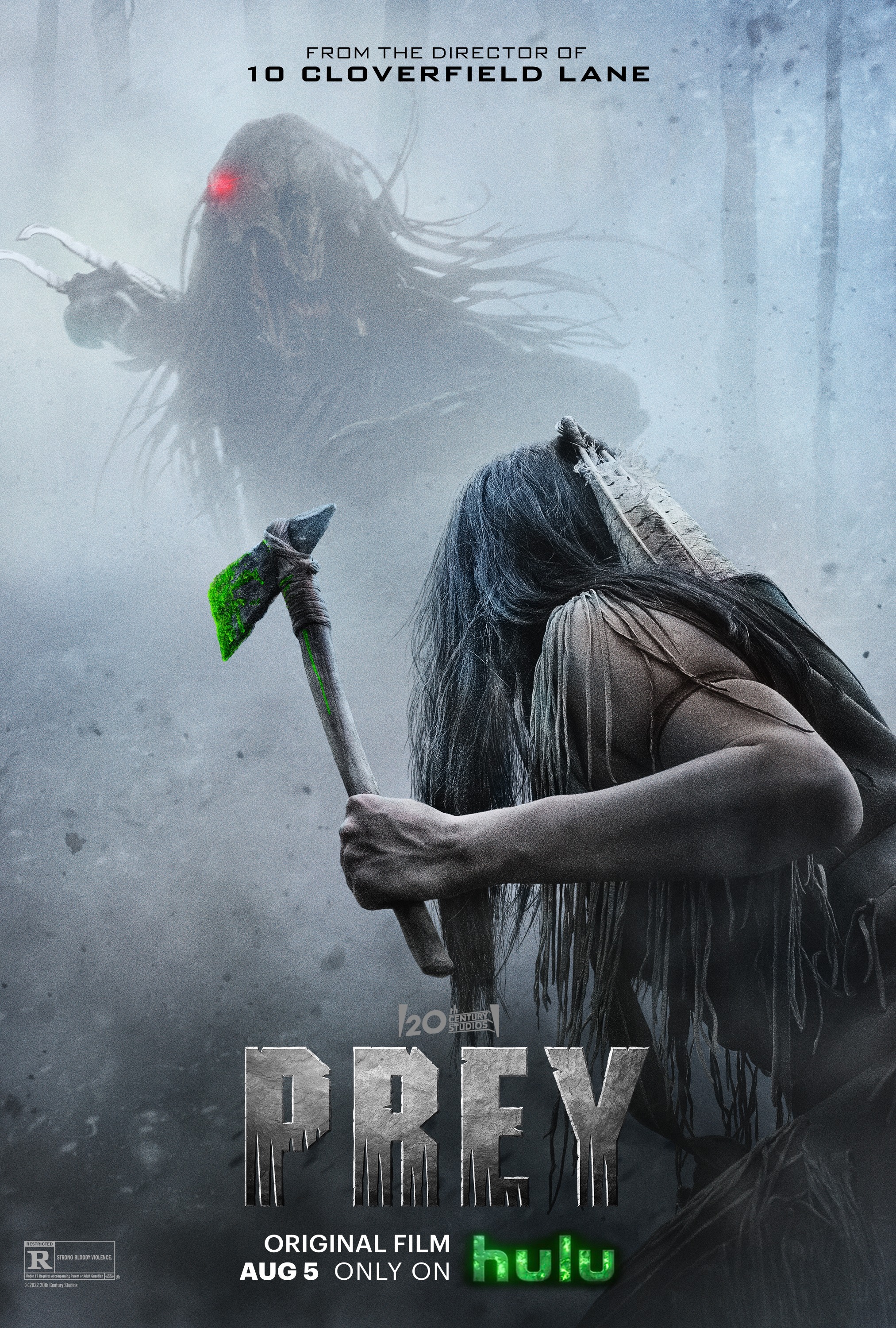
Prey strips back the Predator franchise to its primal roots. It replaces the typical military hero with Naru, a young Comanche woman. She must outthink and outlast the alien hunter. This change in perspective reinvigorates the series, shifting the narrative from brute strength to strategy, patience, and adaptability.

The film’s themes extend beyond the survival thriller. Prey is a metaphor for colonial arrogance. It mirrors the way European invaders dismissed Indigenous knowledge and underestimated those they sought to conquer. The Predator, like those colonisers, assumes itself superior, but Naru’s understanding of her environment becomes her greatest weapon.

The decision to release the film with a Comanche-language dub is significant. It marks one of the first major Hollywood films to treat Indigenous representation with genuine care. This is rather than mere tokenism. Prey is not just a great action film. It’s an important step ahead in how stories about the past are told. It also impacts how stories about the future are narrated.

Sicario (2015) (BBC1, 12.30am)

A brutal and unflinching look at the US-Mexico drug war. Sicario follows an idealistic FBI agent. She is thrust into a world where morality is blurred beyond recognition. She soon realises that the war on drugs isn’t about stopping crime—it’s about managing and maintaining power.

The film’s suffocating cinematography and tense, minimalist storytelling expose the reality of militarised policing. The supposed “good guys” are indistinguishable from the criminals they claim to fight. The US government is not an arbiter of justice. Instead, it is a manipulative force. It is willing to use any means necessary to maintain dominance.

Benicio del Toro’s enigmatic character, Alejandro, embodies this moral decay—a man so consumed by revenge that justice becomes irrelevant. Sicario forces viewers to confront the uncomfortable truth that institutions thrive on conflict rather than resolution.


Sunday 2nd of March 2025

Suffragette (2015) (Film4, 6.50pm)

Unlike many historical films, Suffragette does not focus on the famous leaders of the movement. It focuses on the working-class women who carried the fight. Carey Mulligan’s Maud is an ordinary woman. Her gradual radicalisation mirrors the real experiences of countless suffragettes. They risked everything for a future they might not live to see.

The film doesn’t shy away from the movement’s violent tactics. Bombings, arson, and hunger strikes are shown as acts of desperation. These acts were against a system that refused to listen. Today’s history books celebrate the suffrage movement. However, Suffragette reminds us that these women were criminalised, brutalised, and dismissed as terrorists in their own time.

With strong performances and a deeply emotional core, the film is compelling. It forces us to ask: how much of today’s progress was truly “granted” by the establishment? How much was taken by force?

Mark Kermode’s Oscar Winners (BBC4, 7pm)

Mark Kermode breaks down the major Oscar-winning films of the past. He examines not just their artistic merit but also the wider cultural impact. He looks at the political impact they had. A fascinating look at how Hollywood chooses which stories deserve recognition—and which ones don’t.

Nick Cave: This Much I Know To Be True (Sky Arts, 10.55pm)

is an evocative and deeply personal documentary that transcends the typical boundaries of music-focused films. It serves as a creative chronicle. It is also a raw exploration of human resilience. The film delves into themes of grief, reinvention, and the healing potential of art.

The documentary is set against the backdrop of Nick Cave’s transformative journey following the tragic loss of his son. This devastating event has profoundly shaped his music, which now carries an unparalleled depth, moving toward rawer, more spiritual expressions. The film captures this evolution. It offers an intimate glimpse into the artist’s world. He processes his pain and channels it into his creative work.

The film does not center on the mechanics of the music industry. Rather, it focuses on universal human experiences. It presents creativity as a means to cope with loss. Through candid moments, poignant performances, and reflective interviews, it paints a portrait of Cave as an artist. He navigates the intersection of sorrow and hope. He finds meaning through his art.

This Much I Know to Be True is not just a documentary. It is a testament to the power of creativity as a tool for understanding and overcoming grief. It’s a film that resonates on a deeply human level, celebrating the courage to transform tragedy into profound, transformative beauty.

Glory (1989) (Film4, 11.45pm)

This is a historical war film. It tells the true story of the 54th Massachusetts Infantry Regiment. It was one of the first Black regiments in the American Civil War. Despite fighting for the North, these men are still treated as second-class citizens, their sacrifices often unrecognised.

Denzel Washington’s Oscar-winning performance is a highlight. He portrays a soldier who understands that the fight for equality will not be over, even in victory. The film’s final battle sequence is devastating. This is not just because of the brutality of war. It is also tragically ironic. The men leading the charge may never see the justice they fought for.

Glory is not just a war film. It is a statement on who gets to be remembered in history. It is also about who is erased. It remains as relevant now as ever.


Monday 3rd of March 2025

The Last Duel (2021) (Film4, 9pm)

Ridley Scott’s The Last Duel explores power, truth, and gender in a way that feels disturbingly relevant today. The story is set in medieval France. It tells the tale of Marguerite de Carrouges. She accuses a powerful man of rape. This leads to the last legally sanctioned duel in history.

The film is structured in three parts, showing the same events from different perspectives. The first two—told from the viewpoints of the men—distort reality to fit their egos. Only Marguerite’s account, painful and brutally honest, rings true. This storytelling choice exposes how history has always been shaped by those in power.

The final duel is visually spectacular, but the film’s real power lies in its aftermath. Marguerite’s survival does not bring her justice—just a different struggle. A sharp indictment of how women’s voices have been silenced for centuries.

Israel And The Palestinians (two of three) (BBC2, 9pm)

The second episode of Israel and the Palestinians continues its in-depth exploration. It examines one of the most enduring and complex conflicts in modern history. This installment delves into the intricate web of diplomacy, failed peace talks, and the human cost of the ongoing crisis. The documentary takes a meticulous approach. It examines pivotal moments in the conflict. It offers insights from key political figures, diplomats, and those directly affected. The narrative is both sobering and enlightening. It sheds light on the challenges of achieving peace in a region fraught with historical grievances and geopolitical tensions.

What sets this episode apart is its balanced presentation of perspectives. The filmmakers have gone to great lengths to include voices from all sides, creating a nuanced portrayal of the conflict. The episode highlights the complexities of negotiation through interviews with Israeli and Palestinian leaders. It also features conversations with international mediators. The deep-seated mistrust often derails progress. Archival footage provides emotional weight. Personal testimonies remind viewers of the human lives at the heart of the political struggle.

This episode serves as a reminder of the fragility of peace. It highlights the resilience of those who continue to hope for a resolution. It does not shy away from the harsh realities of the conflict. It also underscores the potential for understanding and reconciliation. Israel and the Palestinians offers a compelling viewing experience. It presents the historical aspects of the issue. It also shows the contemporary dimensions. It is thought-provoking and encourages reflection on the broader implications of the crisis.

Oscars Highlights (ITV1, 10.45pm)

A glittering showcase of Hollywood’s finest combines the glamour of the red carpet with profound reflections. It provokes thought on the industry’s influence on global storytelling. The ceremony dazzles with wealth and celebration. However, it also prompts important questions about representation. We must consider which voices are heard and which are excluded from the narratives we celebrate.

This year’s Oscars showcase a diverse array of films, each contributing unique perspectives to the cinematic landscape. Emilia Pérez leads with an impressive 13 nominations. These include Best Picture and a historic Best Actress nod for Karla Sofía Gascón. The thought-provoking The Brutalist and the vibrant Wicked are other notable contenders. Each has 10 nominations. Compelling entries like Anora and A Complete Unknown also stand out. These films highlight the expanding diversity in storytelling. They also underline the ongoing challenges in creating an equitable platform for all voices.

As the awards are handed out, Oscars Highlights encourages viewers to think critically about Hollywood’s role in shaping cultural narratives. The night celebrates artistic achievements. It also reflects the inequalities within the industry. This challenges audiences to consider how we define and reward greatness in storytelling. Beyond the glitz and glamour, the show reflects broader struggles. It mirrors the quest for authenticity in global cinema.

The Death Of Stalin (2017) (BBC1, 11.55pm)

Armando Iannucci’s The Death of Stalin is a masterful political satire that walks the fine line between absurdity and horror. The film is set in the chaotic days following the sudden demise of Joseph Stalin in 1953. It turns a brutal period of history into dark comedy. The movie exposes the paranoia, incompetence, and opportunism of authoritarian rule. The characters scramble over each other in their frantic bids for power. Yet, the film never lets the audience forget the deadly stakes. Decisions made in smoky rooms determine who lives and who disappears forever.

What makes The Death of Stalin so compelling is its ability to highlight the sheer absurdity of totalitarianism. Every scene is infused with an unsettling mix of humour and menace. Stalin’s ministers awkwardly step over his body, terrified to be the first to acknowledge he is dead. There are also desperate attempts to rewrite history even as it unfolds. Power in such regimes is not about ideology or governance but about survival. Figures like Steve Buscemi’s Nikita Khrushchev are caught in a loop of constant betrayal. Simon Russell Beale’s monstrous Lavrentiy Beria also engages in these treacherous acts. They know that any misstep could lead to execution.

Beneath the sharp dialogue and comedic timing, the film carries a serious message. Authoritarianism doesn’t just rely on violence. It thrives on fear, loyalty tests, and the erasure of truth. The film’s final moments show Khrushchev consolidating power in an eerily similar manner to his predecessor. This makes it clear that tyranny isn’t about individuals. It is about systems that allow such rule to continue. The Death of Stalin is not just a historical farce. It chillingly reminds us of how power operates. History repeats itself when those in control focus on self-preservation more than justice.

Tuesday 4th of March 2025

Seeking Satoshi: The Mystery Bitcoin Creator (one of two) (C4, 10pm)

Bitcoin has long been hailed as a financial revolution, but its origins remain shrouded in secrecy. This documentary attempts to uncover the true identity of Satoshi Nakamoto, the pseudonymous figure credited with inventing Bitcoin.

The first episode of Seeking Satoshi: The Mystery Bitcoin Creator (C4, 10pm) embarks on a fascinating journey. It investigates the enigmatic origins of Bitcoin, the revolutionary cryptocurrency. Bitcoin has transformed the financial world. Journalist Gabriel Gatehouse leads this documentary. It explores the mystery surrounding Satoshi Nakamoto. He is the pseudonymous figure credited with creating Bitcoin. The episode uses investigative reporting and compelling storytelling. It explores the cultural and economic impact of Bitcoin. It also questions the true identity of its elusive creator.

The episode takes viewers to a mega Bitcoin gathering in Miami. It reveals the cryptocurrency’s political ambitions. It also uncovers its ideological underpinnings. It raises thought-provoking questions about the promises of decentralization and financial freedom. These are juxtaposed with the realities of inequality and unaccountability that have emerged in the crypto world. The documentary skillfully balances technical insights with human stories, making it accessible to both crypto enthusiasts and newcomers alike.

What makes this episode particularly engaging is its ability to weave together the technical, cultural, and philosophical dimensions of Bitcoin. It challenges viewers to ask an important question. Does Bitcoin remain a radical alternative to traditional financial systems? Or has it been co-opted by the very institutions it sought to disrupt? Seeking Satoshi possesses investigative depth. Its captivating narrative sets the stage for a gripping exploration of one of the most intriguing mysteries in modern technology.

Coriolanus (2011) (BBC2, 11.05pm)

This modern reimagining of Shakespeare’s Coriolanus transforms the classic tale of war and political betrayal into a contemporary thriller. Ralph Fiennes directs and stars as the titular general. He is revered for his military prowess. Yet, he is despised for his inability to connect with the people.

The film’s urban warfare setting, complete with news broadcasts and riot police, makes it feel eerily relevant. It explores the dangers of unchecked power. It examines the manipulation of populism. It shows how the public’s favour can shift with alarming speed. Coriolanus is a man who sees himself above the masses. His downfall comes not from his enemies but from his failure to understand the people he claims to protect.

The film forces us to think on modern politics. Leaders who refuse to engage with ordinary citizens often find themselves cast out. This is not because they are unworthy. It is because the system demands a balance of power and perception. A striking and intense adaptation that proves Shakespeare’s themes stay timeless.

No Other Land (2024) (C4, 11.15pm)

This powerful documentary captures the reality of Palestinian displacement from the perspective of those experiencing it firsthand. Mainstream Western coverage often dilutes the urgency of the situation. No Other Land refuses to sanitize the brutal destruction of homes. It highlights the forced removal of entire communities.

Filmed by Palestinians on the ground, the documentary doesn’t just present statistics. It shows the human impact of occupation. It highlights the loss of cultural heritage. It demonstrates the resilience of people who refuse to be erased. The film raises pressing questions about international complicity and why certain narratives are amplified while others are suppressed.

For those who rely on corporate media for news, No Other Land provides an essential viewpoint. It offers an unfiltered perspective on one of the most pressing humanitarian crises of our time.


Wednesday 5th of March 2025

Nightmare Alley (2021) (Film4, 9pm)

Guillermo del Toro’s Nightmare Alley is a slow-burning, psychological noir that explores the thin line between ambition and self-destruction. The story follows Stanton Carlisle (Bradley Cooper), a drifter who learns the tricks of mentalism. He manipulates his way into high society. Eventually, his own arrogance leads to his downfall.

Unlike traditional noir films, Nightmare Alley presents its protagonist as both the conman and the mark. Stanton believes he can outwit everyone. In reality, he is simply another player in a system that devours those who reach too far. His journey is a cautionary tale about power and deception. It illustrates the inevitable downfall of those who believe they can cheat fate.

The film’s haunting visuals and chilling performances make it a gripping watch. However, its deeper message is more unsettling. Society itself is built on cons. Those at the top are simply the ones who have mastered the game for longer than others.

A Cruel Love: The Ruth Ellis Story (ITV1, 9pm)

Ruth Ellis was the last woman to be hanged in Britain. Her case remains one of the most controversial in legal history. This documentary examines her trial and execution. It questions whether justice was truly served. It also questions if Ellis was a victim of a system. The legal system refused to acknowledge domestic abuse as a mitigating factor.

The film provides context on how gender, class, and outdated legal standards shaped her fate. Now, discussions on coercive control and domestic violence have evolved. In this context, Ellis’ case feels even more tragic. She was punished not just for a crime, but for daring to defy societal expectations.

By revisiting Ellis’ story, this documentary forces us to ask how much the justice system has really changed. It also questions whether the law still fails those who need it most.

Seeking Satoshi: The Mystery Bitcoin Creator (two of two) (C4, 10pm)

The second episode of Seeking Satoshi: The Mystery Bitcoin Creator (C4, 10pm) delves deeper into the enigma surrounding Bitcoin’s origins. It explores the conspiracy theories and controversies that have emerged over the years. Journalist Gabriel Gatehouse continues his investigation. He uncovers new leads and encounters warnings from veteran hackers. They suggest that the truth about Satoshi Nakamoto might be too dangerous to pursue.

This episode broadens the scope of the mystery. It examines whether Bitcoin was the work of a lone genius or a collective effort. It even entertains the possibility of government involvement. It also highlights the darker side of Bitcoin’s legacy. This includes its use in dark web markets. It also involves its role in financial speculation. These elements raise critical questions. Does Bitcoin still represent the ideals of freedom and decentralization? Or has it become another tool for exploitation and inequality?

With its mix of investigative journalism and philosophical inquiry, the episode challenges viewers. It encourages consideration of the broader implications of Bitcoin’s creation. The episode also examines its impact on the world. It’s a gripping continuation of the series. It blends intrigue with a thought-provoking exploration of the intersection between technology, power, and human ambition.


Thursday 6th of March 2025

The Wicked Lady (1945) (Talking Pictures, 10.50am)

A rebellious and provocative film for its time, The Wicked Lady tells the story of a noblewoman. She defies societal norms by leading a double life as a highway robber. Margaret Lockwood’s performance is electric, turning the character into an anti-hero who refuses to accept the constraints imposed on women.

The film explores morality. It makes audiences sympathise with a thief. The film questions who truly has the right to wealth and power. Although made in the 1940s, its themes of female independence and resistance against rigid social expectations remain strikingly relevant.

Beneath the costume drama, The Wicked Lady is a sharp critique of gender roles and the hypocrisy of aristocratic society. A daring and subversive classic.

The Undercover Police Scandal: Love And Lies Exposed (one of three) (ITV1, 9pm)

The first episode of The Undercover Police Scandal: Love and Lies Exposed (ITV1, 9pm) unveils a deeply unsettling narrative. The story is full of deception and betrayal. It focuses on the lives of individuals who were profoundly affected by covert operations. Through intimate interviews and detailed accounts, the documentary exposes the hidden practices of a secretive unit. It reveals the far-reaching consequences of their actions on personal lives. It also shows the impact on trust.

This episode highlights the intricate dynamics of power and control, as it explores how relationships were manipulated under false pretenses. The stories of those who were deceived are both harrowing and courageous. They recount their journeys of uncovering the truth. They also seek accountability. The documentary does not shy away from exposing the emotional toll. It reveals the long-lasting scars left by these actions. It offers a poignant look at the resilience of those who refused to stay silent.

The episode weaves together personal testimonies and investigative findings. It challenges viewers to think about the boundaries of authority. It also explores the ethical dilemmas that arise when those boundaries are crossed. It’s a compelling start to a series. The series promises to delve even deeper into the complexities of these hidden operations. It will also explore their impact on society.


Friday 7th of March 2025

High Noon (1952) (GREAT!action, 8pm)

On the surface, High Noon is a classic Western about a lone sheriff preparing for a gunfight. But beneath the action, it is a scathing critique of cowardice and conformity. The town’s people, rather than standing against injustice, find excuses to avoid responsibility.

Seen as an allegory for the McCarthy-era witch hunts, High Noon is not focused on heroism. Instead, it highlights the failures of those who choose silence over resistance. It remains a powerful reminder of how easily injustice flourishes when people turn a blind eye.

Event Horizon (1997) (Film4, 11.15pm)

Event Horizon, a sci-fi horror film, delves deeply into the multidimensional consequences of unchecked ambition. Socially, it examines the human drive to explore and dominate the unknown. This reflects the age-old pursuit of progress. Often, progress comes at the expense of ethics and humanity. Politically, it mirrors the Cold War-era space race. During this time, nations pushed the boundaries of space exploration in a quest for supremacy. This reflects the real-world tension and competition between superpowers.

Economically, the film hints at the massive investments required for such space missions. It also touches on the resource allocations necessary. The film questions whether the potential rewards are worth the risks. This notion is particularly resonant in today’s context of space commercialization, where private corporations race to exploit extraterrestrial resources.

Psychologically, Event Horizon explores the terror of the unknown. It delves into the profound impact of isolation and existential dread on the human psyche. The spaceship’s return is now a harbinger of horror. It symbolizes the unforeseen and often catastrophic consequences of pushing beyond human limits. These occur without considering the mental and emotional toll on those involved.

Event Horizon serves as a chilling reminder. Humanity might pay a price for its relentless quest to conquer the cosmos.


Streaming Choices

Walter Presents: The Mantis (All six episodes on Channel 4 streaming from Friday 7th of March 2025)

When a copycat killer strikes in France, police turn to the original murderer for help. A gripping crime drama that exposes corruption, power struggles, and moral compromises.

The First Emperor Of China (Available from Thursday 6th of March on History Hit)

A historical deep dive into how one man unified a nation, but at immense human cost.

The Real Ruth Ellis (Available from Wednesday 5th of March 2025 on ITVX)

A fresh look at Britain’s most infamous execution case, exploring new evidence. Worth watching alongside the new drama about her this week, A Cruel Love.

Picture credits

Elkie Brooks At The BBC
Elkie: Sight And Sound In Concert
Elkie Brooks In Concert 1987
By kitmasterbloke – https://www.flickr.com/photos/kitmasterbloke/49233655996/, CC BY 2.0, https://commons.wikimedia.org/w/index.php?curid=97277764
Prey (2022)
By http://www.impawards.com/2022/posters/prey_ver4_xxlg.jpg, Fair use, https://en.wikipedia.org/w/index.php?curid=70800783
Sicario (2015)
May be found at the following website: IMP Awards, Fair use, https://en.wikipedia.org/w/index.php?curid=46727168
Suffragette (2015)
The poster art can or could be obtained from the distributor., Fair use, https://en.wikipedia.org/w/index.php?curid=47657815
Mark Kermode’s Oscar Winners
By Julie Edwards – Own work, CC BY-SA 4.0, https://commons.wikimedia.org/w/index.php?curid=132623664
Nick Cave: This Much I Know To Be True
By Raph_PH – https://www.flickr.com/photos/raph_ph/51427635149/, CC BY 2.0, https://commons.wikimedia.org/w/index.php?curid=109766405
Glory (1989)
By TriStar Pictures – Impawards, Fair use, https://en.wikipedia.org/w/index.php?curid=13532520
The Last Duel (2021)
By http://www.impawards.com/2021/last_duel_ver6.html, Fair use, https://en.wikipedia.org/w/index.php?curid=68281500
Israel And The Palestinians (two of three)
Illustration from KollectivFutur with permission
Oscars Highlights
By Oscars: AMPAS Brand Guide, Fair use, https://en.wikipedia.org/w/index.php?curid=77913754
The Death Of Stalin (2017)
By The poster art can or could be obtained from the distributor., Fair use, https://en.wikipedia.org/w/index.php?curid=54810778
Seeking Satoshi: The Mystery Bitcoin Creator (one of two)
By Grayliptrot – This file was derived from: Bitcoin logo.svg, Public Domain, https://commons.wikimedia.org/w/index.php?curid=30202095
Coriolanus (2011)
By IMPAwards, Fair use, https://en.wikipedia.org/w/index.php?curid=26505292
No Other Land (2024)
By Berlinale, Fair use, https://en.wikipedia.org/w/index.php?curid=76180863
Nightmare Alley (2021)
By http://www.impawards.com/2021/nightmare_alley_ver2.html, Fair use, https://en.wikipedia.org/w/index.php?curid=68734063
A Cruel Love: The Ruth Ellis Story
Fair use, https://en.wikipedia.org/w/index.php?curid=29759349
The Wicked Lady (1945)
High Noon (1952)
By “Copyright 1952 – United Artists Corporation.” – Scan via Heritage Auctions., Public Domain, https://commons.wikimedia.org/w/index.php?curid=85708724
Event Horizon (1997)
By Paramount Pictures – impawards, Fair use, https://en.wikipedia.org/w/index.php?curid=10657985

Leave a Comment

Culture Vulture 18th to the 24th of January 2025

This week celebrates the enduring legacy of Paul Newman with a spotlight on his life, career, and iconic films. Paul Newman At The NFT (Thursday, BBC4, 9.45pm) delves into his remarkable journey as an actor and activist, followed by Paul Newman: Talking Pictures (BBC4, 12.15am), a retrospective featuring rare interviews and insights into his work. Two of Newman’s iconic films also grace the schedule: the sultry and tension-filled Cat On A Hot Tin Roof (Saturday, BBC2, 1pm), where he stars alongside Elizabeth Taylor, and the legendary Western Butch Cassidy And The Sundance Kid (Saturday, BBC2, 2.40pm), showcasing his charismatic chemistry with Robert Redford.

Corporate disasters take centre stage in Deepwater Horizon (Sunday, Legend, 9pm), a searing critique of greed and environmental neglect, and Dark Waters (Monday, BBC2, 11.05pm), a gripping legal drama that exposes the devastating consequences of industrial corruption. This week’s programming offers a perfect blend of cinematic classics and socially conscious storytelling.

Selections and writing are by Pat Harrington and music is from Tim Bragg.

Saturday 18th January 2025

Cat On A Hot Tin Roof (1958) – BBC2, 1pm

This adaptation of Tennessee Williams’ play is a compelling exploration of family dysfunction and societal expectations. Set in the sultry South, it captures the oppressive atmosphere of wealth and tradition. The Pollitt family’s veneer of respectability cracks under the weight of greed and lies, exposing deep fractures in their relationships. Themes of inheritance and legacy underscore the toxic grip of patriarchal structures.

Paul Newman’s portrayal of Brick Pollitt, a former athlete struggling with grief and alcoholism, is layered with vulnerability. His relationship with Elizabeth Taylor’s Maggie reveals a marriage strained by unspoken truths. Maggie’s yearning for connection contrasts with Brick’s emotional detachment, a reflection of the rigid gender roles that trap both characters. The film critiques the societal expectations placed on women to maintain appearances and secure family futures.

The theme of repression looms large, particularly in Brick’s unresolved feelings toward his late friend, Skipper. The subtle hints at his inner turmoil show mid-20th-century attitudes toward homosexuality. They force viewers to confront the emotional cost of societal stigma. It’s a nuanced critique of how societal norms suffocate individual authenticity.

The Southern Gothic aesthetic heightens the sense of decay and moral rot beneath the family’s wealth. The sprawling mansion becomes a metaphor for the suffocating expectations and secrets that imprison the characters. The film’s dialogue crackles with tension, creating an atmosphere of unease that mirrors the characters’ internal struggles.

Cat on a Hot Tin Roof presents a powerful commentary on the human need for connection. It also explores the cost of denying one’s truth. It’s a deeply personal story set against a broader critique of social structures. This makes it as relevant today as it was in the 1950s.


Butch Cassidy And The Sundance Kid (1969) – BBC2, 2.40pm

This classic Western redefines the genre, blending charm, humour, and tragedy. Paul Newman and Robert Redford’s chemistry as the titular outlaws is magnetic. Their dynamic balances light-hearted banter with poignant depth. The film’s depiction of camaraderie and loyalty offers a bittersweet look at friendship in a rapidly changing world.

Set at the turn of the 20th century, the story reflects the end of the Wild West. It also shows the encroachment of modernity. The outlaws’ struggle to adapt to a world of increasing industrialisation highlights their challenges. This serves as a metaphor for the loss of individual freedom. Their flight from relentless lawmen symbolises the relentless march of progress and the erasure of old ways of life.

The film critiques capitalism subtly but effectively. The forces pursuing Butch and Sundance represent corporate greed and consolidation of power. Their defiance becomes a statement against the homogenisation of society, a theme that resonates with audiences in any era.

The story’s light-hearted tone belies its tragic undercurrent. The famous final scene is a poignant commentary. It shows the futility of resisting change as the pair charge into a barrage of bullets. It’s a moment that lingers, reminding viewers of the cost of freedom and the inevitability of time.

Through its witty script, stunning cinematography, and unforgettable performances, Butch Cassidy and the Sundance Kid transcends the Western genre. It’s a meditation on friendship, change, and the human spirit’s resilience. The film offers layers of meaning for both casual viewers and deeper thinkers.


The Miniaturist (Episode 1 of 3) – U&Drama, 11.05pm

Set in 17th-century Amsterdam, this adaptation of Jessie Burton’s novel immerses viewers in a world of intrigue and repression. The story follows Nella, a young bride navigating the oppressive household of her new husband, Johannes. The mysterious gift of a dollhouse arrives. Lifelike miniatures appear within it. These elements set the stage for a haunting tale.

The series examines the power dynamics of a patriarchal society. Nella’s struggle to assert her identity in a world dominated by male authority highlights the systemic oppression of women. Her husband’s aloofness and her sister-in-law’s cold control create a claustrophobic atmosphere, mirroring the rigid social hierarchies of the time.

Religion and morality play central roles, with Amsterdam’s strict Calvinist society shaping every character’s choices. The miniaturist’s uncanny ability to predict future events raises questions about predestination versus free will. This tension reflects broader philosophical debates about agency and control.

Visually, the series is stunning, with its rich period detail and shadowy lighting evoking the tension beneath the surface. The dollhouse becomes a symbol of surveillance and manipulation, drawing parallels to modern concerns about privacy and autonomy. The eerie atmosphere builds a sense of foreboding, pulling viewers deeper into the mystery.

The first episode establishes a gripping narrative, balancing personal drama with larger societal themes. The Miniaturist invites viewers to question the roles we play in life and the unseen forces that shape our destinies. It’s a thought-provoking start to a visually arresting series.


Chopper (2000) – Film4, 11.45pm

This gritty biopic chronicles the life of Mark “Chopper” Read, a notorious Australian criminal. Eric Bana’s transformative performance captures the contradictions of a man who is both violent and charismatic. The film walks a fine line between humour and horror, creating a portrait of a deeply flawed individual.

Chopper’s actions raise ethical questions about violence and morality. The film doesn’t glorify his crimes but rather examines the circumstances that shaped him. It critiques the media’s role in turning criminals into celebrities, exposing society’s fascination with antiheroes.

The film’s dark humour adds a satirical edge, highlighting the absurdity of Chopper’s self-aggrandisement. His unreliable narration forces viewers to question the nature of truth and memory. It’s a clever commentary on the construction of identity and the stories we tell about ourselves.

Director Andrew Dominik uses stark visuals to depict the harsh realities of prison and criminal life. The grim settings contrast with Chopper’s larger-than-life personality, underscoring the disconnect between his self-image and the world around him. The film’s pacing mirrors the unpredictability of its protagonist.

Ultimately, Chopper is a compelling exploration of violence, identity, and the media’s power to shape perception. It’s a disturbing yet fascinating character study that lingers long after the credits roll.


Sunday 19th January 2025

Deepwater Horizon (2016) – Legend, 9pm

This gripping disaster film brings the catastrophic events of the Deepwater Horizon oil spill to vivid life. Mark Wahlberg leads a stellar cast in portraying the human cost of corporate negligence. The film’s meticulous attention to technical details immerses viewers in the harrowing events aboard the oil rig. It highlights the bravery of those involved.

The narrative exposes the ethical failings of BP and the prioritisation of profit over safety. Corporate decision-makers exhibit greed and hubris. This behavior serves as a chilling reminder of the systemic disregard for human lives in pursuit of wealth. It’s a scathing critique of capitalist excess.

Environmental themes are central to the story, as the disaster devastated marine ecosystems and local livelihoods. The film doesn’t shy away from showing the broader consequences of human exploitation of natural resources. It’s an urgent call for accountability and sustainable practices.

The human element remains at the heart of the film, focusing on the workers who risk their lives daily. Their courage and resilience contrast starkly with the callousness of corporate executives. This duality underscores the film’s critique of power imbalances within industrial hierarchies.

Deepwater Horizon is more than a disaster film. It’s a poignant reflection on corporate responsibility. It highlights environmental stewardship and the value of human life. It challenges viewers to consider the true cost of convenience and consumption.


Villain (1971) – Talking Pictures, 9.55am

Richard Burton delivers a chilling performance in this gritty British crime drama. As Vic Dakin, a ruthless East End gangster, Burton exudes a menacing charisma that dominates every scene. The film offers a bleak portrayal of London’s criminal underworld, unflinchingly exposing its violence and corruption.

Set against the backdrop of post-war Britain, the film reflects the socio-economic conditions that bred such criminal figures. Poverty and disenfranchisement underpin the narrative, offering a commentary on the systemic failings that allow crime to thrive. Dakin’s character is both a product and a critique of these circumstances.

The film delves into the psychological complexities of its protagonist, exploring themes of power, loyalty, and repression. Dakin’s controlling nature and latent vulnerabilities reveal a man torn between his public persona and private insecurities. His relationships, particularly with his mother and gang members, expose the fragile humanity beneath his brutality.

The cinematography captures the grim realities of 1970s London. Its shadowy streets and dilapidated buildings reflect the moral decay of the world Dakin inhabits. The film’s unsentimental tone ensures that it doesn’t romanticise crime, instead offering a stark portrayal of its consequences.

Villain stands out as a deeply atmospheric and thought-provoking crime drama. It raises questions about power, morality, and the forces that shape our lives. This makes it a compelling watch for fans of hard-edged storytelling.


Monday 20th January 2025

The Revenant (2015) – Film4, 9pm

Alejandro González Iñárritu’s epic survival drama is as visually stunning as it is thematically rich. Leonardo DiCaprio’s portrayal of Hugh Glass, a fur trapper seeking revenge in the 1820s wilderness, is both visceral and haunting. The film’s brutal depiction of nature and human endurance leaves a lasting impact.

The story critiques colonial exploitation, as the fur trade devastates ecosystems and indigenous communities. The film’s portrayal of Native American characters is significant. It highlights the Arikara and Pawnee tribes. The portrayal offers a glimpse into their struggles against encroaching settlers. Themes of cultural displacement and resistance permeate the narrative.

Glass’s journey is both physical and spiritual, exploring themes of survival, vengeance, and forgiveness. The harsh wilderness becomes a character in itself, reflecting the primal forces that drive humanity. The film questions whether revenge truly provides closure or perpetuates cycles of violence.

Emmanuel Lubezki’s cinematography is a masterpiece, capturing the awe-inspiring beauty and brutality of the natural world. The use of natural light enhances the realism, immersing viewers in Glass’s harrowing journey. The attention to detail and authenticity is remarkable.

The Revenant is a profound meditation on resilience, humanity’s relationship with nature, and the cost of revenge. It’s an unforgettable cinematic experience that combines raw emotion with intellectual depth.


Dark Waters (2019) – BBC2, 11.05pm

This legal thriller, based on true events, is a searing indictment of corporate malfeasance. Mark Ruffalo plays the role of Rob Bilott. He is a lawyer who challenges the chemical giant DuPont. He does so after uncovering decades of environmental contamination. The film’s slow-burn narrative builds a sense of outrage and urgency.

At its core, Dark Waters is a story of perseverance and moral courage. Bilott’s transformation from corporate lawyer to whistleblower reflects the ethical dilemmas faced by individuals working within corrupt systems. His sacrifices, both personal and professional, highlight the toll of standing up against powerful entities.

The environmental themes are devastatingly relevant. The film exposes the widespread impact of PFAS chemicals, colloquially known as “forever chemicals,” on human health and ecosystems. It’s a sobering reminder of the hidden dangers lurking in everyday life.

Director Todd Haynes uses a muted colour palette and claustrophobic framing to create an oppressive atmosphere. This visual style mirrors the weight of the subject matter, immersing viewers in the gravity of the story. The film’s deliberate pacing underscores the painstaking nature of Bilott’s fight for justice.

Dark Waters is a powerful exploration of accountability, resilience, and the need for systemic change. It’s a must-watch for anyone interested in environmental justice and the fight against corporate greed.


Tuesday 21st January 2025

Life And Death Row – BBC3, 9pm

This hard-hitting documentary series provides an unflinching look at capital punishment in the United States. By focusing on individual stories, it brings the human cost of the death penalty into stark relief. The series challenges viewers to confront their own beliefs about justice and retribution.

Each episode presents the perspectives of inmates, victims’ families, and legal professionals, creating a multifaceted narrative. The moral and ethical complexities of state-sanctioned death are clear. This raises questions about fairness and bias, and considers the possibility of redemption. The programme highlights the disproportionate impact on marginalised communities, exposing systemic inequalities.

The emotional weight of the series is undeniable, as it delves into the last days of those on death row. It examines how individuals face their mortality and the psychological toll of living under such conditions. It also gives voice to victims’ families, exploring the varied ways they seek closure.

Visually, the series employs stark cinematography to underscore the gravity of its subject. The prison environment, with its cold and clinical appearance, contrasts sharply with the raw humanity of the individuals featured. This juxtaposition reinforces the tension between institutional systems and personal stories.

Life And Death Row is more than just a documentary. It deeply explores the value of life. It also examines the ethics of justice. It offers no easy answers, leaving viewers to grapple with their own positions on one of society’s most divisive issues.


Charles I: Downfall Of A King – BBC4, 9pm

This historical documentary brings the tumultuous final years of Charles I’s reign to life. Experts analyze and reconstruct dramatic scenarios. It explores the events leading to the English Civil War. The documentary also examines the king’s eventual execution. The programme offers a nuanced portrayal of a nation in crisis.

The political themes are central, as it delves into the clash between monarchy and Parliament. Charles’s belief in divine right is juxtaposed with the growing demand for democratic representation. The programme critiques the dangers of unchecked power, making it strikingly relevant to modern political discourse.

Ethically, the documentary questions the morality of rebellion and regicide. Was Parliament justified in its actions, or did the ends fail to justify the means? The programme’s balanced approach allows viewers to consider both sides, fostering a deeper understanding of this pivotal moment in history.

The social impact of the Civil War is also explored, highlighting how ordinary people were affected by the conflict. The programme examines the shifting religious and cultural landscape, as Puritanism gained influence and old traditions were challenged. These changes reshaped the nation, with echoes still felt today.

Charles I: Downfall Of A King is an engaging exploration of power and leadership. It delves into the consequences of political division. It invites viewers to reflect on the lessons of history and their relevance in the modern world.


Blade Runner 2049 (2017) – BBC1, 11.10pm

Denis Villeneuve’s sequel to Ridley Scott’s 1982 classic expands on its dystopian world with breathtaking visuals and philosophical depth. Ryan Gosling stars as K, a replicant tasked with uncovering a mystery that questions the nature of humanity and memory. The film’s slow, deliberate pace allows its themes to resonate powerfully.

Central to the narrative is the question of identity. What does it mean to be human? The replicants, artificial beings with memories and emotions, blur the line between organic life and artificial intelligence. The film critiques the ethical implications of creating sentient beings for exploitation.

The film also explores environmental decay, as the Earth’s desolate landscapes reflect the consequences of human hubris. This bleak vision of the future serves as a warning about unsustainable practices and the loss of natural beauty. It’s a haunting portrayal of a world shaped by corporate greed and technological overreach.

The role of women in the narrative raises ethical and social questions. Female characters, both human and artificial, are often treated as commodities, reflecting real-world issues of objectification. However, they also exhibit agency and complexity, challenging traditional gender roles in the genre.

Blade Runner 2049 is a masterpiece of science fiction, blending existential themes with stunning visuals and a powerful score. It’s a film that demands to be experienced and discussed, offering layers of meaning for those willing to engage deeply.


Zola (2020) – Film4, 1.20am

This darkly comedic drama, inspired by a viral Twitter thread, is a chaotic exploration of trust, manipulation, and survival. The story follows Zola, a Detroit waitress. She is drawn into a dangerous world of sex work and exploitation. This happens because of a charismatic new friend. It’s a raw and unfiltered glimpse into the realities of modern hustling.

At its core, Zola critiques the commodification of bodies and the blurred lines between empowerment and exploitation. The film doesn’t judge its characters but instead offers an empathetic portrayal of their struggles. It challenges societal perceptions of sex work, forcing viewers to confront their own biases.

The film’s use of social media aesthetics, such as on-screen notifications and rapid editing, shows how fragmented modern life is. It also highlights the performative nature of our times. This innovative storytelling technique highlights the influence of digital culture on personal identity and relationships.

Race and class dynamics are central to the narrative. Zola, as a Black woman, navigates a world rife with systemic inequities. Her interactions with Stefani, a white woman, underscore the uneven playing field. Stefani benefits from privilege despite her recklessness.

Zola is both entertaining and deeply thought-provoking, blending humour with harrowing moments to create a unique cinematic experience. It’s a bold commentary on power, identity, and the modern hustle, capturing the zeitgeist with sharp wit and style.


Wednesday 22nd January 2025

A Cure For Wellness (2016) – Film4, 12.55am

This psychological horror-thriller, directed by Gore Verbinski, is a chilling exploration of ambition, control, and the pursuit of perfection. The film is set in an isolated spa in the Swiss Alps. It follows a young executive, Lockhart. He investigates the mysterious disappearance of his company’s CEO. What begins as a professional task spirals into a nightmarish journey.

The film critiques the obsession with wellness and the commodification of health. The spa’s luxurious façade masks sinister practices, reflecting how societies often prioritise appearance and status over genuine well-being. It’s a pointed commentary on the extremes people go to for the illusion of eternal youth.

Power dynamics and exploitation emerge as central themes. The spa’s residents, wealthy and privileged, are trapped in a cycle of dependency. The narrative mirrors real-world ethical dilemmas in healthcare, where the vulnerable are often exploited by those in power. The film asks difficult questions about consent and autonomy.

Visually, the film is stunning, with its Gothic architecture and sterile environments creating a sense of unease. The cinematography blends beauty and horror, immersing viewers in Lockhart’s increasingly distorted reality. The water motif symbolises both purification and entrapment, adding depth to the film’s themes.

A Cure for Wellness is a haunting tale that lingers in the mind long after the credits roll. It’s a thought-provoking exploration of human fragility, societal pressures, and the dark side of perfectionism. While unsettling, it offers a powerful critique of modern obsessions.


Gilda (1946) – Talking Pictures, 1.10am

This classic film noir is a dazzling blend of glamour, intrigue, and psychological complexity. Rita Hayworth delivers an unforgettable performance as the enigmatic Gilda, whose beauty and charisma captivate everyone around her. Set in post-war Buenos Aires, the film explores power, desire, and betrayal.

At its heart, Gilda critiques the objectification of women and the consequences of projecting fantasies onto them. Gilda’s character, both empowered and constrained by her sexuality, embodies the contradictions faced by women navigating male-dominated spaces. The film challenges traditional gender roles, making it a subversive entry in the noir genre.

The love triangle between Gilda, her husband Ballin Mundson, and his associate Johnny Farrell is fraught with tension. Beneath the surface, the film hints at repressed desires and complex interpersonal dynamics. These layers add depth to the story, elevating it beyond a straightforward tale of jealousy.

The post-war setting reflects broader societal anxieties, with themes of loyalty, betrayal, and shifting power dynamics. The nightclub, where much of the story unfolds, becomes a microcosm of the world’s moral ambiguities. It’s a place where appearances deceive and alliances are ever-changing.

With its iconic musical numbers and striking cinematography, Gilda remains a timeless exploration of identity, power, and vulnerability. It’s a must-watch for fans of classic cinema and anyone interested in the intersection of style and substance.


Thursday 23rd January 2025

Paul Newman At The NFT – BBC4, 9.45pm

This documentary celebrates the life and legacy of Paul Newman, one of Hollywood’s most enduring icons. Combining archival footage and interviews, it offers an intimate look at Newman’s career, personal life, and activism. The programme captures the essence of a man who was as much admired for his character as for his talent.

The documentary explores Newman’s versatility as an actor. It highlights his smouldering performances in classics like Cat on a Hot Tin Roof. Additionally, it showcases his nuanced roles in The Verdict and Nobody’s Fool. It examines how he consistently pushed boundaries, taking on challenging roles that defied conventional expectations.

Beyond his on-screen achievements, Newman’s off-screen commitments take centre stage. His political activism, support for civil rights, and philanthropy through Newman’s Own highlight his dedication to social justice. The documentary draws attention to how he used his fame to effect positive change.

Themes of identity and authenticity are woven throughout. Newman struggled with being typecast as a heartthrob early in his career. His determination to be taken seriously as an artist reflects broader questions about societal expectations and self-definition.

Paul Newman At The NFT is a fitting tribute to a legend. It’s not just a celebration of his filmography but also a reflection on the values that guided his life. For fans and newcomers alike, it’s a poignant reminder of why Newman remains a cultural icon.


Starred Up (2013) – Film4, 10.50pm

This raw and unflinching prison drama is a searing exploration of violence, masculinity, and redemption. Jack O’Connell delivers a powerhouse performance as Eric, a young offender transferred to an adult prison. The film’s title, a term for prematurely transferring young inmates, underscores the brutal realities of the system.

The father-son relationship between Eric and his estranged father, Neville, played by Ben Mendelsohn, is central to the story. Their interactions are fraught with tension, revealing generational cycles of trauma and violence. The film critiques the failings of prison systems to rehabilitate, instead perpetuating these cycles.

The depiction of prison life is stark and uncompromising, exposing the toxic culture of hyper-masculinity. Yet, it also highlights moments of vulnerability and connection, particularly through Eric’s sessions with an unconventional therapist. These moments offer a glimpse of hope and the possibility of change.

Director David Mackenzie’s use of close, claustrophobic shots creates an immersive atmosphere. This technique traps viewers in the oppressive environment of the prison. The raw dialogue and unfiltered performances add to the film’s authenticity, making it a visceral viewing experience.

Starred Up is more than a prison drama; it’s a powerful exploration of humanity in the harshest of circumstances. It challenges viewers to consider the potential for redemption and the systemic changes needed to support it.


The Road (2009) – GREAT!movies, 11.25pm

This post-apocalyptic drama, based on Cormac McCarthy’s novel, is a haunting meditation on survival and morality. Viggo Mortensen stars as a father journeying through a bleak, desolate landscape with his young son. The film’s stark visuals and harrowing tone reflect the fragility of human existence.

The relationship between father and son is the emotional core of the story. Their bond offers a glimmer of hope amidst the despair. It illustrates the resilience of love even in the face of unimaginable hardship. The father’s sacrifices raise ethical questions about the lengths we go to protect those we love.

The film critiques humanity’s capacity for destruction. The ruined world serves as a cautionary tale about environmental collapse. It also warns of unchecked greed. It forces viewers to confront the consequences of failing to act in the face of global challenges.

Themes of morality and survival are central, as characters must navigate difficult choices in a lawless world. The film doesn’t offer easy answers. It invites viewers to grapple with what it means to keep humanity when civilisation has crumbled.

The Road is a sombre yet deeply moving experience. Its exploration of love, loss, and resilience resonates on a profound level, leaving viewers both devastated and reflective.


Friday 24th January 2025

The Mountain Between Us (2017) – Film4, 6.45pm

This survival drama pairs Idris Elba and Kate Winslet as two strangers stranded in the wilderness after a plane crash. What begins as a physical fight for survival evolves into an emotional journey of connection and resilience. The film’s stunning landscapes contrast sharply with the characters’ dire situation.

The story explores themes of human connection and vulnerability. As the characters rely on each other to survive, they confront their own fears and insecurities. Their evolving relationship becomes a testament to the power of trust and companionship in overcoming adversity.

The film also examines the fragility of life and the unpredictability of nature. The vast wilderness is unforgiving. It serves as a threat. It also reminds us of humanity’s insignificance in the face of the natural world. It’s a subtle critique of human hubris and the illusion of control.

While the romance between the characters adds depth, it also raises ethical questions about emotional dependency in extreme circumstances. Are their feelings genuine, or a product of shared trauma? The film invites viewers to consider how context shapes relationships.

The Mountain Between Us is a visually stunning and emotionally resonant drama. It’s a story of physical survival. It’s also about emotional endurance. This story challenges viewers to think about the connections that sustain us in life’s most challenging moments.

and finally Streaming This Week in the UK

Netflix

  • “The Night Agent” Season 2 (Available from January 23, 2025)
    A gripping political thriller following FBI agent Peter Sutherland as he uncovers high-stakes conspiracies.

Sky Atlantic and NOW

  • “Lockerbie: A Search for Truth” (Premiered on January 2, 2025)
    This mini-series chronicles the 1988 Lockerbie bombing and one father’s pursuit of justice.

Channel 4

  • Brian and Maggie” (Coming January 2025, exact date TBC)
    A dramatized account of the iconic political showdown between Margaret Thatcher and Brian Walden.

Disney+

  • “Say Nothing” (Premiering January 2025)
    This compelling crime drama delves into real-life political tensions and their impact.

Picture credits

Cat On A Hot Tin Roof (1958)
By Reynold Brown – Cat on a Hot Tin Roof – Extra Large Movie Poster Image. Internet Movie Poster Awards. Retrieved on 2013-02-22., Public Domain, https://commons.wikimedia.org/w/index.php?curid=24801037
Butch Cassidy And The Sundance Kid (1969)
By Tom Beauvais – Movieposter.com, Fair use, https://en.wikipedia.org/w/index.php?curid=5714787
Chopper (2000)
By https://www.imdb.com/title/tt0221073/mediaviewer/rm3142733312/, Fair use, https://en.wikipedia.org/w/index.php?curid=2311326
Deepwater Horizon (2016)
The poster art can or could be obtained from the distributor., Fair use, https://en.wikipedia.org/w/index.php?curid=49908257
Villain (1971)
Derived from a digital capture (photo/scan) of the VHS or DVD Cover (creator of this digital version is irrelevant as the copyright in all equivalent images is still held by the same party). Copyright held by the film company or the artist. Claimed as fair use regardless., Fair use, https://en.wikipedia.org/w/index.php?curid=26538848
The Revenant (2015)
By May be found at the following website: IMP Awards, Fair use, https://en.wikipedia.org/w/index.php?curid=48337450
Dark Waters (2019)
By Studio and or Graphic Artist – Can be obtained from film’s distributor., Fair use, https://en.wikipedia.org/w/index.php?curid=61813314
Blade Runner 2049 (2017)
By Warner Bros. (direct link), Fair use, https://en.wikipedia.org/w/index.php?curid=51893608
Zola (2020)
By IMP Awards, Fair use, https://en.wikipedia.org/w/index.php?curid=66086267
A Cure For Wellness (2016)
By 20th Century Fox – https://twitter.com/CureForWellness/status/788793077871685632, Fair use, https://en.wikipedia.org/w/index.php?curid=52043733
Gilda (1946)
By Robert Coburn – Scan via Heritage Auctions. Cropped from the original image., Public Domain, https://commons.wikimedia.org/w/index.php?curid=88142536
Starred Up (2013)
By Orange published, however, Film4 and Fox Searchlight are the owners – http://web.orange.co.uk/article/film/New-trailer-and-poster-for-Starred-Up-394876, Fair use, https://en.wikipedia.org/w/index.php?curid=42196201
The Road (2009)
May be found at the following website: IMP Awards, Fair use, https://en.wikipedia.org/w/index.php?curid=24227798
The Mountain Between Us (2017)
By 20th Century Fox – https://pbs.twimg.com/media/DCXQn8PWsAA6W8d.jpg, Fair use, https://en.wikipedia.org/w/index.php?curid=54196569
Programmes:
The Miniaturist
By BBC – https://www.bbc.co.uk/programmes/b09ld4xr, Fair use, https://en.wikipedia.org/w/index.php?curid=59641693
Life And Death Row
Charles I: Downfall Of A King
By Workshop of Anthony van Dyck – she-philosopher.com(original upload)Sothebys 2012 (higher resolution upload), Public Domain, https://commons.wikimedia.org/w/index.php?curid=3852590
Paul Newman At The NFT
Paul Newman: Talking Pictures
By Unknown author, dedicated to Bettmann Archive – https://www.gettyimages.com/detail/news-photo/paul-newman-publicity-still-from-1958-news-photo/517216552https://hips.hearstapps.com/hmg-prod/images/gettyimages-517216552-1569572686.jpg, Public Domain, https://commons.wikimedia.org/w/index.php?curid=48259183

Leave a Comment

Better Man: A Unique Portrayal of Robbie Williams By Patrick Harrington

650 words, 3 minutes read time.

The film Better Man offers a compelling portrayal of Robbie Williams. It presents an unconventional view and brings his story to life with an unexpected twist. Directed with flair, the movie seamlessly integrates vivid storytelling with high-energy performances. It is a must-watch for fans of both the man himself and music biopics in general.

One of the standout features of the film is its electrifying dance sequences. These scenes are executed with precision and style, capturing the exuberance and chaos of Robbie’s meteoric rise to fame. Highlights include a dazzling recreation of the ‘Let Me Entertain You’ tour. This includes flamboyant costumes and high-energy moves. There is also a raw, emotional performance of ‘Angels’ where the choreography mirrors Robbie’s inner turmoil. The film journeys from pulsating nightclub performances to intimate moments of artistic expression. The choreography acts as a vibrant thread weaving through the narrative. It echoes the highs and lows of his tumultuous journey.

Better Man delves deeply into Robbie’s personal struggles. It focuses particularly on his marriage breakdown. It also explores his complicated relationship with Liam Gallagher. The film explores Robbie’s tumultuous relationship with his wife, Nicole Appleton. It showcases the passionate beginnings of their union. The film also shows the eventual unraveling due to his battles with addiction and the pressures of fame. The heartbreak grows when she marries Liam Gallagher later. This development complicates an already fraught relationship between the two men. The film also explores Robbie’s relationship with his father. Their bond is marked by deep affection. Still, there are also moments of tension and unmet expectations. It doesn’t shy away from depicting the emotional toll of these conflicts. The film paints a raw and honest portrait of a man battling inner demons. He navigates the demands of fame and personal relationships. The dynamic between Robbie and Liam is marked by rivalry, camaraderie, and occasional bursts of humor. This adds depth to the narrative. It showcases both the fragility and resilience of their bond.

The scenes of drug use are among the most harrowing in the film. These moments are depicted with unflinching realism. They are both disturbing and profoundly sad. They offer a stark reminder of the darker side of stardom. The director’s approach makes sure that these scenes are neither gratuitous nor glamorized. Instead, they serve as a sobering counterpoint to the film’s more exuberant moments.

The most surprising element of Better Man is its bold artistic choice. It portrays Robbie as a monkey. This representation is metaphorical for his struggles with identity, fame, and self-perception. This choice resonates deeply with the central themes of the film. It symbolizes the feeling of being caged or controlled by public expectations. It also addresses the primal instincts and vulnerabilities that make us human. Robbie himself has commented on this creative decision. He explained that it captures his inner conflict. He often felt reduced to a caricature in the public eye.

The storytelling might initially make this portrayal feel jarring. Still, it is so immersive that, after a while, the audience becomes wholly engaged with the plot. They almost forget the unconventional portrayal. The monkey metaphor invites viewers to consider fame’s animalistic nature. It also explores the struggle to reconcile one’s public image with private identity. By embracing this artistic risk, the film gains depth. It provokes meaningful conversations about the pressures and expectations placed upon public figures.

Better Man is a daring and emotionally resonant film. It balances its inventive artistic choices with a heartfelt exploration of Robbie Williams’ life. You might be drawn to its captivating dance scenes. You could be intrigued by the intricate character dynamics. Or you may find yourself captivated by the powerful narrative arc. This film leaves a lasting impression. It offers both entertainment and introspection.

By Pat Harrington

Please donate £10 to our work here

Picture credit

By http://www.impawards.com/2024/better_man_xlg.html, Fair use, https://en.wikipedia.org/w/index.php?curid=78252393

Leave a Comment

Strange Days: A Dystopian Vision of Technology and Identity by Pat Harrington

805 words, 4 minutes read time.

Released in 1995 and directed by Kathryn Bigelow, Strange Days is a film that defies easy categorization. Combining elements of science fiction, neo-noir, and gritty social commentary, it explores a dystopian Los Angeles on the brink of the new millennium. Despite its star-studded cast and ambitious vision, the film remains underappreciated, perhaps because of its raw depiction of race, violence, and identity in a society pushed to the edge. Yet, this very audacity makes it a film that feels prophetic and worth revisiting in today’s rapidly evolving technological landscape.


A Visionary Premise

At the heart of Strange Days is the concept of “playback” technology: illegal recordings of people’s memories and sensations that others can experience as if they were their own. Ralph Fiennes stars as Lenny Nero, a fallen ex-cop turned black-market dealer in these sensory experiences. The technology itself is both thrilling and disturbing, offering viewers a window into the ethical dilemmas of voyeurism, consent, and the commodification of human experience. As Lenny navigates a city embroiled in racial tensions and systemic corruption, the film questions what it means to consume someone else’s memories and how this alters one’s sense of self.

The brilliance of this premise lies in how it anticipates our current relationship with technology. While Strange Days presents a physical, tactile technology, the themes resonate with today’s social media landscape, where the curated lives of others are consumed incessantly. The idea that experiencing someone else’s memories could distort our own identity feels prescient in a world where personal narratives are shaped by what we see and share online.


Identity and the Consequences of Memory Sharing

One of the film’s most fascinating explorations is the impact of memory-sharing on personal identity. For Lenny, replaying his past relationship with Faith (Juliette Lewis) becomes a form of addiction, a refusal to move forward from a romanticized, idealized past. This echoes how individuals today often use digital memories—photos, videos, and posts—to construct a narrative of who they are or wish to be, sometimes at the expense of growth or reality.

The implications of such technology are vast. If memories could be shared indiscriminately, they might blur the boundaries between individual experiences and collective consciousness. Would we lose a sense of self, or would we gain a deeper understanding of others? Strange Days doesn’t offer easy answers but invites viewers to wrestle with these questions, making it a profoundly philosophical work masked as a thriller.


Rapid Technological Change and Its Reflection

One of the film’s most striking points is its warning about the pace of technological advancement. In Lenny’s world, the playback technology has outpaced society’s ability to reflect on its moral and ethical implications. This mirrors the real-world dilemma of our time: the explosion of AI, virtual reality, and social media has brought about transformative changes, but we often adopt these technologies without fully understanding their societal impacts.

By showcasing how this unchecked advancement exacerbates existing inequalities and feeds into voyeuristic, exploitative tendencies, Strange Days becomes a cautionary tale. It asks whether humanity can handle the tools it creates or if these tools will amplify our worst impulses.


The Shocking and the Underappreciated

Strange Days does not shy away from uncomfortable truths. Some of its scenes, particularly those depicting violence and exploitation, are shocking and hard to watch. These moments are not gratuitous but serve as a critique of a society desensitized to suffering and consumed by spectacle. However, the film’s uncompromising approach might also explain its limited reception.

Could the racial themes—depicting a city on the brink of racial warfare and the assassination of a Black activist—have been too edgy for mainstream audiences in the mid-90s? Or was it the visceral violence, combined with its unflinching commentary on police corruption, that alienated viewers? Perhaps the film’s hybrid genre and ambitious scope made it difficult for marketing teams to categorize and promote effectively.

Moreover, the film’s underwhelming box office performance may have contributed to its scarcity in home media and streaming platforms, leaving it a hidden gem for cinephiles rather than a celebrated classic.


Conclusion: A Moral Ground for an Era-Defining Film

Kathryn Bigelow’s Strange Days is not just a film but a cultural artifact. Its commentary on technology, race, and human nature feels more relevant today than it did upon release. The performances, particularly Angela Bassett as the fiercely loyal Mace, elevate the film beyond its genre trappings, grounding its speculative elements in emotional reality.

Strange Days is a film that deserves greater recognition, not just for its technical achievements and performances but for its bold willingness to confront the societal undercurrents many films shy away from. It stands as a stark reminder of the responsibilities that come with technological power and the need for reflection amid rapid change—a message that resonates even more profoundly in our modern world.

If you enjoy our reviews please donate £10 to help our work

Picture credit

By May be found at the following website: http://iluvcinema.com/2011/06/tuesdays-overlooked-film-strange-days/, Fair use, https://en.wikipedia.org/w/index.php?curid=4802513

Leave a Comment

Culture Vulture 12th to the 18th of October 2024

5,124 words, 27 minutes read time.

Welcome to Culture Vulture. It is your ultimate alternative weekly entertainment guide. We bring you the best of film, music, and the arts. Our perspective is fresh. Mainstream media often overshadows unique voices and creative expressions. Culture Vulture aims to shine a light on hidden cultural gems that deserve your attention. Each week, we curate a selection of films, music, and events designed to inspire and engage. We celebrate the diverse tapestry of artistic endeavours that shape our world.

Highlights this week include:

The Fugitive (1993): A doctor is wrongfully convicted of his wife’s murder. He escapes custody and sets out to find the real killer. A relentless U.S. Marshal pursues him.

Get Out (2017): A young African-American man meets his white girlfriend’s family for the first time. He uncovers a disturbing secret. And,

The Swimmer (1968): A man decides to swim home through the pools of his suburban neighbourhood. This journey reveals the unravelling of his life along the way.

The writing and selection for Culture Vulture is by Pat Harrington ,the music is by Tim Bragg. Together, we invite you to dive into the vibrant world of culture from a different perspective. Discover new favourites. Experience the magic that awaits beyond the mainstream.

Saturday, 12th of October 2024

The Fugitive (1993) – 5Star at 6:25 PM

This film grabs you right from the start. Dr. Richard Kimble, played by Harrison Ford, is wrongfully accused of murdering his wife. The gripping premise sets up a thrilling escape as Kimble flees from the authorities. The chase scenes are intense and expertly crafted, with a relentless U.S. Marshal, played by Tommy Lee Jones, hot on his trail. The tension keeps building as you root for Kimble to prove his innocence.

As Kimble navigates his way through various obstacles, the film dives into deeper issues. It questions what justice truly means. Is it just about following the law, or should it also involve finding the truth? Kimble’s journey highlights the flaws in a system that can wrongfully accuse an innocent man. The film makes you think about how quickly someone can be labelled a criminal.

The characters are richly developed, with Ford portraying a man filled with desperation and determination. You see his struggle not just to survive, but to reclaim his life. The relationship between Kimble and the Marshal adds depth to the narrative. Both characters are driven by their own motives, and their paths intertwine in unexpected ways.

Visually, the film is impressive, with well-shot action sequences that keep you on the edge of your seat. The pacing is tight, ensuring that there are no dull moments. The score enhances the tension, making you feel every heartbeat as Kimble dodges capture.

In the end, The Fugitive is more than just a chase movie. It’s a compelling story about resilience, truth, and the quest for justice. The film remains a classic, reminding viewers of the complexities of right and wrong in a flawed world.

The Last of the Mohicans (1992) – Film4 at 9:00 PM

Set in the 18th century, The Last of the Mohicans immerses you in a world filled with conflict and beauty. The story revolves around Hawkeye, a white man raised by Native Americans, who finds himself caught between two worlds. As the film unfolds, you witness the complexities of love and loyalty in a turbulent time. The chemistry between the characters adds depth, making their struggles feel personal.

The film’s backdrop of war is vividly portrayed. The clashes between British and French forces highlight the chaos of the era. As characters navigate these conflicts, their motivations become clearer. The film shows the devastating impact of colonialism on Native American tribes. It’s a poignant reminder of the struggles faced by indigenous people during this time.

Visually, the cinematography is breath-taking. The sweeping landscapes of the American frontier enhance the story’s emotional weight. The natural beauty contrasts sharply with the violence of war, making the stakes feel even higher. The film’s score is equally powerful, echoing the emotions of the characters.

The characters are well-crafted, especially Hawkeye and his love interest, Cora. Their journey is filled with tension, as they confront both external threats and their own feelings. You can feel their connection grow amidst the chaos, making their bond all the more poignant. The supporting cast also delivers strong performances, adding layers to the story.

In the end, The Last of the Mohicans is a timeless tale of love, sacrifice, and survival. It combines action with deep emotional currents, leaving a lasting impact. The film challenges viewers to reflect on history while appreciating the beauty of human connection amidst turmoil.

Sunday, 13th of October 2024

Richard III (1955) – BBC2 at 12:15 PM

This adaptation of Shakespeare’s play brings the character of Richard to life in a captivating way. Set in a tumultuous period of English history, Richard is a complex figure. He’s both a ruthless villain and a charismatic leader. The film opens with Richard’s scheming ways, showcasing his ambition and desire for power. This portrayal draws you in, making you intrigued by his twisted motivations.

As the story unfolds, Richard’s manipulative nature becomes more apparent. He uses deceit to eliminate anyone who stands in his way. The film brilliantly highlights the consequences of unchecked ambition. You can’t help but feel a mix of fascination and horror as Richard orchestrates his rise to the throne. His actions lead to chaos, leaving a trail of destruction behind.

The cinematography captures the dark and moody atmosphere of the play. The settings are dramatic, enhancing the film’s themes of betrayal and power. The performances are exceptional, with the actor portraying Richard embodying the character’s complexities. You see his inner turmoil as he grapples with his actions and their implications.

What makes this film stand out is its exploration of morality. Richard’s choices force you to question the nature of power and its costs. Is the pursuit of ambition worth the sacrifices made along the way? The film invites you to ponder these questions, making it a thought-provoking experience.

In the end, Richard III is a powerful portrayal of ambition and the darker sides of human nature. It remains a relevant and engaging adaptation that resonates with audiences today. The film serves as a reminder of the timeless struggle for power and its consequences.

The Searchers (1956) – 5Action at 6:35 PM

The Searchers is a classic Western that tells a gripping tale of revenge and redemption. The film follows Ethan Edwards, a Civil War veteran, on a quest to rescue his kidnapped niece. Right from the beginning, you’re drawn into Ethan’s fierce determination. His journey through the American West is filled with challenges, both physical and emotional.

The film explores the deep complexities of its characters. Ethan is a complicated figure, driven by rage but also plagued by inner demons. His quest reflects the themes of loyalty and betrayal. As he encounters various characters along the way, you see the different ways people cope with loss and conflict. The film raises questions about morality, making you reflect on the nature of justice.

Visually, The Searchers is stunning. The sweeping landscapes of the West add to the film’s epic quality. The cinematography captures both the beauty and harshness of the environment, underscoring the stakes of Ethan’s journey. The score complements the visuals, enhancing the emotional weight of the story.

The relationship between Ethan and his companion, Martin, is central to the narrative. Their dynamic evolves as they face various challenges together. You can see Martin’s growth as he learns about the complexities of revenge and forgiveness. This relationship adds a layer of depth to the story, making it more than just a simple quest.

The Searchers is a profound exploration of human emotion and conflict. It’s not just a Western; it’s a study of character and morality. The film leaves you contemplating the cost of vengeance and the possibility of redemption in a tumultuous world.

Children Of The Cult ITV1 at 10.15 PM – The Rajneesh Movement

Children of the Cult airs as part of ITV’s Exposure strand. It is a powerful one-off documentary. Filmmaker Maroesja Perizonius, who was herself a child of the Rajneesh Movement, created it. This intimate and deeply personal film examines the global reach of the cult. The cult was active in over 50 countries. The film offers a rare glimpse into the experiences of those who were born and raised within its strict boundaries. It often reveals the abusive confines they endured.

Perizonius uses interviews with former members and harrowing accounts of life inside the commune. By doing this, she exposes the emotional manipulation and neglect. These were experienced by the children of Rajneeshpuram. The documentary effectively captures the seductive allure of the cult’s promises of enlightenment. It uses archival footage and personal stories. The film also reveals the devastating impact on its youngest followers.

The film excels at balancing the historical context of the Rajneesh Movement’s rise to power. It weaves in the raw, personal narratives of its survivors. It offers a sobering reflection on the darker side of spiritual movements. It also provides an emotionally charged perspective on the lasting effects on those who were raised within them.

The Wicker Man (1973) – BBC2 at 11:55 PM

The Wicker Man is a haunting tale that grips you from the first scene. A policeman, Edward Malus, visits a remote Scottish island to investigate a missing girl. What seems like a simple case soon unravels into something far more sinister. The atmosphere is eerie, filled with tension that builds throughout the film. As Malus delves deeper, you can feel the unsettling nature of the island and its inhabitants.

The film cleverly contrasts Malus’s modern beliefs with the islanders’ ancient traditions. As he uncovers their customs, you see a clash of worlds. The community’s practices raise questions about conformity and belief. The film makes you think about how far one might go to protect their way of life. Malus’s scepticism highlights the discomfort of confronting different cultures.

Visually, The Wicker Man is striking. The lush Scottish landscape contrasts with the dark events unfolding. The cinematography captures the beauty of the setting, adding to the film’s unsettling quality. The score is haunting, amplifying the tension and mystery. You can feel the weight of every scene, making the experience immersive.

As the story progresses, the tension escalates, leading to a shocking climax. The ending will leave you questioning everything you thought you knew. It’s a powerful twist that forces you to reflect on the nature of sacrifice and belief. The film challenges you to confront uncomfortable truths about society and human behavior.

The Wicker Man is a chilling exploration of faith and community. It remains a classic for its unique blend of horror and social commentary. The film lingers in your mind, a haunting reminder of the power of tradition and the complexities of belief.

Monday, 14th of October 2024

Plan B (2021) – Film4 at 11:15 PM

Plan B offers a fresh and relatable take on teenage life. The story revolves around two best friends, who find themselves in a tricky situation. When one of them faces an unexpected challenge, they embark on a wild adventure to find a solution. The film captures the essence of friendship, showcasing both the fun and the struggles that come with it.

From the outset, the characters are incredibly relatable. They navigate the ups and downs of adolescence, making you laugh and cringe at the same time. The dialogue is witty and authentic, reflecting how teenagers really talk. You can see the genuine bond between the two leads, making their journey all the more engaging. Their chemistry drives the film, adding warmth to the comedic moments.

As they go on their quest, the film cleverly touches on deeper issues. It doesn’t shy away from the challenges teens face today. Themes of acceptance, identity, and the pressures of growing up are woven into the narrative. The film manages to be both light-hearted and meaningful, making you reflect while you laugh.

Visually, Plan B is vibrant and energetic. The cinematography captures the youthful spirit of the characters, enhancing the overall tone. The soundtrack is also a highlight, featuring catchy songs that resonate with the story.

Tuesday, 15th of October 2024

Life And Death In Gaza – BBC2 at 9PM

This film provides an intimate look at the lives of ordinary Gazans amidst the ongoing conflict12.

The documentary follows four Palestinians — Khalid, Aya, Adam, and Aseel — over the course of a year. It captures their personal experiences. The film shows the impact of the war on their daily lives. The film presents terrifying bombing raids. It shows family separations and the birth of new life amidst chaos. This offers a deeply human perspective on the conflict.

The individuals themselves filmed it. The film intertwines with observational scenes from other filmmakers. “Life and Death in Gaza” showcases stories of resilience, loss, and hope amid a dire humanitarian crisis. This unique approach challenges assumptions about the conflict and provides a raw, unfiltered view of life in Gaza.

If you’re interested in understanding the human side of the Israel-Gaza conflict, this documentary is a must-watch.

Get Out (2017) – BBC3 at 10:00 PM

Get Out is a ground-breaking thriller that challenges societal norms. The film begins with Chris, a young Black man, visiting his white girlfriend’s family for the weekend. What seems like a routine trip quickly spirals into something terrifying. The unsettling atmosphere grips you from the start, building tension with each passing moment. The film keeps you on edge as you unravel the mysteries surrounding the family.

As the story unfolds, it cleverly addresses uncomfortable topics. It highlights the complexities of race relations and the subtleties of prejudice. The dialogue is filled with awkward moments that feel all too real. Chris’s experience becomes a mirror, reflecting the everyday realities many face. The film invites viewers to confront these issues in a way that is both engaging and thought-provoking.

The cinematography enhances the film’s eerie vibe. The use of close-ups and creative framing draws you into Chris’s perspective. You can feel his growing sense of dread as he uncovers the truth. The score plays a crucial role, heightening the suspense and emphasizing key moments. Every sound, every visual element adds to the film’s unsettling atmosphere.

The performances are outstanding, particularly Daniel Kaluuya as Chris. He portrays a range of emotions, from confusion to horror, that resonate deeply. The supporting cast is equally strong, adding layers to the story. As the film progresses, the characters’ true natures are revealed, making for shocking revelations.

Get Out is a powerful blend of horror and social commentary. It challenges you to think critically about race and identity. The film lingers in your mind long after the credits roll, prompting discussions that are necessary and impactful. It’s a modern classic that expertly combines entertainment with a crucial message.

The Godfather Coda: The Death of Michael Corleone (2020) Film4 12.50 AM

This re-edit of The Godfather Part III brings a fresh perspective to the story of Michael Corleone. The film explores themes of power, redemption, and the struggle to escape a legacy. Michael, played by Al Pacino, is an aging crime boss seeking to legitimize his family’s business. He wants to leave behind a better legacy for his children, but the weight of his past constantly haunts him.

The film showcases Michael’s internal conflict as he grapples with his choices. You can feel his desperation to do right while being pulled back into the darkness. The cinematography is beautifully crafted, with sweeping shots that highlight both the grandeur and the isolation of Michael’s world. The score, composed by Nino Rota, adds depth to every scene, enhancing the emotional stakes.

The supporting cast delivers strong performances, particularly Sofia Coppola as Mary, Michael’s daughter. Her relationship with Michael adds a layer of poignancy to the narrative. You see the tenderness in their bond, contrasting with the violence that surrounds them. This juxtaposition makes the film’s climax all the more tragic and impactful.

The pacing of the film is deliberate, allowing for character development and emotional depth. It invites you to reflect on the consequences of a life steeped in crime. Michael’s struggle for redemption is both heart-breaking and relatable, making the audience root for him despite his flaws.

The Godfather Coda serves as a fitting conclusion to an iconic trilogy. It forces you to confront the cyclical nature of power and the difficulty of breaking free from one’s past. The film stands as a powerful reflection on legacy, family, and the choices we make.

Wednesday, 16th of October 2024

If Beale Street Could Talk (2018) BBC2 at 11.30 PM

If Beale Street Could Talk is a beautifully crafted love story that resonates deeply. Set in 1970s Harlem, it follows Tish and Fonny, a young couple whose dreams are shattered by a wrongful accusation. The film explores themes of love, family, and the impact of systemic racism. From the beginning, you’re drawn into their world, feeling the warmth of their connection amidst the challenges they face.

The storytelling is poignant, filled with flashbacks that highlight the couple’s romance. Their love is tender and passionate, making you root for them even as obstacles arise. The cinematography captures the essence of Harlem, with rich colours and evocative imagery. The film’s score, featuring jazz and soulful melodies, complements the emotional depth of the story.

As Tish fights to prove Fonny’s innocence, the film delves into the struggles faced by Black families. It highlights the harsh realities of a justice system that often fails them. The performances are powerful, with Kiki Layne as Tish delivering a heartfelt portrayal. You can feel her pain and determination, making her journey all the more compelling.

The film also beautifully showcases the importance of community and family support. Tish’s family rallies around her, emphasizing the strength found in unity. Their love and resilience shine through, providing a stark contrast to the injustices they encounter. This aspect adds depth to the narrative, reminding you of the power of solidarity.

If Beale Street Could Talk is a heart-breaking yet hopeful film. It captures the essence of love amidst adversity, leaving you with a lingering sense of compassion. The film serves as a powerful reminder of the struggles faced by many. It also celebrates the strength of love and family.

Talking Heads: A Bed Among The Lentils BBC4 12.00 AM

“Talking Heads: A Bed Among The Lentils” is a monologue written by Alan Bennett and originally aired in 1988. It features the late, great, Maggie Smith as Susan, a vicar’s wife who struggles with alcoholism and finds solace in an unexpected place. The story delves into her life, revealing her dissatisfaction with her husband and her affair with a local grocer, Ramesh.

The episode is part of the Talking Heads series. It consists of dramatic monologues. These monologues explore the inner lives of various characters. This particular episode is known for its poignant and often humorous portrayal of Susan’s journey towards self-discovery.

Thursday, 17th of October 2024

Kill List (2011) Film4 11.35 PM

Kill List is a haunting blend of crime drama and horror that keeps you guessing. The film follows hitman Jay, who returns to work after a year-long hiatus. As he takes on a new job, the story unfolds in unexpected and chilling ways. The atmosphere is tense, with a sense of dread building from the start. You can feel the weight of Jay’s past decisions hanging over him.

The film expertly intertwines domestic life and violent crime. Jay’s struggles with his family life add depth to his character, making you empathize with his plight. His interactions with his wife and children show a man who is torn between his violent job. He also desires to be a good father. This duality creates a sense of unease that permeates the film.

The cinematography enhances the film’s unsettling vibe. The use of tight shots and dim lighting creates a claustrophobic feeling, making every scene feel loaded with tension. The score is haunting, with unsettling sounds that keep you on edge. Every element of the film works together to create an atmosphere of dread.

As the plot unfolds, the film delves into darker themes. The shift from crime drama to horror is gradual yet shocking. The twists and turns keep you engaged, making you question what is real and what is part of Jay’s psyche. The film culminates in a chilling climax that will leave you speechless.

Kill List is a disturbing exploration of violence and morality. It challenges you to confront the consequences of one’s choices in life. The film lingers in your mind, a haunting reminder of the darkness that can lurk beneath the surface.

Friday, 18th of October 2024

The Swimmer (1968) Film4 at 2.20 PM

The Swimmer is a surreal exploration of suburban life and the passage of time. The film follows Ned Merrill. Burt Lancaster plays Ned as he decides to swim home through the pools of his wealthy neighbours. What starts as a carefree journey quickly becomes a reflection on his past and the choices he’s made. Each pool represents a different phase of his life. As he swims, the tone shifts from light-hearted to deeply introspective.

The cinematography is striking, with vibrant colours contrasting the idyllic settings and the underlying darkness. You can see the beauty of the homes and gardens, which serve as a backdrop for Ned’s emotional unravelling. The film captures the essence of the 1960s, exploring themes of privilege and disillusionment. The score complements the visuals, enhancing the film’s dreamlike quality.

As Ned interacts with various characters along his route, their reactions reveal much about him. You see glimpses of his past, and the façade of his perfect life begins to crack. Each encounter forces you to reflect on the illusions we create and the realities we hide from ourselves. The film’s dialogue is poignant, filled with moments of both humour and sadness.

Ned’s journey becomes increasingly surreal and tragic as he nears the end. You witness his decline from confident swimmer to a man confronted by his failures. The emotional weight of his journey is palpable, making you question the meaning of success and happiness. The film’s climax is both shocking and heart-breaking, leaving you with a sense of loss.

The Swimmer is a thought-provoking examination of the American Dream. It challenges you to reflect on the choices we make and their consequences. The film lingers in your mind, a haunting reminder of the fragility of life and the pursuit of fulfilment.

Friday night is music night on BBC4

Starting at 7 PM with TOTP:1996 there is a succession of treats for music fans. The Smiths, Stereophonics, Depeche Mode and Sioxsie And The Banshees all have concerts showing. Not to be missed.

Fight Club (1999) Film4 at 11.05 PM

Fight Club is a bold and provocative film that challenges societal norms. It follows an unnamed narrator, played by Edward Norton, who is disillusioned with his mundane life. Seeking meaning, he forms an underground fight club with Tyler Durden, portrayed by Brad Pitt. What starts as an outlet for frustration quickly spirals into something darker and more chaotic.

The film is a visceral experience, filled with raw energy and striking visuals. The cinematography captures the gritty essence of the characters’ struggles, making you feel the intensity of each fight. The score, featuring pulsating music, adds to the adrenaline-fueled atmosphere. It’s a film that immerses you in its world, pulling you along for the ride.

As the story unfolds, it delves into themes of consumerism, identity, and masculinity. The characters’ rebellion against societal expectations resonates deeply, making you question the structures that shape our lives. The film’s dialogue is sharp and witty, filled with memorable quotes that linger in your mind. You can’t help but reflect on the absurdities of modern life.

The relationship between the narrator and Tyler becomes increasingly complex. As their bond deepens, the lines between reality and illusion blur. The film expertly builds tension, leading to a shocking twist that redefines everything you thought you knew. It challenges you to reconsider notions of self and what it means to truly live.

Fight Club is a thought-provoking exploration of identity and rebellion. It forces you to confront uncomfortable truths about society and yourself. The film remains a cultural touchstone, sparking conversations about masculinity, consumer culture, and the search for meaning in a chaotic world.


and streaming…

Yintah on Netflix available from Friday 18th of October 2024

Netflix’s latest documentary, “Yintah,” is a powerful and thought-provoking film that delves into the heart of indigenous sovereignty and land rights. The film, available from Friday, October 18th, 2024, presents the compelling story of the Wet’suwet’en people’s fight to reoccupy their territory and resist the construction of multiple pipelines.

The narrative is a commanding and seductive portrait of resistance, showcasing the resiliency of a community that refuses to surrender their rights and heritage. Critics have praised “Yintah” for its vigorous depiction of the Wet’suwet’en people’s determination and the incendiary feat of filmmaking that brings their struggle to the forefront.

Directed by Michael Toledano, Brenda Michell, and Jennifer Wickham, “Yintah” is more than a decade in the making and offers an immersive experience into the lives of those committed to protecting their land and laws. The film has been shaped by the Witsuwit’en community, ensuring that every scene reflects the priorities and perspectives of the indigenous leaders.

The documentary has garnered attention for its raw and honest portrayal of the conflict between the Witsuwet’en nation and the Canadian state. It’s a story that resonates with global audiences, highlighting issues of resource extraction, environmental stewardship, and the clash of competing legal systems.

“Yintah” is rated highly by critics and viewers alike, with a 9/10 rating on Rotten Tomatoes. It’s described as the best look at the fight to maintain indigenous land rights and native sovereignty since Alanis Obomsawin’s landmark films. Netflix’s acquisition of the documentary with an Oscar-qualifying run speaks volumes about its significance and the impact it aims to have.

“Yintah” is a must-watch for anyone interested in the complexities of indigenous rights and environmental issues. It’s a documentary that not only informs but also inspires action and dialogue. Don’t miss the chance to witness this incredible story on Netflix starting October 18th, 2024.

So Long, Marianne all eight episodes available on ITVX from Thursday 17th of October 2024

ITVX’s latest offering, “So Long, Marianne,” is a biographical series that delves into the storied romance between Leonard Cohen and Marianne Ihlen. Spanning eight episodes, the series is a poignant exploration of love, art, and the complexities of human relationships.

The series begins by painting a picture of Cohen and Ihlen’s separate lives before fate intertwines their paths. We see Cohen, portrayed by Alex Wolff, as a disillusioned writer returning to Montreal from Columbia University. His struggle with depression and dissatisfaction with the American literary scene sets the stage for his eventual escape to London and beyond. Meanwhile, Marianne, played by Thea Sofie Loch Næss, is depicted as a woman tethered to a life built around her partner, Axel, whose infidelity and wanderlust push her towards her own journey of self-discovery.

As the series progresses, viewers are treated to a masterful portrayal of the couple’s evolving relationship. The narrative is not rushed but rather unfolds with a deliberate pace that allows the audience to fully immerse themselves in the emotional depth of the characters. The chemistry between Wolff and Næss is palpable, bringing an authenticity to the screen that resonates with viewers.

The production value of “So Long, Marianne” is noteworthy, with attention to detail that transports the audience to the 1960s bohemian artist scene in Hydra, Montreal, Oslo, and New York. The series does not shy away from the messiness of love and life, presenting a raw and unfiltered look at the couple’s journey together.

Critics have praised the series for its sensitive and true-to-life portrayal of Cohen and Ihlen’s relationship. The show has been described as a “poetic and intimate exploration of love and art,” and it stands out for its focus on the individuals’ growth as much as on their relationship.

For fans of Leonard Cohen, “So Long, Marianne” is a must-watch. It is a series that not only pays homage to the legendary artist but also offers a deeper understanding of the man behind the music and the woman who inspired some of his most beloved work. The series is available on ITVX, and with all eight episodes ready to binge, it promises to be an emotional and artistic journey worth taking.

And finally, at the theatre…

Experience ‘Girls Don’t Play Guitars’ at Liverpool Royal Court

If you’re a fan of Merseybeat or curious about a trailblazing all-female band that shook up the 1960s music scene, you should check out Tony Green’s full review of Girls Don’t Play Guitars on the Counter Culture website. The play runs until the end of the month at the Royal Court, Liverpool, and it’s a must-see for anyone who loves great live music, powerful performances, and a bit of rock ‘n’ roll history.

The show tells the story of The Liverbirds, an all-girl Merseybeat band, from their humble beginnings in 1962 to their split in 1968, with a nostalgic twist near the end. The band’s groundbreaking choice to play their own instruments set them apart, and the play captures both their highs and lows with energetic live music and strong acting performances. Although they never reached major commercial success, their rebellious spirit and place in music history make this play a celebration of their legacy.

For a full breakdown, including the cast’s impressive live performances and a surprise guest appearance, read Tony Green’s full review!

Picture credits
The Fugitive (1993)
Fair use, https://en.wikipedia.org/w/index.php?curid=6141388
The Last Of The Mohicans (1992)
By IMDb, Fair use, https://en.wikipedia.org/w/index.php?curid=9371704
Richard III (1955)
The poster art can or could be obtained from London Films., Fair use, https://en.wikipedia.org/w/index.php?curid=4951680
The Searchers (1956)
By Bill Gold – https://www.imdb.com/title/tt0049730/, Public Domain, https://commons.wikimedia.org/w/index.php?curid=25720458
Plan B (2021)
By Studio and or Graphic Artist – Can be obtained from film’s distributor., Fair use, https://en.wikipedia.org/w/index.php?curid=67769446
Get Out (2017)
The poster art can or could be obtained from the distributor., Fair use, https://en.wikipedia.org/w/index.php?curid=53245463
The Godfather Coda: The Death Of Michael Corleone (2020)
If Beale Street Could Talk (2018)
By IMP Awards, Fair use, https://en.wikipedia.org/w/index.php?curid=59422414
Leonard Cohen
By Gorupdebesanez – Own work, CC BY-SA 3.0, https://commons.wikimedia.org/w/index.php?curid=31038363
Kill List (2011)
By http://www.moviemurmurs.co.uk/2011/08/31/frightfest-2011-podcast-part-3/kill-list-poster/, Fair use, https://en.wikipedia.org/w/index.php?curid=33021438
The Swimmer (1968)
By http://www.movieposterdb.com/poster/3d02fcee, Fair use, https://en.wikipedia.org/w/index.php?curid=35940227
Fight Club (1999)
By http://www.impawards.com/1999/fight_club_ver4.html, Fair use, https://en.wikipedia.org/w/index.php?curid=19641114
Rajneesh
By Sjakkelien Vollebregt – http://proxy.handle.net/10648/ad3ce49c-d0b4-102d-bcf8-003048976d84, CC0, https://commons.wikimedia.org/w/index.php?curid=82067459
The Wicker Man
By ilgiornodeglizombi, Fair use, https://en.wikipedia.org/w/index.php?curid=454557The Godfather Coda
By Paramount Pictures, Fair use, https://en.wikipedia.org/w/index.php?curid=1677920
Maggie Smith
By N/A studio – eBay, Public Domain, https://commons.wikimedia.org/w/index.php?curid=139006068

Leave a Comment

Culture Vulture (13th to 19th April 2024)

4,190 words, 22 minutes read time.

Welcome to Culture Vulture, your guide to the week’s entertainment from an alternative standpoint. Music is by Tim Bragg and selections and writing are by Pat Harrington. Highlights this week include: 1973 film “Papillon” which chronicles the gripping tale of Henri Charrière (played by Steve McQueen), a safecracker unjustly imprisoned for life in French Guiana; “Dark Waters”, the 2019 American legal thriller dramatizing Robert Bilott’s case against the chemical manufacturing corporation DuPont after they contaminated a town with unregulated chemicals; and, Kurt Cobain: Moments That Shook Music, a documentary on BBC2 examining his tragic death.

Saturday 13 April 2024

Sweet Charity (1969) 1.20pm BBC2

“Sweet Charity” (1969) is a vibrant and energetic musical film that captures the essence of 1960s New York City with its catchy songs, lively dance numbers, and charismatic performances. Directed by Bob Fosse and starring Shirley MacLaine in the titular role, the film follows the romantic misadventures of Charity Hope Valentine, a dance hall hostess with a heart of gold. MacLaine shines in her portrayal of Charity, bringing both vulnerability and charm to the character as she navigates the ups and downs of love and life in the big city.

One of the film’s standout features is its memorable musical numbers, choreographed by Bob Fosse himself. From the iconic “Big Spender” to the exuberant “Rich Man’s Frug,” each song and dance sequence is expertly crafted and adds depth to the storytelling. Fosse’s innovative choreography, characterized by its precision and sensuality, is particularly evident in the film’s dance scenes, which are both visually stunning and emotionally resonant.

While “Sweet Charity” received mixed reviews upon its initial release, it has since gained a cult following for its infectious energy, stylish direction, and Shirley MacLaine’s captivating performance. With its blend of humour, romance, and spectacle, “Sweet Charity” remains a timeless classic that continues to entertain audiences with its irresistible charm and toe-tapping music.

Hombre (1967) 3.35pm Talking Pictures

“Hombre” (1967) is a gripping Western film directed by Martin Ritt and starring Paul Newman in the titular role. Set against the backdrop of the Arizona frontier, the film follows John Russell, a white man raised by Apaches, who finds himself caught between two worlds when he inherits a boarding house and is forced to confront the racism and prejudice of the townspeople. Newman delivers a powerful performance as the stoic and morally upright Hombre, whose quiet strength and determination make him a compelling protagonist.

The film’s strength lies in its exploration of complex themes such as identity, justice, and morality. As Hombre grapples with his own sense of belonging and the injustices faced by Native Americans, the audience is forced to confront uncomfortable truths about the darker aspects of American history. The supporting cast, including Fredric March, Diane Cilento, and Richard Boone, delivers strong performances, adding depth and nuance to the narrative.

With its gritty realism, strong character development, and thought-provoking social commentary, “Hombre” stands as a standout example of the Western genre. Martin Ritt’s skilful direction and Paul Newman’s magnetic presence elevate the film beyond its traditional trappings, resulting in a timeless classic that remains relevant in its exploration of race, identity, and the human condition.

Kurt Cobain: Moments That Shook Music 9.25pm BBC2

This documentary commemorates the 30th anniversary of Kurt Cobain’s passing. The program utilizes powerful and unseen archive footage to demystify the tragic moment when the Nirvana frontman took his own life.

When Nirvana Came To Britain 10.10pm BBC2

When Nirvana Came to Britain is a documentary that delves into the special relationship between the iconic rock band Nirvana and the United Kingdom. The documentary sheds light on how, between 1989 and 1994, Nirvana introduced a new and exciting brand of rock music to the UK, significantly impacting the musical landscape of the time and influencing a generation of British youth.

The show features unseen archive footage and interviews with key figures, including Dave Grohl and Krist Novoselic. It explores the role Britain played in paving the way for Nirvana’s success and the lasting impact they had on music and culture.

Sunday 14 April 2024

Spartacus (1960) 5.15pm ITV4

“Spartacus” (1960), directed by Stanley Kubrick and starring Kirk Douglas in the titular role, is a sweeping epic that not only tells the story of a slave rebellion in ancient Rome but also serves as a powerful allegory for the social and political struggles of its own time. Set against the backdrop of the Roman Republic, the film explores themes of oppression, freedom, and the inherent dignity of every individual. Through its depiction of the slave uprising led by Spartacus, the film highlights the inherent injustice of systems that dehumanize and exploit certain segments of society for the benefit of the few.

One of the most striking aspects of “Spartacus” is its resonance with the political climate of the 1950s, particularly the era of McCarthyism and the Red Scare. The film’s portrayal of Spartacus as a charismatic leader fighting against a tyrannical regime draws clear parallels to the struggle against authoritarianism and the fight for civil rights and individual freedoms. Kirk Douglas, who also produced the film, was known for his progressive views and his willingness to challenge the status quo, making “Spartacus” not just a historical epic but also a statement against the oppressive forces of its time.

In many ways, “Spartacus” can be seen as a defiant response to the McCarthy era, with its themes of resistance and solidarity resonating deeply with audiences who were grappling with the repercussions of political repression and censorship. The film’s climactic battle scenes and Spartacus’s famous declaration, “I am Spartacus!” became emblematic of the struggle for freedom and justice, inspiring generations of activists and revolutionaries. Despite facing censorship and controversy during its production, “Spartacus” ultimately triumphed as a timeless masterpiece that continues to captivate audiences with its powerful message of hope and defiance in the face of oppression.

The Killers (1964) 12.40am Legend

“The Killers” (1964), directed by Don Siegel and based on the short story by Ernest Hemingway, is a gritty and suspenseful crime thriller that delves into the dark underbelly of society, exploring ethical and social themes with a sharp and unflinching gaze. The film follows Johnny North, a former race car driver turned hitman, whose past catches up with him when a contract is put out on his life by a mysterious employer. As two professional killers close in on him, Johnny’s life unravels, revealing the moral ambiguity and violence that lurk beneath the surface of everyday existence.

At its core, “The Killers” is a meditation on the consequences of violence and the choices we make in the pursuit of power and ambition. Johnny’s descent into a world of crime and corruption exposes the emptiness of a life lived without moral principles, as he confronts the ghosts of his past and grapples with the consequences of his actions. The film’s portrayal of the criminal underworld is both chilling and compelling, offering a stark reminder of the human capacity for cruelty and betrayal.

In addition to its exploration of moral ambiguity, “The Killers” also touches on broader social themes, including the disillusionment and alienation of post-war America. Set against the backdrop of a bleak and desolate landscape, the film reflects the anxieties and uncertainties of a society grappling with the aftermath of war and the erosion of traditional values. Through its portrayal of characters trapped in a cycle of violence and despair, “The Killers” serves as a powerful commentary on the darker aspects of the American dream, exposing the harsh realities that lie beneath the veneer of prosperity and success.

Monday 15 April 2024

Papillion (1973) 9pm 5Action

“Papillon” (1973), directed by Franklin J. Schaffner and based on the autobiographical novel by Henri Charrière, is a riveting and harrowing tale of resilience, friendship, and survival in the face of injustice. Set in the brutal penal colonies of French Guiana, the film follows Henri “Papillon” Charrière, a wrongly convicted petty criminal, as he endures the horrors of imprisonment and embarks on a daring quest for freedom. Through Papillon’s journey, the film explores profound social and political themes, shedding light on the cruelty and corruption inherent in the penal system and the human spirit’s indomitable will to resist oppression.

At its heart, “Papillon” is a searing indictment of institutionalized injustice and the abuse of power by those in authority. The film lays bare the dehumanizing conditions endured by prisoners in the penal colonies, where brutality and exploitation are the norm, and survival often depends on one’s ability to endure suffering and maintain hope. Papillon’s defiance in the face of relentless oppression serves as a potent symbol of resistance against tyranny and a reminder of the enduring power of the human spirit to overcome adversity.

In addition to its exploration of the individual’s struggle against oppression, “Papillon” also touches on broader political themes, including the injustices of colonialism and the plight of marginalized communities. Through its portrayal of the harsh realities faced by prisoners in French Guiana, the film highlights the systemic inequalities and abuses of power that persist in society, prompting viewers to confront uncomfortable truths about the nature of authority and the need for justice and compassion in the face of adversity.

A picture of Birmingham by Benjamin Zephiniah 11pm BBC4

“A Picture of Birmingham” is a compelling documentary where poet Benjamin Zephaniah embarks on a poignant journey back to his birthplace, Birmingham. His mission: to compose a new poem that he will later recite on the streets of the city. During this introspective exploration, Zephaniah revisits significant places, including the approved school he attended as a child. The program offers a glimpse into the vibrant world of this renowned poet and captures the essence of Birmingham through his eyes.

Nowhere Special (2020) 11.15pm BBC2

“Nowhere Special” (2020), directed by Uberto Pasolini, is a tender and emotionally resonant drama that explores themes of love, loss, and the bonds of family. The film follows John, a devoted single father played with heart-wrenching sincerity by James Norton, as he grapples with a terminal illness and prepares his young son, Michael, for life after his passing. With its understated storytelling and poignant performances, “Nowhere Special” offers a moving meditation on the power of parental love and the resilience of the human spirit in the face of adversity.

One of the film’s greatest strengths lies in its intimate portrayal of the father-son relationship at its heart, which serves as the emotional anchor of the story. As John and Michael navigate their final days together, their bond deepens as they confront the inevitability of John’s impending death and cherish the precious moments they have left. Norton delivers a powerhouse performance, capturing the quiet dignity and unwavering devotion of a father determined to provide for his son even in the face of his own mortality.

At its core, “Nowhere Special” is a poignant reminder of the fleeting nature of life and the importance of cherishing the time we have with loved ones. Through its heartfelt storytelling and authentic characters, the film celebrates the profound impact of parental love and the enduring legacy of those we hold dear. “Nowhere Special” is a deeply moving and emotionally resonant film that will leave audiences reflecting on the power of love and the preciousness of every moment shared with those we hold dear.

Tuesday 16 April 2024

Collateral (2004) 10.50pm Film4

“Collateral” (2004), directed by Michael Mann, is a gripping and intense thriller that unfolds over the course of one fateful night in Los Angeles. The film stars Tom Cruise as Vincent, a professional hitman, and Jamie Foxx as Max, a taxi driver unwittingly drawn into Vincent’s deadly mission. As Vincent forces Max to drive him to various targets throughout the city, a tense game of cat and mouse ensues, culminating in a thrilling showdown that tests the limits of morality and survival.

One of the film’s strengths lies in its dynamic performances, with Cruise delivering a chilling portrayal of a cold and calculating killer, while Foxx brings depth and vulnerability to his role as the reluctant hero. The chemistry between the two leads is electric, driving the narrative forward with palpable tension and suspense. Mann’s stylish direction and atmospheric cinematography further heighten the film’s sense of urgency, immersing viewers in the neon-lit streets of night-time L.A.

“Collateral” is more than just a pulse-pounding action thriller; it’s also a thought-provoking exploration of themes such as fate, morality, and the consequences of our choices. As the night wears on and the body count rises, Max is forced to confront his own complicity in Vincent’s crimes, leading to a dramatic reckoning that challenges his sense of right and wrong. With its slick visuals, gripping storytelling, and powerhouse performances, “Collateral” is a standout entry in the genre that keeps audiences on the edge of their seats from start to finish.

Dirty God (2019) 11.15pm BBC2

“Dirty God” (2019), directed by Sacha Polak, is a raw and powerful drama that shines a light on the challenges faced by individuals living with physical disfigurement in contemporary society. The film follows Jade, a young woman scarred by an acid attack, as she struggles to rebuild her life amidst judgment, stigma, and personal turmoil. Through Jade’s journey, “Dirty God” explores important social themes such as beauty standards, self-acceptance, and the impact of trauma on mental health.

One of the film’s strengths lies in its unflinching portrayal of Jade’s experiences, highlighting the pervasive discrimination and objectification faced by individuals with visible differences. As Jade navigates relationships with friends, family, and potential romantic partners, the film sheds light on the complexities of interpersonal dynamics and the ways in which societal attitudes towards physical appearance can shape one’s sense of self-worth. Actress Vicky Knight delivers a poignant and nuanced performance as Jade, capturing the character’s resilience and vulnerability with authenticity and empathy.

“Dirty God” ultimately serves as a poignant reminder of the importance of empathy, compassion, and understanding in our interactions with others. By humanizing Jade’s struggles and celebrating her strength and resilience, the film challenges viewers to confront their own biases and preconceptions about beauty and disability. With its powerful performances and sensitive handling of difficult subject matter, “Dirty God” is a compelling and thought-provoking exploration of identity, acceptance, and the universal desire for connection and belonging.

Wednesday 17 April 2024

Glory (1989) 9pm Film4

“Glory” (1989), directed by Edward Zwick, is a stirring and poignant historical drama that tells the true story of the 54th Massachusetts Volunteer Infantry, one of the first all-Black regiments to fight for the Union Army during the American Civil War. The film follows the experiences of Colonel Robert Gould Shaw, played by Matthew Broderick, as he leads the regiment into battle against the Confederacy, facing prejudice, discrimination, and adversity along the way. With its powerful performances, gripping battle scenes, and resonant themes of courage, sacrifice, and the fight for equality, “Glory” is a cinematic triumph that leaves a lasting impact on its audience.

One of the film’s greatest strengths is its portrayal of the bonds of brotherhood forged among the soldiers of the 54th, who overcome immense obstacles to prove their valor and bravery on the battlefield. Led by Denzel Washington in an Oscar-winning performance as Private Trip, the soldiers of the 54th defy stereotypes and expectations, demonstrating their patriotism and dedication to the cause of freedom despite facing systemic racism and injustice. The film’s depiction of their struggles and triumphs serves as a powerful testament to the resilience and resilience of the human spirit.

“Glory” is not only a stirring war epic but also a poignant exploration of the ongoing struggle for civil rights and racial equality in America. Through its portrayal of the 54th Massachusetts and their contributions to the Union cause, the film highlights the often-overlooked role of African American soldiers in shaping the course of history and fighting for the principles of freedom and justice. With its timeless message of hope, dignity, and the power of solidarity, “Glory” remains a cinematic masterpiece that continues to inspire and educate audiences around the world.

Shoulder to Shoulder Rembered 10pm BBC4

“Shoulder to Shoulder” is a British television drama series that aired in 1974. It consists of six episodes, each lasting around an hour, and was produced by Verity Lambert for the BBC. The series dramatizes the history of the women’s suffrage movement in Britain, focusing on the lives and struggles of key figures involved in the fight for women’s rights.

The title “Shoulder to Shoulder” is derived from a line in the suffragette anthem “The March of the Women” by Ethel Smyth. The series explores the challenges faced by suffragettes as they campaigned for the right to vote, including social ostracism, police brutality, and imprisonment. It also delves into the internal conflicts within the movement, such as the divide between the militant suffragettes, who advocated for direct action, and the more moderate suffragists, who favored peaceful protest and lobbying.

The cast of “Shoulder to Shoulder” includes notable British actresses such as Sian Phillips, Patricia Quinn, and Angela Down, who portray real-life suffragettes like Emmeline Pankhurst, Christabel Pankhurst, and Emily Davison, respectively. The series received critical acclaim for its accurate portrayal of historical events and its exploration of the personal sacrifices made by women in the pursuit of equality. “Shoulder to Shoulder” remains a landmark production in the representation of women’s history on television, shedding light on a pivotal moment in the struggle for gender equality.

Here Sian Phillips, Waris Hussein and Moira Armstrong look back at the program. It’s followed by several episodes.

Monos (2019) 1.5am C4

“Monos” (2019), directed by Alejandro Landes, is a visually stunning and emotionally intense film that plunges viewers into the heart of the Colombian wilderness, where a group of teenage guerrilla soldiers struggles to maintain order and control in the midst of chaos. The film explores themes of power, identity, and the brutality of war as the young soldiers grapple with their conflicting desires for autonomy and belonging. With its breathtaking cinematography, immersive sound design, and powerful performances, “Monos” is a haunting and thought-provoking cinematic experience that lingers in the mind long after the credits roll.

One of the film’s greatest strengths lies in its ability to create a sense of claustrophobia and tension as the characters navigate the treacherous terrain of both the physical landscape and their own psyches. The remote mountaintop setting serves as a metaphor for the isolation and alienation experienced by the soldiers, who are cut off from the outside world and forced to confront their own inner demons. As the group descends into violence and madness, “Monos” becomes a harrowing meditation on the destructive power of unchecked authority and the human capacity for cruelty.

At its core, “Monos” is a visceral and unflinching exploration of the human condition, revealing the complexities of human nature and the moral ambiguity of war. Through its depiction of the young soldiers’ struggles for power and control, the film raises important questions about the nature of violence, loyalty, and the search for meaning in a world ravaged by conflict. With its arresting imagery and haunting atmosphere, “Monos” is a cinematic tour de force that demands to be seen and savoured.

Thursday 18 April 2024

The Gorgon (1964) 11.30pm Legend

“The Gorgon” (1964), directed by Terence Fisher, is a classic Hammer Horror film that brings Greek mythology to life in a chilling tale of mystery and terror. Set in a small European village plagued by a series of gruesome murders, the film follows a determined doctor and a sceptical investigator as they unravel the sinister secrets behind the killings. With its gothic atmosphere, eerie cinematography, and iconic creature design, “The Gorgon” delivers plenty of thrills and scares for fans of classic horror cinema.

One of the film’s standout features is its imaginative reimagining of the ancient myth of the Gorgon, a monstrous creature with the power to turn its victims to stone. By transporting this legendary figure to a gothic setting reminiscent of 19th-century Europe, “The Gorgon” creates a sense of dread and unease that permeates every frame. The film’s slow-building tension and suspenseful pacing keep viewers on the edge of their seats, while its shocking twists and turns keep them guessing until the very end.

In addition to its supernatural elements, “The Gorgon” also explores deeper themes of guilt, redemption, and the consequences of past sins. As the characters confront their own inner demons and grapple with the horrors of the past, the film delves into the darker aspects of human nature and the ways in which the sins of the past can come back to haunt the present. With its atmospheric setting, memorable creature design, and compelling storytelling, “The Gorgon” remains a timeless classic of the horror genre that continues to chill and thrill audiences to this day.

and finally, Friday 19 April 2024

Far From The Madding Crowd (1967) 2.55pm Film4

“Far From The Madding Crowd” (1967), directed by John Schlesinger, is a lush and sweeping adaptation of Thomas Hardy’s classic novel that transports viewers to the picturesque English countryside of the Victorian era. The film follows the independent and headstrong Bathsheba Everdene, played with grace and charisma by Julie Christie, as she navigates the complexities of love and relationships while managing her late uncle’s farm. Against the backdrop of rural life, Bathsheba finds herself torn between three very different suitors: the steadfast shepherd Gabriel Oak, the dashing soldier Sergeant Troy, and the wealthy landowner William Boldwood.

One of the film’s greatest strengths lies in its rich character development and evocative portrayal of rural England, which immerses viewers in the beauty and brutality of country life. From the sweeping vistas of the countryside to the intimate moments shared between characters, “Far From The Madding Crowd” captures the timeless allure of Hardy’s novel with breathtaking cinematography and a stirring musical score. Julie Christie delivers a standout performance as Bathsheba, infusing the character with both strength and vulnerability as she grapples with matters of the heart.

“Far From The Madding Crowd” is a timeless tale of love, desire, and the pursuit of independence in a society bound by tradition and expectation. As Bathsheba navigates the complexities of romance and duty, the film explores themes of gender roles, social class, and the constraints of Victorian society with depth and nuance. With its compelling storytelling, exquisite performances, and sumptuous visuals, “Far From The Madding Crowd” remains a captivating and poignant adaptation that continues to enchant audiences with its timeless tale of passion and perseverance.

Dark Waters (2020) 11.05pm BBC2

“Dark Waters” (2020), directed by Todd Haynes, is a gripping and timely legal thriller that exposes the shocking truth behind corporate greed and environmental pollution. Inspired by true events, the film follows corporate defence attorney Rob Bilott, portrayed with gravitas by Mark Ruffalo, as he uncovers evidence of toxic contamination in a small town’s water supply linked to a powerful chemical corporation. As Bilott delves deeper into the case, he risks everything to hold the company accountable for its crimes and seek justice for the affected community.

One of the film’s greatest strengths is its unflinching portrayal of the human cost of environmental pollution and the devastating impact it has on the lives of ordinary people. Through its compelling narrative and powerful performances, “Dark Waters” sheds light on the systemic failures that allow corporate interests to take precedence over public health and safety. Ruffalo delivers a riveting performance as Bilott, capturing the character’s determination and moral integrity as he confronts powerful adversaries and battles against seemingly insurmountable odds.

“Dark Waters” is a stirring call to action that highlights the importance of holding corporations accountable for their actions and advocating for environmental justice. With its gripping storyline, nuanced character development, and thought-provoking themes, the film serves as a potent reminder of the urgent need to protect our planet and fight against the forces of greed and corruption. “Dark Waters” is not only a compelling legal drama but also a powerful testament to the resilience of the human spirit in the face of adversity.

Picture credits

Sweet Charity
By IMDb, Fair use, https://en.wikipedia.org/w/index.php?curid=28677293
Hombre (1967)
Fair use, https://en.wikipedia.org/w/index.php?curid=8055850
Spartacus (1960)
By Reynold Brown – MoviePoster, Public Domain, https://commons.wikimedia.org/w/index.php?curid=25030150
The Killers (1964)
By Universal Pictures – https://vintage45.files.wordpress.com/2013/11/the-killers-1964.jpg, Public Domain, https://commons.wikimedia.org/w/index.php?curid=97505639
Papillon (1973)
By IMPawards, Fair use, https://en.wikipedia.org/w/index.php?curid=11841885
Nowhere Special (2020)
By https://www.cinematerial.com/movies/nowhere-special-i11286640/info, Fair use, https://en.wikipedia.org/w/index.php?curid=65296426
Collateral (2004)
By May be found at the following website: IngyenMozifilmek.net, Fair use, https://en.wikipedia.org/w/index.php?curid=2610432
Dirty God (2019)
By the production company – https://www.imdb.com/title/tt7334342, Fair use, https://en.wikipedia.org/w/index.php?curid=61286365
Glory (1989)
By TriStar Pictures – Impawards, Fair use, https://en.wikipedia.org/w/index.php?curid=13532520
Monos (2019)
By Studio and or Graphic Artist – Can be obtained from film’s distributor., Fair use, https://en.wikipedia.org/w/index.php?curid=61849730
The Gorgon (1964)
By Columbia Pictures – Britposters.com, Fair use, https://en.wikipedia.org/w/index.php?curid=14322591
Far From The Madding Crowd (1967)
The poster art copyright is believed to belong to StudioCanal, understood to be the filmmakers current copyright holder or the graphic artist – http://www.screenonline.org.uk/tours/marketing/maddingcrowd.html, Fair use, https://en.wikipedia.org/w/index.php?curid=36397062
Dark Waters (2020)
By Studio and or Graphic Artist – Can be obtained from film’s distributor., Fair use, https://en.wikipedia.org/w/index.php?curid=61813314Nir
Nirvana
By P.B. Rage from USA – More Kurt — too rad, CC BY-SA 2.0, https://commons.wikimedia.org/w/index.php?curid=1314918
Benjamin Zephiniah
By Edwardx – Own work, CC BY-SA 4.0, https://commons.wikimedia.org/w/index.php?curid=74944196

Leave a Comment

Exploring Faith and Fear: ‘The First Omen’ Beats ‘Immaculate’ in Religious Horror Cinema

710 words, 4 minutes read time.

In the realm of religious horror cinema, two films, released recently, around the same time, “The First Omen” and “Immaculate,” stand out as compelling explorations of faith, fear, and the human psyche. While both movies offer their own unique merits and captivating narratives, I consider “The First Omen” to be the superior film. Let me tell you why.

Firstly, “The First Omen” distinguishes itself through its meticulous attention to character development. Director Arkasha Stevenson takes the time to delve into the motivations, fears, and inner conflicts of the characters, particularly the lead, Margaret. This investment in character depth enhances the audience’s emotional connection to the story, immersing them more fully in the unfolding narrative. In contrast, “Immaculate” occasionally rushes through character arcs, leaving some viewers wanting more depth and complexity from its protagonists.

Another aspect where “The First Omen” shines is in its visual aesthetics. The film boasts stunning cinematography that captures the eerie beauty of Rome alongside the darkness lurking within its religious institutions. Director Stevenson draws inspiration from classic horror films of the past, incorporating elements of psychological horror and suspense to create a palpable sense of dread. While “Immaculate” has its moments of visual splendour, it doesn’t consistently maintain the same impact, potentially leaving audiences less engaged with its overall aesthetic.

Narrative pacing also sets “The First Omen” apart, as it maintains a steady rhythm that allows tension to build gradually. The film strikes a careful balance between suspenseful moments and quieter scenes, creating a more immersive and compelling viewing experience. On the other hand, “Immaculate” at times rushes through plot points, potentially sacrificing suspense and emotional investment in favour of pacing.

One of the most significant contrasts between the two films lies in their treatment of sensitive topics, particularly sexual assault within religious contexts. “The First Omen” approaches this subject with raw, unflinching honesty, refusing to sugarcoat or sensationalize the horrors endured by its characters. Director Stevenson’s portrayal of sexual violence is stark and uncompromising, adding a layer of authenticity to the narrative. In contrast, “Immaculate” tends to rely more on spectacle and visual imagery, potentially detracting from the seriousness of the subject matter.

Moreover, both films raise poignant questions about women’s autonomy and their right to choice, challenging the way they are often dominated by hierarchical structures within religious institutions. This theme echoes the classic horror film “Rosemary’s Baby,” which similarly explores the oppressive nature of patriarchal systems. “The First Omen” particularly shines in its exploration of these themes, offering a nuanced examination of institutional control and personal agency.

Additionally, “The First Omen” benefits from nostalgia, as many fans are aware of the previous films in the Omen franchise and appreciate the references woven into its narrative. To give one example, In both the original “The Omen” film from 1976 and the recent film “The First Omen” (released in 2024), the priest who plays a crucial role is Father Brennan.

In “The Omen” (1976) Father Brennan is portrayed by actor Patrick Troughton. Father Brennan claims to have been present during the birth of the child, Damien, in Rome five years prior. He urgently warns Robert Thorn, the American ambassador, that Damien is the Antichrist and encourages Thorn to accept Christ to fight against the son of the devil.

In “The First Omen” (2024) Father Brennan also appears as a messenger of warning.

Father Brennan’s role connects the events of the original with the new film, his presence bridges the two timelines, emphasizing the never ceasing battle against the forces of darkness. His character adds depth and continuity to the chilling Omen saga.

This nostalgic element adds an extra layer of enjoyment for viewers familiar with the series, enhancing their overall viewing experience.

In conclusion, while both “The First Omen” and “Immaculate” offer compelling visions of religious horror, “The First Omen” emerges as the superior film due to its raw emotional honesty, nuanced character development, and thought-provoking thematic exploration. Director Arkasha Stevenson’s bold vision and uncompromising approach to sensitive subject matter set “The First Omen” apart as a standout example of the genre, pushing the boundaries of what audiences expect from religious horror cinema.

By Patrick Harrington

Picture credits

Immaculate: By Neon – https://immaculate.film/synopsis/, Fair use, https://en.wikipedia.org/w/index.php?curid=75905276

The First Omen: By Disney IMP Awards, Fair use, https://en.wikipedia.org/w/index.php?curid=75712601

Comments (1)

Culture Vulture 23-29 March 2024

Welcome to Culture Vulture your guide to the week’s entertainment from an alternative viewpoint. Highlights this week include the films The Girl With A Bracelet (2019) and Gagarine (2020), and the six-part documentary Lincoln: Divided We Stand. Selections and writing are by Pat Harrington and music is from Tim Bragg.

Saturday 23 March 2023

The Girl With A Bracelet (2019) 1.25am BBC2

“The Girl with a Bracelet” (2019) is a French courtroom drama that delves into the complexities of teenage life, relationships, and the justice system. Directed by Stéphane Demoustier, this film centers around Lise, a seemingly ordinary teenager accused of murdering her best friend.

What sets this film apart is its nuanced exploration of the characters and their motivations. The director skillfully weaves together flashbacks, courtroom scenes, and intimate moments to gradually reveal the truth behind the crime. The audience is kept guessing until the very end, as layers of lies and secrets are peeled away.

The performances in “The Girl with a Bracelet” are exceptional, particularly from the lead actress, Melissa Guers, who brings depth and vulnerability to her role as Lise. The supporting cast also delivers strong performances, adding to the film’s authenticity and emotional impact.

Visually, the film is understated yet compelling, with a focus on intimate close-ups and subtle gestures that convey the characters’ inner turmoil. The cinematography captures the tension of the courtroom scenes and the quiet moments of reflection with equal finesse.

Overall, “The Girl with a Bracelet” is a gripping and thought-provoking exploration of guilt, innocence, and the complexities of justice. It’s a film that lingers in the mind long after the credits roll, leaving viewers questioning their own perceptions of truth and morality.

Sunday 24 March 2023

Hemingway 11.40 BBC4

Hemingway, a captivating documentary, offers an intimate portrait of the great American writer, Ernest Hemingway. This definitive portrait, created by Ken Burns and Lynn Novick, delves into both the brilliance of his work and the complexities of the man behind the myth. It is followed at 12.30 by a look at the publication of In Our Time, The Sun Also Rises adn A Farewell To Arms.

Whatever Happened To Baby Jane? (1962) 11.50pm BBC2

“Whatever Happened to Baby Jane?” (1962) is a classic psychological thriller directed by Robert Aldrich, featuring iconic performances by Bette Davis and Joan Crawford. Set in a decaying mansion in Hollywood, the film follows the twisted relationship between two aging sisters, former child star Baby Jane Hudson and her wheelchair-bound sister Blanche.

From the haunting opening sequence to its shocking climax, “Whatever Happened to Baby Jane?” grips the audience with its dark and suspenseful narrative. The tension between the sisters is palpable, as Jane’s descent into madness and Blanche’s vulnerability create an atmosphere of dread and uncertainty.

Bette Davis a tour-dedelivers-force performance as Baby Jane, perfectly capturing her blend of childlike innocence and malevolent insanity. Joan Crawford is equally compelling as the tormented Blanche, portraying her fear and desperation with remarkable depth.

The film’s gothic atmosphere, with its eerie music and haunting cinematography, adds to the sense of unease and foreboding. The setting of the crumbling mansion becomes a character in itself, reflecting the decay of the sisters’ minds and the dark secrets hidden within its walls.

“Whatever Happened to Baby Jane?” remains a timeless masterpiece of psychological horror, exploring themes of jealousy, obsession, and the destructive power of family ties. Its impact on popular culture is undeniable, influencing countless films and inspiring a legacy that continues to captivate audiences to this day.

Monday 25 March 2024

Lincoln: Divided We Stand (one of six) 9.15pm PBS America

Lincoln: Divided We Stand is a six-part documentary series that delves into the remarkable life and unexpected journey of Abraham Lincoln. Narrated by Sterling K. Brown, the series provides a comprehensive exploration of Lincoln’s complex inner world, seamlessly blending his tragic personal life with his history-making political career. Continues all week.

Gagarine (2020) 1.55am C4

“Gagarine” (2020) is a visually stunning and emotionally resonant French drama directed by Fanny Liatard and Jérémy Trouilh. Set in a housing project on the outskirts of Paris named after the Soviet cosmonaut Yuri Gagarin, the film follows the journey of a young boy named Youri who dreams of becoming an astronaut.

What sets “Gagarine” apart is its unique blend of social realism and poetic storytelling. The directors craft a visually striking narrative, capturing the beauty and decay of the housing project with equal care. The film’s use of imaginative visuals and dreamlike sequences adds depth to Youri’s journey, blurring the line between reality and fantasy.

Newcomer Alseni Bathily delivers a remarkable performance as Youri, bringing warmth, vulnerability, and resilience to the character. His portrayal of a young man determined to hold onto his dreams despite the challenges around him is both captivating and deeply moving.

“Gagarine” is a poignant exploration of community, identity, and the universal human desire for connection and belonging. It sheds light on the plight of marginalized communities while also celebrating the resilience and creativity found within them.

Overall, “Gagarine” is a powerful and visually stunning film that resonates long after the credits roll. It’s a testament to the human spirit and the power of dreams to transcend even the harshest of realities.

Tuesday 26 March 2024

Gilda (1946) 3.40pm Talking Pictures

“Gilda” (1946), directed by Charles Vidor, is a classic film noir that captivates audiences with its sultry atmosphere, complex characters, and gripping plot. Set in post-World War II Buenos Aires, the film revolves around the enigmatic and alluring Gilda, played by the incomparable Rita Hayworth.

“Gilda” is a story of love, betrayal, and deception. The film’s intricate plot keeps viewers on the edge of their seats as they navigate the twists and turns of Gilda’s tumultuous relationships with her husband, the shady casino owner Ballin Mundson (George Macready), and his right-hand man, Johnny Farrell (Glenn Ford).

Rita Hayworth’s performance as Gilda is nothing short of mesmerizing. With her magnetic presence and undeniable charm, she embodies the quintessential femme fatale, exuding both vulnerability and strength in equal measure. Hayworth delivers a sizzling and unforgettable performance of “Blame It On Mame” that has become synonymous with the film itself. As the sultry nightclub singer, Gilda, Hayworth commands the stage with an intoxicating blend of charisma and sensuality, captivating the audience with every move. Clad in a form-fitting black dress and adorned with a long black satin glove, her performance exudes an aura of mystery and allure. However, it’s worth noting that Hayworth did not provide the vocals for the song; instead, it was dubbed by singer Anita Ellis. With her smoky vocals and seductive demeanor, Ellis’s rendition adds another layer of depth to Hayworth’s performance, further enhancing the scene’s steamy atmosphere. As Gilda croons the iconic lyrics, “Blame it on Mame, boys,” her performance becomes a mesmerizing display of power and desire, leaving an indelible mark on cinematic history.

The chemistry between Hayworth and Ford is palpable, adding layers of tension and complexity to their on-screen interactions. As Johnny struggles with his conflicting feelings for Gilda and his loyalty to Mundson, the film delves into themes of obsession, jealousy, and desire.

Visually, “Gilda” is a feast for the eyes, with its moody lighting, stylish costumes, and atmospheric cinematography capturing the noir aesthetic in all its glory. The film’s iconic imagery, including Gilda’s provocative introduction and the infamous scene with her black satin glove, has left an indelible mark on cinema history.

Overall, “Gilda” is a timeless classic that continues to enthrall audiences with its gripping storytelling, unforgettable performances, and sumptuous visuals. It remains a shining example of the film noir genre and a testament to the enduring power of cinema.

The Rider (2018) 1.35am Film4

“The Rider” (2018), directed and written by Chloé Zhao, who later gained widespread acclaim for her work on the award-winning film “Nomadland,” is a poignant and visually stunning exploration of resilience and identity. Set against the backdrop of the American heartland, the film follows Brady Blackburn, portrayed by non-professional actor Brady Jandreau, a young rodeo rider grappling with the aftermath of a traumatic head injury. Notably, Jandreau’s real-life family and friends, including his father and sister, also play versions of themselves in the film, adding an extra layer of authenticity to the narrative.

What sets “The Rider” apart is its authenticity and emotional depth. The director cast non-professional actors, many of whom are portraying versions of themselves, adding a layer of realism to the film’s narrative. Brady Jandreau, who plays the lead role, delivers a raw and heartfelt performance, drawing viewers into his world of rodeo culture and personal struggle.

Chloé Zhao’s direction is masterful, capturing the vast landscapes of South Dakota with breathtaking beauty and intimacy. The film’s cinematography, characterized by wide shots of the open plains and intimate close-ups of the characters, immerses viewers in the rugged yet poetic world of the American West.

At its core, “The Rider” is a deeply human story about resilience, identity, and the bonds that hold communities together. As Brady grapples with the loss of his rodeo career and the uncertainty of his future, the film explores themes of masculinity, disability, and the pursuit of dreams.

Through its quiet moments of introspection and powerful moments of emotional catharsis, “The Rider” offers a profound meditation on what it means to find purpose and meaning in the face of adversity. It’s a film that lingers in the mind long after the credits roll, reminding viewers of the power of cinema to illuminate the complexities of the human experience.

Wednesday 27 March 2024

Our Ladies (2019) 9pm Film4

“Our Ladies” (2019), directed by Michael Caton-Jones, is a spirited and heartwarming coming-of-age film that follows a group of Catholic schoolgirls from Scotland on a wild adventure in Edinburgh. Based on the novel “The Sopranos” by Alan Warner, the film captures the essence of teenage rebellion, friendship, and self-discovery.

Set in the 1990s, “Our Ladies” offers a nostalgic trip back in time, filled with vibrant music, colorful fashion, and a sense of youthful exuberance. The ensemble cast delivers standout performances, with each character bringing their own quirks and vulnerabilities to the forefront.

Despite the film’s seemingly lighthearted premise, it delves deep into the lives of his characters, exploring themes of adolescence, friendship, sexuality, and the search for identity. Each of the girls has her own unique struggles and desires, and throughout the course of their adventure, they confront these issues head-on, forging bonds that will shape their futures.

It is a vivid portrayal of Scottish working-class life and its colorful cast of characters. The writing is rich with humor, wit, and sharp observations, capturing the essence of teenage rebellion and the complexities of growing up in a small town.

At its heart, the film is a celebration of female friendship and solidarity. As the girls navigate the challenges of growing up and forging their own paths, they lean on each other for support and encouragement, forming a bond that transcends social boundaries and societal expectations.

Director Michael Caton-Jones infuses the film with energy and authenticity, capturing both the highs and lows of adolescence with honesty and humor. The script balances moments of raucous humor with genuine emotion, resulting in a film that is both entertaining and heartfelt.

“Our Ladies” is a refreshing take on the coming-of-age genre, offering a fresh perspective on the trials and triumphs of teenage life. With its memorable characters, lively soundtrack, and uplifting message of friendship, it’s a film that will resonate with audiences of all ages.

Daphne 10pm BBC4

This one-off biographical drama celebrates the centenary of the birth of renowned author Daphne Du Maurier, portrayed by the talented Geraldine Somerville.The drama delves into Daphne Du Maurier’s life story, shedding light on her fascinating relationships. It particularly explores her connection with American heiress Ellen Doubleday (played by Elizabeth McGovern). Additionally, the drama unfolds her life-changing love affair with the vivacious actress Gertrude Lawrence.

Daphne Du Maurier Talks To Winifred De’Ath 11.30pm

In 1971, the esteemed author Daphne du Maurier engaged in an insightful conversation with Wilfred De’Ath. This interview took place in her Cornwall home and covered a range of topics.
This rare interview provides a unique window into the mind of Daphne du Maurier, one of the most celebrated authors of the 20th century

Thursday 28 March 2024

Trainspotting (1996) 10.45pm Film4

“Trainspotting” (1996), directed by Danny Boyle and based on the novel by Irvine Welsh, is a gritty and electrifying portrayal of heroin addiction in Edinburgh, Scotland. The film follows a group of young friends, led by Mark Renton (played by Ewan McGregor), as they navigate the highs and lows of addiction, friendship, and survival.

What sets “Trainspotting” apart is its unflinching honesty and raw energy. Boyle’s frenetic direction, paired with an iconic soundtrack and razor-sharp dialogue, creates a visceral cinematic experience that immerses viewers in the chaotic world of the characters. From the exhilarating opening chase scene to the harrowing moments of withdrawal and despair, the film pulsates with intensity and authenticity.

At its core, “Trainspotting” is a character study, exploring the motivations and inner demons of its flawed protagonists. McGregor delivers a standout performance as Renton, capturing his charm, wit, and self-destructive tendencies with equal skill. The supporting cast, including Ewen Bremner, Jonny Lee Miller, and Robert Carlyle, also shine in their respective roles, bringing depth and humanity to their characters.

Beyond its exploration of addiction, “Trainspotting” touches on themes of friendship, loyalty, and the search for meaning in a world that often seems devoid of hope. Despite the darkness of its subject matter, the film is infused with moments of dark humor and unexpected poignancy, offering glimpses of redemption amidst the chaos.

“Trainspotting” remains a seminal work of British cinema, known for its bold storytelling, unforgettable characters, and groundbreaking visual style. Nearly three decades after its release, it continues to resonate with audiences around the world, cementing its status as a modern classic.

Friday 29 March 2024 (Good Friday)

Catch Me If You Can (2002) 6.15pm Film4

“Catch Me If You Can” (2002), directed by Steven Spielberg, is a captivating and exhilarating biographical crime film based on the true story of Frank Abagnale Jr. Starring Leonardo DiCaprio as Abagnale and Tom Hanks as FBI agent Carl Hanratty, the film follows the cat-and-mouse game between the young, charismatic con artist and the determined federal agent pursuing him.

“Catch Me If You Can” is a thrilling and stylish tale of deception, charm, and wit. DiCaprio delivers a charismatic and multi-layered performance as Abagnale, effortlessly embodying the character’s confidence and vulnerability as he masterminds a series of elaborate cons while on the run from the law. Hanks brings depth and gravitas to his role as Hanratty, infusing the character with a mix of determination, frustration, and begrudging admiration for Abagnale’s ingenuity.

Spielberg’s direction is masterful, blending suspense, humor, and heart to create a film that is both entertaining and emotionally resonant. The film’s 1960s setting is brought to life with vibrant visuals and period-appropriate production design, immersing viewers in the world of Abagnale’s escapades.

Beyond its thrilling plot and dynamic performances, “Catch Me If You Can” explores themes of identity, family, and the pursuit of the American Dream. Abagnale’s journey from a disillusioned teenager to a legendary con artist is both exhilarating and poignant, offering insights into the complexities of human nature and the allure of living on the edge.

With its stellar cast, sharp script, and expert direction, “Catch Me If You Can” is a standout film that entertains, engages, and leaves a lasting impression. It’s a testament to the power of cinema to transport audiences into the lives of extraordinary individuals and the extraordinary circumstances that shape them.

2 Tone Night BBC4 from 9pm

2 Tone is a genre that exploded from the grassroots of Coventry and Birmingham in the late 1970s and early 1980s. It united black, white, and Asian youths through its infectious rhythms and powerful lyrics. Bands like The Specials and The Selecter played a central role in shaping this influential movement.

The night begins with Terry Hall At The BBC. In this 59-minute special, viewers will journey into the BBC’s archives to revisit the extraordinary and genre-hopping career of the legendary musician Terry Hall. The show features captivating performances of hits including “Gangsters,” “Thinking of You,” and “Sense.”

La La Land (2016) 11pm BBC2

“La La Land” (2016), directed by Damien Chazelle, is a modern-day musical masterpiece that dazzles with its charm, romance, and infectious energy. Set in contemporary Los Angeles, the film follows the passionate love story between aspiring actress Mia (Emma Stone) and jazz musician Sebastian (Ryan Gosling), as they pursue their dreams amidst the glitz and glamour of Hollywood.

At its heart, “La La Land” is a celebration of the magic of cinema and the power of dreams. Chazelle’s direction infuses every frame with a sense of wonder and nostalgia, paying homage to classic Hollywood musicals while also giving the genre a fresh and contemporary twist. The film’s vibrant colors, stunning cinematography, and dazzling musical numbers transport viewers into a world of fantasy and romance.

Stone and Gosling deliver captivating performances, displaying both charm and vulnerability as they navigate the highs and lows of their relationship and careers. Their chemistry is palpable, imbuing every scene with a sense of authenticity and emotional depth.

The film’s original music, composed by Justin Hurwitz, is both catchy and emotive, with standout songs like “City of Stars” and “Audition (The Fools Who Dream)” earning critical acclaim and numerous awards. The choreography, by Mandy Moore, is equally impressive, adding another layer of visual spectacle to the film’s musical sequences.

Beyond its surface glamour, “La La Land” delves into themes of sacrifice, ambition, and the pursuit of artistic fulfillment. As Mia and Sebastian grapple with the challenges of following their passions while staying true to themselves, the film offers a poignant and relatable exploration of the choices we make in pursuit of our dreams.

With its dazzling visuals, captivating performances, and memorable music, “La La Land” is a cinematic triumph that captures the joy and heartache of love, ambition, and the pursuit of happiness. It’s a film that leaves audiences enchanted, inspired, and singing its praises long after the credits roll.

And finally, streaming:

Quiet on Set: The Dark Side of Kids TV episodes releasing from Monday 25 March 2024 on Discovery+

Quiet on Set: The Dark Side of Kids TV is a docu-series that delves into the toxic culture behind some of the most iconic children’s shows from the late 1990s and early 2000s.

The programme mainly focuses on shows helmed by Dan Schneider including iCarly, The Amanda Show, Zoey 101, Drake & Josh and Sam & Cat, which helped launch the careers of actors such as Drake Bell, Amanda Bynes, Miranda Cosgrove and Jennette McCurdy.

It uncovers the hidden aspects of kids’ TV, shedding light on issues such as sexual abuse, harassment, racism, and gender dynamics within the industry.

The Shield seasons one-three available from Thursday 28 March 2024 UKTV PLay

The Shield is an American crime drama television series that premiered on March 12, 2002, on FX in the United States. The show concluded after seven seasons on November 25, 2008. Created by Shawn Ryan, it gained acclaim for its portrayal of corrupt police officers. Initially advertised as Rampart, it was loosely based on the true-life Rampart Division police scandal. The series is widely regarded as one of the greatest TV shows of all time.

Why? The Shield is a gripping exploration of moral ambiguity, exemplifying the noir aesthetic. Vic Mackey (Michael Chiklis), the central character in The Shield, possesses a magnetic allure that transcends his glaring moral flaws.

Vic is not a one-dimensional hero or villain. His multifaceted personality makes him intriguing. His internal struggle between duty, loyalty, and self-preservation adds layers to his character.

Audiences are drawn to anti-heroes who defy conventional norms. Vic’s willingness to bend or break rules for the greater good (or his own survival) challenges our perceptions.

Vic exudes confidence, whether interrogating suspects or leading his team. His charisma makes us root for him even when we disapprove of his actions.

Vic fiercely protects those he cares about, especially his family and team. His vulnerability in these moments humanizes him.

Vic’s flaws—corruption, brutality, and manipulation—create tension. We wonder if he’ll redeem himself or spiral further into darkness.

Vic faces impossible decisions, blurring the line between right and wrong. We empathize with his predicaments, even when we condemn his choices.

In essence, Vic Mackey’s allure lies in his imperfections—the very flaws that make him a compelling and unforgettable character. Chiklis brings a compelling intensity to the role, making Vic Mackey a memorable and complex character throughout the series.

A Gentleman In Moscow episodes releasing weekly from Good Friday on Paramount+

A Gentleman in Moscow is based on the 2016 novel of the same name by Amor Towles.The story is set in the aftermath of the Russian Revolution. The central character is Count Alexander Rostov, portrayed by Ewan McGregor.

Count Rostov, a Russian aristocrat, finds himself on the wrong side of history due to his gilded past. He is spared from execution by a Communist tribunal on the condition that he never leaves the grand Metropole Hotel where he is staying. The series explores themes of confinement, survival, and Russia’s tumultuous history, including the Red Terror and Stalin’s purges 12.

A Gentleman in Moscow promises to be a gripping historical drama, and fans of the novel are eagerly anticipating its adaptation.

Picture credits:

The Girl With A Bracelet (2019)
By http://www.impawards.com/intl/france/2020/la_fille_au_bracelet_xlg.html, Fair use, https://en.wikipedia.org/w/index.php?curid=73992062
Hemingway
By Lloyd Arnold – http://www.phoodie.info/2013/07/19/from-the-desk-of-ernest-hemingway-this-weekend-cuba-libre-celebrates-my-birthday/, Public Domain, https://commons.wikimedia.org/w/index.php?curid=1456168
Whatever Happened To Baby Jane? (1962)
By The poster art can or could be obtained from Warner Bros. Pictures., Fair use, https://en.wikipedia.org/w/index.php?curid=9756821
Abraham Lincoln
By Alexander Gardner – museums.fivecolleges.edu, Public Domain, https://commons.wikimedia.org/w/index.php?curid=42812335
Gagarine (2020)
By https://www.hautetcourt.com/en/films/gagarin/, Fair use, https://en.wikipedia.org/w/index.php?curid=67646021
Gilda (1946)
By Robert Coburn – Scan via Heritage Auctions. Cropped from the original image., Public Domain, https://commons.wikimedia.org/w/index.php?curid=88142536
The Rider (2018)
By The poster art can or could be obtained from the distributor., Fair use, https://en.wikipedia.org/w/index.php?curid=56608489
Our Ladies (2019)
By http://www.impawards.com/intl/uk/2019/our_ladies.html, Fair use, https://en.wikipedia.org/w/index.php?curid=67802038
Daphne Du Maurier
By Unknown author – The Chichester Partnership (copyright), University of Exeter (publication)This file was derived from: Young Daphne du Maurier.jpg, Copyrighted free use, https://commons.wikimedia.org/w/index.php?curid=112775499
Trainspotting (1996)
By POV – Can be obtained from the following website: IMP Awards, Fair use, https://en.wikipedia.org/w/index.php?curid=20371380
Catch Me If You Can (2002)
By The cover art can or could be obtained from IMP Awards or DreamWorks, Fair use, https://en.wikipedia.org/w/index.php?curid=1060623
The Selecter
By Egghead06 – Own work, CC BY-SA 4.0, https://commons.wikimedia.org/w/index.php?curid=50281393
La La Land (2016)
By The poster art can or could be obtained from the distributor., Fair use, https://en.wikipedia.org/w/index.php?curid=51066755

Leave a Comment

Older Posts »