Carlos: The Jackal Speaks – available on BBC Iplayer – is a gripping and deeply unsettling documentary that opens the door to the enigmatic and terrifying life of Ilich Ramírez Sánchez, better known as Carlos the Jackal. Directed by Israeli filmmakers Yaron Niski and Danny Liber – the duo behind Killing Escobar – the film stitches together chilling prison interviews, rare archival footage, and contemporary insights to present a nuanced portrait of one of the 20th century’s most infamous international terrorists.
Born into a wealthy Venezuelan family with Marxist leanings, Carlos studied in Moscow before being recruited into the Palestinian cause. He initially trained with the Popular Front for the Liberation of Palestine (PFLP), quickly rising through the ranks due to his language skills, cosmopolitan background, and ideological fervour. The film carefully traces his trajectory from radical ideologue to high-profile gun-for-hire. By the mid-1970s, Carlos was a central figure in a wave of international terror, orchestrating bombings, shootings, and kidnappings across Europe and the Middle East.
Ilich Ramirez Sanchez, who is also known as Carlos the Jackal.
Among the most notorious of his acts was the 1975 raid on the Vienna headquarters of OPEC, in which he and his team took more than 60 hostages, including 11 oil ministers. The operation ended in Algiers after days of negotiations, with many believing that several states tacitly cooperated to ensure its resolution – and Carlos’s safe passage. This marked the beginning of his mythic status as an elusive figure whose operations blurred the lines between political violence and calculated mercenarism. He is also believed to have carried out or ordered a string of bombings in Paris in the early 1980s, including the 1982 attack on the Le Capitole train, killing five and injuring dozens. Other attacks included car bombs, grenade assaults on commercial and diplomatic targets, and the 1974 grenade attack on a Paris shopping arcade that left two dead.
Carlos’s ability to operate across continents, aided by Cold War alliances and connections to state intelligence services, made him a unique figure in the international terror landscape. The documentary delves into these murky waters, highlighting the covert support he received from countries like East Germany, Romania, Syria, and Libya. He lived luxuriously in exile for years, evading justice while maintaining a shifting ideological stance grounded in anti-imperialist and anti-Zionist rhetoric.
Carlos: The Jackal Speaks also scrutinises his arrest and incarceration. Captured in Sudan in 1994 by French agents, Carlos has been imprisoned in France ever since, where he is serving multiple life sentences. The film includes chilling footage of Carlos in his cell, still grandiose and unrepentant, recounting his exploits with a disturbing blend of pride and detachment. He describes his campaign of terror as legitimate warfare, downplaying the suffering of victims. The filmmakers do not shy away from the brutal consequences of his actions – or the psychological toll they inflicted on survivors. Nor do they gloss over the allegations of his mistreatment in prison, including extended solitary confinement and sleep deprivation, which became the basis of an appeal to the European Court of Human Rights.
Carlos emerges as a man of profound contradictions: ideologically committed yet hedonistic, calculating yet reckless, charming yet capable of indiscriminate violence. His romantic entanglements – including with fellow militants like Magdalena Kopp – are portrayed alongside the cold, transactional logic that often guided his political work. At one point, he is shown threatening to blow up nuclear power stations in France to force her release – a move emblematic of his audacity and disregard for civilian life.
Despite everything, Carlos remains defiant. He sees himself as a historical figure, a revolutionary, a prisoner of conscience. Yet the documentary resists giving him the final word. Instead, it offers a sober and comprehensive view of the devastation he caused and the geopolitical games that enabled him to operate for so long.
Carlos: The Jackal Speaks is a compelling, sometimes harrowing documentary that dissects a man who made terrorism a brand and shaped an era of political violence. For viewers fascinated by Cold War intrigue, the mechanics of ideological extremism, or the psychology of those who wage war without armies, this film is essential viewing.
Please note: If you’re located outside the UK, BBC iPlayer may be geo-blocked. The documentary premiered on June 3, 2025, during Storyville on BBC Four
Culture Vulture is a weekly entertainment guide from an alternative perspective.
This week, the airwaves belong to the dreamers and the rebels. From the symphonic genius of Jeff Lynne to the savage wit of Hunter S. Thompson, the schedule is rich with iconoclasts who did it their own way — and usually better. The BBC rolls out a full evening for ELO, culminating in a triumphant Hyde Park set that glows with retro-futurist joy. On Sunday, Live Aid at 40 casts fresh light on a cultural moment when rock music briefly believed it could save the world — and, for a day, nearly did.
Selections and writing by Pat Harrington.
Saturday 5 July
ELO at the BBC 8:05 PM, BBC Two This lovingly curated concert compilation draws from the BBC archives to celebrate Electric Light Orchestra’s decades-spanning fusion of classical ambition and pop wizardry.
Mr Blue Sky: The Story of Jeff Lynne and ELO 9:05 PM, BBC Two A warm and revealing portrait of Jeff Lynne — producer, songwriter, and sonic visionary — told with affection and rare footage.
Jeff Lynne’s ELO: Radio 2 In Concert 10:05 PM, BBC Two An intimate live set showcasing the enduring musicality of Lynne’s reassembled ELO. Precision meets pop grandeur.
Jeff Lynne’s ELO at Hyde Park 11:00 PM, BBC Two Lynne’s triumphant return to live performance in front of a massive Hyde Park crowd. Rich in fan favourites and retro magic.
Extras with David Bowie 10:20 PM, BBC U&Dave David Bowie brilliantly sends himself up in Ricky Gervais’s meta-sitcom. Equal parts cruel and hilarious — a classic cameo.
The Riddle of the Sands 4:40 PM, Talking Pictures, 1979 This slow-burning Edwardian spy tale has aged into something quietly haunting — part naval adventure, part political forewarning. Two Englishmen, Carruthers and Davies, sail into the Frisian coast and stumble upon evidence of covert German military activity. On the surface it’s espionage, but underneath it’s a meditation on empire and insecurity. The film hints at Britain’s naval pride and its looming irrelevance, with paranoia tucked between fog and sandbank.
Released in 1979, its Cold War context adds another layer — old-world gentility shading into modern unease. The economic anxieties surface in the fixation on coastlines, trade routes, and the subtle mockery of amateurish intelligence efforts. Class friction simmers between the polished civil servant and his gruff companion, both shaped by privilege but shadowed by a sense of waning power. Their mission isn’t just to foil a plan — it’s to reckon with the fading grandeur of a system that trained them to look outward but never inward.
The Secret Garden 6:55 PM, Five Star, 1993 This 1993 take on The Secret Garden quietly blossoms into something more than nostalgia. Beneath its painterly aesthetic — dappled light, tumbling ivy, and Yorkshire mist — lies a story about grief, repression, and emotional rebirth.
Mary Lennox, orphaned and shipped from colonial India to a grey English manor, is not just a lonely girl; she’s a child steeped in imperial detachment and emotional silence. Her transformation, driven by the discovery of a walled garden, is both personal and political. The garden isn’t just a metaphor for healing — it’s rebellion against neglect, against the rigid adult world of locked doors and unspoken rules.
Set against the backdrop of Edwardian wealth and class divide, the film lets nature reclaim order. Frances Hodgson Burnett’s themes of ecological renewal and human connection are tenderly preserved, and Agnieszka Holland’s direction lingers on silence as much as dialogue — the unsaid often being the most powerful.
Perfect for a melancholic summer evening, yes — but also for anyone craving a story that gently confronts emotional barrenness with beauty and growth.
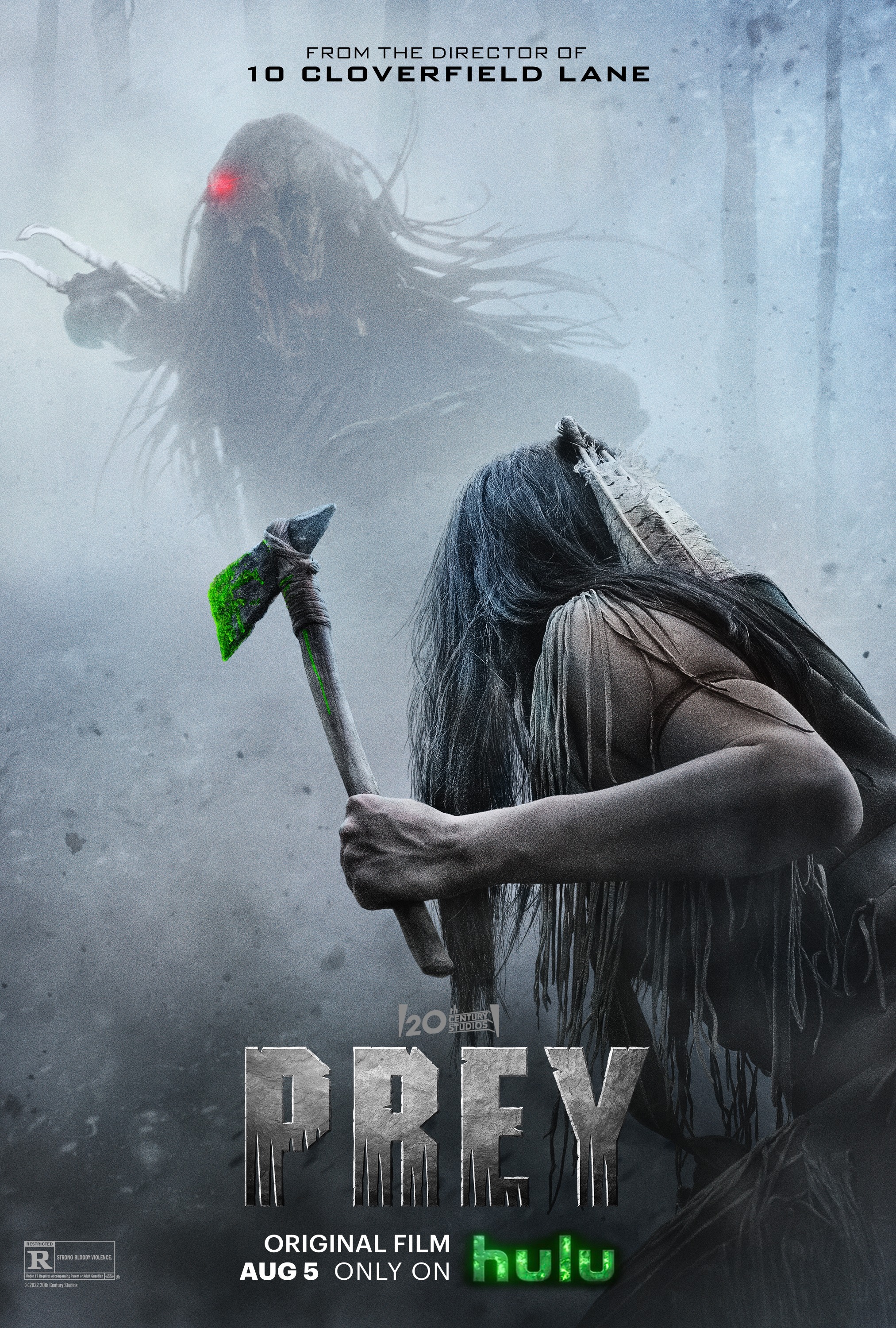
Prey 9:00 PM, Film4, 2022 The Predator franchise gets a sharp and satisfying reboot in this lean, atmospheric thriller set in 18th-century North America. Director Dan Trachtenberg strips away the military bombast of earlier instalments, replacing it with something far more elemental — a fight for survival amid sky-wide plains and thick forests.
Told through the perspective of a young Comanche woman (played with fierce intensity by Amber Midthunder), Prey honours Indigenous storytelling while delivering on creature-feature suspense. The predator itself is more primal, less reliant on tech, which makes the contest feel mythic — nature versus nature.
Visually striking and refreshingly grounded, this is one of the most intelligent franchise entries in recent years. It’s also a reminder that blockbuster cinema can still surprise when it trusts its audience — and its characters — to do more than just shoot first.
Oasis: Supersonic 10:00 PM, Channel 4, 2016 More myth than documentary — but what a myth. A swaggering deep-dive into the rise and ruin of Britain’s most volatile band.
King Richard 10:20 PM, BBC One, 2021 At first glance, this might look like another sports biopic — but King Richard goes deeper, exploring family, ambition, and belief in the face of overwhelming odds. Will Smith gives a layered, deeply human performance as Richard Williams, the father and unorthodox coach of Venus and Serena. He’s protective, stubborn, sometimes difficult — but never anything less than compelling.
The film resists easy triumphalism, focusing instead on the grind, the strategy, and the long hours behind the meteoric rise. Director Reinaldo Marcus Green keeps the tone grounded, while Saniyya Sidney and Demi Singleton deliver radiant performances as the young tennis prodigies.
What emerges is less about sport and more about legacy — how dreams are built, brick by brick, by those rarely celebrated. Smith’s Oscar-winning turn anchors a story about determination, faith, and fatherhood, told with warmth and grit.
Sunday 6 July
Live Aid at 40: When Rock Took on the World (1/3) 9:00 PM, BBC Two The story of how music mobilised global attention, revisiting 1985’s mega-concert with fresh insights and rare footage.
Live Aid at 40: When Rock Took on the World (2/3) 10:00 PM, BBC Two Continuing the story with a closer look at the politics, personalities, and aftershocks of the most ambitious charity gig in history.
Elton John: Million Dollar Piano 4:40 PM, Sky Arts A dazzling performance from Elton’s Las Vegas residency — all sequins, keys, and heartfelt hits.
The Remains of the Day 1:45 PM, Film4, 1993 An exquisite study in repression and regret, The Remains of the Day stands as one of Merchant Ivory’s finest achievements. Anthony Hopkins plays Stevens, a butler so consumed by duty and decorum that he fails to recognise love until it’s far too late. Emma Thompson, quietly radiant, is the housekeeper who might have changed his life — had either of them been brave enough to speak plainly.
Set in the shadow of war and the decline of the English aristocracy, the film explores moral blindness with surgical precision. Stevens’s loyalty to a Nazi-sympathising employer becomes a devastating metaphor for all the things he fails to question — until time runs out.
What lingers most is not what’s said, but what’s left unsaid. Every pause, every glance, carries the weight of lives unlived. Gorgeously shot, perfectly acted, and emotionally shattering, this is a film that stays with you long after the final curtain falls.
Hidden Figures 4:25 PM, Film4, 2016 This uplifting drama tells the too-long-ignored story of the Black women mathematicians who helped launch America into space. Taraji P. Henson, Octavia Spencer, and Janelle Monáe shine as three minds at the centre of NASA’s Mercury programme — battling not just gravity, but racism and sexism embedded in every corridor.
The film moves with energy and warmth, balancing technical detail with personal struggle. Director Theodore Melfi never lets the message become heavy-handed, instead trusting the story’s power to speak for itself. It’s a celebration of intellect, perseverance, and sisterhood in the face of systemic exclusion.
Rousing, moving, and refreshingly straightforward, Hidden Figures is more than a history lesson — it’s a call to re-centre who gets credit, who gets remembered, and who makes history happen.
The Fault in Our Stars 8:00 PM, BBC Three, 2014 Based on John Green’s bestselling novel, this teen romance could have easily veered into sentimentality — but instead delivers a surprisingly grounded and emotionally intelligent story of young love in the shadow of terminal illness. Shailene Woodley and Ansel Elgort bring warmth and wit to roles that could have felt overdrawn, letting humour and humanity shine through.
The film doesn’t shy away from pain, but neither does it wallow. It captures that precarious balance between adolescent intensity and the existential weight of mortality, offering a love story that feels more defiant than doomed. Director Josh Boone allows space for silences, side glances, and the small gestures that make big feelings believable.
What emerges is a film that treats its characters — and its audience — with respect. It’s tender without being fragile, heart-breaking without manipulation. Whether you’re seventeen or seventy, it’s hard not to be moved.
Monday 7 July
True History of the Kelly Gang 11:35 PM, Film4, 2019 This wild, unflinching reimagining of Australia’s most notorious outlaw breaks free from traditional biopic constraints. With a style that’s part fever dream, part punk manifesto, True History of the Kelly Gang drenches the screen in blood, grit, and restless rebellion.
Narrated with a chaotic intensity by George MacKay, the film captures Ned Kelly’s transformation from a hunted youth to folk hero with a rawness that’s as unsettling as it is electrifying. The narrative splinters and soars, evoking a fractured, mythic Australia caught between colonial violence and desperate survival.
Director Justin Kurzel doesn’t offer easy answers — instead, he immerses you in a feverish world where history is as much legend as fact, and legend bleeds into revolution. It’s a messy, brutal, and unforgettable cinematic ride.
Atonement 12:00 AM, BBC One, 2007 Joe Wright’s adaptation of Ian McEwan’s novel unfolds as a haunting meditation on the power of storytelling and the consequences of a single lie. Keira Knightley and James McAvoy deliver nuanced performances in a love story fractured by class, misunderstanding, and the brutal sweep of history.
The film’s elegant narrative structure moves fluidly through time, weaving innocence and guilt with devastating precision. From the manicured English estate to the ravages of World War II, the lush cinematography contrasts sharply with the emotional turmoil beneath.
Atonement is a masterclass in mood and morality — a cinematic poem on regret, forgiveness, and the elusive nature of truth. Its final revelation lingers long after the credits roll, challenging how we perceive both fiction and reality.
Tuesday 8 July
Surviving 9/11 9:00 PM, Sky Documentaries Survivor testimonies reveal the human toll of the September 11 attacks in this moving and clear-eyed documentary.
Eyewitness to History: Norma Percy and Angus Macqueen on The Death of Yugoslavia 10:00 PM, BBC Four Behind-the-scenes reflections from the creators of one of British TV’s most acclaimed political documentaries.
The Death of Yugoslavia: Internationalism 10:20 PM, BBC Four A crucial episode that examines the international community’s role in the Balkan conflicts.
The Death of Yugoslavia:The Road to War 11:05 PM, BBC Four Charting the tragic path from fragile peace to full-scale war in Europe’s post-Cold War collapse.
Gonzo: The Life and Work of Dr. Hunter S. Thompson 10:15 PM, Sky Arts A vivid and sometimes anarchic look at America’s greatest outlaw journalist, narrated by Johnny Depp.
The Wicker Man 11:00 PM, BBC Two, 1973 A landmark of British folk horror, The Wicker Man balances eerie atmosphere with an unsettling exploration of faith and sacrifice. Christopher Lee commands the screen as Lord Summerisle, a charismatic yet menacing pagan leader whose island community harbours dark secrets.
Edward Woodward’s police sergeant arrives seeking a missing girl, only to find himself ensnared in a ritualistic nightmare that blends folklore, music, and dread. The film’s haunting soundtrack and pastoral beauty heighten its sense of inevitable doom.
Part mystery, part ritual drama, The Wicker Man remains chilling decades on — a slow-burning descent into a world where belief becomes deadly. It’s cult cinema that still feels dangerously alive.
Wednesday 9 July
Plunderer: The Life and Times of a Nazi Art Thief 7:20 PM, PBS America The extraordinary story of Bruno Lohse, the man behind the Nazi regime’s massive looting of European art.
Poisoned: Killer in the Post (1/2) 9:00 PM, Channel 4 A gripping real-life thriller following a mysterious case of fatal poisonings linked to letters in the post.
Don’t Look Now 12:00 AM, BBC Two, 1973 Nicolas Roeg’s Don’t Look Now is a haunting, atmospheric meditation on grief, memory, and the uncanny. Set against the labyrinthine canals and decaying beauty of Venice, the film follows a couple (Donald Sutherland and Julie Christie) grappling with the sudden loss of their daughter.
The narrative weaves together erotic tension and supernatural dread, creating a mood both sensual and sinister. Roeg’s fragmented editing and richly symbolic imagery immerse the viewer in a world where reality and premonition blur disturbingly.
This is not a conventional thriller but a deeply emotional exploration of trauma and the unknowable forces that shape our lives — a masterpiece of slow-burning unease.
Thursday 10 July
Touch of Evil 12:00 AM, Rewind TV, 1958 Orson Welles’s Touch of Evil is a masterpiece that reshaped film noir with its dizzying camera moves and morally tangled narrative. Set in a corrupt border town between the US and Mexico, the film thrums with tension, double-crosses, and shadowy figures lurking in every frame.
Welles himself plays a morally ambiguous detective, blurring the line between lawman and criminal with magnetic charisma. The film’s signature long take — a breathtaking three-minute tracking shot — remains one of cinema’s most celebrated technical achievements.
Dark, dirty, and intoxicating, Touch of Evil still feels raw and vibrant, a portrait of a world where justice is elusive and corruption seeps into every corner. Noir at its most electrifying..
The Shape of Water 1:05 PM, Film4, 2017 Guillermo del Toro’s The Shape of Water is a fairy tale drenched in longing and strangeness. At once romantic and unsettling, it tells the story of Elisa, a mute cleaning woman who forms a bond with a mysterious amphibious creature held captive in a secret laboratory.
Del Toro blends lush, vintage aesthetics with a deeply human narrative, exploring themes of otherness, love, and connection beyond language. The film’s fairy tale roots are sharp-edged, reminding us that beauty often coexists with danger.
Equal parts magical and haunting, The Shape of Water invites us to listen carefully — to the creatures, the silences, and the hearts beating beneath the surface.
Friday 11 July
The Massacre That Shook the Empire 7:45 PM, PBS America This documentary confronts a brutal and often overlooked episode of British colonial violence, shedding light on the massacre that shook the foundations of empire and galvanized resistance. Through survivor testimonies and expert analysis, it uncovers the human cost behind the headlines and history books.
Far from distant history, the film connects these events to ongoing struggles for justice and recognition, showing how past atrocities continue to ripple through present-day societies.
Sobering, essential, and unflinching, this is a timely reminder of empire’s darker legacies — and the movements born from its shadows.
Jaws @ 50: The Definitive Inside Story 8:30 PM, National Geographic Half a century after its release, Jaws remains the quintessential thriller that redefined summer cinema and set the blueprint for the modern blockbuster. This documentary dives deep into Steven Spielberg’s creation, exploring the technical challenges, behind-the-scenes drama, and cultural impact that turned a story about a great white shark into a global phenomenon.
Featuring interviews with cast, crew, and film historians, it uncovers the genius and grit behind the suspense, from the famously malfunctioning mechanical shark to John Williams’s iconic score.
For cinephiles and casual fans alike, this is an essential journey into the making of a movie that still looms large in the collective imagination — terrifying, thrilling, and utterly unforgettable.
High Noon 2:15 PM, 5 Action, 1952 A masterpiece of moral tension, High Noon distils the Western into a tight, relentless allegory of duty, courage, and isolation. Gary Cooper delivers a quietly powerful performance as a marshal standing alone against a vengeful gang, his every minute ticking down with mounting dread.
The film’s real-time pacing heightens the sense of inevitability — a small town’s failure to support its own lawman becomes a reflection on conscience and cowardice that still resonates today.
Simple yet profound, High Noon remains a taut, emotionally charged classic that questions what it means to stand firm when everyone else walks away.
The Shining 11:00 PM, BBC Two, 1980 Stanley Kubrick’s The Shining remains a towering pillar of psychological horror, where the eerie corridors of the Overlook Hotel become a labyrinth of madness and dread. Jack Nicholson’s iconic descent into insanity is both terrifying and hypnotic, embodying a menace that seeps into every frame.
Kubrick’s meticulous craftsmanship — from the unsettling steadicam shots to the chilling score — crafts an atmosphere that’s as claustrophobic as it is expansive, trapping viewers in a nightmare that feels impossibly real.
More than just a ghost story, The Shining explores isolation, family breakdown, and the unseen horrors lurking beneath the surface. Essential viewing for any night owl seeking a true cinematic chill.
STREAMING CHOICES
Leviathan Available from Thursday 10 July, Netflix This eagerly anticipated anime brings Scott Westerfeld’s steampunk trilogy to life with stunning animation and a richly imagined alternate 1914. Following Prince Aleksandar, heir to the Austro-Hungarian throne, and Deryn Sharp, a fearless Scottish girl disguised as a boy in the British Air Service, Leviathan combines political intrigue, adventure, and bioengineered airships in a vividly crafted world.
Produced by Qubic Pictures and Studio Orange — renowned for BEASTARS and Trigun Stampede — the series features a score by Nobuko Toda, Kazuma Jinnouchi, and original music by Joe Hisaishi. Westerfeld himself has been closely involved to ensure the anime honours the novels’ spirit while bringing fresh visual and narrative energy.
Whether you’re a fan of the books or new to the story, Leviathan promises a thrilling blend of historical fantasy and cutting-edge animation, perfect for anyone craving epic storytelling with heart and imagination.
History Hit: Gladiator Available from Thursday 10 July, Netflix In this gripping documentary series, Dan Snow delves into the brutal world of Roman gladiators, combining expert insight with vivid re-enactments to explore their lives, battles, and the society that both glorified and exploited them.
History Hit: Gladiator brings history to life with a modern lens, connecting ancient spectacles to contemporary themes of power, violence, and survival. Snow’s approachable style and in-depth research make this a compelling watch for history buffs and newcomers alike.
For anyone fascinated by the Roman Empire’s darker, blood-soaked arenas, this series offers a sharp, thought-provoking journey into one of antiquity’s most iconic—and brutal—institutions.
Dexter: Resurrection First two episodes available from Friday 11 July, Paramount+ The blood-spatter analyst with a dark secret returns once more in this latest revival of the Dexter saga. Picking up where New Blood left off, Dexter: Resurrection dives deeper into the murky waters of morality, identity, and obsession.
Michael C. Hall is back with the familiar mix of charm and chilling detachment, navigating new challenges that blur the lines between justice and vigilantism. The show balances tense thrills with psychological complexity, reminding viewers why Dexter remains a compelling, if controversial, antihero.
Whether you’re a long time fan or curious about the latest chapter, this resurrection promises fresh twists and darker dilemmas in the shadowy world of Miami’s most infamous serial killer.
Walter Presents: Arcadia All 8 episodes available from Friday 11 July, Channel 4 Streaming This Belgian dystopian drama imagines a chilling society where citizens are constantly rated for their behaviour, creating a claustrophobic world of surveillance, judgment, and control. Arcadia deftly explores themes of conformity, resistance, and the human cost of living under unrelenting scrutiny.
Beyond its Orwellian trappings, the series is surprisingly emotional, grounded by complex characters whose struggles add depth to the stark, oppressive setting. With tight plotting and atmospheric tension, it keeps viewers hooked while probing timely questions about privacy and social pressure.
For fans of speculative drama that blends political critique with personal stories, Arcadia offers a gripping and thought-provoking binge.
Welcome to Culture Vulture, your go-to weekly guide for an alternative take on entertainment. This carefully curated selection is brought to you by Pat Harrington. Music by the talented Tim Bragg accompanies the . writing. This week’s highlights are thought-provoking and diverse. They feature a compelling mix of historical drama, Shakespearean intensity, and investigative documentary.
First, we have Suffragette (2015). It is a powerful historical drama. It focuses on the working-class women who played a pivotal role in the fight for the right to vote. Carey Mulligan stars as Maud. She is an ordinary woman whose journey of radicalization reflects the courage of countless suffragettes. These brave women risked everything in the struggle for equality. With its unflinching portrayal of the movement’s violent tactics, Suffragette highlights activism’s personal cost. It is both an emotional and inspiring watch. Viewers are asked to consider the sacrifices behind societal progress.
Next, delve into the gripping modern adaptation of Shakespeare’s Coriolanus (2011). Ralph Fiennes directs and stars in this tense political thriller. The film transports the Bard’s tale of war and betrayal to a contemporary setting. Fiennes portrays a proud and unyielding general. His tragic downfall stems from an inability to connect with the people he serves. Urban warfare forms the backdrop of this adaptation. It resonates powerfully with present-day themes of populism. It also highlights the dangers of unchecked authority.
Finally, there’s The Undercover Police Scandal: Love and Lies Exposed. This investigative documentary series exposes the shocking emotional toll and ethical dilemmas of undercover policing tactics. The first episode highlights the harrowing stories of individuals deceived by covert operatives. It focuses on the profound impact of these betrayals on their personal lives. It’s a deeply unsettling yet essential exploration of authority and trust, revealing a hidden world that demands public scrutiny.
If you’re in the mood for historic justice, you’ll find it. Prefer Shakespearean drama? There is something for you too. This week’s Culture Vulture even features a hard-hitting exposé. It offers something for everyone. Be sure to check out these standout picks that challenge and captivate in equal measure!
Saturday 1st of March 2025
Elkie Brooks At The BBC (BBC1, 8.30pm)
A retrospective of one of Britain’s greatest yet often overlooked vocalists. This documentary features performances spanning decades. It highlights how Elkie Brooks evolved from a rock and blues singer to a powerhouse of jazz and pop. Despite her undeniable talent, she never quite received the industry recognition afforded to male contemporaries.
Brooks’ career is a story of perseverance. She has faced a music business that has often been unkind to women. This is especially true for those who age out of its commercial spotlight. Her voice has remained timeless. It is rich with the experience of someone who has lived through the highs and lows of the industry.
This collection of BBC performances is a reminder of an artist whose music endures, even as the industry moves on. It’s also a reflection. The British music scene often fails to properly honour its homegrown talent. This recognition typically comes much later in the artists’ lives. I recently had the pleasure of listening to Elkie on BBC Radio 2’s Piano Room. Her voice is as powerful as ever.
Elkie: Sight And Sound In Concert (BBC1, 9.35pm)
This special captures Brooks at her prime, performing some of her most iconic songs in a live setting. Unlike today’s auto-tuned, overproduced performances, this concert is a testament to the power of raw vocal ability and genuine musicianship.
Brooks’ performance style is intense yet effortless, displaying her ability to move between genres while keeping her signature emotional depth. Songs of love, heartbreak, and personal struggle take centre stage, performed with an authenticity rarely seen in modern pop music.
For long-time fans, this is a nostalgic gem. For newcomers, it’s an introduction to an artist whose voice deserves to be remembered alongside the greats.
Elkie Brooks In Concert 1987 (BBC1, 10.35pm)
A live performance from the late ’80s, this concert showcases Brooks at a transitional moment in her career. By this point, she had cemented her reputation as one of Britain’s finest vocalists, yet mainstream success remained frustratingly elusive.
Performing with a full band, Brooks blends jazz, rock, and blues influences effortlessly. The show highlights her vocal prowess. It also emphasizes her commanding stage presence. This aspect has often been overlooked in discussions about British music legends.
A reminder of an artist. Despite not always getting the attention she deserved, she remained a singular talent. She consistently delivered emotionally charged and musically sophisticated performances.
Prey (2022) (C4, 9.20pm)
Prey strips back the Predator franchise to its primal roots. It replaces the typical military hero with Naru, a young Comanche woman. She must outthink and outlast the alien hunter. This change in perspective reinvigorates the series, shifting the narrative from brute strength to strategy, patience, and adaptability.
The film’s themes extend beyond the survival thriller. Prey is a metaphor for colonial arrogance. It mirrors the way European invaders dismissed Indigenous knowledge and underestimated those they sought to conquer. The Predator, like those colonisers, assumes itself superior, but Naru’s understanding of her environment becomes her greatest weapon.
The decision to release the film with a Comanche-language dub is significant. It marks one of the first major Hollywood films to treat Indigenous representation with genuine care. This is rather than mere tokenism. Prey is not just a great action film. It’s an important step ahead in how stories about the past are told. It also impacts how stories about the future are narrated.
Sicario (2015) (BBC1, 12.30am)
A brutal and unflinching look at the US-Mexico drug war. Sicario follows an idealistic FBI agent. She is thrust into a world where morality is blurred beyond recognition. She soon realises that the war on drugs isn’t about stopping crime—it’s about managing and maintaining power.
The film’s suffocating cinematography and tense, minimalist storytelling expose the reality of militarised policing. The supposed “good guys” are indistinguishable from the criminals they claim to fight. The US government is not an arbiter of justice. Instead, it is a manipulative force. It is willing to use any means necessary to maintain dominance.
Benicio del Toro’s enigmatic character, Alejandro, embodies this moral decay—a man so consumed by revenge that justice becomes irrelevant. Sicario forces viewers to confront the uncomfortable truth that institutions thrive on conflict rather than resolution.
Sunday 2nd of March 2025
Suffragette (2015) (Film4, 6.50pm)
Unlike many historical films, Suffragette does not focus on the famous leaders of the movement. It focuses on the working-class women who carried the fight. Carey Mulligan’s Maud is an ordinary woman. Her gradual radicalisation mirrors the real experiences of countless suffragettes. They risked everything for a future they might not live to see.
The film doesn’t shy away from the movement’s violent tactics. Bombings, arson, and hunger strikes are shown as acts of desperation. These acts were against a system that refused to listen. Today’s history books celebrate the suffrage movement. However, Suffragette reminds us that these women were criminalised, brutalised, and dismissed as terrorists in their own time.
With strong performances and a deeply emotional core, the film is compelling. It forces us to ask: how much of today’s progress was truly “granted” by the establishment? How much was taken by force?
Mark Kermode’s Oscar Winners (BBC4, 7pm)
Mark Kermode breaks down the major Oscar-winning films of the past. He examines not just their artistic merit but also the wider cultural impact. He looks at the political impact they had. A fascinating look at how Hollywood chooses which stories deserve recognition—and which ones don’t.
Nick Cave: This Much I Know To Be True (Sky Arts, 10.55pm)
is an evocative and deeply personal documentary that transcends the typical boundaries of music-focused films. It serves as a creative chronicle. It is also a raw exploration of human resilience. The film delves into themes of grief, reinvention, and the healing potential of art.
The documentary is set against the backdrop of Nick Cave’s transformative journey following the tragic loss of his son. This devastating event has profoundly shaped his music, which now carries an unparalleled depth, moving toward rawer, more spiritual expressions. The film captures this evolution. It offers an intimate glimpse into the artist’s world. He processes his pain and channels it into his creative work.
The film does not center on the mechanics of the music industry. Rather, it focuses on universal human experiences. It presents creativity as a means to cope with loss. Through candid moments, poignant performances, and reflective interviews, it paints a portrait of Cave as an artist. He navigates the intersection of sorrow and hope. He finds meaning through his art.
This Much I Know to Be True is not just a documentary. It is a testament to the power of creativity as a tool for understanding and overcoming grief. It’s a film that resonates on a deeply human level, celebrating the courage to transform tragedy into profound, transformative beauty.
Glory (1989) (Film4, 11.45pm)
This is a historical war film. It tells the true story of the 54th Massachusetts Infantry Regiment. It was one of the first Black regiments in the American Civil War. Despite fighting for the North, these men are still treated as second-class citizens, their sacrifices often unrecognised.
Denzel Washington’s Oscar-winning performance is a highlight. He portrays a soldier who understands that the fight for equality will not be over, even in victory. The film’s final battle sequence is devastating. This is not just because of the brutality of war. It is also tragically ironic. The men leading the charge may never see the justice they fought for.
Glory is not just a war film. It is a statement on who gets to be remembered in history. It is also about who is erased. It remains as relevant now as ever.
Monday 3rd of March 2025
The Last Duel (2021) (Film4, 9pm)
Ridley Scott’s The Last Duel explores power, truth, and gender in a way that feels disturbingly relevant today. The story is set in medieval France. It tells the tale of Marguerite de Carrouges. She accuses a powerful man of rape. This leads to the last legally sanctioned duel in history.
The film is structured in three parts, showing the same events from different perspectives. The first two—told from the viewpoints of the men—distort reality to fit their egos. Only Marguerite’s account, painful and brutally honest, rings true. This storytelling choice exposes how history has always been shaped by those in power.
The final duel is visually spectacular, but the film’s real power lies in its aftermath. Marguerite’s survival does not bring her justice—just a different struggle. A sharp indictment of how women’s voices have been silenced for centuries.
Israel And The Palestinians (two of three) (BBC2, 9pm)
The second episode of Israel and the Palestinians continues its in-depth exploration. It examines one of the most enduring and complex conflicts in modern history. This installment delves into the intricate web of diplomacy, failed peace talks, and the human cost of the ongoing crisis. The documentary takes a meticulous approach. It examines pivotal moments in the conflict. It offers insights from key political figures, diplomats, and those directly affected. The narrative is both sobering and enlightening. It sheds light on the challenges of achieving peace in a region fraught with historical grievances and geopolitical tensions.
What sets this episode apart is its balanced presentation of perspectives. The filmmakers have gone to great lengths to include voices from all sides, creating a nuanced portrayal of the conflict. The episode highlights the complexities of negotiation through interviews with Israeli and Palestinian leaders. It also features conversations with international mediators. The deep-seated mistrust often derails progress. Archival footage provides emotional weight. Personal testimonies remind viewers of the human lives at the heart of the political struggle.
This episode serves as a reminder of the fragility of peace. It highlights the resilience of those who continue to hope for a resolution. It does not shy away from the harsh realities of the conflict. It also underscores the potential for understanding and reconciliation. Israel and the Palestinians offers a compelling viewing experience. It presents the historical aspects of the issue. It also shows the contemporary dimensions. It is thought-provoking and encourages reflection on the broader implications of the crisis.
Oscars Highlights (ITV1, 10.45pm)
A glittering showcase of Hollywood’s finest combines the glamour of the red carpet with profound reflections. It provokes thought on the industry’s influence on global storytelling. The ceremony dazzles with wealth and celebration. However, it also prompts important questions about representation. We must consider which voices are heard and which are excluded from the narratives we celebrate.
This year’s Oscars showcase a diverse array of films, each contributing unique perspectives to the cinematic landscape. Emilia Pérez leads with an impressive 13 nominations. These include Best Picture and a historic Best Actress nod for Karla Sofía Gascón. The thought-provoking The Brutalist and the vibrant Wicked are other notable contenders. Each has 10 nominations. Compelling entries like Anora and A Complete Unknown also stand out. These films highlight the expanding diversity in storytelling. They also underline the ongoing challenges in creating an equitable platform for all voices.
As the awards are handed out, Oscars Highlights encourages viewers to think critically about Hollywood’s role in shaping cultural narratives. The night celebrates artistic achievements. It also reflects the inequalities within the industry. This challenges audiences to consider how we define and reward greatness in storytelling. Beyond the glitz and glamour, the show reflects broader struggles. It mirrors the quest for authenticity in global cinema.
The Death Of Stalin (2017) (BBC1, 11.55pm)
Armando Iannucci’s The Death of Stalin is a masterful political satire that walks the fine line between absurdity and horror. The film is set in the chaotic days following the sudden demise of Joseph Stalin in 1953. It turns a brutal period of history into dark comedy. The movie exposes the paranoia, incompetence, and opportunism of authoritarian rule. The characters scramble over each other in their frantic bids for power. Yet, the film never lets the audience forget the deadly stakes. Decisions made in smoky rooms determine who lives and who disappears forever.
What makes The Death of Stalin so compelling is its ability to highlight the sheer absurdity of totalitarianism. Every scene is infused with an unsettling mix of humour and menace. Stalin’s ministers awkwardly step over his body, terrified to be the first to acknowledge he is dead. There are also desperate attempts to rewrite history even as it unfolds. Power in such regimes is not about ideology or governance but about survival. Figures like Steve Buscemi’s Nikita Khrushchev are caught in a loop of constant betrayal. Simon Russell Beale’s monstrous Lavrentiy Beria also engages in these treacherous acts. They know that any misstep could lead to execution.
Beneath the sharp dialogue and comedic timing, the film carries a serious message. Authoritarianism doesn’t just rely on violence. It thrives on fear, loyalty tests, and the erasure of truth. The film’s final moments show Khrushchev consolidating power in an eerily similar manner to his predecessor. This makes it clear that tyranny isn’t about individuals. It is about systems that allow such rule to continue. The Death of Stalin is not just a historical farce. It chillingly reminds us of how power operates. History repeats itself when those in control focus on self-preservation more than justice.
Tuesday 4th of March 2025
Seeking Satoshi: The Mystery Bitcoin Creator (one of two) (C4, 10pm)
Bitcoin has long been hailed as a financial revolution, but its origins remain shrouded in secrecy. This documentary attempts to uncover the true identity of Satoshi Nakamoto, the pseudonymous figure credited with inventing Bitcoin.
The first episode of Seeking Satoshi: The Mystery Bitcoin Creator (C4, 10pm) embarks on a fascinating journey. It investigates the enigmatic origins of Bitcoin, the revolutionary cryptocurrency. Bitcoin has transformed the financial world. Journalist Gabriel Gatehouse leads this documentary. It explores the mystery surrounding Satoshi Nakamoto. He is the pseudonymous figure credited with creating Bitcoin. The episode uses investigative reporting and compelling storytelling. It explores the cultural and economic impact of Bitcoin. It also questions the true identity of its elusive creator.
The episode takes viewers to a mega Bitcoin gathering in Miami. It reveals the cryptocurrency’s political ambitions. It also uncovers its ideological underpinnings. It raises thought-provoking questions about the promises of decentralization and financial freedom. These are juxtaposed with the realities of inequality and unaccountability that have emerged in the crypto world. The documentary skillfully balances technical insights with human stories, making it accessible to both crypto enthusiasts and newcomers alike.
What makes this episode particularly engaging is its ability to weave together the technical, cultural, and philosophical dimensions of Bitcoin. It challenges viewers to ask an important question. Does Bitcoin remain a radical alternative to traditional financial systems? Or has it been co-opted by the very institutions it sought to disrupt? Seeking Satoshi possesses investigative depth. Its captivating narrative sets the stage for a gripping exploration of one of the most intriguing mysteries in modern technology.
Coriolanus (2011) (BBC2, 11.05pm)
This modern reimagining of Shakespeare’s Coriolanus transforms the classic tale of war and political betrayal into a contemporary thriller. Ralph Fiennes directs and stars as the titular general. He is revered for his military prowess. Yet, he is despised for his inability to connect with the people.
The film’s urban warfare setting, complete with news broadcasts and riot police, makes it feel eerily relevant. It explores the dangers of unchecked power. It examines the manipulation of populism. It shows how the public’s favour can shift with alarming speed. Coriolanus is a man who sees himself above the masses. His downfall comes not from his enemies but from his failure to understand the people he claims to protect.
The film forces us to think on modern politics. Leaders who refuse to engage with ordinary citizens often find themselves cast out. This is not because they are unworthy. It is because the system demands a balance of power and perception. A striking and intense adaptation that proves Shakespeare’s themes stay timeless.
No Other Land (2024) (C4, 11.15pm)
This powerful documentary captures the reality of Palestinian displacement from the perspective of those experiencing it firsthand. Mainstream Western coverage often dilutes the urgency of the situation. No Other Land refuses to sanitize the brutal destruction of homes. It highlights the forced removal of entire communities.
Filmed by Palestinians on the ground, the documentary doesn’t just present statistics. It shows the human impact of occupation. It highlights the loss of cultural heritage. It demonstrates the resilience of people who refuse to be erased. The film raises pressing questions about international complicity and why certain narratives are amplified while others are suppressed.
For those who rely on corporate media for news, No Other Land provides an essential viewpoint. It offers an unfiltered perspective on one of the most pressing humanitarian crises of our time.
Wednesday 5th of March 2025
Nightmare Alley (2021) (Film4, 9pm)
Guillermo del Toro’s Nightmare Alley is a slow-burning, psychological noir that explores the thin line between ambition and self-destruction. The story follows Stanton Carlisle (Bradley Cooper), a drifter who learns the tricks of mentalism. He manipulates his way into high society. Eventually, his own arrogance leads to his downfall.
Unlike traditional noir films, Nightmare Alley presents its protagonist as both the conman and the mark. Stanton believes he can outwit everyone. In reality, he is simply another player in a system that devours those who reach too far. His journey is a cautionary tale about power and deception. It illustrates the inevitable downfall of those who believe they can cheat fate.
The film’s haunting visuals and chilling performances make it a gripping watch. However, its deeper message is more unsettling. Society itself is built on cons. Those at the top are simply the ones who have mastered the game for longer than others.
A Cruel Love: The Ruth Ellis Story (ITV1, 9pm)
Ruth Ellis was the last woman to be hanged in Britain. Her case remains one of the most controversial in legal history. This documentary examines her trial and execution. It questions whether justice was truly served. It also questions if Ellis was a victim of a system. The legal system refused to acknowledge domestic abuse as a mitigating factor.
The film provides context on how gender, class, and outdated legal standards shaped her fate. Now, discussions on coercive control and domestic violence have evolved. In this context, Ellis’ case feels even more tragic. She was punished not just for a crime, but for daring to defy societal expectations.
By revisiting Ellis’ story, this documentary forces us to ask how much the justice system has really changed. It also questions whether the law still fails those who need it most.
Seeking Satoshi: The Mystery Bitcoin Creator (two of two) (C4, 10pm)
The second episode of Seeking Satoshi: The Mystery Bitcoin Creator (C4, 10pm) delves deeper into the enigma surrounding Bitcoin’s origins. It explores the conspiracy theories and controversies that have emerged over the years. Journalist Gabriel Gatehouse continues his investigation. He uncovers new leads and encounters warnings from veteran hackers. They suggest that the truth about Satoshi Nakamoto might be too dangerous to pursue.
This episode broadens the scope of the mystery. It examines whether Bitcoin was the work of a lone genius or a collective effort. It even entertains the possibility of government involvement. It also highlights the darker side of Bitcoin’s legacy. This includes its use in dark web markets. It also involves its role in financial speculation. These elements raise critical questions. Does Bitcoin still represent the ideals of freedom and decentralization? Or has it become another tool for exploitation and inequality?
With its mix of investigative journalism and philosophical inquiry, the episode challenges viewers. It encourages consideration of the broader implications of Bitcoin’s creation. The episode also examines its impact on the world. It’s a gripping continuation of the series. It blends intrigue with a thought-provoking exploration of the intersection between technology, power, and human ambition.
Thursday 6th of March 2025
The Wicked Lady (1945) (Talking Pictures, 10.50am)
A rebellious and provocative film for its time, The Wicked Lady tells the story of a noblewoman. She defies societal norms by leading a double life as a highway robber. Margaret Lockwood’s performance is electric, turning the character into an anti-hero who refuses to accept the constraints imposed on women.
The film explores morality. It makes audiences sympathise with a thief. The film questions who truly has the right to wealth and power. Although made in the 1940s, its themes of female independence and resistance against rigid social expectations remain strikingly relevant.
Beneath the costume drama, The Wicked Lady is a sharp critique of gender roles and the hypocrisy of aristocratic society. A daring and subversive classic.
The Undercover Police Scandal: Love And Lies Exposed (one of three) (ITV1, 9pm)
The first episode of The Undercover Police Scandal: Love and Lies Exposed (ITV1, 9pm) unveils a deeply unsettling narrative. The story is full of deception and betrayal. It focuses on the lives of individuals who were profoundly affected by covert operations. Through intimate interviews and detailed accounts, the documentary exposes the hidden practices of a secretive unit. It reveals the far-reaching consequences of their actions on personal lives. It also shows the impact on trust.
This episode highlights the intricate dynamics of power and control, as it explores how relationships were manipulated under false pretenses. The stories of those who were deceived are both harrowing and courageous. They recount their journeys of uncovering the truth. They also seek accountability. The documentary does not shy away from exposing the emotional toll. It reveals the long-lasting scars left by these actions. It offers a poignant look at the resilience of those who refused to stay silent.
The episode weaves together personal testimonies and investigative findings. It challenges viewers to think about the boundaries of authority. It also explores the ethical dilemmas that arise when those boundaries are crossed. It’s a compelling start to a series. The series promises to delve even deeper into the complexities of these hidden operations. It will also explore their impact on society.
Friday 7th of March 2025
High Noon (1952) (GREAT!action, 8pm)
On the surface, High Noon is a classic Western about a lone sheriff preparing for a gunfight. But beneath the action, it is a scathing critique of cowardice and conformity. The town’s people, rather than standing against injustice, find excuses to avoid responsibility.
Seen as an allegory for the McCarthy-era witch hunts, High Noon is not focused on heroism. Instead, it highlights the failures of those who choose silence over resistance. It remains a powerful reminder of how easily injustice flourishes when people turn a blind eye.
Event Horizon (1997) (Film4, 11.15pm)
Event Horizon, a sci-fi horror film, delves deeply into the multidimensional consequences of unchecked ambition. Socially, it examines the human drive to explore and dominate the unknown. This reflects the age-old pursuit of progress. Often, progress comes at the expense of ethics and humanity. Politically, it mirrors the Cold War-era space race. During this time, nations pushed the boundaries of space exploration in a quest for supremacy. This reflects the real-world tension and competition between superpowers.
Economically, the film hints at the massive investments required for such space missions. It also touches on the resource allocations necessary. The film questions whether the potential rewards are worth the risks. This notion is particularly resonant in today’s context of space commercialization, where private corporations race to exploit extraterrestrial resources.
Psychologically, Event Horizon explores the terror of the unknown. It delves into the profound impact of isolation and existential dread on the human psyche. The spaceship’s return is now a harbinger of horror. It symbolizes the unforeseen and often catastrophic consequences of pushing beyond human limits. These occur without considering the mental and emotional toll on those involved.
Event Horizon serves as a chilling reminder. Humanity might pay a price for its relentless quest to conquer the cosmos.
Streaming Choices
Walter Presents: The Mantis (All six episodes on Channel 4 streaming from Friday 7th of March 2025)
When a copycat killer strikes in France, police turn to the original murderer for help. A gripping crime drama that exposes corruption, power struggles, and moral compromises.
The First Emperor Of China (Available from Thursday 6th of March on History Hit)
A historical deep dive into how one man unified a nation, but at immense human cost.
The Real Ruth Ellis (Available from Wednesday 5th of March 2025 on ITVX)
A fresh look at Britain’s most infamous execution case, exploring new evidence. Worth watching alongside the new drama about her this week, A Cruel Love.
Welcome to Culture Vulture, your guide to the week’s entertainment from an alternative standpoint. Selections and writing is by Pat Harrington and music is from Tim Bragg. Highlights this week include:
The Outfit (2022) BBC1 10:45 PM: A thriller about a tailor who becomes entangled in the dangerous world of organized crime, exploring survival and the hidden costs of neutrality in conflict.
Socrates: Genius of the Ancient World BBC4 11:00 PM: A documentary examining the life and philosophy of Socrates, highlighting his method of questioning and the lasting impact of his ideas on modern thought.
and,
Kes (1969) Film4 1:05 PM: A poignant film about a working-class boy who finds solace and purpose in his bond with a kestrel, set against a backdrop of economic hardship and limited opportunities.
Saturday, September 14th, 2024
True Grit (1969) Action 9:00 PM
“True Grit” (1969), directed by Henry Hathaway, is a classic Western that explores themes of justice, revenge, and personal redemption. The film is cantered around the quest of a young girl, Mattie Ross. She wants to avenge her father’s murder by hiring a U.S. Marshal, Rooster Cogburn, to track down the perpetrator. Socially, the film challenges gender norms of its time through Mattie’s character. She is portrayed as determined and resourceful. She defies the traditional expectations of women in the Old West. Her strength and independence are central to the film’s narrative. They serve as a critique of the limitations imposed on women in a patriarchal society.
“True Grit” provides a nuanced view of the legal and justice systems in the frontier context. The film reflects on the limitations of formal legal institutions in remote and lawless areas. In these regions, personal vendettas often take precedence over due process. The character of Rooster Cogburn embodies a form of frontier justice that operates outside conventional legal boundaries. This raises questions about the effectiveness and morality of such an approach. The film portrays the tension between personal retribution and legal justice, challenging viewers to consider the implications of each.
“True Grit” prompts reflection on the nature of justice and the morality of revenge. The film’s portrayal of Mattie’s relentless pursuit of vengeance raises questions. These questions concern the ethical implications of taking the law into one’s own hands. It challenges viewers to consider whether justice is served through personal retribution or through established legal channels. The characters’ actions and decisions invite debate about the nature of justice and the ethical boundaries of seeking revenge.
From a social perspective, the film also delves into the broader societal issues of the time. This includes the harsh realities of life on the frontier. It also examines the impact of violence on communities. It portrays the rugged and often brutal nature of frontier life. It highlights the moral complexities faced by individuals living in such a harsh environment. The film’s setting and character dynamics offer a lens to explore the social challenges. They also reveal the ethical dilemmas of the Old West.
“True Grit” stands out not only as an engaging Western. It also raises significant questions about justice, morality, and social norms. Its exploration of these themes makes it a thought-provoking piece that continues to resonate with audiences beyond its genre.
Classic Albums: The Making of Nirvana’s Nevermind Sky Arts 10:00 PM
This documentary offers a deep dive into the creation of Nirvana’s ground-breaking album “Nevermind.” It highlights the album’s impact on music and culture. Socially, the film explores the rise of grunge as a reflection of generational angst and disillusionment in the early 1990s. Politically, it touches on the countercultural movement’s challenge to mainstream norms and commercialism. Ethically, the documentary also addresses the struggles of Kurt Cobain. It includes his battles with fame and personal demons. The film raises questions about the costs of artistic success and mental health.
Grunge: A Story of Music and Rage Sky Arts 11:00 PM,
This documentary examines the grunge movement. It emerged as a powerful reaction to the excesses of the 1980s and the rise of alternative rock. Socially, it highlights the disillusionment of youth and their desire for authenticity in music and culture. Politically, grunge can be seen as a critique of the consumerist culture and societal norms of the time. Ethically, the genre’s raw and often dark subject matter prompts reflection. It makes one consider the struggles of individuals within a system that often marginalizes them.
Sunday, September 15th, 2024
Hobson’s Choice (1954) Talking Pictures 6:25 PM
“Hobson’s Choice,” directed by David Lean, is a British comedy-drama. It explores themes of social class, gender roles, and personal agency. Socially, the film is a satire of class structures and the rigid expectations of Victorian society. It focuses on a strong-willed woman who challenges these norms. Politically, it critiques the hierarchical class system and the limited opportunities available to women. Ethically, it raises questions about personal autonomy and the right to self-determination within restrictive societal frameworks.
Peter Kosminsky Remembers: The Project BBC4 10:20 PM
This documentary by Peter Kosminsky reflects on “The Project,” a significant piece of journalism or media production. Socially, it examines the impact of media on public perception and understanding. Politically, the film may address the role of media in shaping political discourse and public opinion. Ethically, it raises questions about the responsibilities of journalists and media producers in ensuring accuracy, integrity, and fairness.
Israel & Gaza: Into The Abyss ITV1 10:20 PM,
This documentary provides an in-depth look at the ongoing conflict between Israel and Gaza. Socially, it highlights the human cost of the conflict, including displacement and suffering. Politically, it explores the complex and contentious issues that fuel the conflict, including territorial disputes and national identity. Ethically, the film raises profound questions about the morality of military intervention. It also raises questions about human rights and the search for peace in a deeply divided region.
Peterloo (2018) C4 11:55 PM
“Peterloo,” directed by Mike Leigh, is a powerful historical drama. It dramatizes the events of the Peterloo Massacre of 1819. This was a pivotal moment in British history. The film provides a detailed depiction of the socio-political climate leading up to the massacre. A peaceful demonstration advocating for electoral reform was violently suppressed by the authorities. Socially, the film highlights the harsh conditions faced by the working class in early 19th-century England. They were rallying for greater representation and better living conditions. Through its portrayal of the diverse range of participants—from laborers to reformists—it captures the broad-based desire for change. It also highlights the widespread disillusionment with a system that largely ignored their grievances.
Politically, “Peterloo” critiques the oppressive measures taken by the government to keep control and suppress dissent. The film portrays the government’s response to the protest as an overreach of power. It reflects a broader critique of the entrenched political structures of the time. The brutality of the cavalry against unarmed civilians is shocking. It shows the lengths to which authorities would go to quell demands for reform. The film serves as a historical commentary on the resistance to democratic changes. It also highlights the often violent tactics employed to stifle such movements.
Ethically, the film raises profound questions about the legitimacy and morality of state violence against its own citizens. The graphic depiction of the massacre forces viewers to confront the human cost of political repression. It also forces viewers to confront the ethics of using force to suppress peaceful protest. The film invites reflection on the moral responsibilities of those in power. It questions the extent to which they should go to maintain order. It also prompts viewers to consider the rights of individuals to peacefully assemble. It asks viewers to consider how they can voice their demands without fear of violent retaliation.
From a social perspective, “Peterloo” also examines the role of women and marginalized groups in the reform movement. The film portrays women as key participants in the protest. It challenges traditional gender roles. It highlights their contributions to the struggle for political change. This aspect of the film underscores the intersectionality of social movements and the importance of inclusive representation in historical narratives.
“Peterloo” is both a historical recount and a poignant commentary on the enduring struggle for democratic rights and social justice. The film revisits this significant event. It underscores the ongoing relevance of the issues raised. It serves as a reminder of the sacrifices made by those who fought for a fairer and more representative society.
Monday 16th of September 2024
Kes (1969) Film4 1:05 PM,
“Kes” is a poignant film directed by Ken Loach. It explores the life of a young boy, Billy Casper. He is growing up in a working-class community in Northern England. The film paints a stark picture of Billy’s harsh reality. It highlights the struggles of youth in an environment marked by economic hardship and limited opportunities. Billy’s relationship with his kestrel, Kes, symbolizes his longing for freedom. It also shows his search for personal fulfilment in the face of a bleak and confining existence. The depiction of Billy’s life reflects broader themes of class struggle and the impact of socio-economic factors on individual potential.
The film also provides a critical look at the educational system and its role in shaping young lives. Billy’s experiences with his teachers highlight a system that fails to recognize the unique abilities of students from disadvantaged backgrounds. This system does not nurture these abilities. They often dismiss or belittle him. This portrayal critiques the rigidity and insensitivity of institutional structures. It emphasizes how they can perpetuate a cycle of disenfranchisement rather than fostering personal growth.
On a deeper level, “Kes” prompts viewers to consider the ethical responsibilities of society towards its younger members. Billy’s connection with Kes shows a rare source of joy and purpose amidst his struggles. It draws attention to the need for compassion and understanding in addressing the needs of vulnerable individuals. The film advocates for a more empathetic and supportive approach to education and social welfare. It illustrates the profound impact of kindness and recognition on a young person’s development and sense of self-worth.
Mozart: Rise of a Genius (One of Three) BBC2 9:00 PM
“Mozart: Rise of a Genius” delves into the early life of Wolfgang Amadeus Mozart. It explores the factors that shaped his extraordinary musical talent. The documentary highlights how Mozart’s prodigious abilities were nurtured from a young age. It contrasts his privileged upbringing with the broader socio-political context of his time. It offers insight into the environment that allowed his talent to flourish. It provides a window into the cultural and intellectual climate of 18th-century Europe.
The documentary also examines the role of Mozart’s family, particularly his father Leopold, in his development. Leopold’s intense focus on Mozart’s career raises questions about the balance between encouragement and exploitation in fostering exceptional talent. The film portrays the complex dynamics between parental ambition and the child’s personal agency. It sheds light on the ethical considerations of guiding and supporting prodigious talents.
By showcasing Mozart’s rise to prominence, the documentary invites reflection on the broader implications of talent recognition and support. It underscores the importance of creating conditions that allow individuals to reach their full potential. It also considers the potential pressures and sacrifices involved. Through Mozart’s story, the film illustrates the delicate interplay between personal ambition, familial expectations, and societal recognition.
Joy of Mozart BBC4 10:00 PM
“Joy of Mozart” is a celebration of the enduring appeal of Mozart’s music. It explores how his compositions continue to resonate with audiences around the world. The program highlights the emotional and intellectual richness of Mozart’s work. It illustrates how his music transcends time and cultural boundaries. This provides profound experiences. The documentary emphasizes the timeless nature of Mozart’s genius. It does this by showcasing various performances and interpretations. His music brings universal joy.
The program also reflects on the cultural significance of Mozart’s work within different contexts. These range from classical concert halls to contemporary settings. It delves into how his compositions have been adapted and appreciated across diverse genres and formats. This demonstrates the adaptability and enduring relevance of his music. This exploration underscores the impact of artistic expression on cultural heritage. It continues to influence and inspire new generations.
Through its focus on the pleasure derived from Mozart’s music, the documentary invites viewers to appreciate the beauty. It also highlights the complexity of his compositions. It serves as a reminder of the power of art to evoke emotion. Art can also create connections and enrich human experience. Finally, it celebrates the lasting legacy of one of history’s greatest composers.
Socrates: Genius of the Ancient World BBC4 11:00 PM
“Socrates: Genius of the Ancient World” offers a compelling exploration of the life and philosophy of Socrates. He is one of the most influential thinkers in Western history. The documentary provides an in-depth look at Socrates’ contributions to philosophy. It focuses particularly on his method of questioning and dialogue. This method has shaped the way we approach critical thinking and ethics. The film examines Socrates’ ideas and their impact on subsequent philosophical thought. It sheds light on the intellectual legacy of his teachings.
The program also explores the socio-political context in which Socrates lived. It includes the challenges he faced as a critic of Athenian democracy. His trial and execution are portrayed as a clash between individual conscience and state authority. This portrayal highlights the tension between personal beliefs and societal norms. This aspect of the film prompts reflection on the risks and sacrifices. These risks arise when one stands up for one’s principles in the face of opposition.
Through its portrayal of Socrates’ life and work, the documentary encourages viewers to consider the broader implications of philosophical inquiry. It also highlights moral integrity. It illustrates the enduring relevance of Socratic thought in addressing fundamental questions about human nature. It examines ethics and governance. It reaffirms the importance of critical reflection and intellectual courage in shaping a just society.
Tuesday 17th of September 2024
Nadiya’s Cook Once, Eat Twice BBC2, 7:30 PM
Nadiya Hussain delivers another episode of practical and inventive cooking. She shows how to make meals that can be repurposed into multiple dishes. Her warmth and easy-going style make the show feel inviting, while her clever recipes offer time-saving solutions without sacrificing flavour. Perfect for busy households, this episode highlights her creativity in the kitchen, making meal prep both fun and efficient.
On the Basis of Sex (2018) BBC2, 11:05 PM
This inspiring biopic follows the early career of Ruth Bader Ginsburg. It showcases her struggle to overcome gender discrimination. It also highlights her efforts to reshape the American legal landscape. Felicity Jones delivers a compelling performance as Ginsburg, portraying her determination with grace and intelligence. The film is a stirring tribute to a legal pioneer. It blends emotional depth with a powerful message about justice and equality.
Wednesday 18th of September 2024
The Football Factory (2004) Legend 11pm
This gritty film delves into the lives of disillusioned working-class men drawn to a subculture of violence and tribal loyalty. It portrays their quest for identity and belonging in a society. This society offers them little in terms of opportunity or purpose. The film raises questions about cycles of aggression. It also questions masculinity and the allure of camaraderie in an environment where societal systems seem to have failed. It’s raw, uncomfortable, and thought-provoking. It leaves you wondering whether these men are victims of their circumstances. Or are they architects of their own downfall?
Thursday 19th of September 2024
El Cid (1961) BBC4 11:25 PM
This sweeping historical epic tells the story of a legendary warrior navigating the complexities of loyalty and power. As he balances personal honour with political obligations, the film explores the fine line between heroism and ambition. The society is fractured by faith, authority, and conflicting interests. It highlights the struggle to reconcile individual beliefs. Individuals also face the pressures of collective responsibility. With its majestic setting and moral dilemmas, the film reflects on how individuals can be shaped. It also shows how they can be trapped by the roles they are expected to play in a broader narrative.
Friday 20th of September 2024
The Penguin Sky Atlantic 9PM
The series is a spin-off from the 2022 film “The Batman” and follows the character Oswald Cobblepot, also known as the Penguin. Set in a crime-riddled city, this series portrays a complex figure rising to power through cunning, manipulation, and exploitation of chaos. It examines the lengths individuals will go to seize control. It also looks at the darker side of ambition in a world where morality is flexible. The series explores the consequences of unchecked power. It shows the vulnerability of those who inhabit a system where corruption thrives. In this system, justice feels elusive.
The Outfit (2022) BBC1 10:45 PM
Set in a tightly controlled environment, this film revolves around a skilled tailor. He finds himself entangled in the dangerous world of organized crime. It skilfully weaves themes of survival, identity, and the hidden costs of staying neutral in a conflict. The film reflects on how even those who appear disconnected from the violence around them. They may eventually be forced to confront their own complicity. They may have to acknowledge their role. They have been maintaining the systems they navigate.
and finally, Brightburn (2019) Film4 1:25 AM
This film subverts the idea of the hero. It shows a powerful being who, instead of protecting humanity, chooses a path of destruction. It explores the unsettling question. What happens when someone gifted with immense power feels no obligation to use it for good? The film asks what happens when a person with immense power feels no obligation to use it for good. The film raises the issue of control and accountability. It also shows the potential for evil to emerge from unexpected places. The story is seen through the eyes of a community grappling with this dangerous force.
Classic Albums: The Making of Nirvana’s Nevermind [By Derived from a digital scan of the DVD cover, and the website from which provides the derivative scan is irrelevant., Fair use, https://en.wikipedia.org/w/index.php?curid=4311417]
Welcome to Culture Vulture, your guide to the week’s entertainment from an alternative standpoint. Highlights this week include: Concorde: The Race For Supersonic – a documentary film that explores the international competition to build the first supersonic airliner, Miners’ Strike: A Frontline Story – a documentary film that tells the story of the 1984 miners’ strike through the experiences of 15 men and women, and In The Loop (2009) – a political satire film that parodies the events leading up to the 2003 invasion of Iraq. Music is by Tim Bragg and selections and writing are by Pat Harrington.
Saturday 17 February 2024
Pete Doherty: Stranger In My Own Skin 9pm Sky Documentaries
“Peter Doherty: Stranger in My Own Skin” is an unflinching and intimate documentary that delves into the tumultuous life of British rock musician Pete Doherty. Directed by his wife, Katia DeVidas, the film offers a raw and candid portrayal of Doherty’s struggles with drug addiction during the height of his fame as the frontman of bands like The Libertines and Babyshambles.
The film unflinchingly captures Doherty’s battle with drug abuse. We witness brutally explicit scenes of his substance use, visits to rehab centers, and even the surgical application of implants to curb his body’s reaction to narcotics
While the documentary explores Doherty’s struggles, it notably avoids delving into personal relationships, including his marriage to DeVidas. The tragic case of Mark Blanco’s death, connected to a party attended by Doherty, remains unaddressed.
The Running Man (1988) 9pm Film4
“The Running Man,” directed by Paul Michael Glaser, thrusts viewers into a dystopian future where a deadly game show becomes a grotesque spectacle of violence and oppression. Beneath the glitz and glamour lies a malevolent compere who orchestrates this macabre theater.
The story revolves around Ben Richards, portrayed by Arnold Schwarzenegger, a wrongly convicted policeman. Richards becomes a contestant on the sadistic televised game show, “The Running Man.” Hosted by the charismatic yet sinister Damon Killian (played by Richard Dawson), the show pits desperate participants against a group of ruthless hunters. Their objective: survive or die. As Ben fights for his life, he unwittingly becomes a symbol of resistance against the oppressive regime.
“The Running Man” delves into the power of mass media to shape public perception. Damon Killian, as the compere, epitomizes the manipulation of truth for entertainment’s sake. His slick charm conceals a malevolence that feeds off suffering.
The film portrays a society where the government tightly controls information. Killian’s role as the compere reinforces the regime’s propaganda machinery. He perpetuates the illusion of choice while ensuring the game’s brutality.
Killian’s sadistic glee in orchestrating contestants’ deaths underscores society’s desensitization to violence. The audience cheers for bloodshed, numbed to the humanity lost in the process.
Arnold Schwarzenegger embodies the heroic underdog archetype as Ben Richards. His physical prowess and determination resonate with viewers. Maria Conchita Alonso portrays Amber Mendez, a fellow rebel who aids Ben. Her defiance mirrors the spirit of resistance. Richard Dawson steals scenes as Damon Killian. His smarmy demeanor and chilling enthusiasm make him a memorable antagonist.
The film’s production design juxtaposes opulence with decay, emphasizing the stark contrast between the privileged and the oppressed. Harold Faltermeyer’s score heightens tension during chase sequences, underscoring the urgency of survival.
While “The Running Man” lacks the depth of some of Schwarzenegger’s other iconic films, its blend of intense action, social commentary, and Killian’s malevolence makes it a worthwhile watch for fans of dystopian sci-fi.
“The Running Man” serves as a cautionary tale, urging us to question the narratives fed to us, resist oppressive systems, and recognize the dangers of sacrificing humanity for entertainment.
Quadrophenia (1979) 12.20am BBC2
“Quadrophenia,” based on The Who’s rock opera album of the same name, immerses viewers in the gritty world of 1960s London Mods. Against the backdrop of scooters, amphetamines, and clashes with Rockers, the film weaves a tale of rebellion, identity, and societal pressures.
Plot Summary: The story follows Jimmy Cooper, portrayed by Phil Daniels, a disillusioned young Mod. Jimmy’s life revolves around parties, brawls, and the search for identity. His struggles mirror larger societal issues, including class struggles and generational shifts. Accompanied by his Mod friends Dave, Chalky, and Spider, Jimmy grapples with alienation and disillusionment.
Themes Explored:
Youth Rebellion:
“Quadrophenia” captures the restlessness of youth. Jimmy’s angst reflects the disenchanted spirit of a generation seeking meaning beyond societal norms. The film portrays the clash between tradition and rebellion.
Class Divide:
The Mod subculture becomes a microcosm of class tensions. Jimmy’s working-class background clashes with the aspirational lifestyle of the Mods. The Brighton riots symbolize the broader struggle for identity and social mobility.
Identity Fragmentation:
The film’s title, a play on “schizophrenia,” alludes to Jimmy’s four distinct personalities. His internal conflict mirrors the fractured nature of a society grappling with change.
Characterization:
Phil Daniels delivers a raw and authentic performance as Jimmy. His portrayal captures the frustration and yearning of a young man caught between conformity and rebellion. The supporting cast, including Sting as the charismatic Ace Face and Leslie Ash as Steph, adds depth to the ensemble.
Visuals and Soundtrack:
Director Franc Roddam meticulously reconstructs 1960s London, grounding the film in accurate period details. The scooters, fashion, and music evoke nostalgia. The soundtrack, featuring songs by The Who, underscores the film’s emotional beats. The iconic track “Love, Reign o’er Me” resonates with Jimmy’s inner turmoil.
Critiques:
Some critics found the primary plot—Jimmy’s alienation and eventual suicide—lacking forcefulness. The film’s attention to surface detail sometimes overshadowed emotional depth. The scooter cliff scene, intended as a poignant moment, fell short for some viewers.
Legacy and Cultural Impact:
“Quadrophenia” ignited a substantial Mod revival in 1979, pushing the subculture into the mainstream. It became a touchstone for youth identity and rebellion. The film’s exploration of political nostalgia resonated with audiences, bridging the gap between the original album and an evolving 1980s social imagination.
“Quadrophenia” remains a snapshot of a tumultuous era—a canvas where youth, music, and rebellion intersect. Its themes continue to reverberate, reminding us that identity is often a complex mosaic of conflicting desires and societal pressures.
Sunday 18 February 2024
Concorde: The Race For Supersonic 9pm Channel 4
In the annals of aviation history, the tale of the Concorde stands as one of unparalleled fascination—the world’s inaugural supersonic airliner. The documentary “Concorde: The Race for Supersonic” meticulously delves into the captivating narrative of genius, ambition, and international competition that gave rise to this iconic aircraft.
Set against the backdrop of the Cold War, the film immerses viewers in a high-stakes race for supersonic flight that transcended mere technological achievement. It evolved into a contest of national pride and strategic advantage, with the Soviet Union, the USA, and an Anglo-French coalition striving to create an aircraft that could defy the laws of physics and propel passengers beyond the speed of sound.
Central to this saga are the brilliant minds steering the Concorde project. Engineers, designers, and visionaries collaborated across borders, pushing the boundaries of aeronautics. The documentary showcases their unwavering pursuit of perfection, from the aerodynamic curves to the delta wings and the powerful Rolls-Royce engines. Their collective ingenuity birthed an engineering marvel that forever altered the landscape of air travel.
Yet, the story is not one of innovation alone. Cold War espionage adds an electrifying layer, as spies infiltrate laboratories, pilfer blueprints, and transmit secrets globally. The film unveils cloak-and-dagger operations, illustrating how national security intertwined with technological advancement, turning the Concorde project into a pawn in a geopolitical chess game.
Meticulously tracing the collaboration between Britain and France, the documentary explores the birth of Concorde within the Anglo-French alliance. However, skepticism loomed large, with critics questioning its feasibility, cost, and environmental impact. The film dissects this dilemma, revealing the delicate balance between ambition and practicality.
The unfolding narrative culminates in the maiden flight of Concorde—a moment frozen in time. The sleek supersonic bird soars above the clouds, leaving a sonic boom in its wake. Passengers revel in the curvature of the Earth, sipping champagne and traversing time zones at unprecedented speeds. Concorde emerges as a symbol of luxury, elegance, and progress.
Yet, the documentary doesn’t shy away from Concorde’s eventual fate. Despite its triumphs, the supersonic dream faced economic, environmental, and tragic challenges. The film invites reflection on Concorde’s legacy—a testament to human ambition, a relic of a bygone era, and a stark reminder that innovation often exacts a toll.
“Concorde: The Race for Supersonic” promises an engrossing exploration of the challenges, triumphs, and breakthroughs that defined the pursuit of supersonic flight. A must-watch for those intrigued by the untold stories behind the aviation industry’s most iconic achievements, the documentary invites viewers to fasten their seatbelts and embark on a thrilling journey through the sound barrier and into the skies of history.
FDR (one of three) 9pm Sky History
The three-part miniseries “FDR” unfolds as a masterful chronicle of the life of Franklin D. Roosevelt, the thirty-second President of the United States. Headlined by Christian McKay in the lead role, this documentary-drama seamlessly weaves together historical accuracy, stunning cinematography, and uncanny performances to present a captivating narrative.
At the heart of the series is McKay’s remarkable portrayal of FDR. His nuanced depiction skillfully captures the essence of a leader who guided America through tumultuous times, navigating the Great Depression, World War II, and beyond. McKay’s FDR emanates charisma, resilience, and an unwavering determination that defined an era.
The series draws its strength from dramatizations based on letters and diaries, providing an intimate glimpse into FDR’s personality. From his sociability and optimism to his strategic brilliance, the interactions with key figures like Eleanor Roosevelt (played by Alice Bounsall) and Winston Churchill (superbly portrayed by Adrian Galley) unveil the human side of this statesman.
As Hitler’s shadow looms over Europe, FDR faces the arduous task of preparing a reluctant nation for war. The attack on Pearl Harbor thrusts America into the vortex of the greatest conflict the world has ever seen. The series adeptly navigates these pivotal moments, showcasing FDR’s unwavering resolve and visionary leadership.
While the reenactments are sparing, the cinematography is nothing short of breathtaking. Each frame transports viewers to a bygone era—the Oval Office, wartime strategy rooms, and intimate conversations—all enhancing the storytelling and immersing the audience in history.
“FDR” boldly confronts the complexities of Roosevelt’s legacy, prompting viewers to ponder the sacrifices, the weight of leadership, and the profound impact on a nation. As the series unfolds, FDR’s triumphs and struggles serve as a poignant reminder that leadership is often forged in the crucible of adversity.
“FDR” transcends the conventional bounds of a documentary; it acts as a living time capsule. Whether you’re a devoted history buff or merely intrigued by the man who shaped modern America, this series delivers an immersive experience. So, settle in, let the sepia-toned past envelop you, and bear witness to the triumphs and trials of a truly remarkable leader.
Miners’ Strike: A Frontline Story 9pm BBC2
In the crucible of the 1984 miners’ strike, “Miners’ Strike: A Frontline Story” thrusts viewers onto the frontline alongside 15 men and women whose lives intersected with the seismic conflict that shook Britain—a battle not only for livelihoods but also for the soul of a generation.
Compelling testimony weaves together raw and unfiltered accounts from those who stood at the epicenter of the struggle. Ordinary miners, their families, and the communities most affected share stories that transcend historical narratives; they are visceral, life-changing experiences resonating with pain, determination, and unwavering solidarity.
The 1984 miners’ strike transcended a mere labor dispute; it became a battle for survival. The film vividly captures the human cost—the sacrifices, the clashes, and the resilience that defined this tumultuous period. Communities faced economic devastation, police brutality, and political polarization.
The documentary subtly underscores the emotional landscape with echoes of protest songs, the clanging of pickaxes, and the rallying cries of union leaders. The soundtrack becomes a powerful backdrop, mirroring the rhythm of defiance and hope throughout the struggles.
As the credits roll, viewers are left contemplating the enduring impact of the miners’ strike. Its echoes reverberate through time, reminding us of the fragility of justice and the indomitable spirit of those who fought. “Miners’ Strike: A Frontline Story” is a poignant and necessary exploration of a pivotal chapter in British history. It invites us to stand shoulder to shoulder with those who faced adversity head-on, their resilience etched into the very fabric of our collective memory.
In The Loop (2009) 12.20am BBC1
Armando Iannucci’s “In the Loop” arrives at a painfully opportune moment, capturing the spin and muddle of the British government during the run-up to the Iraq War. Adapted from characters first seen in the TV show “The Thick Of It,” this horribly brilliant comedy delves into a backstairs political world of anxiety, incompetence, and ruthless PR tactics.
The film’s narrative follows Jimmy Cooper, played by Phil Daniels, a disillusioned young Mod caught in the crossfire of political chaos. As the war drums beat, Jimmy’s journey mirrors Britain’s blundering path toward conflict, with the nastiest PR attack dogs and dodgiest dossiers coming into play, creating a satirical nightmare.
One of the prominent themes explored in the film is youth rebellion. Jimmy’s angst reflects a generation’s restlessness, and the clash between tradition and rebellion mirrors the broader societal struggle. The Mod subculture becomes a microcosm of class tensions, showcasing how Britain’s liberals were flattered and bullied into supporting America’s war. Additionally, Jimmy’s four personalities symbolize a fractured society grappling with change.
In terms of characterization, Phil Daniels portrays Jimmy with raw authenticity, effectively capturing the frustration of a young man torn between conformity and rebellion. Peter Capaldi shines as Malcolm Tucker, the ferocious Downing Street media director, whose psychotic need to intimidate with obscenity is both terrifying and hilarious.
The visuals and soundtrack play crucial roles in enhancing the film’s impact. Director Franc Roddam meticulously recreates 1960s London, evoking a sense of nostalgia. The soundtrack, featuring songs by The Who, adds emotional depth to the narrative.
A surprising addition to the cast is James Gandolfini, playing a career general suspicious of bellicose politicians. His face-off with Tucker is monumental, highlighting the film’s brilliance and adding depth to its exploration of power dynamics.
While “In the Loop” may not reach the heights of some war-themed films, it remains an uncommonly funny political satire. The film blends elements of “Dr. Strangelove” with “Spinal Tap,” offering biting humor and a cautionary tale about political subservience.
“In the Loop” reminds audiences that identity, politics, and power are a tangled web, skillfully weaving together themes of youth rebellion, class divide, and identity fragmentation in a way that resonates with both humor and insight.
Monday 19 February 2024
The Iron Lady (2011) 6.55pm Film 4
“The Iron Lady” (2011) directed by Phyllida Lloyd is a biographical drama that delves into the life of one of the most iconic political figures of the 20th century, Margaret Thatcher, portrayed by Meryl Streep. The film presents a nuanced exploration of Thatcher’s journey from her humble beginnings to becoming the first female Prime Minister of the United Kingdom.
Meryl Streep’s performance as Margaret Thatcher is nothing short of remarkable. She embodies the Iron Lady with precision, capturing both the steely determination and vulnerability that defined Thatcher’s character. Streep’s portrayal earned her an Academy Award for Best Actress, and rightfully so. Her ability to convey the complexities of Thatcher’s personality, from the resolute political leader to the aging woman grappling with dementia, is a testament to her unparalleled acting prowess.
The narrative structure of “The Iron Lady” is unconventional, employing a series of flashbacks as Thatcher reflects on her life. While this approach adds depth to the character, it occasionally disrupts the film’s pacing, making it feel disjointed at times. However, the film successfully navigates the tumultuous political landscape of Thatcher’s era, offering insights into her controversial policies and their impact on the UK.
The supporting cast, including Jim Broadbent as Denis Thatcher, provides a solid backdrop to Streep’s performance. Broadbent brings warmth and charm to his role as Thatcher’s husband, contributing to the film’s portrayal of the personal side of a public figure.
Visually, the film is well-crafted, with meticulous attention to period details that transport the audience back to the Thatcher era. The makeup and costume departments deserve commendation for their work in transforming Streep into the various stages of Thatcher’s life.
While “The Iron Lady” has been criticized for its somewhat sympathetic portrayal of Thatcher, it does not shy away from depicting the controversies surrounding her policies, such as the divisive nature of her economic reforms and the impact on the working class. The film raises important questions about the price of political leadership and the personal sacrifices made by those in power.
“The Iron Lady” stands out as a biographical drama primarily due to Meryl Streep’s exceptional performance. Despite occasional pacing issues and a non-linear narrative, the film succeeds in offering a captivating glimpse into the life of Margaret Thatcher, a woman whose legacy continues to shape political discourse. Whether one agrees with her politics or not, “The Iron Lady” provides a thought-provoking exploration of leadership, gender, and the complexities of a political career.
Tuesday 20 February 2024
Storyville: Total Trust: Surveillance State 10pm BBC4
In the gripping documentary “Total Trust: Surveillance State,” director Zhang Jialing skillfully peels back the layers of China’s formidable surveillance apparatus, presenting a stark portrayal of the human lives ensnared in its web. Premiered at CPH:DOX, the film takes a person-centered approach, focusing on the experiences of three human rights advocates navigating the labyrinth of extreme surveillance.
The documentary unveils a modern-day dystopia against the backdrop of Beijing’s neon skyline, a mesmerizing display of futuristic architecture and Blade Runner-esque video billboards. China’s technological prowess is on full display, but instead of a 20th-century security state, it reveals a digital panopticon fueled by cutting-edge surveillance technology, echoing George Orwell’s haunting vision.
Through intimate portraits, the film introduces Tutu, a pre-teen whose lawyer father vanished after representing dispossessed homeowners. Tutu and his mother, Chen Zijuan, willingly sacrifice their social credit to campaign for his release. Their agonizing journey, marked by turning off phones and driving overnight to attend a hearing, lays bare the personal toll exacted by the state’s control.
Lawyer Wang Quanzhang and his family face a relentless siege, both physical and moral. Masked strangers obstruct Wang from speaking at foreign embassies, while Zijuan endures the taunts of neighbors branding her “a disgrace.” In this environment, trust flows only in one direction, upward, leaving dissenting voices vulnerable to relentless pressure.
China’s social credit system emerges as a powerful tool, capable of wielding immense influence. Public acts labeled as “extravagance” or “petitioning a higher authority” can tip the scales dramatically. Trust, portrayed as a currency, is shown to be precarious, and the film unflinchingly exposes the dire consequences of dissent.
“Total Trust” serves as a chilling reminder that surveillance transcends mere data; it is about lives disrupted, families torn apart, and voices silenced. Zhang Jialing’s lens pierces through the facade, laying bare the human cost of an all-seeing regime. As viewers bear witness to these gripping narratives, they are compelled to grapple with their own trust in systems wielding such pervasive power. The documentary challenges us to reflect on the profound implications of living in a surveillance state where trust is a fragile commodity, and the stakes extend far beyond the realm of data.
If Beale Street Could Talk (2018) 11.15pm BBC2
“If Beale Street Could Talk” (2018), directed by Barry Jenkins, is a poignant and visually stunning adaptation of James Baldwin’s novel. At its core, the film is a love story, but it is also a powerful exploration of social and political themes that resonate profoundly, particularly in the context of systemic racism and the criminal justice system.
Set against the backdrop of 1970s Harlem, the film follows the love between Tish Rivers (played by KiKi Layne) and Fonny Hunt (played by Stephan James). Their journey takes a tragic turn when Fonny is falsely accused of a crime he did not commit, highlighting the deep-seated racial injustices prevalent in American society.
The social and political commentary in “If Beale Street Could Talk” is subtle yet piercing. The film portrays the harsh realities of systemic racism, illustrating how African American individuals, particularly men, are often unfairly targeted and victimized by a justice system that is meant to protect all citizens. Fonny’s wrongful arrest and imprisonment serve as a stark reminder of the racial biases embedded within the legal system.
The narrative also explores the impact of systemic racism on familial and community relationships. Tish’s family rallies around her and Fonny, facing not only the emotional toll of the situation but also the financial strain and social stigma associated with their fight for justice. The film underscores the resilience of black families in the face of adversity and the strength derived from communal support.
Barry Jenkins employs his signature visual style to evoke the atmosphere of 1970s Harlem, capturing both the vibrancy of the community and the shadows cast by racial injustice. The cinematography, accompanied by Nicholas Britell’s evocative score, creates a sensory experience that enhances the emotional impact of the narrative.
The love story between Tish and Fonny serves as a microcosm for the broader challenges faced by African American communities. Their love becomes a defiant act against a society that seeks to tear them apart, and their struggle for justice becomes emblematic of the broader fight against racial inequality.
“If Beale Street Could Talk” is a masterfully crafted film that transcends its love story foundation to deliver a poignant commentary on social and political issues. Barry Jenkins skillfully brings James Baldwin’s exploration of racial injustice to life, creating a film that resonates with relevance in the ongoing conversation about systemic racism in America. Through its nuanced storytelling and compelling characters, the film invites viewers to reflect on the enduring impact of racial inequality and the resilience of love and community in the face of injustice.
Wednesday 21 February 2024
Official Secrets (2019) 11.20pm BBC1
“Official Secrets” directed by Gavin Hood, is a gripping and thought-provoking political thriller that unfolds a true story of courage and conscience in the face of government deceit. The film is anchored by Keira Knightley’s compelling performance as Katharine Gun, a British intelligence translator who risks everything to expose a covert operation leading up to the Iraq War.
The narrative skillfully navigates the moral complexities of Gun’s decision to leak classified information that reveals a plan to manipulate the United Nations in favor of the invasion of Iraq. As the story unfolds, it sheds light on the ethical dilemmas faced by individuals within the intelligence community, grappling with their loyalty to their country and the responsibility to reveal uncomfortable truths.
“Official Secrets” effectively captures the tension and urgency of its subject matter, creating a sense of unease as it explores the consequences of whistleblowing. The film doesn’t shy away from questioning the motives behind the Iraq War and the political machinery that led to it, offering a timely reflection on the consequences of unchecked power.
Supported by a strong ensemble cast, including Matt Smith and Ralph Fiennes, the performances enhance the film’s impact, bringing depth to the characters involved in the unfolding drama. The script intelligently weaves together the legal, political, and personal dimensions of the story, keeping the audience engaged throughout.
Visually, the film adopts a no-frills approach, focusing on authenticity and realism to convey the gravity of the events. The subdued color palette and cinematography contribute to the film’s serious tone, emphasizing the gravity of the information at the center of the narrative.
“Official Secrets” succeeds in delivering a compelling narrative that not only entertains but also prompts reflection on the moral complexities of government actions and the importance of transparency in a democracy. It stands as a relevant and engaging exploration of the sacrifices made by those who choose to challenge the status quo for the sake of truth and justice.
Thursday 22 February 2024
The Rise and Rise of the Microchip: Chips with Everything 4pm RADIO 4
Broadcaster and writer Misha Glenny tells the story of the microchip’s Cold War past, corporate present and quantum future.
Friday 23 February 2024
Prince Night on BBC Four: A Purple Celebration of Musical Genius
On Friday, February 23, 2024, BBC Four invites viewers to immerse themselves in the electrifying world of Prince Rogers Nelson, the enigmatic artist who defied genres, norms, and expectations. This special night pays homage to the iconic musician, showcasing his unparalleled talent, boundary-pushing creativity, and indelible impact on the music industry.
The Lineup
“Prince and The Revolution: Live” (1985) At 9:00 PM, the evening kicks off with the historic “Prince and The Revolution: Live” concert from the Syracuse Carrier Dome during Prince’s 1985 Purple Rain tour. This Grammy-nominated concert film has been entirely remixed, remastered, and visually enhanced. Get ready to witness Prince’s electrifying stage presence and timeless hits.
“Prince: A Purple Reign” (Documentary) Following the concert, at 10:20 PM, delve deeper into the enigma that was Prince. This documentary unravels the layers of his persona—the mysterious symbol, the Paisley Park compound, and the elusive interviews. Interviews with collaborators, friends, and fans provide insights into the man behind the music.
“Purple Rain: The Musical” And finally, at 11:20 PM, prepare for a theatrical treat with “Purple Rain: The Musical”. This stage adaptation brings Prince’s iconic film to life, capturing the raw emotion, passion, and musical genius that made “Purple Rain” a cultural phenomenon. Let the music, the drama, and the purple magic wash over you.
Why Prince Matters
Prince wasn’t just a musician; he was a force of nature. His genre-blending sound fused funk, rock, R&B, and psychedelia. His lyrics explored love, spirituality, and societal critique. His fashion—ruffles, high heels, and purple everything—was a statement of defiance. And his guitar solos? Pure magic.
Prince challenged conventions, championed individuality, and blurred the lines between masculine and feminine. His music transcended time, touching hearts across generations. Whether you’re a lifelong fan or a newcomer, Prince’s legacy invites you to dance, dream, and embrace your own purple reign.
So, mark your calendars, set your DVRs, and join BBC Four for a night of musical royalty. Let’s celebrate the man who taught us that life is just a party, and parties weren’t meant to last.
Beast (2017) 11.05pm Film4
“Beast” (2017), directed by Michael Pearce, is a dark and atmospheric psychological thriller that skillfully weaves a tale of mystery, passion, and societal expectations. Set against the backdrop of the rugged landscapes of Jersey, the film explores the complexities of love and identity, all while keeping the audience on the edge of their seats.
Jessie Buckley delivers a standout performance as Moll, a troubled young woman living in a small community where societal expectations and family dynamics suffocate her. The film navigates Moll’s journey as she becomes entangled with Pascal (Johnny Flynn), a mysterious and potentially dangerous outsider. The chemistry between Buckley and Flynn is palpable, adding layers of intensity and ambiguity to their relationship.
The narrative unfolds like a psychological puzzle, slowly revealing the disturbing undercurrents beneath the seemingly tranquil island setting. As a series of murders shocks the community, suspicions and tensions rise, placing Moll at the center of the storm. Pearce masterfully builds suspense, keeping the audience guessing about the true nature of the characters and the unfolding events.
“Beast” stands out not only for its gripping plot but also for its exploration of societal norms and the constraints placed on individuals, especially women, in conservative communities. The film delves into themes of rebellion and self-discovery, as Moll grapples with the expectations imposed by her family and society, ultimately seeking liberation in unexpected and dangerous ways.
The cinematography by Benjamin Kracun captures the stark beauty of the island while creating an atmospheric backdrop that enhances the film’s tension. The use of muted colors and natural lighting contributes to the film’s eerie and unsettling atmosphere.
The supporting cast, including Geraldine James and Trystan Gravelle, adds depth to the story, portraying characters with their own secrets and motivations. The film’s pacing is deliberate, allowing the tension to build gradually, and the script is filled with subtle nuances that add complexity to the characters and their relationships.
In conclusion, “Beast” is a compelling and atmospheric thriller that goes beyond genre conventions. Michael Pearce’s directorial debut is a mesmerizing exploration of the human psyche, societal expectations, and the thin line between passion and danger. Anchored by strong performances and a hauntingly beautiful setting, “Beast” is a film that lingers in the mind, leaving the audience with thought-provoking questions about love, identity, and the untamed aspects of the human spirit.
Welcome to Culture Vulture, your guide to the week’s entertainment from an alternative standpoint. Selections and writing are by Pat Harrington and music is by Tim Bragg. Highlights this week include: The Hollies: Look Through Any Window, a captivating documentary that delves into the iconic British rock band’s journey through the swinging ’60s and their enduring impact on the music industry.; After Chaos, a documentary depicting the post-war reconstruction of four emblematic cities, including Berlin and Warsaw; and the film Deep Horizon a 2016 American biographical disaster film based on the Deepwater Horizon explosion and oil spill in the Gulf of Mexico.
Saturday 21st of October 2023
Collateral (2004 film) 9pm Film4
“Collateral,” released in 2004, showcases Tom Cruise in a role that breaks away from his typical on-screen persona. In this gripping crime thriller directed by Michael Mann, Cruise takes on the character of Vincent, a cold-blooded contract killer. This departure from his usual roles demonstrates Cruise’s versatility as an actor, and he delivers a standout performance that showcases his range and ability to embody complex characters.
One aspect that truly elevates “Collateral” is its excellent film score. Composed by James Newton Howard, the score perfectly captures the tension and atmosphere of the movie. The music enhances the suspenseful moments, heightening the audience’s emotional involvement and contributing to the overall intensity of the film. The combination of Howard’s masterful composition and the film’s expertly crafted visuals creates a truly immersive experience for viewers.
In addition to Cruise’s against-type performance and the remarkable score, “Collateral” boasts a tightly woven plot that keeps audiences on the edge of their seats. The story follows a taxi driver named Max, played by Jamie Foxx, who unwittingly becomes involved in Vincent’s murderous plans. The dynamic between Cruise and Foxx is captivating, as they navigate the dark underbelly of Los Angeles over the course of a single night.
Mann’s direction brings a distinct visual style to the film, capturing the gritty and atmospheric cityscape of Los Angeles. The nighttime sequences are particularly impressive, showcasing Mann’s talent for creating a moody and evocative atmosphere that perfectly complements the narrative.
“Collateral” is a thrilling and engaging crime thriller that stands out for its exceptional performances, particularly Tom Cruise’s against-type portrayal of a ruthless hitman. The outstanding film score by James Newton Howard further enhances the viewing experience, contributing to the tension and emotional impact of the story. Michael Mann’s direction, coupled with the film’s gripping plot and atmospheric visuals, makes “Collateral” an unforgettable cinematic experience.
The Hollies: Look Through Any Window 10pm Sky Arts
If you love the music of the sixties and seventies, you might want to check out The Hollies: Look Through Any Window, a documentary. It’s a film that celebrates the legacy of one of the most successful British groups of that era, who have sold over 60 million records worldwide and have been inducted into the Rock and Roll Hall of Fame.
The documentary features interviews with original members Graham Nash, Allan Clarke, Tony Hicks and Bobby Elliott, who share their stories and insights about the band’s history, influences, songwriting and performances. You’ll also get to see rare footage of The Hollies in concert, on TV shows and in the studio, as well as clips of some of their biggest hits, such as Bus Stop, He Ain’t Heavy He’s My Brother, Carrie Anne, The Air That I Breathe and Long Cool Woman in a Black Dress.
The film is a tribute to a group that has continued to perform up to the present day, with a sound that is timeless and distinctive. The Hollies: Look Through Any Window is a must-watch for fans of The Hollies and anyone who appreciates the music of the British Invasion era. Don’t miss it!
Sunday 22nd of October 2023
Julius Caesar (1953 film) 12 noon BBC2
“Julius Caesar,” directed by Joseph L. Mankiewicz and released in 1953, stands as a timeless cinematic adaptation of William Shakespeare’s immortal tragedy. This film faithfully brings to life the intricate web of political conspiracy and betrayal in ancient Rome, and its enduring appeal lies in its powerful performances, masterful direction, and a profound exploration of ambition and honor.
Stellar Performances:
At the heart of the film is a cast of exceptional actors, with standout performances that breathe life into Shakespeare’s iconic characters. Marlon Brando, in the role of Mark Antony, delivers a captivating portrayal. His famous “Friends, Romans, countrymen” speech is delivered with intensity, resonating with the passion and emotion expected of this crucial moment in the play.
John Gielgud’s Brutus:
John Gielgud’s portrayal of Marcus Brutus is equally remarkable. His portrayal captures the inner turmoil, moral dilemma, and tragic nobility of the character, making it easy for the audience to empathize with Brutus’s moral struggle and his ultimate fate.
James Mason’s Cassius:
James Mason’s Cassius is another highlight, exuding the cunning and charisma required for the role. HFis chemistry with Gielgud’s Brutus creates a palpable tension that drives the narrative forward.
Greer Garson’s Calpurnia
Greer Garson deserves high praise for her ability to infuse depth and authenticity into the character. Her performance as Caesar’s devoted and concerned wife is both graceful and emotionally resonant, offering a compelling contrast to the political intrigue that unfolds. Garson’s portrayal brings out the vulnerability and strength of Calpurnia, providing a touching and humanizing aspect to the story. Her on-screen presence adds a layer of depth to the film, contributing to the overall richness of this classic Shakespearean adaptation.
Masterful Direction:
Joseph L. Mankiewicz’s direction is a masterclass in bringing Shakespearean drama to the silver screen. The film’s cinematography and set design authentically recreate ancient Rome, immersing the audience in the grandeur and turmoil of the era. Mankiewicz’s ability to balance the intimate character moments with the larger political intrigue showcases his directorial prowess.
Tension and Political Intrigue:
“Julius Caesar” excels in conveying the political tension and machinations of the Roman Senate. The film’s pacing keeps the audience engaged, and its exploration of power, loyalty, and the consequences of betrayal remains relevant in any era.
A Cinematic Time Capsule:
While some may find the theatrical language of Shakespeare challenging, “Julius Caesar” (1953) offers a chance to experience the timeless themes and captivating characters of this classic play in a cinematic format. The film preserves the essence of the source material, making it accessible to a wider audience.
“Julius Caesar” (1953) is a cinematic gem that stands as a testament to the enduring power of Shakespeare’s storytelling. It remains a must-see for enthusiasts of classic cinema and those with an appreciation for the complexities of human ambition, honor, and the consequences of political intrigue. With its outstanding performances, evocative direction, and profound themes, this adaptation continues to be a benchmark in cinematic history.
Testament of Youth (2014 film) 11.55pm BBC1
This adaptation of Vera Brittain’s memoir, stands as a powerful indictment of the horrors of war. Directed by James Kent, this remarkable film masterfully weaves together themes of love, loss, resilience, and the transformation of a generation scarred by the devastation of World War I. In a world marked by the chaos and destruction of the Great War, Alicia Vikander’s portrayal of Vera Brittain is profoundly moving. Her performance captures not only the personal transformation of a young woman determined to defy societal norms but also the broader anti-war sentiment of an era marred by senseless conflict.
“Testament of Youth,” the 2014 film adaptation of Vera Brittain’s poignant memoir, invites viewers into a world irrevocably altered by the cataclysmic events of World War I. Directed by James Kent, this cinematic masterpiece transcends the confines of war to delve into the depths of love, loss, and resilience against the backdrop of global conflict. Alicia Vikander’s portrayal of Vera Brittain is both a heartfelt tribute to the author’s life and a compelling anti-war statement, shedding light on the devastating toll of war.
Alicia Vikander’s performance as Vera Brittain is a testament to her remarkable acting prowess. Her portrayal is characterized by its emotional depth, vividly capturing the personal transformation of a young woman who defied societal norms. One poignant scene, for instance, reveals Vera’s determination to become a nurse and care for the wounded despite societal expectations. This portrayal encapsulates the film’s larger anti-war message by depicting a woman who seeks to heal the wounds of a world torn apart.
“Testament of Youth” doesn’t merely dwell on the war’s horrors; it deeply explores the intertwined themes of love, loss, and resilience. Through a compelling love story, it underscores how war disrupted lives and tested the strength of human connections. The film also highlights Vera’s loss of loved ones, emphasizing the profound, lasting effects of war.
The 2014 adaptation offers a thought-provoking narrative that reaches far beyond a mere retelling of history. Alicia Vikander’s portrayal of Vera is a powerful embodiment of the anti-war sentiment, showing the futility of conflict through her unwavering resolve to bring solace and healing to those affected by the war. It resonates with audiences, urging them to reflect on the consequences of war and the value of peace.
For those who may remember the 1979 TV adaptation of Brittain’s memoir, the 2014 big-screen version offers an intriguing opportunity for comparison. This new adaptation provides a more immersive and cinematic experience, enhancing the emotional impact of the story and emphasizing the anti-war message.
“Testament of Youth” is a must-watch for those who appreciate thought-provoking narratives. It targets a broad audience interested in history, human resilience, and the enduring consequences of war. This film not only serves as a compelling portrayal of Vera Brittain’s life but also delivers a powerful anti-war message, encouraging viewers to contemplate the destructive consequences of conflict and the strength of the human spirit.
Monday 23rd of October 2023
After Chaos: Berlin (one of two) 8.35pm PBS America
After Chaos: Berlin is a documentary that explores the aftermath of World War II in the German capital, which was divided into four zones of occupation by the victorious Allies. The film chronicles the daily struggles of Berliners as they cope with hunger, cold, violence, crime, and the trauma of war. The film also examines the political and ideological conflicts that shaped the future of Germany and Europe, such as the rise of communism, the emergence of the Cold War, and the creation of the Berlin Wall. The film features interviews with eyewitnesses, historians, and experts, as well as archival footage and photographs that reveal the complex and often contradictory realities of life in post-war Berlin. The film is a fascinating and insightful look at a city that was both a symbol of hope and a scene of horror in the 20th century.
The Deep Blue Sea (2011 film) 11.40pm Film4
In Film 4’s tribute to the late, great British Director Terence Davies, “The Deep Blue Sea” (2011) stands as an unforgettable testament to his cinematic brilliance. This emotionally charged film, starring Rachel Weisz as Hester Collyer and Tom Hiddleston as Freddie Page, offers a poignant look into the bleak landscape of post-World War II London. It paints a vivid portrait of love and despair against a backdrop of societal constraints and lost dreams.
Set in the grim aftermath of World War II, “The Deep Blue Sea” introduces us to Hester Collyer, who leaves her stifling marriage for a passionate love affair with Freddie Page, once a dashing RAF pilot. However, as Hester finds herself in a gloomy bedsit, Freddie’s life spirals into the dimly lit pubs of London, leading to a tumultuous and poignant tale of love and loss.
Rachel Weisz delivers an extraordinary performance as Hester, her portrayal a poignant embodiment of inner turmoil and vulnerability. We witness her navigating the complexities of love and desire, particularly in the powerful scene where she contemplates her life in the mirror. Tom Hiddleston, as Freddie Page, captures the fading glory of a war hero, vividly illustrated as he drowns his sorrows in the shadowy taverns.
Terence Davies’ direction is nothing short of exceptional. He masterfully captures the somber post-war atmosphere, and his attention to detail, such as the authenticity of the period-accurate set design and costumes, is evident throughout. One of the most poignant scenes in the film is the rekindling of Hester and Freddie’s passion, which is beautifully framed against the backdrop of their strained relationship.
The film’s melancholic symphony of emotions is enhanced by Samuel Barber’s hauntingly beautiful score. The music draws viewers deeper into Hester’s world and highlights her unending yearning for love, exemplified in the scene where she listens to the gramophone in solitude.
“The Deep Blue Sea” received critical acclaim for its powerful performances and Terence Davies’ meticulous direction. It has garnered attention for its contribution to British cinema and its emotional impact, underscoring the enduring themes of love, longing, and human connection.
As Film 4 pays tribute to Terence Davies, “The Deep Blue Sea” invites viewers to delve into this emotionally charged narrative and celebrate his cinematic legacy. We encourage you to watch the film and share your thoughts, as it sparks engaging discussions on love, desire, and the complexities of the human heart. Don’t miss this cinematic gem that continues to resonate with audiences worldwide.
Tuesday 24th of October 2023
After Chaos: Warsaw (two of two) 8.35pm PBS America
After Chaos: Warsaw is a documentary that follows the reconstruction of the Polish capital after it was almost completely destroyed by the Nazis during World War II. The film shows how the city’s residents, architects, and engineers used 18th century paintings, historical documents, and personal memories to recreate the old Warsaw, while also incorporating modern elements and innovations. The film also explores the cultural, social, and political challenges that Warsaw faced in the post-war era, such as the rise of communism, the Cold War, and the Solidarity movement. The film features interviews with experts, eyewitnesses, and descendants of the original builders, as well as archival footage and photographs that reveal the remarkable transformation of Warsaw from a pile of rubble to a vibrant metropolis. The documentary is a tribute to the resilience, creativity, and courage of the people of Warsaw, who managed to rebuild their city against all odds
Wednesday 25th of October 2023
The Magic of Mushrooms 9pm BBC4
The Magic of Mushrooms is a documentary that explores the fascinating and normally hidden kingdom of fungi, which is essential for life on Earth. The film is presented by Professor Richard Fortey, a mushroom enthusiast and a natural historian, who delves into the evolution, life cycle, and value of fungi. The film features stunning time-lapse photography and microscopy that reveal the beauty and diversity of fungi, from the microscopic spores to the giant puffballs. The film also showcases the amazing abilities and roles of fungi, such as decomposing organic matter, forming symbiotic relationships with plants and animals, producing antibiotics and other chemicals, and influencing human culture and history. The film is a captivating and enlightening journey into the world of fungi, which is often overlooked and misunderstood by most people
Titane (2021 film) 10.50pm Film 4
“Titane” is an audacious and fearless exploration of the human body, identity, and transformation. The film introduces us to Alexia, portrayed by Agathe Rousselle, a young woman with a deep connection to automobiles after a childhood accident. Her provocative and transformative journey unfolds with a mesmerizing blend of body horror and psychological intrigue.
Julia Ducournau’s direction is nothing short of exceptional. She challenges conventional storytelling with a narrative that is as unsettling as it is enthralling. The film masterfully blurs the boundaries between the natural and the supernatural, creating a unique and immersive cinematic experience. Ducournau’s ability to capture the complexity of the human experience in such a raw and unfiltered manner is a testament to her directorial prowess.
“Titane” boasts a mesmerizing and evocative visual style that is both striking and nightmarish. The transformation sequences and body horror elements are executed with incredible attention to detail, immersing the audience in the unsettling world of the film. Ducournau’s use of practical effects and visual storytelling heightens the overall impact of the narrative.
Agathe Rousselle delivers a fearless and captivating performance as Alexia, embodying the character’s turmoil and transformation with unwavering commitment. Vincent Lindon, as a fire chief, adds depth to the narrative with his own layered performance.
As a follow-up to “Raw,” “Titane” continues Julia Ducournau’s exploration of human desires, obsessions, and the consequences of personal transformation. It is a film that demands contemplation, provoking discussion on themes of identity and the boundaries of human existence.
“Titane” is an audacious cinematic creation that solidifies Julia Ducournau’s reputation as a visionary director. This unapologetic exploration of the human psyche, paired with its superb visual storytelling and standout performances, makes it a must-watch for those who appreciate bold and unconventional cinema.
Thursday 26th of October 2023
Censor (2021 film) 10.50pm BBC4
Prepare for a chilling cinematic experience as “Censor” (2021) makes its British TV premiere. Directed by Prano Bailey-Bond, this psychological horror film takes us on a gripping journey into the shadows of the film industry, offering a unique and haunting perspective that unveils deeper social and political themes, keeping viewers on the edge of their seats.
“Censor” immerses us in the dark underbelly of the 1980s British cinema world, a time fraught with social and political tensions. Niamh Algar portrays Enid, a diligent film censor grappling with the morally complex task of reviewing and censoring gruesome and controversial films. In her performance, Algar captures the weight of a society wrestling with its own demons, mirroring the political turmoil of the era.
Prano Bailey-Bond’s direction shines a spotlight on the disorienting atmosphere of the time, where a conservative political climate was reflected in the cinema’s obsession with violence and exploitation. The film’s visual style and use of ’80s aesthetics serve as a powerful backdrop for its exploration of the societal obsession with disturbing content. The blend of fiction and reality is an allegory for a society that often struggled to distinguish between the two, all while political issues loomed large.
The film delves into the social and political consequences of exposure to disturbing content, asking viewers to confront the impact of censorship and the fine line between protection and restriction. It poses crucial questions about the role of censorship in preserving societal values and protecting the vulnerable, especially in a time marked by political and moral conflicts.
As “Censor” receives its British TV premiere, it provides an ideal platform to revisit these themes. The film has garnered critical acclaim for its thought-provoking narrative, the exceptional performance by Niamh Algar, and its ability to unmask the hidden social and political horrors lurking within the human psyche.
“Censor” (2021) is a chilling and thought-provoking exploration of the dark underbelly of cinema, amplified by the social and political tensions of its time. Its British TV premiere is the perfect opportunity to experience this gripping tale, which challenges viewers to reflect on the consequences of censorship, the blurred lines between reality and fiction, and the broader societal and political implications that lurk beneath the surface. Don’t miss this thought-provoking journey into the heart of darkness in both the cinema and society.
Friday 27th of October 2023
Deepwater Horizon (2016 film) 9pm GREAT!movies
“Deepwater Horizon” is a gripping and intense disaster thriller that vividly recreates the devastating events surrounding the infamous oil rig explosion in the Gulf of Mexico in 2010. Directed by Peter Berg, the film delves into the harrowing true story of the men and women who found themselves at the center of one of the largest man-made environmental disasters in history.
The film primarily focuses on the courageous crew members of the Deepwater Horizon, led by Mike Williams (Mark Wahlberg), as they battle escalating technical failures and mounting pressure from corporate interests. The tension builds steadily, and when the explosion finally occurs, it unleashes a chaotic and heart-stopping sequence that leaves viewers on the edge of their seats.
The strength of “Deepwater Horizon” lies in its ability to blend gripping action with a genuine portrayal of the human tragedy and heroism that unfolded during the disaster. The film pays tribute to the workers who displayed extraordinary courage in the face of unimaginable danger, highlighting their unwavering commitment to saving lives and their determination to survive amidst the chaos.
The visual effects in the film are outstanding, capturing the scale and devastation of the rig explosion with breathtaking realism. The attention to detail in depicting the oil rig environment and the technical aspects of drilling operations adds an authentic layer to the film, immersing the audience in the high-stakes and perilous world of offshore drilling.
The performances in “Deepwater Horizon” are compelling, with Mark Wahlberg delivering a strong and emotionally charged portrayal of Mike Williams, a resilient and resourceful everyman caught in the midst of the disaster. The supporting cast, including Kurt Russell and Gina Rodriguez, deliver solid performances, portraying the camaraderie and dedication of the oil rig crew.
While the film succeeds in capturing the immediate impact and chaos of the disaster, it could have delved deeper into the long-term environmental and economic consequences. A more comprehensive examination of the aftermath could have added further weight to the narrative.
“Deepwater Horizon” serves as a stark reminder of the human and environmental cost of industrial disasters. It raises important questions about corporate responsibility, governmental oversight, and the need for stringent safety regulations in high-risk industries. The film prompts reflection on the impact of our actions on the environment and the importance of learning from such catastrophic events.
“Deepwater Horizon” is a gripping and emotionally charged film that honors the bravery and sacrifices of those involved in the Deepwater Horizon tragedy. With its thrilling action sequences, compelling performances, and thought-provoking themes, it offers a riveting cinematic experience that sheds light on the human resilience and the consequences of corporate greed and negligence.