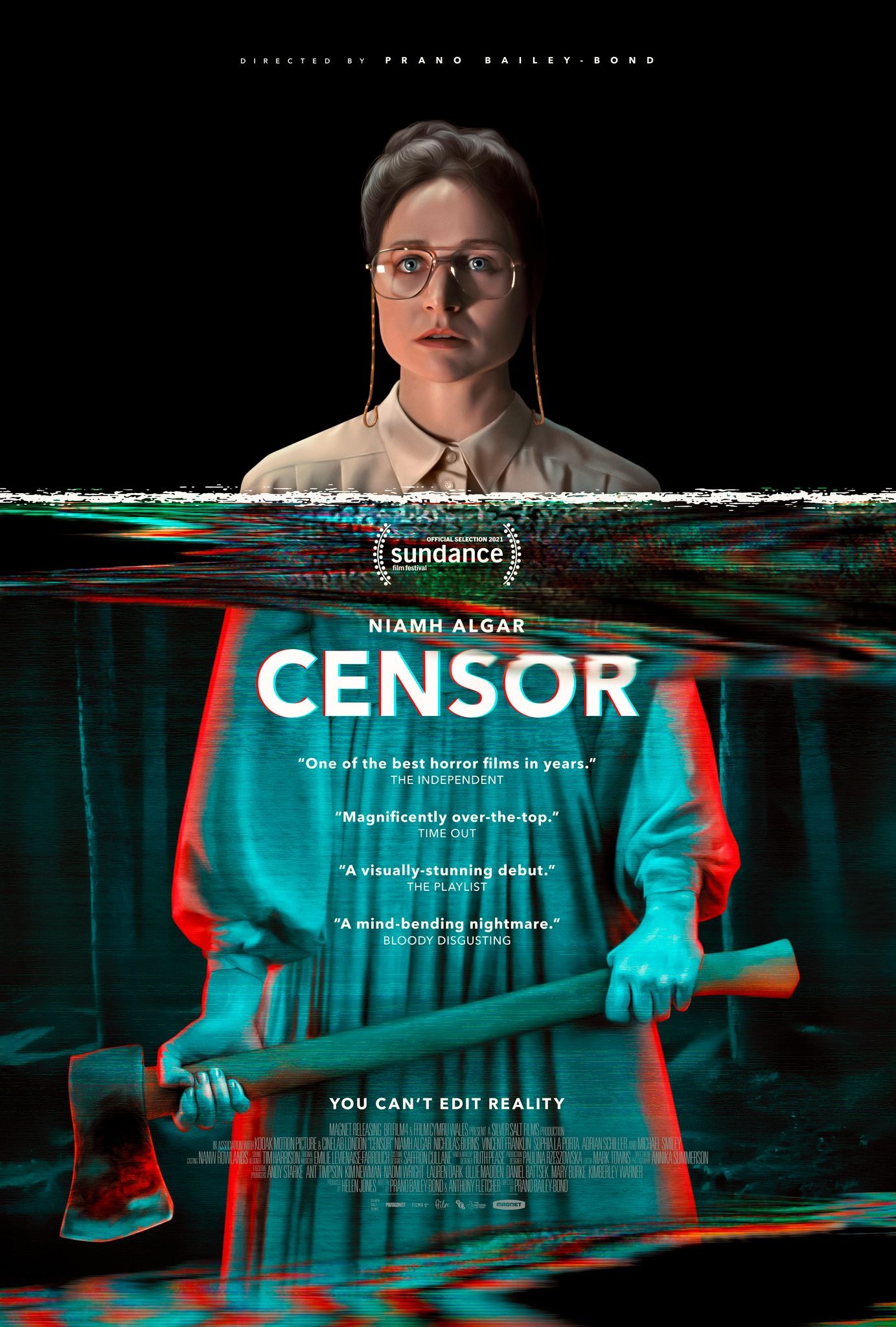
There are weeks when television and film simply provide entertainment, and there are weeks when they seem to engage in a wider conversation. This is one of the latter. Running through this week’s selections are questions about memory, identity and the stories nations tell about themselves. From Brazil’s obsession with football to the American Revolution, from the anti-apartheid movement to Brexit ten years on, from the Somme to Jack the Ripper, the past is everywhere.
Yet this is not a week trapped by nostalgia. Alongside the historical themes come reflections on artificial intelligence, internet culture, celebrity, science fiction and the future itself. Add in some superb classic cinema, a welcome celebration of comedy legends such as Mel Brooks and Rick Mayall, and a rare chance to revisit one of Britain’s greatest television dramas, and there is plenty here to reward curiosity. Selections and writing are by Pat Harrington.
🌟 Highlights
🌟 Goolagong (BBC Four, Saturday) – the story of one of the greatest sporting figures of the twentieth century.
🌟 Sound of Metal (BBC Two, Tuesday) – one of the most moving and original films of recent years.
🌟 Our Friends in the North (BBC Four, Wednesday) – still one of the finest dramas British television has ever produced.
Saturday 20th June
John Snow: A Last Big Story – Channel 4, 8.00pm
John Snow’s final broadcast feels less like a curtain call and more like a reckoning with time itself. The veteran journalist — now living with Alzheimer’s — turns the camera inward, tracing the contours of memory as both a gift and a thief. For decades he stood at the heart of history: wars, revolutions, elections, human triumphs and tragedies. Now, the story he’s telling is his own.
This is not a sentimental goodbye but a lucid, brave exploration of what it means to lose the very faculties that once defined a life’s work. Snow speaks with the same candour that marked his reporting, acknowledging the fog that sometimes descends and the grace of those who help him navigate it — especially his wife, Precious, whose presence here is tender and grounding.
The “last big story” is not about politics or conflict; it’s about the endurance of truth when memory falters. It’s about love, dignity, and the stubborn light of curiosity that refuses to go out. A moving, humane hour — and a reminder that journalism, at its best, is an act of empathy.
Goolagong – BBC Four, 9.00pm and 9.50pm (Episodes 1 & 2 of 3)
Evonne Goolagong Cawley’s story has always felt bigger than tennis — a life lived at the intersection of sporting brilliance and cultural change. These opening chapters trace her rise from a small Australian town to the centre court of the world, a journey shaped as much by quiet resilience as by natural grace.
What emerges is not just a portrait of a champion but of an Indigenous woman navigating a country that often refused to see her fully. The series treats her achievements with the respect they deserve, but it also lingers on the deeper legacy: how she became a symbol of possibility for those who had been told to expect little. A thoughtful, beautifully paced tribute.
Big (1988) – Great TV, 6.50pm
There’s a reason *Big* still works: beneath the high‑concept premise sits a film with real heart. Tom Hanks — all open‑faced wonder and awkward limbs — gives one of those performances that seems effortless until you try to imagine anyone else doing it.
The comedy is warm rather than wacky, the emotion earned rather than engineered. And in the middle of it all is that bittersweet truth the film never quite says aloud: childhood is fleeting, adulthood arrives too quickly, and sometimes the only way to understand either is to stand in the wrong shoes for a while.
The Odessa File (1974) – Talking Pictures TV, 9.05pm
A taut, wintry thriller adapted from Frederick Forsyth’s bestseller, *The Odessa File* plunges into the murky world of post‑war secrets and the shadow networks that tried to keep the past buried. Jon Voight plays the journalist drawn into a conspiracy that feels both sprawling and claustrophobic, the kind where every answer only deepens the unease.
It’s very much of its era — all cold streets, coded messages and moral ambiguity — but that’s part of its power. A reminder that history doesn’t end cleanly; it lingers, waiting to be uncovered.
The Hitcher (1986) – Legend, 3.05am
A late‑night shocker that still has the power to unsettle. Rutger Hauer’s performance as the enigmatic hitchhiker is one of those rare turns that elevates a genre film into something mythic: calm, charismatic, and terrifying precisely because he never overplays it.
The film itself is lean and relentless, a road movie that becomes a nightmare with no safe exits. If you’re awake at this hour, it will stay with you longer than you expect.
The Frighteners (1996) – Film4, 12.05am
Before Middle‑earth came calling, Peter Jackson made this wonderfully odd supernatural comedy‑horror — a film that refuses to sit neatly in any one box. Michael J. Fox anchors the chaos with charm, while Jackson fills the frame with inventive effects, tonal shifts and a sense of mischief that feels very much his own.
It’s a film that deserved a kinder reception on release, and time has only strengthened its cult appeal. Strange, stylish, and surprisingly heartfelt.
Sunday 21st June
Free Nelson Mandela (Episode 2 of 3) – Channel 4, 9.00pm
A compelling examination of the international campaign that helped bring apartheid to an end.
Later… with Jools Holland – BBC Two, 10.00pm
From Alexandra Palace Theatre, featuring Shania Twain, KNATS, Arlo Parks and Sam Smith. Later remains one of the best showcases for live music on television.
Gaia (2021) – Film4, 1.45am
A late‑night curio with real bite. *Gaia* takes the familiar language of eco‑horror — the forest as something ancient, watchful, and quietly furious — and pushes it into stranger, more psychological territory. The film’s power lies in its atmosphere: humid, oppressive, and threaded with the sense that nature is no longer content to be background scenery.
It’s a story about guilt and stewardship, but also about the thin line between reverence and fear. Visually striking, thematically unsettling, and perfect for the small hours when the world feels a little too alive.
The Vikings (1958) – Great Action, 2.30pm
A glorious slice of old‑school Hollywood adventure, all roaring seas, clashing swords and Technicolor swagger. Kirk Douglas and Tony Curtis throw themselves into the spectacle with the kind of commitment modern blockbusters rarely muster — every gesture big, every emotion worn proudly on the surface.
It’s a film from a time when historical epics were built on charisma rather than CGI, and its charm lies in that very theatricality. Broad, bold, and irresistibly entertaining.
Goldfinger (1964) – ITV1, 4.20pm
For me, Goldfinger isn’t just a Bond film — it’s the Bond film. The one where everything clicks into place: the swagger, the style, the danger, the flirtation, the sense that the whole enterprise has suddenly discovered its own mythology. Sean Connery is at his most relaxed and lethal, moving through the film with that effortless mix of charm and steel that no one has ever quite matched.
But what really seals its place as my favourite is the humour threaded through Ulrich Goldfinger’s dialogue — that dry, almost courtly villainy that makes every exchange a pleasure. There’s a theatricality to him, a sense that he enjoys the game as much as Bond does, and the script gives him lines that still sparkle decades later.
Sleek, confident and endlessly rewatchable, Goldfinger is the moment Bond stopped being a series of spy capers and became a cultural institution — and it still feels like the gold standard.
Hidden Figures (2016) – Film4, 6.30pm
A genuinely uplifting drama that earns every emotional beat. *Hidden Figures* tells the story of the Black women mathematicians whose brilliance helped steer NASA through the early space race — a chapter of history too long overlooked.
The film balances its inspirational arc with sharp performances and a clear‑eyed understanding of the barriers these women faced. It’s a celebration not just of intellect, but of persistence, dignity and the quiet heroism of being excellent in a world determined not to see you.
Three Billboards Outside Ebbing, Missouri (2017) – Channel 4, Midnight
Martin McDonagh’s darkly comic drama walks a tightrope between fury and tenderness. Frances McDormand is extraordinary as a mother weaponising grief into action, while the film circles themes of justice, forgiveness and the messy, contradictory ways people try — and fail — to be better.
It’s prickly, provocative, and impossible to shake. A midnight screening feels fitting: this is a story that sits with you long after the credits roll..
Monday 22nd June
Britain’s Railway Empire in Colour – More4, 9.00pm
There’s something quietly mesmerising about colourised archive footage — the way it collapses the distance between then and now. This series uses it to bring Britain’s industrial and transport heritage vividly back to life, revealing a world that feels both familiar and impossibly distant. Steam, steel and soot become not just historical artefacts but lived textures, reminders of the ingenuity and labour that built the modern country. A gentle, absorbing watch.
Lucy Worsley Investigates: Jack the Ripper – BBC Two, 9.00pm
Worsley takes a welcome detour from the usual true‑crime obsession with suspects and theories. Instead of asking who Jack the Ripper was, she asks what the murders did to us — how they shaped the modern appetite for grisly narratives, sensational reporting and the commodification of fear. It’s a thoughtful reframing, peeling back the mythology to reveal the cultural machinery beneath. Less whodunnit, more why‑we‑still‑care.
Andy Warhol’s America: Living the Dream – BBC Four, 9.00pm
Warhol understood celebrity long before the rest of us caught up. This documentary explores the artist not just as a painter or provocateur, but as a kind of cultural antenna — someone who sensed where America was heading and mirrored it back with unnerving clarity. Fame, consumerism, reinvention: Warhol didn’t just depict the American dream, he dissected it. A sharp, stylish portrait of an artist who saw the future and shrugged.
House of the Dragon – Sky Atlantic, 9.00pm
The fires of Westeros burn on. This chapter of the Targaryen saga continues to revel in dynastic politics, betrayals and the uneasy dance between power and prophecy. Dragons soar, alliances crumble, and every conversation feels like a prelude to violence. It’s grand, operatic television — the kind that understands the pleasure of watching a world eat itself from the inside out.
American Visions: The Way from the Atlantic – BBC Four, 10.00pm
A rich, expansive look at how waves of immigration reshaped American art and identity. This episode traces the cultural currents that flowed from the Atlantic into the American imagination, showing how new arrivals transformed not just the country’s demographics but its creative language. A thoughtful, beautifully curated hour for anyone interested in how nations reinvent themselves.
Secrets of the Celebrity Sex Tapes – Channel 4, 11.05pm
A provocative but revealing dive into a phenomenon that helped redefine modern fame. The programme examines how leaked tapes — once scandals — became stepping stones in the machinery of celebrity culture, blurring the lines between exploitation, agency and opportunism. It’s a story about voyeurism, power and the strange economy of attention that governs the digital age.
The Producers (1967) – BBC Two, 11.00pm
Mel Brooks’ debut feature still feels like a controlled explosion of comic energy. Zero Mostel and Gene Wilder are a perfect double act — one volcanic, the other perpetually on the brink of collapse — and the film’s audacity hasn’t dimmed with time. Satire this bold shouldn’t work, yet it does, gloriously. A riotous, meticulously crafted masterpiece.
The Phantom of Soho (1964) – Talking Pictures TV, 11.30pm
A rare chance to catch a German *Krimi* — those stylish, atmospheric crime thrillers often adapted from Edgar Wallace novels. *The Phantom of Soho* offers all the genre’s pleasures: fog‑shrouded streets, eccentric villains, and a mystery that feels both pulpy and oddly elegant. A cult curio, and a reminder of how inventive European genre cinema could be in the 1960s.
Alan Partridge: Alpha Papa (2013) – BBC One, 12.30am
One of the few TV‑to‑film transitions that genuinely works. *Alpha Papa* keeps Partridge’s small‑scale pettiness intact while placing him in a hostage‑crisis plot that somehow amplifies his absurdity rather than overwhelming it. Steve Coogan is superb, balancing pathos and pomposity with surgical precision. A late‑night treat for anyone who appreciates comedy built on exquisite discomfort.
Tuesday 23rd June
Peter Murrell: The Man with the Money – BBC Two, 7.00pm
A cool‑headed look at one of the most contentious recent chapters in Scottish politics. The documentary traces how Peter Murrell — once a discreet operator behind the scenes — became a central figure in a story that spiralled far beyond party lines. It’s less about scandal for its own sake and more about the fragility of political trust, and how quickly reputations can unravel in the glare of public scrutiny.
The American Revolution: The Times That Try Men’s Souls – BBC Four, 10.00pm
The early days of the American struggle for independence were defined by uncertainty, exhaustion and a sense that the whole enterprise might collapse before it began. This episode captures that precariousness — the cold winters, the wavering morale, the sheer improbability of the cause. A sober, well‑drawn reminder that revolutions are rarely born in triumph; they begin in doubt.
The American Revolution: Conquered by a Drawn Game – BBC Four, 11.00pm
The conflict enters a phase where victory becomes less about winning battles and more about simply enduring them. This chapter explores the strategic stalemates and the psychological toll of a war that refused to resolve itself neatly. Survival becomes its own kind of triumph, and the series shows how persistence — rather than glory — ultimately shaped the nation’s fate.
Science Fiction: Atomic Age – Sky Arts, 11.00pm
Margaret Atwood and a roster of sharp minds explore how science fiction absorbed and refracted the anxieties of the Cold War. Mutants, invasions, dystopias — all the familiar tropes take on new resonance when seen as expressions of nuclear fear and geopolitical tension. A thoughtful, engaging hour that treats sci‑fi not as escapism but as a cultural seismograph.
The Strange Love of Martha Ivers (1946) – Talking Pictures TV, 1.35pm
A richly tangled film noir steeped in secrets, ambition and the corrosive power of old sins. Barbara Stanwyck is magnetic as the woman at the centre of a web she helped spin, and the film’s atmosphere — all shadows, guilt and brittle glamour — is irresistible. A classic that still cuts deep.
The War of the Worlds (1953) – Legend, 3.00pm
The definitive screen telling of H.G. Wells’ alien invasion tale. Even now, the film’s blend of Cold War paranoia, religious awe and apocalyptic spectacle feels potent. The Martian machines remain iconic, and the sense of civilisation teetering on the brink is handled with a seriousness that later adaptations sometimes sidestep. A cornerstone of sci‑fi cinema.
Live Now Pay Later (1962) – Talking Pictures TV, 4.05pm
A sharp, surprisingly modern satire about consumerism and the seductive pull of easy credit. The film skewers the salesman culture of the era, but its observations about debt, desire and the illusion of prosperity feel eerily current. A sly, clever gem that deserves more attention.
Escape from New York (1981) – Legend, 11.30pm
John Carpenter’s dystopian classic remains a masterclass in world‑building: grimy, anarchic, and pulsing with attitude. Kurt Russell’s Snake Plissken is the ultimate anti‑hero — laconic, cynical, and somehow still magnetic. The film’s vision of a decaying America sealed inside its own violence feels both fantastical and uncomfortably prophetic.
Sound of Metal (2019) – BBC Two, 12.05am
An extraordinary, deeply humane film about hearing loss, identity and the painful work of acceptance. Riz Ahmed delivers a career‑defining performance as a drummer whose world collapses and reshapes itself in ways he never expected. The sound design is astonishing, pulling the viewer into his shifting sensory reality. A quiet masterpiece about learning to live differently.
Wednesday 24th June
Peter Flannery Remembers Our Friends in the North – BBC Four, 10.00pm
A quiet, reflective half‑hour in which Peter Flannery looks back at the making of one of British television’s towering achievements. What emerges isn’t just nostalgia but a sense of how rare it is for a drama to capture the sweep of political, social and personal change with such clarity. Flannery speaks with the calm authority of someone who knows he created something that will outlast all of us.
Our Friends in the North – BBC Four, 10.15pm, 11.25pm and 12.30am
The 1964, 1966 and 1967 episodes return — early chapters in a saga that still feels astonishingly relevant. Watching them now, you’re struck by how confidently the series moves between the intimate and the epic: friendships tested by ambition, politics reshaping lives, history pressing in on ordinary people. It remains one of the great British dramas, not because it tries to be important, but because it understands how people are shaped by the times they live through.
How Green Was My Valley (1941) – Film4, 1.30pm
John Ford’s elegy to a Welsh mining community is as moving now as it was eight decades ago. The film’s power lies in its tenderness — the way it honours working‑class life without romanticising the hardship that defined it. Memory, loss and belonging run through every frame, and Ford’s eye for human dignity remains unmatched. A classic that earns its sentiment.
Bad Lieutenant (1992) – Legend, 1.35am
This version of *Bad Lieutenant* is one of my favourite films — and it’s easy to explain why. Abel Ferrara strips the crime drama down to something raw, feverish and spiritually bruised. Harvey Keitel gives a performance that feels almost too intimate for the screen: a man collapsing under the weight of his own corruption, staggering through addiction, rage and self‑loathing until he reaches a moment of grace that is as shocking as anything that precedes it.
What makes the film extraordinary is its refusal to tidy up human behaviour. It’s messy, anguished, confrontational — but also deeply compassionate. Ferrara understands that redemption, when it comes, is rarely clean or comfortable. The film stares directly at human ruin and still finds something worth salvaging. That’s why it lingers, and why it remains one of the most powerful pieces of American cinema of the 1990s.
Thursday 25th June
Boy George and Culture Club – Sky Arts, 9.00pm
A look back at one of the defining acts of the 1980s.
Rick Mayall: Magnificent Bastard – Sky Documentaries, 9.00pm
A full‑blooded tribute to a performer who didn’t just change British comedy — he detonated it. Rick Mayall was a force of nature: all manic energy, wicked intelligence and that unmistakable glint that told you he was about to push a scene somewhere dangerous, hilarious, or both. The documentary captures that volatility beautifully. You’re reminded how he could dominate a frame simply by entering it, how his presence made even seasoned actors brace themselves for impact.
What comes through most strongly is the sheer joy of him — the way he treated comedy as a contact sport, hurling himself into performances with a physicality that felt both reckless and precise. Whether it was the punk chaos of The Young Ones, the grotesque brilliance of Bottom, or the sly, weaponised charm he brought to everything else, Mayall operated on a frequency entirely his own.
But the programme also honours the man behind the mayhem: the generosity, the loyalty, the fierce work ethic. Colleagues speak about him with a mixture of awe and affection, aware that they were in the orbit of someone genuinely irreplaceable.
It’s a reminder that Mayall didn’t just make people laugh — he expanded the possibilities of what British comedy could be. A magnificent bastard, yes, but also a once‑in‑a‑generation talent whose influence still ripples through everything that came after.
Mel Brooks and Me – BBC Four, 11.25pm
Alan Yentob sits down with a comedy titan whose career spans continents, genres and several eras of American entertainment. Brooks is funny even when he’s not trying to be, but what makes this profile compelling is the sense of a man who has always understood the mechanics of laughter — how to build it, how to weaponise it, and how to survive by it. A warm, generous portrait.
Imagine: Mel Brooks Unwrapped – BBC Four, 11.35pm
A companion piece that digs deeper into Brooks’ extraordinary career, from the Borscht Belt to Broadway to Hollywood. There’s mischief, of course — Brooks can’t help himself — but also a surprising amount of reflection. You’re reminded that behind the chaos of *The Producers* and *Blazing Saddles* lies a meticulous craftsman who shaped modern comedy more than almost anyone else.
Little Big Man (1970) – 5 Action, 1.20pm
Arthur Penn’s revisionist western dismantles the myths of the American frontier with wit, melancholy and a sharp political edge. Dustin Hoffman plays the 121‑year‑old Jack Crabb recounting a life lived at the margins of history, and the film uses his tall tales to expose the violence and hypocrisy beneath the old cowboy legends. Funny, tragic and quietly radical.
All the King’s Men (1949) – Film4, 2.45pm
A powerful, still‑resonant study of political corruption and the seductive pull of populism. Broderick Crawford is mesmerising as Willie Stark, a man who begins with righteous fury and ends consumed by the very forces he once railed against. The film’s moral clarity — and its understanding of how power corrodes — feels as sharp today as it did in 1949.
Friday 26th June
What Happened at the Somme – BBC One, 7.30pm
Whenever a programme turns its attention to the First World War, I find myself watching through the lens of my own visits to the Somme — trips taken over many years with my good friend, mentor and historian Alan Midgley, who is sadly no longer with us. Alan had that rare gift of bringing history alive without ever sensationalising it. Walking those fields with him — the wind moving through the grass, the silence settling over ground that once shook with unimaginable violence — changed the way I understand the war. It stopped being “history” and became something intimate, human, and painfully present.
One image in particular has stayed with me: the German First World War Jewish graves at Falaise cemetery. Perfectly tended, modest, marked with the Star of David. Standing there, Alan quietly explaining the regiments and the dates, I felt the weight of something far larger than the war itself. These were young men who fought and died for a country that, within a generation, would declare them outsiders, strip them of citizenship, and ultimately murder their families.
Their sacrifice — loyal, patriotic, and no different from that of their Christian comrades — counted for nothing in the eyes of the regime that followed. That is the tragedy carved into those stones. They died believing they were part of the German nation; history repaid them with betrayal.
It is impossible to stand in that cemetery and not feel the moral dissonance of it all: the neat rows, the dignity of the inscriptions, the quiet respect of the place — and the knowledge that the country they served would later deny their very right to belong. It is one of the most haunting lessons the Western Front offers: that memory is fragile, and that the meaning of sacrifice can be rewritten by those who come after.
So when I watch any documentary about the Great War — its battles, its politics, its human cost — I do so with those visits in mind. The Somme is not just a battlefield; it is a landscape of ghosts. And thanks to Alan, I learned to see it not as a place of death, but as a place of enduring remembrance — a reminder of how easily nations forget the people who fought for them, and how important it is that we do not.
Independence Storm – PBS America, 7.55pm
A clear‑eyed historical documentary tracing the turbulent path toward national independence. Rather than offering a tidy narrative, it leans into the complexity — the competing visions, the fractures within movements, and the sheer human cost of political transformation. It’s a reminder that independence is rarely a single moment of triumph, but a long, contested process shaped by sacrifice, compromise and the stubborn will of ordinary people.
My Tiger Family – BBC Two, 9.00pm
An intimate, beautifully shot wildlife documentary that follows a family of tigers with a patience and tenderness that feels almost novelistic. The filmmakers give the animals space to be themselves — wary, playful, fierce, vulnerable — and the result is a portrait of family life that feels surprisingly relatable. The jungle becomes a character in its own right, a place of danger and sanctuary in equal measure. Quietly captivating.
Flood: When the Thames Drowned London – Channel 5, 9.00pm
A gripping reconstruction of one of London’s greatest natural disasters, charting how a combination of weather, tide and human miscalculation brought the capital to the brink. The programme blends eyewitness accounts, archival material and expert analysis to show how fragile a city can be when nature decides to test it. It’s sobering, but also oddly reassuring — a reminder of how much has been learned, and how much still depends on vigilance.
Madonna and Graham – BBC One, 10.40pm
Madonna joins Graham Norton for what promises to be a lively, revealing conversation. She remains one of pop’s most enduring provocateurs — sharp, funny, and entirely unwilling to play the role expected of her. Norton, with his mix of mischief and empathy, is one of the few interviewers capable of drawing out both the armour and the person beneath it. Expect candour, humour and at least one moment that will be replayed endlessly online.
True Grit (1969) – 5 Action, 1.25pm
The film that finally won John Wayne his Oscar, and with good reason. As Rooster Cogburn, Wayne delivers a performance that balances gruffness with surprising warmth, playing a man whose rough exterior hides a stubborn moral core. The film itself is a classic frontier tale — dusty, funny, and shot through with a melancholy that deepens with age. A western that earns its place in the canon.
Psycho (1960) – BBC Two, 11.00pm
Hitchcock’s masterpiece remains one of the most influential thrillers ever made — a film that rewrote the rules of suspense, narrative and audience expectation. Even now, its shocks still land, not because of gore but because of the director’s absolute command of tension and misdirection. Bernard Herrmann’s score, the stark black‑and‑white photography, the audacity of the plot — it all adds up to a film that feels both timeless and perpetually unsettling. A landmark of modern cinema.
Dark Waters (2019) – BBC Two, 12.45am
A quietly devastating film that takes a familiar American story — corporate malfeasance on an industrial scale — and strips it of sensationalism until all that remains is the slow, grinding horror of the truth. Todd Haynes directs with a kind of moral stillness, letting the facts speak for themselves, and the result is a drama that feels less like a thriller and more like a reckoning.
Mark Ruffalo gives one of his finest performances as Rob Bilott, the corporate defence lawyer who finds himself on the wrong side of the table when a West Virginia farmer brings him evidence of something deeply wrong. What begins as a favour becomes a decades‑long battle against DuPont, a company whose chemical pollution poisoned a community, contaminated the water supply, and quietly entered the bloodstream of almost every living person on the planet.
The film’s power lies in its refusal to exaggerate. There are no grand speeches, no courtroom fireworks, no Hollywood catharsis. Instead, Haynes shows the toll of persistence: the long nights, the fraying relationships, the professional isolation, the sense of pushing against a machine designed to exhaust anyone who challenges it. Bilott’s heroism is not glamorous — it is patient, stubborn, and quietly self‑sacrificial.
What makes Dark Waters so unsettling is the scale of the harm. The chemicals at the centre of the case — PFOA, used in Teflon — were never meant to leave the lab, yet they ended up everywhere: in rivers, in soil, in animals, in human blood. The film makes clear that this wasn’t an accident but a choice, a corporate calculation that the cost of cleaning up would be greater than the cost of letting people suffer.
Haynes shoots the story in muted tones, as if the world itself has been leached of colour by the contamination. It’s a visual metaphor for a system where accountability is always deferred, and where the truth emerges only because one man refuses to stop digging.
By the time the credits roll, the devastation is not loud but cumulative — a sense of how fragile public trust is, and how easily it can be poisoned when profit becomes the only measure of value. Dark Waters is a film that lingers, not because it shocks, but because it tells the truth plainly and lets the implications settle in your bones.
Streaming Choice
The Root of the Game (Netflix) – A rich, three‑part exploration of Brazil’s relationship with football — not as a pastime, but as a national language. The series understands that Brazilian football is inseparable from the country’s history, politics and social tensions. It moves from the street pitches of Rio to the vast modern arenas, tracing how the game became a vehicle for identity, resistance and joy.
What’s most striking is the emotional range: football as escape, as aspiration, as a mirror of inequality, and as a kind of collective poetry. The documentary captures the swagger and sorrow of a nation that sees itself reflected in the way it plays.
Avatar: Fire and Ash (Disney+) – James Cameron continues his ecological epic with a chapter that deepens the mythology of Pandora while pushing the emotional stakes higher. The film blends astonishing visual spectacle with a story rooted in family, displacement and the cost of survival.
Cameron remains one of the few filmmakers who can make digital worlds feel tactile and lived‑in. The action sequences have a clarity and physicality that most blockbusters can only dream of, but the real power lies in the quieter moments — the bonds between characters, the rituals of Na’vi life, the sense of a world fighting to protect itself.
It’s grand, earnest, and made with a sincerity that feels increasingly rare.
The Agency – Season 2 (Paramount+) – One of television’s smartest espionage dramas returns with a second season that doubles down on moral ambiguity and psychological tension. The series treats intelligence work not as glamour but as a slow erosion of certainty — a world where loyalty is provisional, truth is negotiable, and every decision carries a cost.
The writing is taut, the performances tightly wound, and the plotting intricate without ever becoming opaque. It’s a rare spy drama that trusts the audience to keep up, and rewards them for doing so.
I Am Frank Ordell (Netflix) – An animated fantasy adventure with a streak of eccentricity that sets it apart from the usual streaming offerings. Frank Ordell is an unlikely hero drawn into a world of magic, mischief and moral dilemmas, and the film balances humour with a surprisingly thoughtful emotional core.The animation is vibrant without being frantic, and the storytelling has that gentle, slightly off‑centre charm that appeals to adults as much as children. A small, distinctive delight.
Richard Jewell (Netflix) – Clint Eastwood’s quietly furious examination of media hysteria and institutional failure. The film recounts the true story of Richard Jewell, the security guard who discovered a bomb at the 1996 Atlanta Olympics — and was then wrongly accused of planting it. Paul Walter Hauser gives a remarkable, deeply humane performance as a man bewildered by the speed with which public admiration turned into suspicion. Eastwood directs with restraint, letting the injustice speak for itself.
The film’s critique of press frenzy and FBI overreach feels depressingly timeless.
The American Experiment (Netflix) – A sweeping documentary series that examines how American identity has been constructed, contested and continually reinvented. Rather than offering a single thesis, it embraces contradiction: the tension between idealism and inequality, unity and division, myth and reality.
It moves through history, culture, politics and personal testimony, showing how the idea of America has always been a negotiation rather than a fixed point. Thoughtful, ambitious and refreshingly nuanced.
Boiling Point (Channel 4 Streaming) – f you haven’t seen it yet, now is the moment. Boiling Point is one of the most gripping British dramas of recent years — a single‑take pressure cooker set in a restaurant kitchen on the brink of collapse. Stephen Graham is superb as a chef barely holding his life together, and the film captures the chaos, camaraderie and emotional volatility of service with unnerving authenticity. It’s tense, humane and utterly absorbing. Catch it before it disappears.
Volver (BFI Player) – Pedro Almodóvar’s warm, funny and deeply humane masterpiece — a film that blends melodrama, mystery and domestic comedy with the director’s trademark generosity of spirit. Penélope Cruz gives one of her finest performances as a woman navigating family secrets, grief and unexpected reinvention. The film is a celebration of female resilience, community and the strange ways the past refuses to stay buried. Rich, colourful and emotionally resonant, Volver is Almodóvar at his most accessible and most profound.
Radio Choice
Midsummer Dreaming – Radio 3, Saturday 9.30pm
A gently enchanting programme that treats midsummer not as a date in the calendar but as a state of mind — a moment when the year seems to pause, the light stretches impossibly long, and the world feels briefly suspended between the ordinary and the magical. Midsummer Dreaming weaves together music, poetry and quiet reflection to evoke that sense of threshold: the lingering glow of evening, the hum of the natural world, the feeling that something ancient is stirring just beyond the edge of perception.
Radio 3 excels at this kind of mood‑building, and the programme draws on a wide palette — from folk traditions and choral works to contemporary compositions that capture the shimmer and stillness of the season. The selections aren’t just pretty; they’re evocative, tapping into the deep cultural roots of midsummer as a time of ritual, celebration and gentle mischief.
Interwoven with the music are reflections that give the hour its emotional weight. There’s a sense of looking both forward and back: midsummer as a moment of abundance, but also a reminder that the light will soon begin to recede. The programme understands that this is what gives the season its poignancy — the beauty is heightened because it is fleeting.
It’s the kind of broadcast that invites you to slow down, step outside for a moment, and listen to the world breathing. A perfect midsummer companion: thoughtful, atmospheric and quietly restorative.
An exploration of what it truly means to listen.
10 Years After Brexit – Radio 4, Sunday 1.30pm
A decade on from Britain’s departure from the European Union, this programme takes a measured, quietly probing look at what has — and hasn’t — changed. Rather than reheating the old arguments, it focuses on lived experience: how Brexit has reshaped work, identity, borders, and the country’s sense of itself.
Economists, historians and ordinary citizens offer perspectives that are sometimes contradictory, sometimes unexpectedly aligned, but always grounded in the reality of a nation still negotiating the consequences of its choice.
What emerges is not a verdict but a portrait of a country in transition — one still trying to understand what sovereignty means in practice, and what kind of future it wants to build.
As with all political retrospectives, listeners should confirm details with trusted sources.
Being Greek – Radio 4, Tuesday 9.00am
A thoughtful examination of identity, heritage and belonging.
Podcast Choice
Artifacts
A compelling series that digs into the emotional history of the internet — not the technology, but the traces we leave behind. Each episode takes a digital “artifact” (a message board post, a meme, a long‑forgotten website, a viral moment) and uses it as a doorway into the ways online life has shaped memory, relationships and self‑expression.
What makes it special is its tone: empathetic, curious, and alert to the fact that the internet is not just infrastructure but a vast archive of human longing, creativity and embarrassment.
It’s a reminder that digital culture isn’t ephemeral at all — it’s where many of our most intimate stories now live.
Endgame
A thoughtful, often unsettling exploration of one of the defining questions of our age: can humanity live alongside Artificial General Intelligence? Rather than indulging in sci‑fi panic or techno‑utopian cheerleading, the podcast takes a sober, interdisciplinary approach — speaking to philosophers, engineers, ethicists and psychologists about what AGI might mean for work, autonomy, creativity and the very idea of being human. The strength of the series lies in its refusal to simplify. It acknowledges both the extraordinary potential and the profound risks, and it treats listeners as adults capable of holding both ideas at once. A gripping, intellectually serious listen that feels urgently relevant.
The Rest Is Politics – Who Funds Reform?
An examination of political funding, influence and the forces behind one of Britain’s most talked-about political movements.
This week’s Culture Vulture ranges from the Welsh valleys of 1941 to the future of artificial intelligence, from Bond and Hitchcock to Evonne Goolagong and Nelson Mandela. The strongest thread running through it all is the question of how individuals and societies tell their stories. Whether through film, television, radio or podcasts, the past is constantly being revisited, challenged and reinterpreted. That makes this one of the most thoughtful and rewarding cultural weeks of the year so far.