Archive for Uncategorized

Culture Vulture 25th Of October – 1st of November 2024

4,625 words, 24 minutes read time.

Welcome to Culture Vulture. It is your ultimate alternative weekly entertainment guide. We bring you the best of film, music, and the arts. Our perspective is fresh. Mainstream media often overshadows unique voices and creative expressions. Culture Vulture aims to shine a light on hidden cultural gems that deserve your attention. Each week, we curate a selection of films, music, and events designed to inspire and engage. We celebrate the diverse tapestry of artistic endeavours that shape our world.

Highlights this week include:

The Third Man (1949) – In post-WWII Vienna, a writer investigates his friend’s mysterious death, uncovering a world of shadows, betrayal, and suspense.

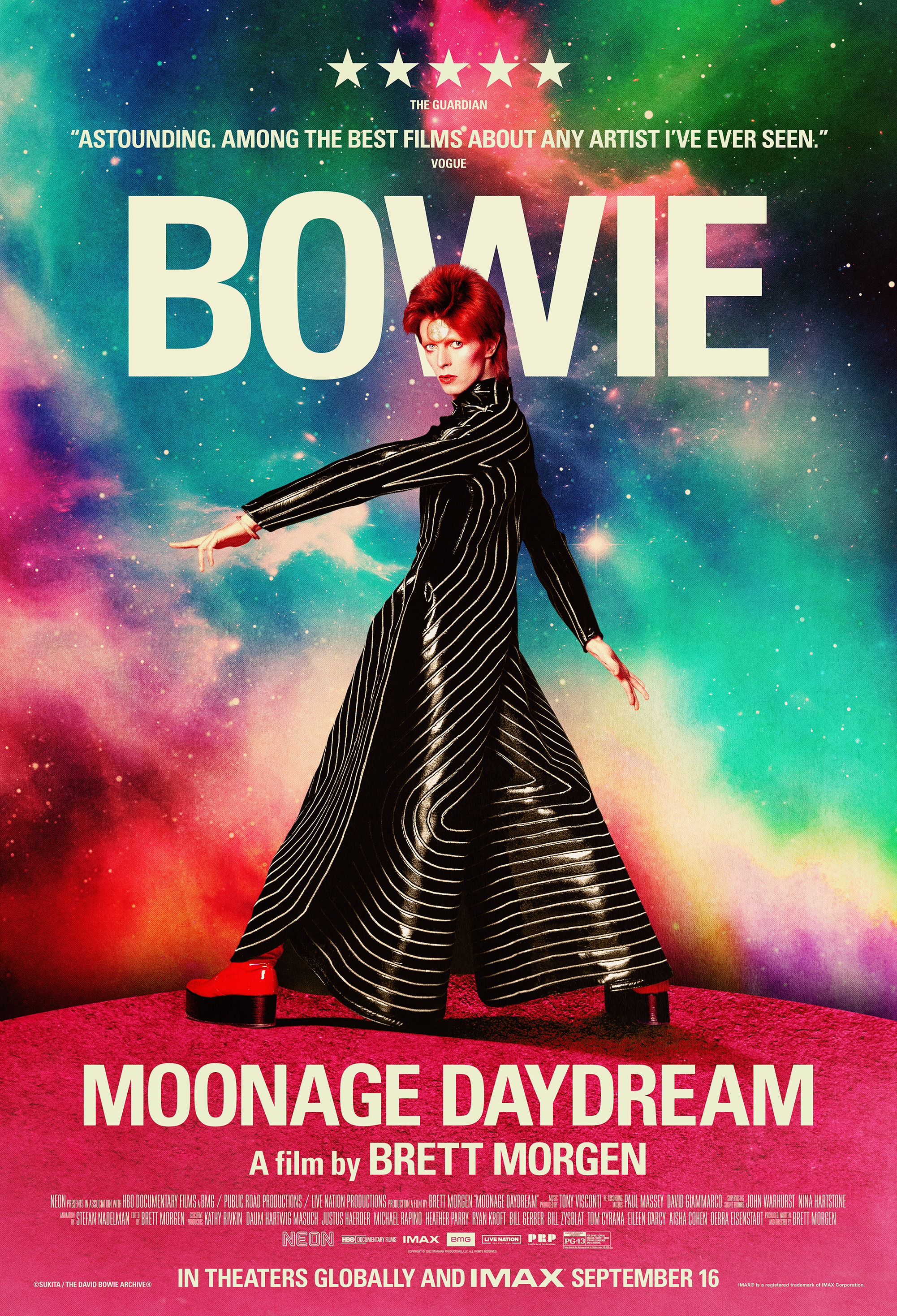
Moonage Daydream (2022) – This documentary explores the life and genius of David Bowie through stunning visuals and rare archival footage, celebrating his lasting impact on music and culture.

Mad Max 2: The Road Warrior (1981) – In a dystopian wasteland, a drifter becomes an unlikely hero as he helps a band of survivors defend their fuel supply from ruthless marauders.

Saturday 26th of October 2024

Julius Caesar (1953) – BBC2, 1 PM

In Julius Caesar, Shakespeare’s classic tragedy, the story delves into the consequences of power and the lengths individuals go to preserve or dismantle it. The film captures the tension between personal allegiance and civic duty, with Brutus forced to weigh his loyalty to Caesar against his duty to the state. This portrayal of torn loyalty and its consequences brings to light the fragile balance between personal bonds and public responsibility.

Caesar’s ambition and eventual assassination raise questions about leadership and its potential for corruption. The conspirators’ actions illustrate how fear of tyranny can justify extreme actions, igniting debates over the use of violence as a preventive measure against despotism. The film asks the viewer to consider the morality of taking drastic action for a cause and the shadow it casts over those who commit it.

Throughout, the fickleness of the Roman citizens highlights how easily public opinion can be manipulated, especially through persuasive speech. This demonstrates how influential rhetoric can be in shaping or distorting collective beliefs, a reminder of the potency of words and their power to direct actions, both noble and catastrophic.

The portrayal of loyalty—whether to friends, ideals, or a nation—resonates through the characters’ interactions, each facing choices that force them to confront their principles. Mark Antony’s shifting allegiance after Caesar’s death serves as a reminder of the complexity of loyalty when personal and political motivations intertwine.

Julius Caesar ultimately paints a picture of the perils of ambition and the costs of betrayal, raising age-old questions about honour, duty, and the sacrifices made in the name of principle. The consequences faced by each character reflect the tragic price that individuals and societies often pay for idealism turned to action.

Dusty At the BBC – BBC2 9.10 PM

“Dusty at the BBC” is a captivating celebration of Dusty Springfield’s remarkable talent and charisma, showcasing her performances across various BBC programs. The collection features some of her most memorable songs, highlighting her powerful voice and emotional depth. Interspersed with interviews and behind-the-scenes insights, the documentary paints a vivid picture of Dusty’s impact on the music scene during the ’60s and ’70s. Fans will appreciate the rare footage and the nostalgic atmosphere, while newcomers will be drawn in by her undeniable star power.

Definitely Dusty BBC2 12.05 PM

“Definitely Dusty” is a heartfelt documentary that beautifully captures the life and legacy of Dusty Springfield, one of music’s most iconic figures. Through a mix of rare archival footage, interviews with friends and collaborators, and a deep dive into her musical journey, the film offers an intimate portrait of Dusty’s struggles and triumphs. It highlights her ground-breaking contributions to pop and soul music while also addressing the personal challenges she faced, including her sexuality and mental health. The documentary is both a tribute to her artistry and a reminder of the cultural barriers she broke down. Fans of music history will find it both enlightening and moving.

Moonage Daydream (2022) – C4, 10.10 PM

Moonage Daydream is a kaleidoscopic journey into the life of David Bowie, capturing his defiance of norms and boundless creativity. Bowie’s transformative approach to music and performance is portrayed as a radical act of self-expression, challenging conventions around identity and artistry. The film highlights his refusal to be confined to one persona, presenting a portrait of reinvention as a means of personal liberation.

Bowie’s influence on acceptance and inclusivity is a central theme. His unapologetic embrace of fluid identities offered a beacon for those who felt marginalized or restricted by traditional categories, encouraging audiences to explore their own individuality without constraint. In this way, Bowie’s legacy extends beyond music, touching lives as a symbol of freedom and acceptance.

The documentary delves into Bowie’s rejection of conventional fame, prioritizing artistic evolution over popularity. His decisions serve as a critique of celebrity culture, raising questions about the pressures placed on artists to maintain a static image for commercial success. Bowie’s journey suggests that true artistry lies in constant transformation rather than conforming to public expectations.

The emotional toll of fame is subtly explored through moments of Bowie’s vulnerability. His struggles to navigate both stardom and artistic integrity reveal the sacrifices inherent to a life in the spotlight, offering a glimpse into the inner conflicts faced by those who choose authenticity over superficial acceptance.

Through vivid visuals and captivating music, Moonage Daydream is an exploration of individuality, challenging viewers to consider the value of self-discovery and the courage it takes to pursue one’s unique path. Bowie’s legacy as an artist and an icon remains a testament to the power of reinvention and the enduring importance of personal authenticity.

Papillon (1973) – 5Action, 9 PM

Papillon tells the harrowing tale of a man’s unyielding quest for freedom amidst the brutal confines of a French penal colony. Based on a true story, the film reveals the grim conditions of prison life, contrasting the resilience of the human spirit with the oppressive nature of institutional punishment. The protagonist’s struggle embodies a relentless desire for autonomy, challenging the justice of a system that forsakes rehabilitation.

The close friendship between Papillon and Dega highlights a powerful bond forged through adversity. Their solidarity illustrates the capacity for connection even in the most dehumanizing circumstances, reflecting a fundamental aspect of human resilience and the strength derived from companionship in times of hardship.

Through Papillon’s repeated escape attempts, the story raises questions about what it truly means to be free. The physical confinements of prison are paralleled by the mental determination required to endure, with each attempt underscoring the value of personal agency and the lengths one might go to reclaim it.

The film paints an unflinching portrait of survival, depicting how desperation can blur moral boundaries. Papillon’s resourcefulness and determination come at a high personal cost, prompting viewers to consider what one might sacrifice in pursuit of freedom. His journey reminds us of the often-overlooked humanity within those society deems irredeemable.

In Papillon, themes of endurance, justice, and hope interweave to create a narrative that questions the validity of lifelong punishment and the human need for redemption. The story’s ultimate message is one of unbreakable will, showing that even within the harshest systems, the desire for freedom endures.


Sunday 27th of October 2024

The Third Man (1949) – BBC2, 12.15 PM

Set in post-war Vienna, The Third Man is a gripping noir that exposes the moral ambiguities in a fractured society. Against the backdrop of a city divided by political alliances, the film follows an American writer’s pursuit of truth in a landscape defined by deception. The devastated setting reflects the physical and ideological scars left by war, embodying a tension between trust and betrayal.

The central theme of deception unfolds through the elusive figure of Harry Lime, whose dubious activities reveal the corruption and exploitation that thrives in a destabilized society. Lime’s actions challenge conventional morality, suggesting that survival in a compromised world often demands ethical flexibility, if not outright complicity.

As the protagonist, Holly Martins, navigates this treacherous terrain, he encounters a complex moral landscape where loyalty is tenuous, and trust is a luxury few can afford. His gradual disillusionment represents the loss of innocence, revealing the personal cost of clinging to idealism in a world rife with moral compromise.

Through shadowy cinematography and haunting music, the film underscores a sense of unease and the fragility of human connection. Relationships are strained under the pressures of secrecy and self-preservation, with individuals often sacrificing personal bonds in favour of survival.

Ultimately, The Third Man is a meditation on human fallibility, highlighting the moral compromises people make in desperate circumstances. In a society where certainty is elusive, the film challenges the viewer to question the stability of truth and the cost of integrity in a fractured world.

Malcolm X (1992) – BBC2, 10 PM

Spike Lee’s Malcolm X is an exploration of transformation and the complexities of identity in the face of systemic oppression. Following Malcolm’s life from troubled beginnings to becoming a prominent figure in the Civil Rights Movement, the film portrays a journey defined by personal and ideological evolution. His transition from anger to a broader sense of unity reflects an ever-shifting quest for justice and equality.

Malcolm’s encounters with racial injustice are a profound commentary on the struggles of African Americans in a racially divided society. His anger and activism confront the historical injustices that continue to shape his community, highlighting the resilience required to endure and resist. The film’s nuanced portrayal of his evolving beliefs sheds light on the difficulties of advocating for change in a world resistant to it.

The film also examines the power of identity and self-discovery. Malcolm’s experiences with the Nation of Islam and his later pilgrimage to Mecca illustrate his complex relationship with religion, culture, and self-perception. His growth invites the viewer to consider the importance of self-definition, particularly within marginalized communities.

Themes of loyalty and betrayal thread through the narrative, particularly in Malcolm’s conflicts with former allies. These experiences emphasize the costs of pursuing one’s beliefs and the fractures that can arise even within a unified movement. Malcolm’s journey is both inspiring and tragic, showing the risks involved in challenging societal norms.

Ultimately, Malcolm X is a compelling reflection on the power of self-determination. The film urges viewers to consider the importance of understanding and empathy in the fight for equality, leaving an enduring message about resilience in the pursuit of justice and the complexities of leadership.

Villain (1971) – Talking Pictures, 10.05 PM

Villain is a gritty British crime drama that examines the life of Vic Dakin, a ruthless East End gangster whose criminal empire mirrors the underbelly of British society in the early 1970s. Dakin’s violent control of his world exposes the desperation that often drives individuals to the fringes of society. The film is a stark look at how power can corrupt and the toll it takes on those who wield it.

As Dakin’s life spirals through a series of betrayals, the film reveals the fragility of trust in a world where survival often means exploiting others. Dakin’s harsh worldview is reflected in his ruthless approach to loyalty, showing how power and violence can destroy human connections, even among those considered allies.

The portrayal of law enforcement in Villain adds another layer, as officers struggle to curb Dakin’s influence amidst corruption and fear. This dual narrative presents a society in moral decline, where even institutions meant to uphold justice are ensnared by the same vices they seek to eliminate.

The film’s depiction of Dakin’s sexuality and his relationships challenges perceptions of masculinity and power. This aspect of his character highlights the often-hidden personal complexities of figures who, despite their hard exteriors, wrestle with private insecurities and vulnerabilities.

In Villain, the moral and personal costs of a life lived in defiance of societal expectations are profound. The film is both a character study and a critique of the structures that permit corruption to flourish, urging viewers to question the allure and consequences of unchecked power.


Monday 28th of October 2024

Fresh (2022) – Film4, 11.20 PM

Fresh is a sharp exploration of modern relationships and the commodification of intimacy. Set against the backdrop of online dating, the film follows a woman’s unsettling experience with a seemingly charming man who hides a sinister agenda. It speaks to contemporary anxieties surrounding trust, safety, and the thin veneer of civility that masks deeper, darker instincts.

The film’s portrayal of the dating world reveals the complexities of navigating desire and vulnerability. As the protagonist is drawn deeper into a relationship that challenges her autonomy, Fresh examines the risks individuals face when intimacy is weaponized for personal gain.

Throughout, the film subtly critiques societal expectations around relationships, especially the pressures placed on women to conform to idealized images of femininity. The protagonist’s resilience in confronting her circumstances highlights the courage required to resist such expectations, showcasing the strength of self-preservation.

As the narrative unfolds, viewers are left questioning the nature of trust and deception in modern life. The film serves as a reminder of the dangers lurking within seemingly mundane interactions, exposing the ease with which appearances can deceive.

In Fresh, the line between trust and danger becomes increasingly blurred, urging the audience to reflect on the complexities of human connection. The film’s message underscores the importance of agency and the inherent risks that accompany vulnerability in a world of hidden motives.


Tuesday 29th of October 2024

Storyville: Eternal You – BBC4 10 PM

This is a thought-provoking documentary that delves into the complexities of identity, memory, and the human experience. The film follows a unique premise that intertwines personal stories with broader philosophical questions about what it means to truly know oneself. Through a series of intimate interviews and striking visuals, the documentary invites viewers to explore the layers of personal narratives that shape our understanding of who we are.

Mad Max 2: The Road Warrior – ITV4, 10.10 PM

Mad Max 2: The Road Warrior presents a post-apocalyptic landscape where survival is the ultimate currency. The world is ravaged, with resources scarce and communities fragmented, setting the stage for a brutal struggle for dominance and control. Max, the protagonist, embodies the hardened survivor, navigating a society where loyalty and morality are rare luxuries.

The fight for fuel becomes a metaphor for the lengths to which individuals and groups will go to secure their future. As Max aids a small community seeking refuge from marauding forces, the film showcases the resilience needed to protect one’s way of life in a hostile environment, echoing themes of resource scarcity and desperation.

The film’s emphasis on makeshift alliances and tenuous trust underscores the fragility of social bonds. Max’s reluctant heroism reveals the necessity of cooperation, even in a world where betrayal is almost expected. This portrayal of camaraderie amidst chaos highlights humanity’s capacity for empathy, even when survival seems to demand selfishness.

Through its bleak depiction of human conflict, Mad Max 2 questions the price of survival and the role of violence in achieving it. The characters’ brutal actions serve as a reminder of how quickly social structures can deteriorate when survival is at stake, leaving viewers to ponder the balance between self-preservation and moral responsibility.

Mad Max 2 is a stark warning about the consequences of environmental depletion and societal collapse. The film’s narrative of resilience and compromise amid desperation resonates as a cautionary tale of humanity’s potential future if cooperation and sustainability are cast aside.


Wednesday 30th of October 2024

Witches: Truth Behind The Trials 8 PM

This episode offers a gripping exploration of Scotland’s dark history with witch hunts, particularly focusing on King James VI’s deadly obsession with eradicating witchcraft. This episode delves into the brutal trials that swept through the country, revealing the societal fears and superstitions that fueled these tragic events. Through expert interviews and vivid re-enactments, the documentary uncovers the chilling motivations behind James VI’s fervour, highlighting how power, paranoia, and religion intertwined in this grim chapter of history. It’s a compelling and informative look at the impact of fear on justice, making it a must-watch for history enthusiasts.

The Client (1994) – ITV4, 9 PM

The Client is a tense legal thriller that follows a young boy entangled in a dangerous web of crime and justice. After witnessing a crime, the boy becomes the focus of powerful forces both within and outside the law. His journey through the legal system reflects the tension between innocence and exploitation in a world where truth is often clouded by self-interest.

The film exposes the pressures faced by those vulnerable to manipulation, with the boy at the mercy of adults who often prioritize their agendas over his well-being. The relentless pursuit of information from him raises questions about the duty of care and the exploitation of innocence for professional gain.

The portrayal of the boy’s lawyer, who fights to protect him, provides a counterpoint to the exploitative motives of others involved. Her dedication underscores the importance of advocacy and protection, especially for those who cannot navigate the complexities of the legal system alone.

As the boy faces the harsh realities of crime and justice, The Client highlights the courage required to stand up against intimidation. His resilience is a testament to the strength of the human spirit when faced with moral dilemmas and life-threatening challenges.

The Client is a compelling exploration of vulnerability and courage within the justice system, revealing both its strengths and its potential for abuse. The film serves as a reminder of the importance of safeguarding those who find themselves caught in forces beyond their control.


Thursday 31st of October 2024

Hammer Heroes, Legends And Monsters Sky Arts 9pm

A celebratory tribute to Hammer Films as it marks its 90th birthday. This documentary takes viewers on a nostalgic journey through the iconic studio’s rich history, exploring its legendary horror films and unforgettable monsters. With insightful commentary from film historians and actors, the program highlights the ground-breaking contributions Hammer made to the genre, particularly its unique blend of gothic storytelling and visual flair. Featuring clips from classic films and behind-the-scenes anecdotes,

Jude (1994) – BBC4, 9.20 PM

Jude, an adaptation of Thomas Hardy’s Jude the Obscure, is a haunting portrayal of aspiration, class, and the harsh limitations placed upon those born without privilege. Following Jude Fawley’s pursuit of education and social mobility, the film explores the devastating cost of ambition when societal structures are unforgiving. His journey exposes the crushing weight of class barriers and the futility of striving against them in a rigid society.

Jude’s dream of becoming a scholar reflects his desire to transcend his humble origins, yet he finds himself constantly hindered by both the elitism of academia and the expectations of his own social class. His tragic encounters with institutions highlight the unfairness of a system that limits opportunities based on birth, underscoring the loneliness of those who dare to dream beyond their circumstances.

The central relationship between Jude and his cousin, Sue, defies social norms and expectations of marriage, touching on themes of love, independence, and societal judgment. Their connection challenges Victorian moral standards, revealing the intense pressures faced by those who reject conventional paths. This relationship is a critique of the way society imposes its values on personal choices.

As Jude’s life spirals, the film presents a stark picture of the sacrifices made in pursuit of one’s ideals, suggesting that ambition can often lead to ruin when societal forces are immovable. The portrayal of Jude’s descent serves as a poignant reminder of the fragility of hope in the face of unrelenting hardship.

In the end, Jude is a deeply moving narrative on the dangers of defying societal norms and the inevitable consequences for those who strive beyond their “place.” It challenges the viewer to question a system that limits potential and the resilience required to confront it, even when the cost is devastating.

The Omen (1976) – BBC2, 11.05 PM

The Omen is a chilling tale of destiny and fear, exploring the unsettling theme of evil lurking within the innocent. Following an American diplomat whose adopted son harbours a dark secret, the film examines the terror of realizing that some forces are beyond human control. It’s a story that delves into the implications of power, fate, and the lengths people will go to protect their loved ones.

The central conflict between faith and reason is a major thread in the film. As the father grapples with signs of his son’s ominous nature, he faces a crisis of belief, torn between rationality and the supernatural. This tension suggests a broader struggle within society to reconcile religious belief with modern skepticism.

The character of the child, Damien, embodies the fear of unknowable forces that exist beyond human understanding or morality. His presence challenges the nature of evil, as the innocent facade conceals a destructive potential that threatens those around him. This portrayal raises unsettling questions about the source of malevolence and whether it can be combated or is simply inevitable.

Throughout, the film’s atmosphere of suspense underscores the helplessness felt by the parents, who are unable to protect themselves or others from Damien’s influence. Their struggle represents a timeless theme of the limits of parental control, suggesting that some aspects of life are predestined, beyond our comprehension or ability to shape.

The Omen remains a powerful examination of fear, belief, and the limits of human agency. It leaves viewers with the unsettling idea that sometimes the greatest threats come not from external forces but from within, challenging our sense of security and control.


and finally, Friday 1st of November 2024

Pitch Black (2000) – ITV4, 9 PM

Pitch Black is a thrilling sci-fi adventure that explores survival and morality in extreme circumstances. When a group of space travelers crash-lands on a hostile planet inhabited by deadly creatures, the story quickly becomes a test of endurance and trust. The character of Riddick, a convicted criminal, emerges as both a threat and an ally, challenging conventional ideas about good and evil in survival situations.

Riddick’s character forces the group to confront their own prejudices, as they must decide whether to trust someone who defies conventional morality but possesses the skills necessary for survival. This dynamic examines the boundaries of morality, questioning whether someone’s past actions determine their future worth.

The brutal environment of the planet, where creatures emerge in darkness to prey on the survivors, serves as a metaphor for the dangers lurking within the human psyche. Each character’s response to fear and desperation reveals their true nature, highlighting the thin line between civility and primal instinct when lives are at stake.

The themes of leadership and sacrifice are also central, as characters are forced to make life-or-death choices that test their sense of duty and loyalty. The decisions made in the face of imminent danger reveal the varied ways people respond to crises, suggesting that heroism and self-preservation can sometimes be at odds.

In Pitch Black, survival becomes a means to examine character, ethics, and the complexities of trust under duress. The film asks its audience to consider how far they would go to survive and whether our choices define who we are, even when our circumstances force us to compromise.

Out of Sight (1998) – Legend, 9 PM

Out of Sight is a stylish crime romance that explores the allure of connection across the boundaries of legality and morality. Following the unlikely relationship between a bank robber and a U.S. Marshal, the film delves into the chemistry and tension that arise when two people on opposite sides of the law find common ground. Their connection challenges stereotypes about right and wrong, blurring the lines between justice and attraction.

The dynamic between the two leads examines how individuals from contrasting worlds can find understanding and even admiration for one another. The tension between duty and desire reflects the complexities of human connection, where attraction and principles sometimes clash in unexpected ways.

The film’s portrayal of crime is nuanced, focusing on the motivations and personalities of its characters rather than merely their actions. The charm of the robber, Jack, and the resilience of the Marshal, Karen, suggest that people are rarely defined solely by their roles. This complicates the viewer’s perception of right and wrong, suggesting that everyone has redeemable qualities regardless of their choices.

Throughout, Out of Sight balances humour and drama, revealing how moments of honesty and vulnerability can emerge even in the most unlikely circumstances. The film invites viewers to consider how personal growth and empathy can occur outside traditional boundaries, where people often reveal their truest selves.

In the end, Out of Sight is a refreshing take on crime and romance that leaves the viewer contemplating the balance between attraction, loyalty, and the often unpredictable nature of human connection. It’s a reminder that life’s most meaningful relationships can emerge from the most unexpected places.

Testament of Youth (2014) – BBC2, 11.05 PM

Testament of Youth is a powerful adaptation of Vera Brittain’s memoir, chronicling her experiences during World War I and her transformation from an ambitious student to a war nurse. The film captures the devastating effects of war on a personal level, portraying Brittain’s loss, resilience, and the emotional toll of sacrifice. Her story is a testament to the human cost of conflict and the courage required to endure it.

The film’s portrayal of Vera’s journey reflects the impact of war on an entire generation, as dreams and futures are irrevocably altered. Her heartbreak as she loses loved ones underscores the tragedy of youth sacrificed to violence, inviting viewers to consider the enduring trauma borne by those left behind.

Vera’s work as a nurse reveals the harsh realities of war, highlighting the selflessness and fortitude required to care for others in unimaginable conditions. Her experiences force her to confront the brutalities inflicted on both friend and foe, challenging her prior notions of patriotism and duty.

As Vera returns to civilian life, her passion for pacifism grows, revealing the complexities of honouring those who died while opposing the forces that led them to the battlefield. Her transformation into a pacifist is a powerful statement against the glamorization of war and the importance of striving for peace.

Testament of Youth is a poignant reminder of war’s lasting impact, urging viewers to reflect on the sacrifices made by those who serve. Vera Brittain’s story resonates as a call for compassion, resilience, and the pursuit of a world where such losses might be prevented.

Picture Credits

Julius Caesar
Fair use, https://en.wikipedia.org/w/index.php?curid=6717381

Dusty Springfield By Philips Records – Billboard, page 27, 24 June 1967, Public Domain, https://commons.wikimedia.org/w/index.php?curid=26946571
Moonage Daydream
By http://www.impawards.com/2022/posters/moonage_daydream_ver2_xxlg.jpg, Fair use, https://en.wikipedia.org/w/index.php?curid=71505831
Papillon
By IMPawards, Fair use, https://en.wikipedia.org/w/index.php?curid=11841885
High Rise
By Jay Shaw – http://mrandmrswheatley.blogspot.com/2014/02/high-rise.html, Fair use, https://en.wikipedia.org/w/index.php?curid=42833418
The Third Man
“Copyright 1949 Selznick Releasing Organization, Inc. Country of Origin U.S.A.” – Scan via Heritage Auctions. Cropped from the original image and lightly retouched to repair the torn upper-left corner., Public Domain, https://commons.wikimedia.org/w/index.php?curid=85714336
Malcolm X
By IMDb, Fair use, https://en.wikipedia.org/w/index.php?curid=28852787
Villain
Derived from a digital capture (photo/scan) of the VHS or DVD Cover (creator of this digital version is irrelevant as the copyright in all equivalent images is still held by the same party). Copyright held by the film company or the artist. Claimed as fair use regardless
Fresh
Fair use, https://en.wikipedia.org/w/index.php?curid=5159013
Mad Max 2: The Road Warrior
May be found at the following website: IMP Awards, Fair use, https://en.wikipedia.org/w/index.php?curid=7332462
The Client
By IMDb, Fair use, https://en.wikipedia.org/w/index.php?curid=18738551

Hammer logo By TallonLeePurple – Own work, CC BY-SA 4.0, https://commons.wikimedia.org/w/index.php?curid=92427413
Jude
Fair use, https://en.wikipedia.org/w/index.php?curid=17405441
The Omen
By © 20th Century Fox – IMPAwards, Fair use, https://en.wikipedia.org/w/index.php?curid=15222641
Pitch Black
The poster art can or could be obtained from USA Films (USA theatrical)Universal Studios (all other rights)., Fair use, https://en.wikipedia.org/w/index.php?curid=1209558
Out Of Sight
Fair use, https://en.wikipedia.org/w/index.php?curid=16252349
Testament Of Youth
The poster art can or could be obtained from the distributor., Fair use, https://en.wikipedia.org/w/index.php?curid=44974438

Pat Harrington’s review of Moonage Daydream (2022)
https://countercultureuk.com/2022/10/09/moonage-daydream-2022/

Pat Harrington’s review of Moonage Daydream (2022)
https://countercultureuk.com/2022/10/09/moonage-daydream-2022/

Leave a Comment

Experience ‘Girls Don’t Play Guitars’ at Liverpool Royal Court

By Ian Salmon Directed by Bob Eaton

Liverpool Royal Court Theatre, till 26th of October 2024. Book tickets here: https://liverpoolsroyalcourt.com/main_stage/girls-dont-play-guitars/

2,925 words, 15 minutes read time.

The play tells the story, through words and music, mostly the latter, of Merseybeat band The Liverbirds from their inception in 1962 to their break-up in 1968, with a brief update on the girl’s life after the split and a nice surprise at the end of its two-hour running time.

I didn’t do any research before the play, though I had an awareness of the band and a vague outline of some of their history, so I was unaware that the play had enjoyed a successful run at the same venue, with the same lead players, back in 2019. From some of the reactions of the mainly ageing demographic at the almost packed theatre, I wouldn’t be surprised if many in the crowd were returning customers.

After a couple of false starts, beginning in 1962 as The Squaws and then as The Deputones, with the earliest incarnation including Mary’s sister Sheila and Irene Green as members (both of whom went on to play in other Liverpool bands), the established line-up of Valerie Gell on lead guitar, Pamela Birch on rhythm guitar, Mary McGlory on bass, and Sylvia Saunders on drums was in place by the following year, the year that, through the ascendency of the Beatles, and lesser Brian Epstein managed artists like Gerry and the Pacemakers and Cilla, established Merseybeat as a national rather than simply local phenomena.

Girl groups weren’t, of course, a new thing in 1963. American artists like the Ronettes, the Crystals, the Shangri-las and the Shirelles had all enjoyed great success and greatly influenced the Merseybeat sound. The latter’s song Boys was a staple of the Beatles’ live set from their early days and throughout their touring career, being used as a rare vocal showcase first for Pete Best and then for Ringo Starr. Ringo, I believe performs it live to this day, and we also get a rousing version during tonight’s play.

But these hit girl groups were vocal-only outfits. They didn’t play guitars or any other instruments, either in the studio or live, that being largely the job of men, including, on the records, some of the top session musicians of the day (an exception was the great female bassist Carole Kaye who, as part of the legendary Wrecking Crew graced many of the top hits of the sixties).  

The titular phrase ‘Girls don’t play guitars’ is attributed to John Lennon, and he’s depicted in the play as saying this when introduced to the Liverbirds at the Cavern.

That was what made this band different: they were an all-girl foursome who did play guitars, and drums, as well as them all being accomplished singers, both individually and in harmony.

In retrospect, it seems inevitable that there would be an all-girl vocal/instrumental group on the thriving Merseyside music scene. But, although the Liverbirds’ billing as ‘The world’s first all-girl Beat-group’, which is repeated several times during the play, might be a touch hyperbolic, I can’t recall any that came before, or even, now six decades later, a great many since.

Like their contemporaries Rory Storm and the Hurricanes, for whom Ringo played drums before becoming a Beatle, the Liverbirds did not achieve great commercial success, their best effort being a number five hit in Germany with a cover of Bo Diddley’s Diddley Daddy.

They released two albums on the Star Club Hamburg’s in-house record label in 1965, so we do have a fair idea of how they sounded, which is more than be said for Rory and his group, of whom only some very Lo-Fi live recordings exist.

Guitarist/vocalist Pamela Birch wrote three tracks spread across these albums, but they were essentially a covers band, as were the Hurricanes, and again, in common with them, it’s mostly as a hard-driving live act for which they are fondly remembered among the sadly dwindling number of those who can truthfully say ‘I was there’,  as a part of the scene in Liverpool and Hamburg in the early and mid-sixties.

It was therefore essential, if the play was to be a success, that the music was done justice, and that through that the audience could experience something of the vibe that those attending a performance by the Liverbirds might have felt.

On this criterion, I can happily say that the play was indeed a resounding success.

It’s obvious from the beginning that the four chief cast members are playing their own instruments and doing their own singing live, and they’re excellent, with great musicianship and superb vocal harmonies. Best of all musically was Mary Grace Cutler as Valerie Gell on lead guitar, even though she was responsible for the only musical fluff of the evening, on the intro to Roll Over Beethoven. But that made the music more real as, had you been there at the time you would have expected the occasional fluff from all of the local groups, including the Beatles.

I haven’t delved into the careers of any of these four actor/musician performers outside the confines of the show. But they sounded so tight together that it wouldn’t surprise me if they worked together on musical projects other than this, perhaps performing their own material.

The set for the play was designed as a standard stage set-up for a four-piece band, with amps, drums and microphones, all looking suitably period, from where the ‘Liverbirds’ performed their songs. At each side of the stage were two large, wavy cut-out guitars rising towards the ceiling, ending at a bank of small screens designed to look like retro 1960s T. V’s, upon which photographs and the small amount of footage that exists of the band, as well as topical signifiers that helped situate us in time were displayed.

At the rare, was a narrow raised area where the all-male supporting cast made their own musical contributions, with these supporting players also coming forwards in ones or twos to join the girls’ front-centre in the non-musical, dialogue-based sections of the play, playing multiple cameos, as the girl’s fathers, Mick Jagger, Ray and Dave Davis of the Kinks (the Liverbirds supported both the Stones and the Kinks on tour and Jagger and the Davis brothers also played with them on an unreleased, possibly lost, demo), Brian Epstein, Bob Wooler, a pivotal Merseybeat figure who is unfortunately best remembered for being beaten up by John Lennon at Paul McCartney’s twenty-first birthday party and, once we get to Hamburg, Klaus Voorman and others. These dialogue scenes tended towards the comedic, and were sometimes rather perfunctory, although they were well-performed and efficiently accomplished their role of relating the band’s story as a coherent narrative.

Less successful and the weakest element of the play in my view, was the narrative songs performed by the boys at the back in a sub-Merseybeat style, sometimes including little snatches of Beatles songs, such as the intro to I Feel Fine or a quick ‘Beep, Beep, Yeah’ and the like. They weren’t long enough to get the Beatles lawyers onto the productions back, but they were long enough to be annoying and, in my opinion, the cheesy lyrics of these original songs added nothing to the production, although they were played and sung well enough.

The acting itself was good all-around and did a decent job of giving us a sense of the environment in which the girls lived and played, partly through mentions of bygone Liverpool landmarks like Hessy’s music shop, and the Littlewoods Pools building, which once employed thousands of young women, and the dilapidated shell of which is still standing just down the road from me.

As we move through the Liverbirds story, the unchanging nature of the stage-set is perhaps another slight weakness of the production. We are told that we’re now in the Cavern or at the Star Club on the Reeperbahn in Hamburg, but with nothing visual, besides the contents of the faux-T. V screens, to reinforce these switches of location. The play is fast-paced enough for me to happily suspend belief, but I did feel that if cost or logistics meant that only one set was feasible, then something a little grittier may have been better. After all, the Cavern and the clubs on the Reeperbahn were noted for their grittiness and in the latter case for the ever-present hint of violence.

If the play is to be believed, the girls passed on the chance to be signed by Brian Epstein by agreeing to a residency, against his advice, at the Star Club in 1964. Liverpool bands had of course been making the trip to Hamburg for around six years by this point and it would still have been something of a right of passage, as well as an amazing adventure for four young working class girls, though with the Beatles having performed at the Star Club for the final time in December 1962, and even the likes of Gerry and the Pacemakers having moved on to much bigger things, the Hamburg scene was past its zenith by the time Liverbirds made the trip.

The story of how the girls raised the money for the fair to Hamburg led neatly to one of two moments of audience participatory hissing when the cast revealed that one Jimmy Saville helped them out by securing a little paid national exposure in the Sunday People. We were assured that he didn’t ask for anything in return from them, perhaps because, at between seventeen and twenty-one years old, they were a little above his preferred upper-age range.

The second well-deserved hiss of the night came when we were told that, towards the end of their time together, another regular performer in the Hamburg clubs was Paul Gadd, still two or three years away from becoming Gary Glitter.

What was unusual about the Liverbirds among the Liverpool bands, apart from the fact that they were girls who played guitars, was that, once they made it to Hamburg they never really left, though they did tour extensively elsewhere in Europe. Three of their members even continued to live Germany after the band split in 1968.

‘Girls Don’t…’ is more of a nice family night out than a work of social realism. It must have been hard to be female performers on the Reeperbahn scene, and this is indicated through some of the dialogue and straight narration, though not explored as deeply as it might have been.

It’s a positive play, and through the excellent chemistry between the cast we get something of the thrill it must have been to be four girls coming of age away from the restraints of family, enjoying the acclaim of audiences, drinking, partying, indulging their healthy sexual appetites, and discovering, as the Beatles and others had before them, that tiredness could be alleviated by a little yellow pill or two.

(The Catholic Church also has a cameo in the play, in the form of Mary’s Parish Priest. Mary was still considering becoming a nun when she set off for Hamburg, though this is another theme which could have been developed further)

By 1967, musically, the Liverbirds were in a musical time warp, still playing mostly American covers from the late fifties/early sixties. They were never going to be in the vanguard of the psychedelic revolution, nor, I suppose, did they want to be. But they did get stoned with Jimi Hendrix because he’d heard that Mary rolled the best joints in Hamburg, although she didn’t smoke them herself, we are told, and it’s a nice moment when this story is relayed to us, as suitably vivid colours swirl on screens above us.   

The play becomes more poignant after the interval and the closer we get towards the end, as the focus switches from the good times to the fragmentation and final dissolution of the band.

We learn that the first to leave was drummer Sylvia after she fell pregnant and did what most girls did in that situation at this time, she got married and swapped her ambitions for the role of housewife and mother.

That this decision had to be made on the eve of a Japanese tour, added an extra layer of resigned sadness to this part of the story.

The band continued, and the actors made it clear that the Liverbirds still had their moments, but that it could never be quite the same when the line-up had lost one of the original four.

In the most touching scene of the night, we discover that Valerie was the next to leave after her fiancé was paralysed from the neck down following an accident that happened while he was driving back from his eighteenth birthday party. The band was on stage at the Star Club at the time, extending their set as Valerie eagerly awaited the arrival of her boyfriend.

The remaining two originals, Sylvia and Pamela, carried on for a while with ‘whoever Manfred’ (their manager) could find, until finally calling it a day, and beginning their lives post-Liverbirds, with only Pamela continuing in music, still performing and working in other capacities in the Hamburg clubs. She also struggled greatly with addiction to alcohol and cocaine, though this isn’t mentioned in the play, contributory factors to her relatively early death, aged sixty-five in 2009.

Before the last song, regret is expressed that they never got the chance to perform together just one more time, announcing the song as the reunion the girls never had. Strangely, their Wikipedia entry mentions a brief reunion in 1998, though I’m not sure if this is an error or a rather unnecessary use of artistic licence by the writer.

As it turned out, this wasn’t the last song of the evening. At its conclusion, one of the players announces ‘two very special guests’ and the surviving Liverbirds, bassist Mary McGlory and drummer Sylvia Saunders arrive onstage to a fabulous reception, joining those who had so ably portrayed their younger selves for the truly final song of the night, a raucous rendition of Peanut Butter, obviously a favourite from their repertoire in their heyday.

If I had done any research before seeing the play, I would have known that Sylvia and Mary were still with us and that the two had performed this cameo throughout the 2019 run. Hopefully, they will do so throughout this new one-month run at the Royal Court. I suspect I would still have found their appearance moving if I had known it was coming, and I should add that the way Sylvia, a woman in her late seventies, pounded the drums was impressive.

After the song was over the lights went up and she, Mary and the cast received a well-deserved standing ovation.

The Liverbirds may only be a footnote in music history, but such footnotes deserve to be remembered and celebrated. Perhaps they were and perhaps they weren’t the ‘World’s first all-female Beat group.’ But they were indisputably four young working class girls trying to make it in a decidedly male environment, and as such they were trailblazers.

We should add that, for the time their image was also groundbreaking. It might have been expected that they would dress in the type of sexy, revealing outfits that was the norm among many female performers, and increasingly the fashion for young British women. But their choice of masculine shirts, trousers and thin ties (arrived at after some experimentation) was interesting, and something I would have liked to hear more about. It’s not a great surprise to learn that one of the band, Sylvia, after the failure of her marriage, should end up in a committed relationship with another woman, and though we get only a brief hint of it in the play, I’m guessing that they had a substantial following among gay women.

Omissions aside, Girls Don’t Play Guitars is a great night out with great music and solid acting with a special mention on the latter front to Alice McKenna as Mary McGory.

If the play is at all close to the truth, then those four young women had the time of their lives.

Girls Don’t Play Guitars can be seen at the Royal Court until October 26th. Hopefully, it will get the chance to tour outside of Liverpool.

Mary and Sylvia’s biography of the band, which is on my to-read list The Liverbirds: Our life in Britain’s first female rock ‘n’ roll band: Amazon.co.uk: McGlory, Mary, Saunders, Sylvia: 9780571377022: Books

Their two Hamburg albums combined in a single compilation. Many of these songs are performed in the play. The Liverbirds – Complete Recordings Star-Club Hamburg Sixties (Full Album 2009) (youtube.com)

Appearance on German TV, playing their No. Five-hit Diddley Daddy The Liverbirds – Diddley Daddy (Beat Club, 1965) (youtube.com)

Anthony C Green, October 2024

A short American documentary which fills out some of the gaps in the Liverbirds story, featuring contributions from Sylvia and Mary, and a brief clip of them performing with the cast during the 2019 run of the play  We’re Britain’s First Female Rock Band. This is Why You Don’t Know Us. | ‘Almost Famous’ by Op-Docs (youtube.com)

 A BBC Breakfast interview with Mary and Sylvia from March this year Sylvia Saunders, Mary McGlory (The Liverbirds Members) On BBC Breakfast [14.03.2024] (youtube.com)

And The Liverbirds own YouTube Channel (2043) The Liverbirds – YouTube

Anthony C Green, October 2024

Comments (1)

Breaking the Silence: It Ends With Us Film Review

507 words, 3 minutes read time.

“It Ends With Us” is a film that delves into the harrowing reality of domestic abuse. It is a poignant and raw portrayal of a topic too often shrouded in silence. The movie’s narrative is a stark reminder of the psychological scars left by such trauma. It’s commendable for bringing this issue to the forefront of cinematic storytelling.

The film follows the journey of Lilly Bloom, portrayed by Blake Lively. She grapples with the memories of her abusive past. She also deals with the complex emotions of being drawn back to her abusive husband, played by Justin Baldoni. The character’s internal conflict is a central theme. She navigates the treacherous waters of her psyche. She is torn between the past’s hold and the wish for a liberated future.

One particular line in the film poignantly highlights the societal tendency to turn a blind eye to domestic abuse. This sentiment resonates deeply with many people, including myself. I have seen the devastating effects of such violence firsthand. The flashback sequences depicting Lilly’s traumatic memories were especially challenging to watch. They served as a visceral reminder of my own experiences. I saw my mother suffer at the hands of my father. I faced his wrath when I tried to intervene.

The film’s exploration of why Lilly’s mother, played by Amy Morton, stayed with her abusive partner is a powerful narrative. It echoed my own mother’s resilience. It was a bittersweet portrayal that struck a chord with me. I recalled the moment my mother mustered the strength to leave my father. She made this decision only when we, the children, were older. Her intelligence and fortitude were a beacon of hope, mirroring the strength displayed by Lilly’s mother in the film.

“It Ends With Us” does not shy away from the complexities of its topic matter. Instead, it presents a nuanced look at the cyclical nature of abuse. It also examines the courage it takes to break free from it. It explores the path to start to forgive, if not forget. The film’s message is clear and impactful. It is possible for the next generation to escape the vicious cycle of abuse. This message is a vital one, offering a glimmer of hope to those who feel trapped in similar situations.

I am less sure of one of the film’s analogy about the oak tree. It suggests that people can be so strong that they can deal with and withstand abuse without help from others. Indeed, though voiced by the characters I don’t think that’s the message of the film. Rather, we need to recognize that ‘victims’ (I don’t like the term) are affected. We need to support each other.

“It Ends With Us” is a film that should be lauded for its unflinching honesty. It also contributes to the conversation about domestic abuse. It’s a difficult watch, no doubt. But it’s a necessary one. It potentially inspires change and offers solace to those who see their struggles reflected on the big screen. It is an important film.

Reviewed by Pat Harrington

Picture credit: By https://www.sonypictures.com/movies/itendswithus, Fair use, https://en.wikipedia.org/w/index.php?curid=77229353

Leave a Comment

Unforgettable Amy Winehouse Musical Journey at the Edinburgh Fringe

★ ★ ★ ★ ★

366 words, 2 minutes read time

“Back to Black: The Music of Amy Winehouse” stands out as a poignant tribute to the late, great singer-songwriter.

The show is performed at theSpace @ Surgeons’ Hall. It is a journey through the soulful and turbulent musical career of Amy Winehouse. Reine Beau, the star of the show, embodies the spirit and voice of Winehouse. Her performance is both powerful and delicate. Her energy is infectious and impressive, captivating the audience with her great vocal range and versatility. Beau’s stage presence is magnetic. She’s not only a remarkable singer but also a great dancer. She makes every moment of the show electrifying.

As the audience entered the venue, they were greeted by Beau’s own music. This set the tone for the evening and showcased her talent as an artist. Her original songs are a testament to her artistry, blending seamlessly with the tribute she pays to Winehouse.

The Night Owl Shows band complements her with a mastery of the music. It feels both fresh and respectful to the original works. The setlist includes hits like “Valerie,” “Rehab,” and “Back to Black.” Each song is rendered with a raw emotion. This emotion captures the heartache and joy embedded in Winehouse’s lyrics. The show doesn’t shy away from the more sombre aspects of her life. It provides a narrative that is as much a celebration of her music. It is also a reflection on the struggles she faced.

Audience members have described the experience as unforgettable. They praise Reine Beau’s “incredible soulful and heartfelt renditions.” They also commend the “perfection” of the band. It’s a show that doesn’t just play the music; it makes you feel it deep in your bones.

For those who remember Amy Winehouse as a modern legend, this show is a must-see. It’s a reminder of the talent that was lost and the music that lives on. “Back to Black: The Music of Amy Winehouse” is a fitting homage. This tribute is for an artist who changed the landscape of music. It’s a performance that resonates with the spirit of the Edinburgh Fringe Festival itself. The performance is vibrant, emotional, and utterly unforgettable.

Reviewed by Pat Harrington

Till August 24th, 2024. Buy tickets here

Leave a Comment

Insightful and Fun Musical: I Love You, You’re Perfect, Now Change

★ ★ ★ ★ ★

358 words, 2 minutes read time.

“I Love You, You’re Perfect, Now Change.” is a delightful musical, full of insight and fun. It was packed when I went to see it and rightly so. This production was brought to life by the talented Wolverhampton Grand Theatre group. It has been a highlight of the festival. The production captivates audiences with its insightful and humorous take on the complexities of modern love.

From the awkwardness of first dates to the challenges of marriage, this musical navigates through the stages of relationships with wit and warmth. This musical navigates through the stages of relationships with warmth. It also covers the nuances of life’s twilight years. The show’s structure is akin to a series of vignettes. This allows for a dynamic and fast-paced exploration of love’s many faces. It avoids the trap of a singular narrative. Instead, it celebrates the universal experiences that bind us all.

The cast, comprised of four incredibly talented actors, delivers each scene with a perfect blend of humor and heart. Their performances are vocally impressive. They also resonate with the emotional depth required to bring such relatable stories to life. The musical numbers are catchy, moving, and often hilariously on-point, echoing sentiments that many in the audience can identify with.

The show has been praised for its entertainment value and the quality of performances. Some have noted that the inclusion of queer representation, although appreciated, seemed somewhat tacked on. Despite this, the overall message of love in all its forms remains a powerful and central theme of the production.

“I Love You, You’re Perfect, Now Change” at the Edinburgh Fringe 2024 is a must-see. It’s a show that not only provides laughs and levity. It also offers a mirror to our own lives. It reminds us of the beauty and absurdity of love. Whether you’re single, coupled up, or somewhere in between, there’s something in this musical for everyone. It is a testament to the timeless and ever-evolving nature of relationships. So, if you find yourself at the Fringe, do yourself a favour and catch this gem of a show.

Reviewed by Pat Harrington

Till the 24th August 2024. Buy tickets here

Leave a Comment

Midday Magic: A Diverse and Enchanting Show at Edinburgh Free Fringe 2023

★ ★ ★ ★

303 words, 2 minutes read time.

The Edinburgh Free Fringe is a festival synonymous with diversity and talent. This year’s Midday Magic show is no exception. Oddly it is not at Midday but 3pm! The show runs until the 17th of August. It features three remarkable acts. These acts are Tommy Baxter, Sean Harrington, and Adam Black. Each brings their unique flair to the stage.

Sean Harrington, who is not related to me, stands out as my personal favourite. His sleight of hand is nothing short of mesmerizing. Each trick seamlessly flows into the next. His dexterity and precision are truly a sight to behold – or not behold!. He carries the show with a confident ease that is the hallmark of a seasoned performer.

Adam Black brings a different kind of magic to the table with his Rubik’s cube antics. His performance is undoubtedly entertaining. It showcases his impressive problem-solving skills. One can’t help but crave a bit more variety. The potential for a wider range of puzzles to be included in his act is vast. It would be exciting to see him expand his repertoire in future shows.

Tommy Baxter, the card magician, has a solid act with a good choice of tricks up his sleeve. But, his stage presence could use a bit of polishing. His banter, while well-intentioned, falls a bit flat at times, and his nervous energy, though endearing, can be distracting. With a bit more experience and confidence, Baxter could easily develop.

Midday Magic is a delightful way to spend your afternoon at the Edinburgh Free Fringe. With a little bit of a polish this show could go from great to exceptional. If you’re in town, make sure to catch it before it disappears!

CC Blooms (Venue 171), 23-24 Greenside Place, Edinburgh, EH1 3AA. Till the 17th at 3pm daily.

Reviewed by Pat Harrington

Leave a Comment

Ella McCready: Embodying Dusty Springfield’s Spirit in ‘The Look Of Dusty’

★ ★ ★ ★ ★

458 words, 2 minutes read time.

The Edinburgh Fringe Festival, a melting pot of creativity and performance, has once again brought to the forefront a show. This show captures the essence of a musical legend. “The Look Of Dusty” by Night Owl Shows pays tribute to the smoky-voiced singer Dusty Springfield. Her interpretations of pop, soul, and R’n’B have left an indelible mark on pop culture. This celebration of Dusty’s music and life features timeless hits like “Spooky” and “Son Of A Preacher Man.” It makes it an unforgettable experience.

Ella McCready takes centre stage. She embodies Dusty Springfield with a voice that resonates with the depth and emotion characteristic of the late singer. McCready sings with great passion and heartfelt emotion. She truly shines. I was particularly moved by her rendition of “Anyone Who Had a Heart.” She is backed by the Night Owl Band, whose finesse and professionalism elevate the performance to new heights. The show is more than just a musical showcase. It is a narrative journey through Dusty’s life. The show provides context and meaning to the songs that defined a generation.

The show’s concise 50-minute format makes it a perfect midday escape, packed with energy and emotion. McCready and the band deliver a performance that leaves the audience in awe. The audience is likely humming the classics for the rest of the day. I certainly was! Their talent is undeniable, and it’s clear that this is a team that has honed their craft to perfection.

“The Look Of Dusty” transcends the typical tribute show. It becomes a heartfelt homage that brings Dusty Springfield’s spirit back to life. It’s a nostalgic trip down memory lane for those who remember her. It is also a captivating introduction for newcomers to the timeless quality of her music. Her impact on the industry is profound.

Beyond the music, the show also sheds light on Dusty Springfield’s significance within the LGBTQ+ community. She wasn’t a public campaigner for gay rights. But, her openness about her sexuality and relationships paved the way for greater acceptance and visibility. One example was her partnership with singer Norma Tanega. Her glamorous persona and soulful music resonated deeply with the LGBTQ+ community, making her a beloved icon. Dusty’s life and career challenged societal norms. She contributed to the broader movement for gay rights. This cemented her legacy as a trailblazer in both music and LGBTQ+ history.

If you’re at the Edinburgh Fringe this year, “The Look Of Dusty” is a must-see. Whether you’re a die-hard fan or just discovering Dusty Springfield’s music, this show will leave a lasting impression. It’s a chance to step back in time and enjoy the music that continues to inspire and move people today.

Reviewed by Pat Harrington

Tickets till 25th August 2024 here

Leave a Comment

Harold and the Purple Crayon: A Cinematic Journey of Imagination and Creativity

307 words, 2 minutes read time.

“Harold and the Purple Crayon” is a delightful cinematic journey that brings Crockett Johnson’s beloved children’s book to life. The film, directed by Carlos Saldanha, stars Zachary Levi as Harold, a character who embodies the boundless realms of imagination and creation. With his magical purple crayon, Harold sketches his way through adventures, illustrating that the only limit is one’s own creativity. This central message resonates deeply with audiences of all ages, emphasizing the film’s appeal as a family-friendly treasure.

The plot follows grown-up Harold as he navigates the complexities of the real world, having drawn himself out of the pages of his book. Alongside Moose, portrayed by Lil Rel Howery, and Porcupine, played by Tanya Reynolds, Harold embarks on a quest to find his narrator, voiced by Alfred Molina. The journey is filled with whimsical escapades and heartfelt moments, particularly through Harold’s interactions with Zooey Deschanel’s character, Terry, and her son Mel, played by Benjamin Bottani.

The supporting cast, including Jemaine Clement as Gary and Pete Gardner as Detective Love, adds layers of humour and depth, ensuring there’s never a dull moment. The film’s commitment to its central themes of imagination and creation is evident in every frame, from the vibrant animations to the live-action sequences that seamlessly blend fantasy with reality.

“Harold and the Purple Crayon” is more than just a film; it’s an invitation to viewers to rediscover the joy of creativity and the power it holds in shaping our world. It’s a reminder that, like Harold, we all have the ability to craft our own stories, one purple crayon stroke at a time. The movie stands as a testament to the enduring magic of Johnson’s story, and its transition to the big screen is handled with the care and reverence it deserves, making it a must-watch for families and dreamers alike.

By Patrick Harrington

Leave a Comment

A Quiet Place: Day One – A Cinematic Exploration of Human Resilience and Survival

1,241 words, 7 minutes read time.

In the realm of cinematic experiences, few films manage to blend the elements of tension, emotion, and character depth as masterfully as ‘A Quiet Place: Day One.’ This prequel to the acclaimed ‘A Quiet Place’ series takes us back to the origins of the sound-sensitive creatures’ invasion, offering a fresh perspective on the apocalyptic world we thought we knew.

The film opens with a hauntingly serene depiction of Manhattan, moments before chaos unfurls. The silence is palpable, a character in its own right, setting the stage for the harrowing events to follow. As the city succumbs to the alien onslaught, we are introduced to a cast of characters who bring humanity and relatability to this desolate backdrop.

Among the standout elements is the presence of Frodo, a cat whose unexpected role adds a layer of warmth to the narrative. In a world where noise equates to death, Frodo becomes a symbol of hope and resilience. The cat’s silent companionship offers a reprieve from the constant tension, reminding us of the comfort that pets provide, even in the bleakest of times. The audience’s reaction to Frodo is a testament to the film’s ability to evoke empathy, as the cat’s survival instincts mirror our own, and its bond with the characters reinforces the film’s central theme: the enduring spirit of life amidst silence and danger.

Lupita Nyong’o and Joseph Quinn deliver compelling performances, their expressive faces conveying volumes in the absence of dialogue. Their portrayal of individuals struggling to find solace and connection in a muted world is both moving and inspiring. The film’s focus on character development over jump scares is a refreshing departure from the genre’s norms, allowing for a more profound engagement with the narrative.

‘A Quiet Place: Day One’ may not boast the same level of terror as its predecessors, but it compensates with a rich emotional core and a poignant exploration of human resilience. The film challenges the blockbuster formula, opting for a more reflective and tender approach to storytelling. The motivations of the aliens remain largely enigmatic, a creative choice that adds to the chilling atmosphere. The creatures are depicted as relentless predators, reacting violently to sound, suggesting a primal, instinct-driven behavior rather than a complex, calculated motive.

However, the film does offer subtle hints that there might be more to these extraterrestrial beings than meets the eye. A particularly intriguing scene reveals the aliens interacting with egg-like sacs, which they appear to have created. This behavior could imply a reproductive or survival instinct, adding a layer of complexity to their presence on Earth. The film’s ending leaves audiences with questions, hinting at the possibility of future explorations into the aliens’ origins and their life on Earth. This open-ended approach allows viewers to speculate and theorize about the aliens’ motivations, making ‘A Quiet Place: Day One’ not just a tale of survival, but also a mystery that fans can ponder long after the credits roll.

While ‘A Quiet Place: Day One’ focuses on human stories of survival and resilience, it also cleverly plants seeds of curiosity regarding the alien invaders, ensuring that the silence of the film is filled with whispers of speculation and intrigue. The absence of communication attempts adds to the mystery surrounding the aliens, leaving their intentions and level of intelligence open to interpretation. It also reflects the characters’ primary concern with survival, as they navigate a world where silence is the key to staying alive. The film’s focus remains firmly on the human struggle and the emotional bonds that form in the face of adversity, rather than on establishing a dialogue with the unknown invaders.

‘A Quiet Place: Day One’ weaves a profound message through its narrative, one that resonates deeply with its audience. At its core, the film is a meditation on the human condition, exploring themes of resilience, the value of life, and the power of silence. It portrays silence not just as a survival tactic but as a form of resistance against the chaos and noise of the world. The characters’ journey through a landscape where sound means death becomes a metaphor for the search for peace and clarity in a tumultuous existence.

The inclusion of Samira, a terminally ill cancer patient, adds a layer of poignancy to the film. Her story is a reminder of the fragility of life and the importance of cherishing every moment. The alien invasion, in this context, symbolizes the unpredictable challenges life throws at us, and Samira’s response to it—embracing life with renewed vigor—serves as an inspiring message of hope and courage. Furthermore, the film subtly comments on the nature of communication and connection. In a world where verbal communication can lead to one’s demise, the characters find new ways to connect and express themselves. This serves as a commentary on the essential nature of human connection, even in the face of adversity, and the adaptability of the human spirit.

‘A Quiet Place: Day One’ leaves audiences with a contemplative message about the significance of life’s quiet moments and the strength found in silence. It’s a cinematic reminder that sometimes, the most profound messages are conveyed not through words but through the shared experiences of our existence. The film’s message is a powerful one, echoing long after the screen fades to black, inviting viewers to reflect on their own lives and the quiet spaces they inhabit.

‘A Quiet Place: Day One’ is a cinematic exploration of the human survival instinct, a theme that resonates throughout the film’s tense and silent world. The characters are thrust into a situation where the slightest sound can mean instant death, and their instinct to survive is put to the ultimate test. The film showcases various facets of survival, from the primal urge to avoid danger to the more nuanced aspects of human resilience and adaptability. The characters’ responses to the alien threat are a study in the instinctual drive to live, as they navigate a new reality where traditional means of communication and interaction are perilous.

Sam, portrayed by Lupita Nyong’o, embodies a particularly compelling survival narrative. As a hospice patient, she faces her mortality in a unique way, yet the alien invasion brings a renewed sense of purpose to her life. Her journey reflects the human capacity to find strength and determination even when confronted with the inevitability of death. The film also touches on the psychological aspects of survival. The mental toll of constant silence and the threat of the unknown test the characters’ psychological endurance. Their ability to maintain hope and seek solace in each other’s company speaks to the profound human need for connection and support in times of crisis.

‘A Quiet Place: Day One’ does not just present survival as a physical challenge; it delves into the emotional and psychological resilience required to endure and thrive amidst chaos. The film is a poignant reminder of the depth and complexity of the human survival instinct, a force that drives us to overcome even the most harrowing circumstances.

As a reviewer who thoroughly enjoyed the film, I can say that ‘A Quiet Place: Day One’ is a cinematic gem that deserves recognition. It’s a reminder that sometimes, the most powerful stories are those told in whispers, and the most impactful moments are those shared in silence. The film honours the saga’s roots while carving its own unique path, proving that even in a quiet place, the echoes of humanity ring loud and clear.

By Pat Harrington

Comments (1)

Culture Vulture 15-21 June 2024

Welcome to Culture Vulture, your weekly entertainment guide from an alternative viewpoint. Selections and writing is by Pat Harrington and music is from Tim Bragg. Highlights this week include the second season of House of The Dragon, the 2018 film Shoplifters, “Shoplifters” (2018) is a Japanese drama film directed by Hirokazu Kore-eda, portraying a family that relies on shoplifting to cope with poverty and Benedetta, a controversial psychological drama directed by Paul Verhoeven, starring Virginie Efira as Benedetta Carlini, a 17th-century nun who joins an Italian convent as a child and later has a lesbian love affair with another nun while experiencing religious visions.

Saturday 15th of June 2024

Space Patrol 9.50am Talking Pictures

Space Patrol is a British science-fiction television series produced in 1962 and broadcast from April 1963. It features marionettes and follows the adventures of Captain Larry Dart and his crew in the year 2100. They’re part of the United Galactic Organization (UGO), an interplanetary force formed by Earth, Mars, and Venus. Interestingly, the marionettes in Space Patrol incorporated some elements of Gerry Anderson’s Supermarionation technique, including synchronized mouth movements during dialogue. However, Anderson’s full Supermarionation style developed after his collaboration with Space Patrol creator Roberta Leigh.

The series has been unseen on British TV screens for over 50 years. The first episode, titled “The Swamps of Jupiter,” will air at 9:50 am1. The show follows Captain Dart and his crew as they investigate the loss of contact with a scientific base on Jupiter.

The Titfield Thunderbolt (1953) 12.30pm BBC2

“The Titfield Thunderbolt,” a charming British comedy from 1953, directed by Charles Crichton, offers more than just a light-hearted tale of a quaint village’s effort to save its railway line. Beneath its humorous exterior lies a rich tapestry of social and economic themes that resonate deeply, making it a film that both entertains and enlightens.

The plot follows the residents of the fictional village of Titfield as they rally to save their local railway line from closure. When the government decides to shut down the line due to unprofitability, the villagers, led by the resourceful vicar Sam Weech (George Relph) and the wealthy Walter Valentine (Stanley Holloway), take matters into their own hands. They acquire an old steam engine, the Titfield Thunderbolt, and attempt to run the line themselves, facing numerous challenges along the way.

One of the most prominent social themes in “The Titfield Thunderbolt” is the power of community. The film celebrates the unity and determination of the villagers as they come together to fight for a common cause. This theme highlights the importance of local initiatives and the strength found in collective action. The villagers’ diverse backgrounds and skills are crucial to their success, emphasizing that community spirit can overcome significant obstacles.

The film also portrays a nostalgic resistance to modernization and the encroaching industrialization that threatened many traditional ways of life in post-war Britain. The villagers’ attachment to their railway line symbolizes a broader desire to preserve local customs and heritage in the face of rapid technological advancement and bureaucratic decisions made by distant authorities. This resistance reflects a yearning to maintain a sense of identity and continuity amidst change.

Furthermore, the struggle between the villagers and the government bureaucracy reflects a classic David vs. Goliath scenario. The villagers’ success in running the railway line stands as a critique of the impersonal and often inefficient nature of large institutions. It underscores the idea that individuals and small communities can sometimes manage resources better than large, centralized bodies. This theme is a testament to the resilience and ingenuity that can flourish when people are motivated by personal investment and communal ties.

“The Titfield Thunderbolt” is a story about economic survival. The railway line is vital to the village’s economy, and its closure threatens the livelihoods of the residents. By taking over the railway, the villagers embody the spirit of local entrepreneurship and self-sufficiency. This theme resonates with contemporary discussions about the importance of supporting local businesses and economies, underscoring the necessity of grassroots efforts in sustaining local economic health.

The film also questions the notion that the value of a service should be measured solely by its profitability. The railway line, though not financially profitable, is invaluable to the social and economic fabric of Titfield. This theme challenges the capitalist emphasis on profit maximization, suggesting that some services should be preserved for their intrinsic community value rather than their economic returns. It invites viewers to consider the broader implications of valuing public goods and services beyond mere financial metrics.

Despite their initial resistance to change, the villagers demonstrate remarkable innovation and adaptability in their efforts to keep the railway running. They improvise, learn new skills, and find creative solutions to the challenges they face. This adaptability is a crucial economic theme, highlighting the importance of innovation in ensuring the survival and prosperity of small communities in changing times. It illustrates how necessity can drive resourcefulness and foster a spirit of innovation.

“The Titfield Thunderbolt” is a delightful film that offers much more than mere entertainment. Its exploration of social and economic themes makes it a thought-provoking piece that remains relevant today. Through its depiction of community spirit, resistance to modernization, and the struggle for economic survival, the film presents a timeless message about the power of local initiative and the value of preserving community heritage. In doing so, it not only provides laughs but also invites reflection on the enduring challenges faced by small communities in an ever-evolving world.

Dead Man’s Shoes (2004) 10.50pm Film4

“Dead Man’s Shoes,” directed by Shane Meadows and released in 2004, is a gripping psychological thriller that delves deep into the themes of revenge, guilt, and redemption. The film stands out for its raw emotional intensity and its unflinching portrayal of human frailty and the darker aspects of the human psyche. Through compelling performances and a stark, atmospheric setting, “Dead Man’s Shoes” leaves a lasting impact on its audience, making it a standout entry in British cinema.

The story follows Richard (Paddy Considine), a soldier who returns to his rural hometown in the Midlands of England. He comes back with a singular purpose: to avenge the torment and death of his mentally disabled brother, Anthony (Toby Kebbell). Richard’s quest for vengeance is methodical and relentless, targeting the gang of small-time drug dealers responsible for Anthony’s suffering. As Richard exacts his revenge, the film unravels the complex emotions and moral ambiguities that drive his actions.

Paddy Considine’s performance as Richard is nothing short of extraordinary. He brings a palpable intensity and vulnerability to the character, making Richard both terrifying and sympathetic. Considine’s portrayal captures the internal conflict between Richard’s grief-stricken humanity and his cold-blooded quest for vengeance. Toby Kebbell, in his breakout role as Anthony, delivers a heart-breaking performance that adds a poignant layer to the narrative. Kebbell’s portrayal of Anthony is both tender and haunting, providing the emotional core of the film.

“Dead Man’s Shoes” excels in its use of atmosphere and setting to enhance the story’s tension. The bleak, desolate landscapes of the Midlands serve as a fitting backdrop for the film’s dark themes. Meadows’ direction, coupled with Danny Cohen’s stark cinematography, creates a sense of foreboding and unease that permeates the film. The rural setting, with its rundown buildings and empty fields, mirrors the desolation and decay in the lives of the characters.

The film’s narrative structure is also noteworthy. Flashbacks to Anthony’s abuse are interwoven with the present-day scenes of Richard’s revenge, gradually revealing the full extent of the gang’s cruelty and Richard’s trauma. This non-linear storytelling adds depth to the characters and builds a sense of dread as the audience anticipates the inevitable confrontations.

At its heart, “Dead Man’s Shoes” is a meditation on the corrosive nature of vengeance and the possibility of redemption. Richard’s journey is driven by his need to right the wrongs done to his brother, but his actions raise questions about the moral cost of revenge. The film does not shy away from showing the brutal consequences of Richard’s actions, portraying violence in a raw and unglamorous manner. This stark portrayal forces the audience to confront the cyclical nature of violence and the toll it takes on both the perpetrator and the victim.

The film’s haunting score, composed by Clayhill and featuring songs by various artists, further enhances the emotional impact of the story. The music underscores the film’s melancholic tone and adds to the sense of tragedy that runs throughout the narrative.

In conclusion, “Dead Man’s Shoes” is a powerful and unsettling film that explores the depths of human emotion and the moral complexities of revenge. Shane Meadows’ direction, combined with standout performances from Paddy Considine and Toby Kebbell, creates a compelling and thought-provoking experience. The film’s atmospheric setting, non-linear narrative, and haunting score all contribute to its lasting impact. “Dead Man’s Shoes” is not just a story of vengeance, but a poignant examination of grief, guilt, and the search for redemption. It is a film that lingers in the mind long after the credits roll, a testament to its emotional and cinematic potency.

Sunday 16th of June 2024

The Fault In Our Stars (2014) 9pm BBC3

“The Fault in Our Stars,” directed by Josh Boone and released in 2014, is a poignant adaptation of John Green’s best-selling novel of the same name. The film captures the essence of teenage love and the profound struggles of living with a terminal illness. With its heartfelt performances, sensitive direction, and thoughtful screenplay, “The Fault in Our Stars” offers a moving experience that resonates with audiences of all ages.

The story centers on Hazel Grace Lancaster (Shailene Woodley), a sixteen-year-old girl living with thyroid cancer that has spread to her lungs, requiring her to use an oxygen tank. At a cancer support group, Hazel meets Augustus Waters (Ansel Elgort), a charming and witty seventeen-year-old who is in remission from osteosarcoma. Their connection is immediate, and they embark on a journey of love and self-discovery that takes them from Indianapolis to Amsterdam in search of the reclusive author Peter Van Houten (Willem Dafoe).

Shailene Woodley delivers an extraordinary performance as Hazel, portraying her with a blend of vulnerability, intelligence, and resilience. Woodley’s nuanced acting brings depth to Hazel’s character, capturing her fears, hopes, and the complex emotions she experiences as she navigates her illness and burgeoning relationship with Augustus. Ansel Elgort is equally compelling as Augustus, infusing the character with charisma and a zest for life that balances Hazel’s more sombre outlook. Together, their chemistry is palpable, making their love story both believable and deeply affecting.

The supporting cast also adds significant value to the film. Laura Dern, as Hazel’s supportive and loving mother, provides warmth and compassion, highlighting the strain and unconditional love inherent in parenting a child with a terminal illness. Sam Trammell, as Hazel’s father, and Nat Wolff, as Augustus’s best friend Isaac, offer strong performances that further enrich the narrative.

Josh Boone’s direction is sensitive and respectful, avoiding excessive melodrama and instead focusing on the genuine emotional experiences of the characters. The film’s pacing allows the relationship between Hazel and Augustus to develop naturally, giving the audience time to connect with their journey. Boone’s careful handling of the subject matter ensures that the film remains grounded and sincere, even when dealing with heavy themes such as death and suffering.

The screenplay, written by Scott Neustadter and Michael H. Weber, stays true to the spirit of John Green’s novel, preserving its wit, humour, and emotional depth. The dialogue is sharp and often poignant, capturing the unique voices of the characters while addressing profound philosophical questions about life, love, and mortality. The film’s ability to balance humour and heartbreak is one of its greatest strengths, providing moments of levity amidst the heavier emotional beats.

Visually, “The Fault in Our Stars” is beautifully crafted. Ben Richardson’s cinematography captures the serene beauty of everyday moments, contrasting the ordinary settings with the extraordinary experiences of the characters. The scenes set in Amsterdam are particularly striking, with the city’s picturesque canals and historic architecture serving as a backdrop for some of the film’s most memorable and emotional moments.

The soundtrack, featuring songs by artists such as Ed Sheeran, Birdy, and Lykke Li, complements the film’s tone and enhances its emotional impact. The music underscores key scenes, adding an additional layer of resonance to the story’s most touching and pivotal moments.

“The Fault in Our Stars” is a heartfelt and beautifully crafted film that offers a tender exploration of love and mortality. Its success lies in its authentic portrayal of complex emotions and its ability to find beauty and hope in the face of tragedy. Shailene Woodley and Ansel Elgort’s captivating performances, combined with sensitive direction and a thoughtful screenplay, make this film a memorable and moving experience. “The Fault in Our Stars” is not just a love story, but a profound meditation on the fragility of life and the enduring power of human connection.

Paris, Texas (1984) 12.55am Film4

“Paris, Texas,” directed by Wim Wenders and released in 1984, is a masterpiece of cinema that delves deep into themes of loss, identity, and redemption. The film, which won the Palme d’Or at the Cannes Film Festival, is a poignant exploration of broken relationships and the quest for reconciliation, told through a visually stunning and emotionally resonant narrative.

The story begins with Travis Henderson (Harry Dean Stanton), a silent and amnesiac drifter, who is found wandering the Texas desert after being missing for four years. His brother, Walt (Dean Stockwell), retrieves him and brings him back to Los Angeles, where Travis slowly starts to reconnect with his past, including his young son, Hunter (Hunter Carson). Together, Travis and Hunter embark on a journey to find Hunter’s mother, Jane (Nastassja Kinski), leading to a deeply moving and cathartic conclusion.

Harry Dean Stanton’s performance as Travis is nothing short of extraordinary. His portrayal of a man broken by past traumas is both subtle and powerful, capturing the character’s inner turmoil and gradual awakening. Stanton’s expressive face and minimalist acting style convey a profound sense of loss and longing, making Travis one of the most memorable characters in cinema. Nastassja Kinski’s performance as Jane is equally compelling, bringing a sense of vulnerability and strength to the role that complements Stanton’s performance perfectly.

The film’s visual style, crafted by cinematographer Robby Müller, is one of its most distinctive features. The expansive landscapes of the American Southwest are captured in breathtaking detail, highlighting the isolation and desolation that mirror Travis’s internal state. The use of color and light throughout the film enhances the emotional tone of each scene, creating a visual poetry that is both haunting and beautiful.

Wim Wenders’ direction is masterful, allowing the story to unfold at a deliberate and contemplative pace. The film’s structure, with its long takes and unhurried editing, gives the audience time to absorb the characters’ emotions and the stark beauty of the landscapes. Wenders’ focus on visual storytelling, combined with the sparse and evocative dialogue written by Sam Shepard, creates a deeply immersive and meditative experience.

The film’s soundtrack, composed by Ry Cooder, is another standout element. The haunting slide guitar score perfectly complements the film’s mood, adding an additional layer of melancholy and introspection. The music underscores the emotional journey of the characters, enhancing the sense of longing and nostalgia that permeates the film.

“Paris, Texas” is a film that explores complex themes with a remarkable sense of empathy and humanity. At its core, it is a story about the search for connection and the possibility of redemption. Travis’s journey is one of self-discovery and reconciliation, both with his past and with his family. The film’s exploration of broken relationships and the possibility of healing is both heart-wrenching and hopeful, leaving a lasting impact on the viewer.

The film also delves into the theme of identity, particularly the struggle to reconcile one’s past with the present. Travis’s amnesia and subsequent rediscovery of his identity serve as a powerful metaphor for the human condition, highlighting the ways in which people must come to terms with their past in order to move forward. The titular “Paris, Texas,” a small and seemingly insignificant town, symbolizes the elusive nature of the American Dream and the search for meaning in a vast and indifferent landscape.

“Paris, Texas” is a haunting and beautifully crafted film that stands as a testament to the power of cinema to explore the depths of human emotion. With its exceptional performances, stunning visuals, and evocative soundtrack, the film offers a profound and meditative experience that lingers long after the credits roll. Wim Wenders’ direction and Harry Dean Stanton’s unforgettable performance make “Paris, Texas” a timeless classic, a film that speaks to the universal themes of loss, redemption, and the enduring quest for connection.

Monday 17th of June 2024

House Of The Dragon 9pm Sky Atlantic

House of the Dragon is an American fantasy drama television series created by George R. R. Martin and Ryan Condal for HBO. It serves as a prequel to Game of Thrones and is based on Martin’s book Fire & Blood. The show delves into the internal succession war within House Targaryen, set 172 years before the birth of Daenerys Targaryen. The series explores the Targaryen dynasty’s power struggles, dragon control, and the events leading up to a gruesome civil war.

The second season of House of the Dragon has received positive reviews ahead of its premiere. Critics praise its compelling storytelling, character development, and epic dragon fights. Expect intense drama, shocking deaths, and a deeper exploration of Targaryen intrigue!

Stan & Ollie (2018) 11.40pm BBC1

“Stan & Ollie,” directed by Jon S. Baird and released in 2018, is a tender and affectionate biographical film that chronicles the later years of the iconic comedy duo Stan Laurel and Oliver Hardy. With outstanding performances, especially from Steve Coogan and John C. Reilly, the film provides a touching exploration of friendship, resilience, and the bittersweet realities of fame.

Set in the twilight of their career, “Stan & Ollie” focuses on Laurel and Hardy’s 1953 tour of the United Kingdom, a period when their glory days in Hollywood were behind them. The film begins with a glimpse of the duo at the height of their success in the 1930s, but swiftly transitions to their struggling tour, highlighting their attempts to rekindle their stardom. The tour serves as a backdrop for examining their enduring friendship and professional partnership, despite the personal and health challenges they face.

Steve Coogan, as Stan Laurel, delivers a remarkable performance, capturing the essence of Laurel’s creativity, dedication, and underlying melancholy. Coogan’s portrayal is nuanced, showing both the comedic brilliance and the emotional depth of Laurel’s character. John C. Reilly, as Oliver Hardy, is equally impressive, disappearing into the role with the help of transformative makeup and prosthetics. Reilly brings warmth, vulnerability, and a quiet dignity to Hardy, depicting his struggle with declining health and the weight of past successes.

The chemistry between Coogan and Reilly is the heart and soul of the film. Their dynamic on-screen captures the magic of Laurel and Hardy’s partnership, reflecting the deep bond and mutual respect that sustained them through their career highs and lows. The film’s most poignant moments are those that reveal the genuine affection and loyalty between the two men, transcending the comedic personas for which they were famous.

Jon S. Baird’s direction strikes a careful balance between comedy and drama, allowing the humor of Laurel and Hardy’s routines to shine while also delving into the more serious aspects of their lives. The film’s pacing is steady, with a focus on character development and the nuances of their relationship rather than on rapid plot progression. This approach gives the audience time to connect with the characters and appreciate the emotional layers of their story.

The screenplay, written by Jeff Pope, is sensitive and respectful, capturing the wit and charm of Laurel and Hardy’s humor while also addressing the complexities of their personal and professional lives. The dialogue is sharp and often poignant, reflecting the duo’s enduring wit and the bittersweet reality of their final years together.

Visually, “Stan & Ollie” excels in recreating the 1950s era, with meticulous attention to detail in the costumes, sets, and locations. The film’s production design immerses the audience in the post-war British landscape, contrasting the glamour of Hollywood with the more modest settings of their tour. Cinematographer Laurie Rose uses a warm and nostalgic palette, enhancing the film’s sentimental tone.

The film’s score, composed by Rolfe Kent, complements the narrative beautifully, blending playful and melancholic themes that mirror the duo’s journey. The music underscores key emotional moments, adding depth to the film’s exploration of friendship and legacy.

“Stan & Ollie” is a heartfelt and beautifully crafted tribute to two of the greatest comedians in cinematic history. It is a film that honours the legacy of Laurel and Hardy by delving into the human story behind their iconic act. Through outstanding performances, sensitive direction, and a thoughtful screenplay, “Stan & Ollie” provides a poignant and affectionate look at the complexities of friendship, the passage of time, and the enduring impact of comedy.

In conclusion, “Stan & Ollie” is more than just a biographical film; it is a celebration of the resilience and enduring bond between two legendary performers. Steve Coogan and John C. Reilly’s captivating performances, combined with Jon S. Baird’s nuanced direction, make this film a touching and memorable homage to the legacy of Laurel and Hardy. It is a film that will resonate with fans of the duo and newcomers alike, offering a touching reminder of the power of laughter and the strength of true friendship.

Shoplifters (2018) 1.10am Film4

Shoplifters (2018), directed by Hirokazu Kore-eda, is a multi-layered exploration of poverty, survival, and the human condition. Set in Japan, the film introduces a family of loveable criminals living on the edges of society. Money is scarce, and they resort to shoplifting for survival. When they take in a little girl subjected to abuse, they view themselves as saviours. The film delves into classism, capitalism, and the disappearance of the middle class. Kore-eda’s storytelling brings forth a visual representation of growing economic inequality, asking what people choose to sacrifice when faced with adversity.

Tuesday 18th of May 2024

A.I. Revolution 7.25pm PBS America

A.I. Revolution is a NOVA documentary that explores the promise and perils of new artificial intelligence (A.I.) technologies. Premiering on March 27, 2024, it delves into how researchers are using A.I. to tackle significant challenges in fields like medicine and climate change. The show raises questions about whether we can harness A.I.’s power without creating an uncontrollable force that could ultimately harm us.

Only You (2018) 11.05pm BBC2

“Only You,” directed by Harry Wootliff and released in 2018, is a deeply affecting romantic drama that explores the complexities of love, age differences, and the longing for a family. The film stands out for its honest portrayal of a relationship tested by time and circumstances, offering a refreshingly raw and nuanced depiction of contemporary romance.

The story centers on Elena (Laia Costa) and Jake (Josh O’Connor), who meet by chance on New Year’s Eve in Glasgow. Despite a significant age difference—Elena is 35 and Jake is 26—they quickly fall in love and move in together. As their relationship deepens, they begin to confront the pressures and challenges of trying to start a family, a journey that tests their bond in profound ways.

Laia Costa’s performance as Elena is mesmerizing. She brings a captivating blend of strength, vulnerability, and authenticity to the role, making Elena’s emotional struggles deeply relatable. Costa captures the nuances of a woman grappling with her desires and insecurities, especially regarding the pressure to conceive. Her chemistry with Josh O’Connor is palpable, adding a layer of believability to their on-screen relationship.

Josh O’Connor, as Jake, delivers an equally compelling performance. His portrayal of a younger man deeply in love but also facing the realities of a serious relationship is both heartfelt and genuine. O’Connor brings warmth, sensitivity, and an endearing awkwardness to Jake, making his character’s journey and growth throughout the film engaging and authentic.

Wootliff’s direction is sensitive and intimate, allowing the story to unfold naturally without resorting to melodrama. The film’s pacing is deliberate, giving the audience time to fully engage with the characters and their evolving relationship. The use of close-up shots and handheld camera work creates a sense of immediacy and intimacy, drawing viewers into the personal space of Elena and Jake.

The screenplay, co-written by Wootliff and Matt Greenhalgh, is both sharp and tender, capturing the realistic dialogue and emotional depth of the characters. The script does an excellent job of addressing the complexities of age differences, fertility issues, and the societal expectations placed on relationships and parenthood. The conversations between Elena and Jake feel genuine and unforced, reflecting the natural ebb and flow of a real-life relationship.

Visually, “Only You” is beautifully shot, with the city of Glasgow providing a vibrant and authentic backdrop to the story. Cinematographer Shabier Kirchner uses natural light and muted color palettes to enhance the film’s realistic tone. The cinematography, combined with a thoughtfully composed soundtrack, complements the emotional landscape of the characters, adding to the film’s immersive quality.

The film’s exploration of the pressures and struggles surrounding fertility is particularly poignant. It handles the topic with sensitivity and honesty, depicting the emotional toll it takes on both partners. This aspect of the story is not often portrayed with such depth in romantic dramas, making “Only You” a significant and refreshing entry in the genre.

“Only You” is a film that doesn’t shy away from the messiness and imperfections of real love. It delves into the fears, hopes, and disappointments that come with a serious relationship, especially one complicated by societal expectations and personal insecurities. The film’s strength lies in its ability to portray these experiences with empathy and authenticity, making the audience deeply invested in Elena and Jake’s journey.

“Only You” is a poignant and beautifully crafted film that offers a realistic portrayal of modern love. Laia Costa and Josh O’Connor’s outstanding performances, combined with Harry Wootliff’s sensitive direction and a compelling screenplay, make this film a touching exploration of romance, identity, and the longing for a family. It is a story that resonates with the complexities of real-life relationships, offering a heartfelt and genuine depiction of love’s challenges and triumphs.

Wednesday 19th of June 2024

Benedetta (2021) 1.55am 4

“Benedetta,” directed by Paul Verhoeven and released in 2021, is a daring and provocative historical drama that delves into the complexities of faith, power, and sexuality. Based on the book “Immodest Acts: The Life of a Lesbian Nun in Renaissance Italy” by Judith C. Brown, the film tells the controversial story of Benedetta Carlini, a 17th-century nun who claimed to have visions and engaged in a forbidden love affair. With its fearless exploration of taboo subjects and its striking visual style, “Benedetta” is a thought-provoking and visually arresting cinematic experience.

The story centers on Benedetta Carlini (Virginie Efira), who joins a convent in Pescia, Tuscany, as a young girl. As she grows older, Benedetta experiences intense religious visions and miracles, which bring her both reverence and scrutiny from the Church. Her life takes a dramatic turn when she meets and falls in love with Bartolomea (Daphné Patakia), a young novice who has fled an abusive home. Their passionate and illicit relationship unfolds against the backdrop of religious fervor and institutional power struggles.

Virginie Efira delivers a captivating performance as Benedetta, embodying the character’s complexity with a blend of fervor, vulnerability, and determination. Efira’s portrayal is multifaceted, capturing Benedetta’s genuine spiritual experiences and her carnal desires with equal intensity. Her chemistry with Daphné Patakia, who plays Bartolomea, is palpable and charged with emotion, adding depth to their forbidden romance.

Patakia’s performance as Bartolomea is equally compelling. She brings a raw and earthy quality to the role, portraying Bartolomea’s journey from fear and desperation to love and defiance with authenticity and passion. The relationship between Benedetta and Bartolomea is the emotional core of the film, and both actresses navigate its complexities with nuance and sensitivity.

Paul Verhoeven’s direction is bold and unapologetic, tackling the film’s provocative themes head-on. Known for his ability to blend eroticism with social commentary, Verhoeven uses his trademark style to challenge the audience’s perceptions of piety, power, and desire. The film’s tone shifts seamlessly between moments of intense drama, dark humor, and eroticism, creating a dynamic and engaging narrative.

“Benedetta” is visually stunning, with meticulous attention to period detail and a rich, atmospheric aesthetic. Cinematographer Jeanne Lapoirie captures the beauty and austerity of the convent setting, using light and shadow to enhance the film’s dramatic tension. The production design and costumes are equally impressive, immersing the audience in the world of 17th-century Italy.

The film’s screenplay, co-written by Verhoeven and David Birke, is intelligent and layered, exploring the intersections of religion, sexuality, and power with nuance and insight. The dialogue is sharp and thought-provoking, often revealing the characters’ inner conflicts and the broader societal tensions at play. The script does not shy away from controversial subject matter, instead using it to provoke critical reflection on the nature of faith and authority.

“Benedetta” also features a powerful score by Anne Dudley, which underscores the film’s emotional and thematic depth. The music enhances the film’s atmosphere, adding an additional layer of intensity to the narrative.

One of the film’s strengths is its ability to provoke and challenge. “Benedetta” is not content with simply telling a historical story; it engages with contemporary issues of gender, sexuality, and institutional power, making it a resonant and timely piece of cinema. Verhoeven’s fearless approach ensures that the film remains thought-provoking and relevant, prompting viewers to question their own beliefs and assumptions.

“Benedetta” is a provocative and visually stunning film that offers a bold exploration of faith, desire, and power. Virginie Efira and Daphné Patakia deliver outstanding performances, bringing depth and authenticity to their complex characters. Paul Verhoeven’s direction, combined with a compelling screenplay and striking cinematography, makes “Benedetta” a memorable and thought-provoking cinematic experience. It is a film that challenges, provokes, and ultimately resonates, offering a fearless and multifaceted portrayal of a controversial historical figure.

Thursday 20th June 2024

The Storm Trooper Scandal 9pm BBC2

This excellent documentary tells the story of London art curator Ben Moore and his Art Wars NFT project, which involved the sale of over 1,100 Stormtrooper helmets as NFTs. However, investors were unaware that the sale was built on empty promises. The show sheds light on the intersection of art, technology, and financial deception.

The Movement and the “Madman” 10.50pm PBS America

This explores two anti-war protests in the fall of 1969, which were the largest the country had ever seen. These protests pressured President Nixon to cancel his “madman” plans for a massive escalation of the U.S. war in Vietnam, including a threat to use nuclear weapons. Through remarkable archival footage and first-hand accounts from movement leaders, the film reveals how disparate groups mobilized coast-to-coast to create these massive protests that changed history

Friday 21st of June 2024

Dispatches: Rubbish Tip Britain 8pm C4

“Rubbish Tip Britain: Dispatches” is a documentary that delves into the lucrative world of waste crime. It exposes how banned waste has been dumped for years in a major landfill site, seemingly unnoticed by the authorities, while posing a risk to human health.

Studio 54 9pm BBC4

“Studio 54” is a documentary that delves into the fascinating history of one of the world’s most iconic nightclubs. Ian Schrager, one of the two people behind the infamous Studio 54, narrates the in-depth story of how this legendary nightclub was created. The documentary provides insights into the glamour, excess, and cultural impact of Studio 54 during its heyday. If you’re interested, you can also watch it on BBC iPlayer.

And finally streaming: Black Barbie, is available on Netflix from Wednesday, 20th of June , 2024. “Black Barbie,” a new Netflix documentary set to premiere on June 19, 2024, dives into the history and cultural significance of the first Black Barbie doll, introduced in 1980. Produced by Shondaland and directed by Lagueria Davis, the documentary celebrates the pivotal role three Black women at Mattel played in bringing this iconic doll to life.

The film traces the journey of Beulah Mae Mitchell, Kitty Black Perkins, and Stacey McBride-Irby, who championed the creation of a Barbie doll that reflected their own images and experiences. By exploring their stories, “Black Barbie” highlights the importance of representation in children’s toys and how these dolls have influenced identity and imagination for generations of Black girls​.

“Black Barbie” not only chronicles the creation of the doll but also delves into the broader impact of Black dolls on civil rights and Black entrepreneurship. It juxtaposes the legacy of these trailblazing women at Mattel with the stories of contemporary Black women honored with their own Barbie dolls, providing a rich narrative on the evolution of the Barbie brand and its cultural ramifications​.

The documentary, enhanced by interviews and archival footage, underscores the significance of diverse representation in media and toys. It also features reflections from celebrities and fans, celebrating over 70 years of Black culture and its intersection with the world of Barbie dolls​.

On ITVX, Before We Was We: Madness By Madness. All three episodes available from Thursday, 20th of June 2024. “Before We Was We: Madness By Madness,” a three-part documentary series on ITVX, provides an in-depth look at the legendary British ska band Madness. Adapted from the band’s biography of the same name, this series chronicles their rise from the streets of Camden Town to the heights of fame in the music world.

Directed by Ben Timlett and Bill Jones, the series presents a vivid portrayal of the band’s early days, capturing the essence of 1970s and 1980s London. Through original footage and interviews with band members like Suggs, Mike Barson, and Lee Thompson, the documentary offers personal anecdotes and reflections on their journey. These narratives are set against the backdrop of significant cultural and political changes in post-war Britain, highlighting how these influences shaped the band’s music and identity​​.

The series is divided into three episodes: “Oh What Fun We Had,” “They Called It Madness,” and “One Step Beyond.” Each episode delves into different aspects of the band’s history, from their formation and early struggles to their breakthrough and enduring legacy. The documentary doesn’t just focus on their successes but also explores the challenges they faced, providing a comprehensive view of their path to becoming icons in the music industry​.

“Before We Was We: Madness By Madness” is not just a celebration of the band’s music but also a poignant look at their impact on British culture. It is a must-watch for fans of Madness and those interested in the cultural history of the UK​ (AMC Networks Inc.)​​ (AMC Studios International)​.

Picture credits

Space Patrol
By programme screenshot, Fair use, https://en.wikipedia.org/w/index.php?curid=26178105
The Titfield Thunderbolt (1953)
By The poster art can or could be obtained from General Film Distributors (UK)Universal (USA)., Fair use, https://en.wikipedia.org/w/index.php?curid=17379841
Dead Man’s Shoes (2004)
By May be found at the following website: IMPAwards, Fair use, https://en.wikipedia.org/w/index.php?curid=35824330
The Fault In Our Stars (2014)
By KINOMANIA.RU, Fair use, https://en.wikipedia.org/w/index.php?curid=47781496
Paris, Texas (1984) 12.55am Film4
By Roger Ebert, Fair use, https://en.wikipedia.org/w/index.php?curid=57044561
House Of The Dragon
By HBO Television – https://static.hbo.com/2022-06/house-of-the-dragon-logo-2054×300.png, Public Domain, https://commons.wikimedia.org/w/index.php?curid=123270422
Stan & Ollie (2018)
Only You (2018)
By Curzon Artificial Eye – https://www.imdb.com/title/tt7531138/mediaviewer/rm3482677760, Fair use, https://en.wikipedia.org/w/index.php?curid=62477626
Benedetta (2021)
By SBS Productions and Pathé – http://www.pathefilms.com/film/benedetta, Fair use, https://en.wikipedia.org/w/index.php?curid=67588633
Studio 54
By Studio 54 – This vector image was created by converting the Encapsulated PostScript file available at Brands of the World (view • download).Remember not all content there is in general free, see Commons:Fair use for more.This tag does not indicate the copyright status of the attached work. A normal copyright tag is still required. See Commons:Licensing., Public Domain, https://commons.wikimedia.org/w/index.php?curid=103054049

Comments (1)

« Newer Posts · Older Posts »