Posts Tagged Fresh

Culture Vulture 25th Of October – 1st of November 2024

4,625 words, 24 minutes read time.

Welcome to Culture Vulture. It is your ultimate alternative weekly entertainment guide. We bring you the best of film, music, and the arts. Our perspective is fresh. Mainstream media often overshadows unique voices and creative expressions. Culture Vulture aims to shine a light on hidden cultural gems that deserve your attention. Each week, we curate a selection of films, music, and events designed to inspire and engage. We celebrate the diverse tapestry of artistic endeavours that shape our world.

Highlights this week include:

The Third Man (1949) – In post-WWII Vienna, a writer investigates his friend’s mysterious death, uncovering a world of shadows, betrayal, and suspense.

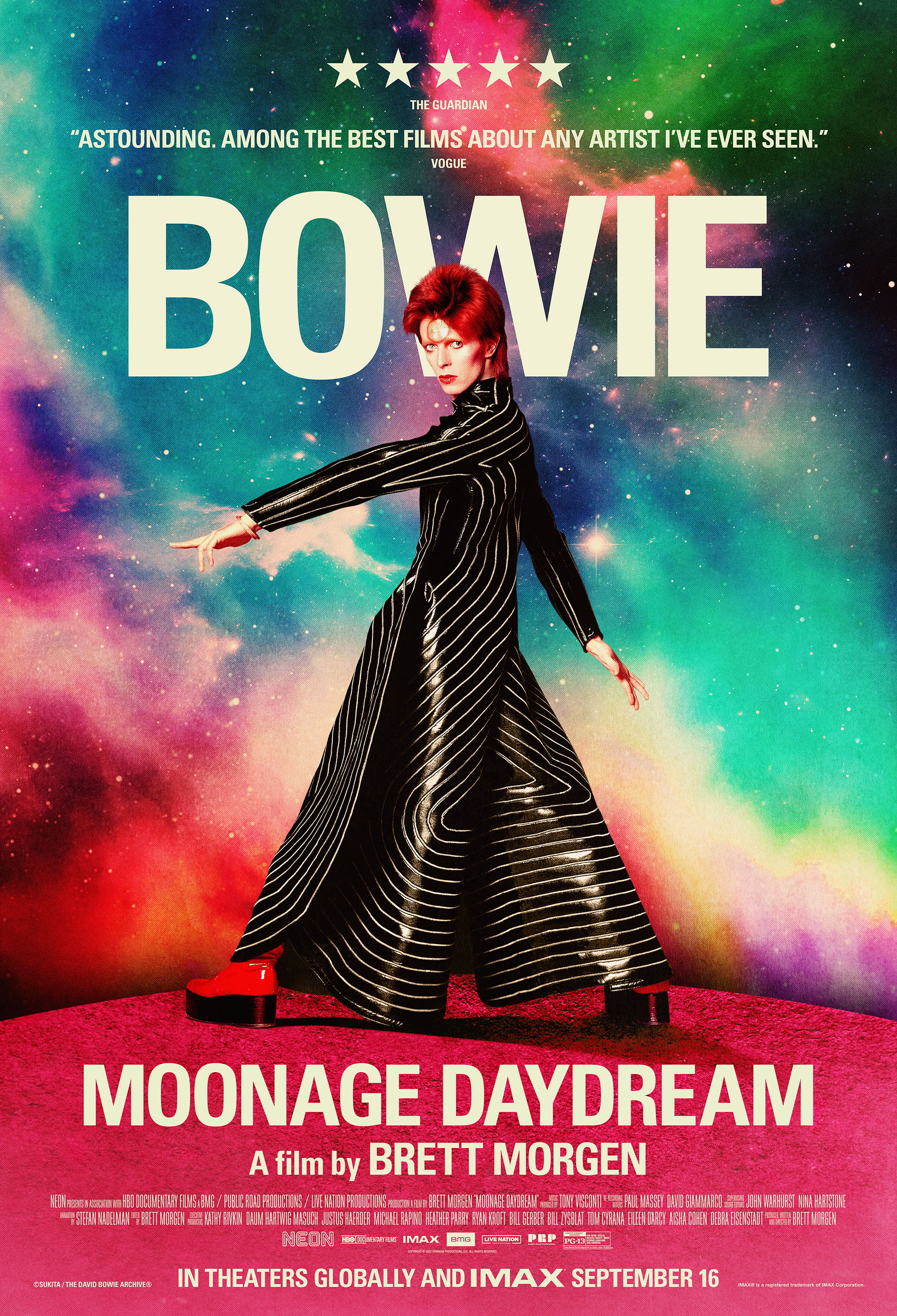
Moonage Daydream (2022) – This documentary explores the life and genius of David Bowie through stunning visuals and rare archival footage, celebrating his lasting impact on music and culture.

Mad Max 2: The Road Warrior (1981) – In a dystopian wasteland, a drifter becomes an unlikely hero as he helps a band of survivors defend their fuel supply from ruthless marauders.

Saturday 26th of October 2024

Julius Caesar (1953) – BBC2, 1 PM

In Julius Caesar, Shakespeare’s classic tragedy, the story delves into the consequences of power and the lengths individuals go to preserve or dismantle it. The film captures the tension between personal allegiance and civic duty, with Brutus forced to weigh his loyalty to Caesar against his duty to the state. This portrayal of torn loyalty and its consequences brings to light the fragile balance between personal bonds and public responsibility.

Caesar’s ambition and eventual assassination raise questions about leadership and its potential for corruption. The conspirators’ actions illustrate how fear of tyranny can justify extreme actions, igniting debates over the use of violence as a preventive measure against despotism. The film asks the viewer to consider the morality of taking drastic action for a cause and the shadow it casts over those who commit it.

Throughout, the fickleness of the Roman citizens highlights how easily public opinion can be manipulated, especially through persuasive speech. This demonstrates how influential rhetoric can be in shaping or distorting collective beliefs, a reminder of the potency of words and their power to direct actions, both noble and catastrophic.

The portrayal of loyalty—whether to friends, ideals, or a nation—resonates through the characters’ interactions, each facing choices that force them to confront their principles. Mark Antony’s shifting allegiance after Caesar’s death serves as a reminder of the complexity of loyalty when personal and political motivations intertwine.

Julius Caesar ultimately paints a picture of the perils of ambition and the costs of betrayal, raising age-old questions about honour, duty, and the sacrifices made in the name of principle. The consequences faced by each character reflect the tragic price that individuals and societies often pay for idealism turned to action.

Dusty At the BBC – BBC2 9.10 PM

“Dusty at the BBC” is a captivating celebration of Dusty Springfield’s remarkable talent and charisma, showcasing her performances across various BBC programs. The collection features some of her most memorable songs, highlighting her powerful voice and emotional depth. Interspersed with interviews and behind-the-scenes insights, the documentary paints a vivid picture of Dusty’s impact on the music scene during the ’60s and ’70s. Fans will appreciate the rare footage and the nostalgic atmosphere, while newcomers will be drawn in by her undeniable star power.

Definitely Dusty BBC2 12.05 PM

“Definitely Dusty” is a heartfelt documentary that beautifully captures the life and legacy of Dusty Springfield, one of music’s most iconic figures. Through a mix of rare archival footage, interviews with friends and collaborators, and a deep dive into her musical journey, the film offers an intimate portrait of Dusty’s struggles and triumphs. It highlights her ground-breaking contributions to pop and soul music while also addressing the personal challenges she faced, including her sexuality and mental health. The documentary is both a tribute to her artistry and a reminder of the cultural barriers she broke down. Fans of music history will find it both enlightening and moving.

Moonage Daydream (2022) – C4, 10.10 PM

Moonage Daydream is a kaleidoscopic journey into the life of David Bowie, capturing his defiance of norms and boundless creativity. Bowie’s transformative approach to music and performance is portrayed as a radical act of self-expression, challenging conventions around identity and artistry. The film highlights his refusal to be confined to one persona, presenting a portrait of reinvention as a means of personal liberation.

Bowie’s influence on acceptance and inclusivity is a central theme. His unapologetic embrace of fluid identities offered a beacon for those who felt marginalized or restricted by traditional categories, encouraging audiences to explore their own individuality without constraint. In this way, Bowie’s legacy extends beyond music, touching lives as a symbol of freedom and acceptance.

The documentary delves into Bowie’s rejection of conventional fame, prioritizing artistic evolution over popularity. His decisions serve as a critique of celebrity culture, raising questions about the pressures placed on artists to maintain a static image for commercial success. Bowie’s journey suggests that true artistry lies in constant transformation rather than conforming to public expectations.

The emotional toll of fame is subtly explored through moments of Bowie’s vulnerability. His struggles to navigate both stardom and artistic integrity reveal the sacrifices inherent to a life in the spotlight, offering a glimpse into the inner conflicts faced by those who choose authenticity over superficial acceptance.

Through vivid visuals and captivating music, Moonage Daydream is an exploration of individuality, challenging viewers to consider the value of self-discovery and the courage it takes to pursue one’s unique path. Bowie’s legacy as an artist and an icon remains a testament to the power of reinvention and the enduring importance of personal authenticity.

Papillon (1973) – 5Action, 9 PM

Papillon tells the harrowing tale of a man’s unyielding quest for freedom amidst the brutal confines of a French penal colony. Based on a true story, the film reveals the grim conditions of prison life, contrasting the resilience of the human spirit with the oppressive nature of institutional punishment. The protagonist’s struggle embodies a relentless desire for autonomy, challenging the justice of a system that forsakes rehabilitation.

The close friendship between Papillon and Dega highlights a powerful bond forged through adversity. Their solidarity illustrates the capacity for connection even in the most dehumanizing circumstances, reflecting a fundamental aspect of human resilience and the strength derived from companionship in times of hardship.

Through Papillon’s repeated escape attempts, the story raises questions about what it truly means to be free. The physical confinements of prison are paralleled by the mental determination required to endure, with each attempt underscoring the value of personal agency and the lengths one might go to reclaim it.

The film paints an unflinching portrait of survival, depicting how desperation can blur moral boundaries. Papillon’s resourcefulness and determination come at a high personal cost, prompting viewers to consider what one might sacrifice in pursuit of freedom. His journey reminds us of the often-overlooked humanity within those society deems irredeemable.

In Papillon, themes of endurance, justice, and hope interweave to create a narrative that questions the validity of lifelong punishment and the human need for redemption. The story’s ultimate message is one of unbreakable will, showing that even within the harshest systems, the desire for freedom endures.


Sunday 27th of October 2024

The Third Man (1949) – BBC2, 12.15 PM

Set in post-war Vienna, The Third Man is a gripping noir that exposes the moral ambiguities in a fractured society. Against the backdrop of a city divided by political alliances, the film follows an American writer’s pursuit of truth in a landscape defined by deception. The devastated setting reflects the physical and ideological scars left by war, embodying a tension between trust and betrayal.

The central theme of deception unfolds through the elusive figure of Harry Lime, whose dubious activities reveal the corruption and exploitation that thrives in a destabilized society. Lime’s actions challenge conventional morality, suggesting that survival in a compromised world often demands ethical flexibility, if not outright complicity.

As the protagonist, Holly Martins, navigates this treacherous terrain, he encounters a complex moral landscape where loyalty is tenuous, and trust is a luxury few can afford. His gradual disillusionment represents the loss of innocence, revealing the personal cost of clinging to idealism in a world rife with moral compromise.

Through shadowy cinematography and haunting music, the film underscores a sense of unease and the fragility of human connection. Relationships are strained under the pressures of secrecy and self-preservation, with individuals often sacrificing personal bonds in favour of survival.

Ultimately, The Third Man is a meditation on human fallibility, highlighting the moral compromises people make in desperate circumstances. In a society where certainty is elusive, the film challenges the viewer to question the stability of truth and the cost of integrity in a fractured world.

Malcolm X (1992) – BBC2, 10 PM

Spike Lee’s Malcolm X is an exploration of transformation and the complexities of identity in the face of systemic oppression. Following Malcolm’s life from troubled beginnings to becoming a prominent figure in the Civil Rights Movement, the film portrays a journey defined by personal and ideological evolution. His transition from anger to a broader sense of unity reflects an ever-shifting quest for justice and equality.

Malcolm’s encounters with racial injustice are a profound commentary on the struggles of African Americans in a racially divided society. His anger and activism confront the historical injustices that continue to shape his community, highlighting the resilience required to endure and resist. The film’s nuanced portrayal of his evolving beliefs sheds light on the difficulties of advocating for change in a world resistant to it.

The film also examines the power of identity and self-discovery. Malcolm’s experiences with the Nation of Islam and his later pilgrimage to Mecca illustrate his complex relationship with religion, culture, and self-perception. His growth invites the viewer to consider the importance of self-definition, particularly within marginalized communities.

Themes of loyalty and betrayal thread through the narrative, particularly in Malcolm’s conflicts with former allies. These experiences emphasize the costs of pursuing one’s beliefs and the fractures that can arise even within a unified movement. Malcolm’s journey is both inspiring and tragic, showing the risks involved in challenging societal norms.

Ultimately, Malcolm X is a compelling reflection on the power of self-determination. The film urges viewers to consider the importance of understanding and empathy in the fight for equality, leaving an enduring message about resilience in the pursuit of justice and the complexities of leadership.

Villain (1971) – Talking Pictures, 10.05 PM

Villain is a gritty British crime drama that examines the life of Vic Dakin, a ruthless East End gangster whose criminal empire mirrors the underbelly of British society in the early 1970s. Dakin’s violent control of his world exposes the desperation that often drives individuals to the fringes of society. The film is a stark look at how power can corrupt and the toll it takes on those who wield it.

As Dakin’s life spirals through a series of betrayals, the film reveals the fragility of trust in a world where survival often means exploiting others. Dakin’s harsh worldview is reflected in his ruthless approach to loyalty, showing how power and violence can destroy human connections, even among those considered allies.

The portrayal of law enforcement in Villain adds another layer, as officers struggle to curb Dakin’s influence amidst corruption and fear. This dual narrative presents a society in moral decline, where even institutions meant to uphold justice are ensnared by the same vices they seek to eliminate.

The film’s depiction of Dakin’s sexuality and his relationships challenges perceptions of masculinity and power. This aspect of his character highlights the often-hidden personal complexities of figures who, despite their hard exteriors, wrestle with private insecurities and vulnerabilities.

In Villain, the moral and personal costs of a life lived in defiance of societal expectations are profound. The film is both a character study and a critique of the structures that permit corruption to flourish, urging viewers to question the allure and consequences of unchecked power.


Monday 28th of October 2024

Fresh (2022) – Film4, 11.20 PM

Fresh is a sharp exploration of modern relationships and the commodification of intimacy. Set against the backdrop of online dating, the film follows a woman’s unsettling experience with a seemingly charming man who hides a sinister agenda. It speaks to contemporary anxieties surrounding trust, safety, and the thin veneer of civility that masks deeper, darker instincts.

The film’s portrayal of the dating world reveals the complexities of navigating desire and vulnerability. As the protagonist is drawn deeper into a relationship that challenges her autonomy, Fresh examines the risks individuals face when intimacy is weaponized for personal gain.

Throughout, the film subtly critiques societal expectations around relationships, especially the pressures placed on women to conform to idealized images of femininity. The protagonist’s resilience in confronting her circumstances highlights the courage required to resist such expectations, showcasing the strength of self-preservation.

As the narrative unfolds, viewers are left questioning the nature of trust and deception in modern life. The film serves as a reminder of the dangers lurking within seemingly mundane interactions, exposing the ease with which appearances can deceive.

In Fresh, the line between trust and danger becomes increasingly blurred, urging the audience to reflect on the complexities of human connection. The film’s message underscores the importance of agency and the inherent risks that accompany vulnerability in a world of hidden motives.


Tuesday 29th of October 2024

Storyville: Eternal You – BBC4 10 PM

This is a thought-provoking documentary that delves into the complexities of identity, memory, and the human experience. The film follows a unique premise that intertwines personal stories with broader philosophical questions about what it means to truly know oneself. Through a series of intimate interviews and striking visuals, the documentary invites viewers to explore the layers of personal narratives that shape our understanding of who we are.

Mad Max 2: The Road Warrior – ITV4, 10.10 PM

Mad Max 2: The Road Warrior presents a post-apocalyptic landscape where survival is the ultimate currency. The world is ravaged, with resources scarce and communities fragmented, setting the stage for a brutal struggle for dominance and control. Max, the protagonist, embodies the hardened survivor, navigating a society where loyalty and morality are rare luxuries.

The fight for fuel becomes a metaphor for the lengths to which individuals and groups will go to secure their future. As Max aids a small community seeking refuge from marauding forces, the film showcases the resilience needed to protect one’s way of life in a hostile environment, echoing themes of resource scarcity and desperation.

The film’s emphasis on makeshift alliances and tenuous trust underscores the fragility of social bonds. Max’s reluctant heroism reveals the necessity of cooperation, even in a world where betrayal is almost expected. This portrayal of camaraderie amidst chaos highlights humanity’s capacity for empathy, even when survival seems to demand selfishness.

Through its bleak depiction of human conflict, Mad Max 2 questions the price of survival and the role of violence in achieving it. The characters’ brutal actions serve as a reminder of how quickly social structures can deteriorate when survival is at stake, leaving viewers to ponder the balance between self-preservation and moral responsibility.

Mad Max 2 is a stark warning about the consequences of environmental depletion and societal collapse. The film’s narrative of resilience and compromise amid desperation resonates as a cautionary tale of humanity’s potential future if cooperation and sustainability are cast aside.


Wednesday 30th of October 2024

Witches: Truth Behind The Trials 8 PM

This episode offers a gripping exploration of Scotland’s dark history with witch hunts, particularly focusing on King James VI’s deadly obsession with eradicating witchcraft. This episode delves into the brutal trials that swept through the country, revealing the societal fears and superstitions that fueled these tragic events. Through expert interviews and vivid re-enactments, the documentary uncovers the chilling motivations behind James VI’s fervour, highlighting how power, paranoia, and religion intertwined in this grim chapter of history. It’s a compelling and informative look at the impact of fear on justice, making it a must-watch for history enthusiasts.

The Client (1994) – ITV4, 9 PM

The Client is a tense legal thriller that follows a young boy entangled in a dangerous web of crime and justice. After witnessing a crime, the boy becomes the focus of powerful forces both within and outside the law. His journey through the legal system reflects the tension between innocence and exploitation in a world where truth is often clouded by self-interest.

The film exposes the pressures faced by those vulnerable to manipulation, with the boy at the mercy of adults who often prioritize their agendas over his well-being. The relentless pursuit of information from him raises questions about the duty of care and the exploitation of innocence for professional gain.

The portrayal of the boy’s lawyer, who fights to protect him, provides a counterpoint to the exploitative motives of others involved. Her dedication underscores the importance of advocacy and protection, especially for those who cannot navigate the complexities of the legal system alone.

As the boy faces the harsh realities of crime and justice, The Client highlights the courage required to stand up against intimidation. His resilience is a testament to the strength of the human spirit when faced with moral dilemmas and life-threatening challenges.

The Client is a compelling exploration of vulnerability and courage within the justice system, revealing both its strengths and its potential for abuse. The film serves as a reminder of the importance of safeguarding those who find themselves caught in forces beyond their control.


Thursday 31st of October 2024

Hammer Heroes, Legends And Monsters Sky Arts 9pm

A celebratory tribute to Hammer Films as it marks its 90th birthday. This documentary takes viewers on a nostalgic journey through the iconic studio’s rich history, exploring its legendary horror films and unforgettable monsters. With insightful commentary from film historians and actors, the program highlights the ground-breaking contributions Hammer made to the genre, particularly its unique blend of gothic storytelling and visual flair. Featuring clips from classic films and behind-the-scenes anecdotes,

Jude (1994) – BBC4, 9.20 PM

Jude, an adaptation of Thomas Hardy’s Jude the Obscure, is a haunting portrayal of aspiration, class, and the harsh limitations placed upon those born without privilege. Following Jude Fawley’s pursuit of education and social mobility, the film explores the devastating cost of ambition when societal structures are unforgiving. His journey exposes the crushing weight of class barriers and the futility of striving against them in a rigid society.

Jude’s dream of becoming a scholar reflects his desire to transcend his humble origins, yet he finds himself constantly hindered by both the elitism of academia and the expectations of his own social class. His tragic encounters with institutions highlight the unfairness of a system that limits opportunities based on birth, underscoring the loneliness of those who dare to dream beyond their circumstances.

The central relationship between Jude and his cousin, Sue, defies social norms and expectations of marriage, touching on themes of love, independence, and societal judgment. Their connection challenges Victorian moral standards, revealing the intense pressures faced by those who reject conventional paths. This relationship is a critique of the way society imposes its values on personal choices.

As Jude’s life spirals, the film presents a stark picture of the sacrifices made in pursuit of one’s ideals, suggesting that ambition can often lead to ruin when societal forces are immovable. The portrayal of Jude’s descent serves as a poignant reminder of the fragility of hope in the face of unrelenting hardship.

In the end, Jude is a deeply moving narrative on the dangers of defying societal norms and the inevitable consequences for those who strive beyond their “place.” It challenges the viewer to question a system that limits potential and the resilience required to confront it, even when the cost is devastating.

The Omen (1976) – BBC2, 11.05 PM

The Omen is a chilling tale of destiny and fear, exploring the unsettling theme of evil lurking within the innocent. Following an American diplomat whose adopted son harbours a dark secret, the film examines the terror of realizing that some forces are beyond human control. It’s a story that delves into the implications of power, fate, and the lengths people will go to protect their loved ones.

The central conflict between faith and reason is a major thread in the film. As the father grapples with signs of his son’s ominous nature, he faces a crisis of belief, torn between rationality and the supernatural. This tension suggests a broader struggle within society to reconcile religious belief with modern skepticism.

The character of the child, Damien, embodies the fear of unknowable forces that exist beyond human understanding or morality. His presence challenges the nature of evil, as the innocent facade conceals a destructive potential that threatens those around him. This portrayal raises unsettling questions about the source of malevolence and whether it can be combated or is simply inevitable.

Throughout, the film’s atmosphere of suspense underscores the helplessness felt by the parents, who are unable to protect themselves or others from Damien’s influence. Their struggle represents a timeless theme of the limits of parental control, suggesting that some aspects of life are predestined, beyond our comprehension or ability to shape.

The Omen remains a powerful examination of fear, belief, and the limits of human agency. It leaves viewers with the unsettling idea that sometimes the greatest threats come not from external forces but from within, challenging our sense of security and control.


and finally, Friday 1st of November 2024

Pitch Black (2000) – ITV4, 9 PM

Pitch Black is a thrilling sci-fi adventure that explores survival and morality in extreme circumstances. When a group of space travelers crash-lands on a hostile planet inhabited by deadly creatures, the story quickly becomes a test of endurance and trust. The character of Riddick, a convicted criminal, emerges as both a threat and an ally, challenging conventional ideas about good and evil in survival situations.

Riddick’s character forces the group to confront their own prejudices, as they must decide whether to trust someone who defies conventional morality but possesses the skills necessary for survival. This dynamic examines the boundaries of morality, questioning whether someone’s past actions determine their future worth.

The brutal environment of the planet, where creatures emerge in darkness to prey on the survivors, serves as a metaphor for the dangers lurking within the human psyche. Each character’s response to fear and desperation reveals their true nature, highlighting the thin line between civility and primal instinct when lives are at stake.

The themes of leadership and sacrifice are also central, as characters are forced to make life-or-death choices that test their sense of duty and loyalty. The decisions made in the face of imminent danger reveal the varied ways people respond to crises, suggesting that heroism and self-preservation can sometimes be at odds.

In Pitch Black, survival becomes a means to examine character, ethics, and the complexities of trust under duress. The film asks its audience to consider how far they would go to survive and whether our choices define who we are, even when our circumstances force us to compromise.

Out of Sight (1998) – Legend, 9 PM

Out of Sight is a stylish crime romance that explores the allure of connection across the boundaries of legality and morality. Following the unlikely relationship between a bank robber and a U.S. Marshal, the film delves into the chemistry and tension that arise when two people on opposite sides of the law find common ground. Their connection challenges stereotypes about right and wrong, blurring the lines between justice and attraction.

The dynamic between the two leads examines how individuals from contrasting worlds can find understanding and even admiration for one another. The tension between duty and desire reflects the complexities of human connection, where attraction and principles sometimes clash in unexpected ways.

The film’s portrayal of crime is nuanced, focusing on the motivations and personalities of its characters rather than merely their actions. The charm of the robber, Jack, and the resilience of the Marshal, Karen, suggest that people are rarely defined solely by their roles. This complicates the viewer’s perception of right and wrong, suggesting that everyone has redeemable qualities regardless of their choices.

Throughout, Out of Sight balances humour and drama, revealing how moments of honesty and vulnerability can emerge even in the most unlikely circumstances. The film invites viewers to consider how personal growth and empathy can occur outside traditional boundaries, where people often reveal their truest selves.

In the end, Out of Sight is a refreshing take on crime and romance that leaves the viewer contemplating the balance between attraction, loyalty, and the often unpredictable nature of human connection. It’s a reminder that life’s most meaningful relationships can emerge from the most unexpected places.

Testament of Youth (2014) – BBC2, 11.05 PM

Testament of Youth is a powerful adaptation of Vera Brittain’s memoir, chronicling her experiences during World War I and her transformation from an ambitious student to a war nurse. The film captures the devastating effects of war on a personal level, portraying Brittain’s loss, resilience, and the emotional toll of sacrifice. Her story is a testament to the human cost of conflict and the courage required to endure it.

The film’s portrayal of Vera’s journey reflects the impact of war on an entire generation, as dreams and futures are irrevocably altered. Her heartbreak as she loses loved ones underscores the tragedy of youth sacrificed to violence, inviting viewers to consider the enduring trauma borne by those left behind.

Vera’s work as a nurse reveals the harsh realities of war, highlighting the selflessness and fortitude required to care for others in unimaginable conditions. Her experiences force her to confront the brutalities inflicted on both friend and foe, challenging her prior notions of patriotism and duty.

As Vera returns to civilian life, her passion for pacifism grows, revealing the complexities of honouring those who died while opposing the forces that led them to the battlefield. Her transformation into a pacifist is a powerful statement against the glamorization of war and the importance of striving for peace.

Testament of Youth is a poignant reminder of war’s lasting impact, urging viewers to reflect on the sacrifices made by those who serve. Vera Brittain’s story resonates as a call for compassion, resilience, and the pursuit of a world where such losses might be prevented.

Picture Credits

Julius Caesar
Fair use, https://en.wikipedia.org/w/index.php?curid=6717381

Dusty Springfield By Philips Records – Billboard, page 27, 24 June 1967, Public Domain, https://commons.wikimedia.org/w/index.php?curid=26946571
Moonage Daydream
By http://www.impawards.com/2022/posters/moonage_daydream_ver2_xxlg.jpg, Fair use, https://en.wikipedia.org/w/index.php?curid=71505831
Papillon
By IMPawards, Fair use, https://en.wikipedia.org/w/index.php?curid=11841885
High Rise
By Jay Shaw – http://mrandmrswheatley.blogspot.com/2014/02/high-rise.html, Fair use, https://en.wikipedia.org/w/index.php?curid=42833418
The Third Man
“Copyright 1949 Selznick Releasing Organization, Inc. Country of Origin U.S.A.” – Scan via Heritage Auctions. Cropped from the original image and lightly retouched to repair the torn upper-left corner., Public Domain, https://commons.wikimedia.org/w/index.php?curid=85714336
Malcolm X
By IMDb, Fair use, https://en.wikipedia.org/w/index.php?curid=28852787
Villain
Derived from a digital capture (photo/scan) of the VHS or DVD Cover (creator of this digital version is irrelevant as the copyright in all equivalent images is still held by the same party). Copyright held by the film company or the artist. Claimed as fair use regardless
Fresh
Fair use, https://en.wikipedia.org/w/index.php?curid=5159013
Mad Max 2: The Road Warrior
May be found at the following website: IMP Awards, Fair use, https://en.wikipedia.org/w/index.php?curid=7332462
The Client
By IMDb, Fair use, https://en.wikipedia.org/w/index.php?curid=18738551

Hammer logo By TallonLeePurple – Own work, CC BY-SA 4.0, https://commons.wikimedia.org/w/index.php?curid=92427413
Jude
Fair use, https://en.wikipedia.org/w/index.php?curid=17405441
The Omen
By © 20th Century Fox – IMPAwards, Fair use, https://en.wikipedia.org/w/index.php?curid=15222641
Pitch Black
The poster art can or could be obtained from USA Films (USA theatrical)Universal Studios (all other rights)., Fair use, https://en.wikipedia.org/w/index.php?curid=1209558
Out Of Sight
Fair use, https://en.wikipedia.org/w/index.php?curid=16252349
Testament Of Youth
The poster art can or could be obtained from the distributor., Fair use, https://en.wikipedia.org/w/index.php?curid=44974438

Pat Harrington’s review of Moonage Daydream (2022)
https://countercultureuk.com/2022/10/09/moonage-daydream-2022/

Pat Harrington’s review of Moonage Daydream (2022)
https://countercultureuk.com/2022/10/09/moonage-daydream-2022/
Leave a Comment

Culture Vulture 25th to 31st of May 2024

6,237 words, 33 minutes read time.

Welcome to Culture Vulture, your guide to the week’s entertainment from an alternative standpoint. Highlights this week include: “Saturday Night Fever” which is often remembered for its disco music and dance scenes, but beneath the surface, delivers a gritty social commentary on the struggles of identity, class, and masculinity in 1970s Brooklyn. “Kill Zone: Inside Gaza”, a powerful documentary that examines the toll of Israel’s military campaign on Gaza, seen through the eyes of children, journalists, and doctors. And, D-Day: Secrets of the Frontline Heroes, a compelling documentary that explores the stories of filmmakers who documented the D-Day Landings during World War II. Selections and writing is by Pat Harrington and music is from Tim Bragg.

Saturday 25th of May 2024

Doctor Who (four of eight): 73 Yards 6.50pm BBC1

In this episode, the TARDIS lands on the Welsh coast, where villagers live in fear of ancient legends coming to life. The Doctor and Ruby embark on a strange journey, encountering mysterious events and facing an enigmatic villain. Rain-lashed pubs, locals on edge, and the promise of adventure—sounds like classic Doctor Who

Becoming…The Doctor 8.05pm BBC3

Becoming…The Doctor is a fascinating exploration of how actors approach the iconic role of The Doctor in the long-running science fiction series Doctor Who. As Ncuti Gatwa embarks on his first full series as the fifteenth Doctor, this special program delves into the creative process and the challenges faced by those who step into the TARDIS.

D-Day: Secrets Of The Frontline Heroes 8.20pm Channel 4

D-Day: Secrets of the Frontline Heroes is a compelling documentary that explores the stories of filmmakers who documented the D-Day Landings during World War II. These filmmakers captured thousands of photos and hundreds of hours of footage from Normandy, ensuring that the heroic actions of the soldiers would be immortalized.

Do The Right Thing (1989) 12.20am BBC2

Spike Lee’s 1989 film “Do The Right Thing” is an incendiary, thought-provoking, and culturally significant piece of cinema that continues to resonate with audiences decades after its release. Set in the Bedford-Stuyvesant neighbourhood of Brooklyn on the hottest day of the summer, the film masterfully explores racial tensions, social justice, and community dynamics through the lens of a single, intense day.

The narrative centres around Mookie (played by Spike Lee himself), a young African American man working as a pizza delivery guy for Sal’s Famous Pizzeria, owned by the Italian-American Sal (Danny Aiello). As the heatwave amplifies the simmering racial animosities, a series of events escalate into a violent confrontation, forcing the characters—and the audience—to confront the harsh realities of racism and the consequences of unresolved conflict.

One of the film’s most remarkable achievements is its ensemble cast, featuring powerful performances from Ossie Davis, Ruby Dee, Giancarlo Esposito, John Turturro, and Rosie Perez. Each character is meticulously crafted, representing a spectrum of perspectives within the community. Danny Aiello’s portrayal of Sal is particularly noteworthy, embodying a complex figure who is both sympathetic and flawed.

Spike Lee’s direction is bold and unapologetic, using vibrant cinematography, dynamic camera angles, and a pulsating soundtrack, including Public Enemy’s “Fight the Power,” to create a visceral and immersive experience. The film’s visual style and kinetic energy serve to heighten the tension, drawing viewers into the sweltering, oppressive atmosphere of the neighbourhood.

“Do The Right Thing” is a film about the consequences of prejudice and the importance of understanding and empathy. Lee does not provide easy answers or clear-cut heroes and villains; instead, he presents a nuanced depiction of human behaviour and societal issues. The climactic riot and the subsequent destruction of Sal’s pizzeria serve as a powerful commentary on the cyclical nature of violence and the urgent need for dialogue and reconciliation.

The film’s open-ended conclusion, featuring quotes from Martin Luther King Jr. and Malcolm X, underscores its central message: the struggle for racial equality and justice is complex and multifaceted, requiring both peaceful resistance and, at times, more forceful measures. This duality challenges viewers to reflect on their own beliefs and the actions they are willing to take to “do the right thing.”

“Do The Right Thing” is a landmark film that remains profoundly relevant. Its unflinching exploration of racial dynamics and its call for social justice make it an essential watch for anyone seeking to understand the complexities of race relations in America. Spike Lee’s visionary work not only captures a moment in time but also serves as a timeless reminder of the ongoing fight against racial inequality.

Close (2022) 9pm BBC4

“Close,” directed by Lukas Dhont, is a poignant and beautifully crafted exploration of friendship, adolescence, and the emotional complexities of growing up. This 2022 film captures the tender, often fragile, nature of relationships through the lens of two 13-year-old boys, Leo (Eden Dambrine) and Remi (Gustav De Waele), whose close bond is tested by societal pressures and personal insecurities.

The story revolves around Leo and Remi, whose friendship is depicted with a rare and genuine intimacy. They share a world of their own, full of playfulness, mutual support, and an unspoken understanding that transcends words. However, as they start a new school year, the intensity of their friendship attracts unwanted attention and teasing from their peers, leading to a painful rift.

Dhont’s direction is subtle and sensitive, allowing the natural performances of the young actors to shine. Eden Dambrine and Gustav De Waele deliver extraordinary portrayals, capturing the innocence and vulnerability of their characters. Their chemistry is palpable, making the emotional journey they undertake deeply affecting and authentic.

The cinematography by Frank van den Eeden is another standout aspect of “Close.” The lush, immersive visuals create a vivid backdrop that enhances the film’s emotional depth. The use of close-ups and natural lighting further draws viewers into the intimate world of Leo and Remi, making their joys and sorrows feel immediate and personal.

Music plays a crucial role in the film, with Valentin Hadjadj’s score complementing the narrative’s emotional arcs. The sound design is carefully crafted to underscore the tension and tenderness of the boys’ relationship, adding another layer of richness to the viewing experience.

“Close” is more than just a coming-of-age story; it is a meditation on the societal expectations that shape our interactions and the sometimes devastating impact they can have on young lives. The film does not shy away from the pain and confusion that come with growing up, but it also highlights the beauty and resilience found in deep connections.

One of the film’s strengths is its restraint. Dhont avoids melodrama, instead opting for a realistic portrayal of the boys’ experiences. This approach allows the film to delve into the subtleties of their emotions, presenting a nuanced view of friendship and identity.

“Close” is a film that lingers long after the credits roll. Its exploration of friendship is universal, yet deeply personal, making it a relatable and thought-provoking piece of cinema. Lukas Dhont’s sensitive storytelling, combined with the remarkable performances of its young leads, makes “Close” a memorable and moving film that resonates on multiple levels.

“Close” is a masterfully crafted film that captures the essence of childhood friendship and the challenges of growing up. Its emotional honesty and visual beauty make it a standout film of 2022, marking Lukas Dhont as a director to watch. For anyone who has experienced the complexities of friendship and the pains of adolescence, “Close” is a must-see.

Sunday 26th of May 2024

Saturday Night Fever (1977) 12am C4

“Saturday Night Fever,” directed by John Badham and released in 1977, is much more than a disco-infused cultural phenomenon; it’s a deeply layered film that explores significant social themes through the story of a young man navigating the challenges of life in Brooklyn. Starring John Travolta in a career-defining role as Tony Manero, the film captures the vibrant yet gritty atmosphere of the 1970s and delves into themes of identity, aspiration, and the struggle for self-worth.

At its core, “Saturday Night Fever” is a character study of Tony Manero, a 19-year-old Italian-American who works a dead-end job in a paint store by day and transforms into a disco king by night. The film vividly portrays Tony’s life in Bay Ridge, a working-class neighbourhood where dreams are stifled by economic and social constraints. Travolta’s magnetic performance brings depth to Tony, showcasing his charm, vulnerabilities, and inner conflicts.

One of the film’s central social themes is the search for identity and purpose. Tony’s weekends at the disco offer a temporary escape from the mundanity of his daily life and the pressures of his traditional family. The dance floor becomes a place where he can express himself freely and feel a sense of accomplishment and recognition. This quest for identity is further complicated by his relationships, particularly with Stephanie (Karen Lynn Gorney), who represents the possibility of a life beyond Brooklyn and inspires Tony to aspire for more.

“Saturday Night Fever” also tackles issues of class and socio-economic struggle. Tony and his friends grapple with the limited opportunities available to them, reflecting the broader frustrations of a generation coming of age in a time of economic stagnation. The film doesn’t shy away from showing the harsh realities of their environment, including the violence, sexism, and racism that permeate their lives. These elements are portrayed with a raw honesty that gives the film a gritty authenticity.

The theme of aspiration versus reality is poignantly depicted in Tony’s interactions with Stephanie. She represents a different world, one of ambition and self-improvement, which starkly contrasts with Tony’s more resigned acceptance of his lot in life. Their relationship highlights the tension between the desire to break free from one’s circumstances and the fear of the unknown.

Another significant social theme is the exploration of masculinity and the pressures it imposes. Tony’s sense of self-worth is tied to his physicality and his prowess on the dance floor, a reflection of the hyper-masculine culture of his peer group. The film critiques this narrow definition of masculinity, showing how it traps Tony and his friends in cycles of aggression and emotional repression.

The soundtrack, featuring the Bee Gees’ iconic hits, is integral to the film’s impact, capturing the spirit of the disco era and enhancing the emotional resonance of Tony’s journey. Songs like “Stayin’ Alive” and “Night Fever” are more than just background music; they are anthems of resilience and the quest for a better life.

In conclusion, “Saturday Night Fever” is a film that transcends its surface as a dance movie to offer a rich, multifaceted exploration of social themes. Through Tony Manero’s story, the film delves into issues of identity, class, aspiration, and masculinity, painting a vivid picture of 1970s urban life. John Travolta’s compelling performance, combined with John Badham’s direction and the unforgettable soundtrack, makes “Saturday Night Fever” a powerful and enduring work that resonates with audiences beyond its era.

Memento (2000) 12.20am BBC2

Christopher Nolan’s “Memento” (2000) is a mind-bending thriller that masterfully explores the intricacies of memory, identity, and revenge. Anchored by a compelling performance from Guy Pearce as Leonard Shelby, a man suffering from short-term memory loss, the film’s unique narrative structure and innovative storytelling set it apart as a modern classic.

“Memento” begins with an unforgettable opening scene, shown in reverse, which immediately immerses the audience in Leonard’s disoriented perspective. Leonard’s quest to find his wife’s killer is complicated by his inability to form new memories, relying instead on Polaroid photographs, tattoos, and handwritten notes to piece together his fragmented reality. This nonlinear narrative, moving backward in time, challenges viewers to piece together the story alongside Leonard, creating an engaging and immersive experience.

Guy Pearce delivers a nuanced performance, capturing the vulnerability and determination of a man driven by grief and a desperate need for justice. His portrayal of Leonard is both sympathetic and complex, making the audience question the reliability of his perspective and the true nature of his quest. Pearce’s performance is complemented by strong supporting roles, particularly from Joe Pantoliano as Teddy, a seemingly friendly but suspicious character, and Carrie-Anne Moss as Natalie, who has her own ambiguous motives.

The film’s structure is its most distinctive feature. Nolan deftly interweaves two timelines: one moving forward in black and white, depicting Leonard’s interactions and discoveries, and the other moving backward in colour, revealing the events leading up to the film’s beginning. This dual narrative approach not only mirrors Leonard’s disoriented experience but also creates a sense of suspense and intrigue, as each scene peels back another layer of the story.

Cinematographer Wally Pfister’s work is crucial in establishing the film’s mood and tone. The contrasting visual styles of the two timelines enhance the narrative complexity, while the use of close-ups and fragmented shots reflect Leonard’s fractured state of mind. David Julyan’s haunting score further amplifies the film’s tension and emotional depth.

“Memento” delves into profound themes, questioning the nature of memory and identity. It explores how our perceptions and recollections shape our reality, and how the human desire for closure and meaning can lead to self-deception. The film’s ending is both shocking and thought-provoking, forcing viewers to reconsider everything they have seen and the reliability of Leonard’s memories.

“Memento” is a ground-breaking film that showcases Christopher Nolan’s ingenuity as a storyteller and director. Its inventive narrative structure, combined with powerful performances and a deep exploration of memory and identity, makes it a captivating and intellectually stimulating experience. “Memento” is not just a thriller; it is a profound meditation on the fragility of the human mind and the elusive nature of truth.

Monday 27 May 2024

Dispatches: Kill Zone – Inside Gaza 9pm Channel 4

Kill Zone: Inside Gaza is a powerful documentary that sheds light on the Israeli military assault on Gaza. The program, part of the Dispatches series, provides an unflinching look at the challenges and heartbreaking loss experienced during this conflict.

The documentary presents the events through the eyes of children, journalists, and doctors, offering a unique perspective on the impact of war. It’s a sobering exploration of the human cost and the resilience of those caught in the midst of violence. Tune in to gain a deeper understanding of the situation in Gaza and the lives affected by this conflict.

Cumbria’s Red Squirrels 9pm BBC4

Cumbria’s Red Squirrels is a captivating documentary that follows these delightful creatures throughout the seasons, revealing the efforts of the dedicated individuals who work tirelessly to ensure their survival.

In this educational film, you’ll witness native red squirrels within the Lake District National Park and Cumbria. Scientists, rangers, conservationists, and locals all contribute their voices to protect and conserve this endangered species.

If you’re passionate about wildlife and want to learn more about the plight of these charming creatures, be sure to tune in. And don’t worry if you miss the broadcast—it’ll be available on BBC iPlayer shortly after airing.

Hope And Glory (1987) 10pm BBC2

John Boorman’s “Hope and Glory” (1987) is a nostalgic yet incisive exploration of childhood during wartime, blending humour and poignancy to highlight the resilience of the human spirit amidst the chaos of World War II. Drawing from Boorman’s own experiences, the film offers a unique perspective on the home front, emphasizing the social and ethical themes of family, community, and the innocence of youth in the face of conflict.

Set in London during the Blitz, the story unfolds through the eyes of young Billy Rohan (Sebastian Rice-Edwards), whose world is turned upside down by the war. As bombs rain down on the city, Billy and his family navigate the upheavals of daily life with remarkable adaptability and spirit. The film’s opening scene, where Billy’s family joyously greets the declaration of war, sets the tone for its exploration of how ordinary people find moments of joy and normalcy amidst the horrors of war.

One of the central social themes in “Hope and Glory” is the resilience and adaptability of the family unit. Despite the constant threat of destruction, Billy’s family remains a source of strength and stability. His mother, Grace (Sarah Miles), embodies this resilience, managing to maintain a semblance of normal life for her children while coping with the absence of her husband, Clive (David Hayman), who is off fighting. The film portrays the family as a microcosm of society, highlighting how people band together and support one another during times of crisis.

The ethical themes in the film are subtly woven into the narrative, particularly through Billy’s experiences and observations. The innocence of childhood serves as a poignant counterpoint to the surrounding violence and destruction. Billy’s adventures, from playing in bombed-out ruins to forming bonds with other children, reflect a child’s ability to find wonder and excitement even in the direst circumstances. This innocence also serves to critique the absurdity of war, as the children’s playful perspective often starkly contrasts with the grim reality faced by the adults.

“Hope and Glory” also touches on themes of class and social change. The war acts as a great equalizer, breaking down traditional class barriers and fostering a sense of camaraderie among neighbours who might otherwise have little in common. This shift is depicted through various characters and their interactions, illustrating how shared adversity can lead to a revaluation of social structures and relationships.

The film’s visual style and production design are instrumental in creating an authentic and immersive experience. Philippe Rousselot’s cinematography captures both the idyllic and the harrowing aspects of wartime Britain, while Anthony Pratt’s production design meticulously recreates the period’s details. The juxtaposition of serene suburban landscapes with scenes of devastation underscores the duality of Billy’s world.

The performances are uniformly strong, with young Sebastian Rice-Edwards delivering a particularly affecting portrayal of Billy. Sarah Miles and David Hayman provide depth and nuance to their roles as Billy’s parents, encapsulating the era’s emotional and moral complexities.

“Hope and Glory” is a richly textured film that uses the lens of childhood to examine the broader social and ethical implications of war. John Boorman’s personal connection to the material infuses the film with authenticity and heartfelt emotion, making it both a poignant coming-of-age story and a thought-provoking commentary on the human condition. By highlighting the resilience of family and the innocence of youth, “Hope and Glory” offers a unique and enduring perspective on one of history’s darkest periods.

Tuesday 28th of May 2024

Blood On The Dance Floor 9pm BBC2

The unsolved murder of Darren Bradshaw, a police officer, in 1997, shattered the gay scene in Belfast. Bradshaw was in the Parliament Bar, which at the time was the only gay bar in Belfast, when an unknown INLA gunman entered and shot him three times. The documentary investigates how DJs, drag queens, and dancers fought back against hate in the aftermath of this tragic event. Expect a powerful exploration of the intersection of sexuality and political conflict.

The Pilgrimage Of Gilbert And George 9pm Sky Arts

Gilbert & George have been at the forefront of British art for over half a century. Their unmistakable art is stark, urban, poetic, profoundly romantic, brutally realistic, and wholly visionary. From their very first public work as “living sculptures,” they have never failed to attract fascination, controversy, admiration, and shock. Their long and literal walk through life, often likened to a pilgrimage, is substantially unpacked in this documentary. Through multiple interviews and rare archival material, viewers gain a deep and captivating insight into their personal philosophy—a reflection that embraces their mantra of “art for all”.

Born On The Fourth Of July (1989) 9pm Film4

“Born on the Fourth of July,” directed by Oliver Stone and based on the autobiography of Ron Kovic, is a searing exploration of the Vietnam War’s profound impact on American society and the personal transformation of one man caught in its turbulent wake. The film’s compelling narrative, combined with Tom Cruise’s career-defining performance, delves deeply into themes of patriotism, disillusionment, and the quest for justice, making it a cornerstone of anti-war cinema.

The story follows Ron Kovic, a zealous young man who volunteers for the Vietnam War, driven by a fervent sense of duty and patriotism, ideals that were fervently promoted in the American ethos of the time. However, the brutal realities of war, the horrors witnessed on the battlefield, and the life-altering injury that leaves him paralyzed from the chest down, shatter his initial idealism. Kovic’s journey from a gung-ho Marine to a paralyzed, disenfranchised veteran encapsulates the devastating physical and psychological toll of the Vietnam War on soldiers.

Stone’s direction is unflinching, portraying the visceral chaos of war with a raw intensity that underscores the film’s anti-war message. The graphic battle scenes are not just a backdrop but a central component of the film’s critique of the glorification of war. They serve to highlight the chasm between the romanticized vision of war perpetuated by society and its stark, brutal reality.

Cruise’s portrayal of Kovic is both passionate and poignant. His transformation from a proud soldier to a disillusioned and angry veteran is portrayed with a nuanced depth that captures the internal and external struggles faced by many Vietnam veterans. The performance is a powerful vehicle for the film’s broader social commentary, revealing the neglect and mistreatment of veterans upon their return, a reflection of the nation’s conflicted relationship with the war.

The film also addresses the broader societal implications of the Vietnam War, illustrating the domestic unrest and the growing anti-war sentiment during the 1960s and 70s. Kovic’s post-war experiences, particularly his involvement in the anti-war movement, highlight the societal divide and the generational clash of values. The scenes of protests and clashes with authorities underscore the widespread disillusionment and the demand for accountability and change.

“Born on the Fourth of July” is not just a war film; it is a powerful critique of the social and political forces that perpetuate war and the enduring human cost. Stone’s narrative is a potent reminder of the price of blind patriotism and the moral imperative to question and challenge unjust wars. The film remains a relevant and impactful examination of the Vietnam War’s legacy and a testament to the resilience and activism of those who dared to speak out against it.

“Born on the Fourth of July” is a profoundly moving and thought-provoking film that resonates with its anti-war message and its exploration of complex social themes. It is a cinematic achievement that challenges audiences to reflect on the true cost of war and the importance of compassion and justice in the face of adversity.

Wednesday 29th Of May 2024

Fresh (2022) 9pm Film4

“Fresh,” directed by Mimi Cave in her feature debut, is a darkly humorous and sharply satirical horror-thriller that delves into the perils of modern dating with a unique and twisted narrative. The film stars Daisy Edgar-Jones and Sebastian Stan, whose performances elevate this clever, genre-bending tale that is as much a commentary on contemporary relationships as it is a gripping horror story.

The story follows Noa (Daisy Edgar-Jones), a young woman disillusioned with the superficiality and frustrations of app-based dating. Her life takes an unexpected turn when she meets the charming and seemingly perfect Steve (Sebastian Stan) in a grocery store. Their whirlwind romance quickly evolves, but Noa soon discovers that Steve harbours a horrifying secret that propels the film into a macabre exploration of trust, survival, and the dark side of human desire.

Edgar-Jones delivers a compelling performance as Noa, capturing the character’s initial scepticism and subsequent vulnerability with a relatable authenticity. Her portrayal allows the audience to connect with Noa’s plight, making her journey all the more harrowing. Sebastian Stan is equally captivating as Steve, skilfully blending charisma and menace in a role that subverts his usual on-screen persona. His performance brings a chilling unpredictability to the character, keeping viewers on edge as the story unfolds.

Cave’s direction is confident and stylish, adeptly balancing the film’s shifting tones. “Fresh” oscillates between moments of dark comedy, romantic intrigue, and outright horror, maintaining a tense atmosphere throughout. The film’s visual style, characterized by its vibrant colour palette and inventive cinematography, enhances the unsettling narrative, creating a dissonance between the seemingly normal and the horrific that mirrors Noa’s own experience.

The screenplay, written by Lauryn Kahn, is sharp and witty, laced with biting social commentary. “Fresh” critiques the commodification of relationships and the objectification inherent in modern dating culture, using its horror elements as a metaphor for the consumption and dehumanization of partners. This thematic depth adds layers to the film, making it more than just a straightforward thriller.

One of the film’s strengths lies in its ability to subvert expectations. What begins as a seemingly typical romantic comedy quickly descends into a nightmarish scenario, keeping the audience guessing and engaged. The blend of horror and dark humour is reminiscent of Jordan Peele’s “Get Out,” offering both thrills and thought-provoking commentary.

While “Fresh” is undoubtedly entertaining and cleverly crafted, it is not without its flaws. Some plot developments stretch believability, and certain characters could have been more fully developed. However, these minor issues do not significantly detract from the overall impact of the film.

“Fresh” is a bold and inventive addition to the horror genre, distinguished by its sharp social critique and standout performances. Mimi Cave’s directorial debut marks her as a filmmaker to watch, capable of delivering both suspense and substance. With its unique premise and engaging execution, “Fresh” offers a refreshingly original take on the horrors of modern dating.

Thursday 30th of May 2024

Oliver (1968) 12.40 Film4

“Oliver!,” directed by Carol Reed, is a vibrant and emotionally resonant adaptation of Lionel Bart’s musical, which in turn is based on Charles Dickens’ classic novel “Oliver Twist.” The film, which won the Academy Award for Best Picture, is celebrated not only for its musical numbers and performances but also for its rich portrayal of 19th-century London and its exploration of enduring social themes.

Set against the grim backdrop of Victorian England, “Oliver!” follows the journey of the orphaned Oliver Twist (Mark Lester) from the workhouse to the streets of London, where he encounters a colourful cast of characters including the cunning Fagin (Ron Moody), the Artful Dodger (Jack Wild), and the menacing Bill Sikes (Oliver Reed). Through Oliver’s eyes, the film vividly brings to life the stark contrasts between the innocence of youth and the harsh realities of a society marked by poverty and class disparity.

One of the film’s most compelling aspects is its unflinching portrayal of the social injustices of the time. The workhouse scenes are particularly poignant, highlighting the dehumanizing conditions endured by orphans and the poor. The film does not shy away from depicting the exploitation and neglect faced by the most vulnerable, serving as a critique of the institutional failures of the Victorian era. The opening number, “Food, Glorious Food,” sung by the hungry orphans, underscores the desperate longing for basic necessities and the stark divide between the haves and have-nots.

Despite its darker themes, “Oliver!” is infused with the buoyant energy and humour characteristic of Cockney culture. The character of Fagin, masterfully portrayed by Ron Moody, embodies this blend of humour and pathos. Fagin’s whimsical antics and the lively camaraderie among his gang of pickpockets provide moments of levity that balance the film’s more sombre elements. The songs “Consider Yourself” and “I’d Do Anything” are particularly notable for their celebration of community and resilience, reflecting the enduring spirit of the Cockney culture that thrived in the face of adversity.

The film also serves as a lament for the lost Cockney culture, capturing a time and place where humor and solidarity were essential tools for survival. The bustling street markets, the lively public houses, and the close-knit communities depicted in “Oliver!” evoke a London that has largely vanished, replaced by modern urban sprawl and gentrification. This sense of loss is palpable, adding a layer of nostalgia to the film’s portrayal of East End life.

The performances in “Oliver!” are uniformly excellent, with Mark Lester bringing a touching vulnerability to the role of Oliver. Jack Wild’s Artful Dodger is a standout, exuding charisma and street-smart savvy, while Shani Wallis as Nancy delivers a powerful performance, particularly in the hauntingly beautiful “As Long As He Needs Me.” Oliver Reed’s Bill Sikes is suitably terrifying, providing a stark contrast to the film’s more whimsical moments.

“Oliver!” is a masterful adaptation that balances the exuberance of a musical with the weight of its social commentary. Carol Reed’s direction, combined with a talented cast and memorable musical numbers, creates a film that is both entertaining and thought-provoking. “Oliver!” not only brings to light the enduring issues of poverty and social inequality but also pays tribute to the resilient and humorous Cockney culture that once flourished in central London and later in the South of London and it’s East End. It remains a timeless classic, reminding us of the power of community and the enduring human spirit in the face of adversity.

Friday 31st of May 2024

The Hoover Dam: Building The Impossible 9pm Channel 5

The Hoover Dam stands as a testament to human ingenuity and determination. Located on the Colorado River between Arizona and Nevada, this colossal structure was built during the Great Depression and completed in 1935. The Hoover Dam: Building The Impossible is a captivating documentary that delves into the construction of one of the most iconic engineering marvels in the world.

Dunkirk (2017) 10.40pm BBC1

Christopher Nolan’s “Dunkirk” is a masterful war film that eschews conventional storytelling to deliver an immersive and harrowing depiction of one of World War II’s most pivotal moments. The film, which chronicles the evacuation of Allied soldiers from the beaches of Dunkirk, France, in 1940, is a testament to Nolan’s directorial prowess and his ability to convey the intensity and chaos of war with visceral impact.

“Dunkirk” is notable for its innovative narrative structure, which interweaves three distinct timelines: one week on the beach (“The Mole”), one day at sea (“The Sea”), and one hour in the air (“The Air”). This fragmented approach allows Nolan to build tension and suspense across different perspectives and timescales, ultimately converging in a powerful climax. The film’s non-linear storytelling is a bold choice that pays off, creating a sense of urgency and highlighting the interconnectedness of the various efforts to rescue the stranded soldiers.

The film’s minimal dialogue and emphasis on visual storytelling are striking. Nolan relies heavily on the power of imagery and sound to convey the desperation and fear of the soldiers. Cinematographer Hoyte van Hoytema captures the stark, desolate beauty of the beaches and the claustrophobic intensity of the evacuation with stunning precision. The aerial dogfights, shot with IMAX cameras, are particularly breath-taking, offering a dizzying and immersive perspective on the conflict in the skies.

Hans Zimmer’s score is another crucial element of “Dunkirk,” utilizing a ticking clock motif to underscore the relentless passage of time and heighten the film’s tension. The music blends seamlessly with the sound design, where the roar of engines, the crack of gunfire, and the crashing of waves all contribute to the film’s immersive atmosphere. This meticulous soundscape enhances the sense of immediacy and danger, pulling the audience into the soldiers’ perilous situation.

The performances in “Dunkirk” are understated yet powerful, with the ensemble cast delivering nuanced portrayals of individuals caught in the chaos of war. Fionn Whitehead, as the young soldier Tommy, embodies the vulnerability and determination of the men on the beach. Tom Hardy, as the fighter pilot Farrier, conveys a stoic heroism despite being confined to the cockpit for much of the film. Mark Rylance, as the civilian boat captain Mr. Dawson, represents the bravery and resilience of the British people. The lack of backstory for most characters serves to universalize their experiences, making their plight more relatable and poignant.

“Dunkirk” also succeeds in highlighting the themes of survival, heroism, and the collective effort required in times of crisis. The film emphasizes the bravery of ordinary people, from the soldiers on the ground to the civilians who sailed across the English Channel to aid in the rescue. It is a celebration of solidarity and the indomitable human spirit in the face of overwhelming odds.

“Dunkirk” is a cinematic tour de force that redefines the war film genre through its innovative structure, stunning visuals, and masterful sound design. Christopher Nolan’s direction, combined with a strong ensemble cast and an evocative score, creates an unforgettable portrayal of the Dunkirk evacuation. The film’s focus on the immediacy of the experience rather than traditional character development makes it a raw and gripping depiction of war. Dunkirk is not just a film to be watched but an experience to be felt, cementing its place as one of the most powerful war movies of recent years.

and finally, a book review by of Special by Anthony C Green

Special is essentially the fictional biography of Annie Carter, born in Liverpool to a white mother and Jamaican father, told from the (her own) perspective of someone with an IQ of 70. The author uses his own experience of working within the field of Social Care for more than 20 years to reconstruct her life-story seen through her eyes. It provides an authentic insight into what is often a largely hidden world.

Annie was born in 1963 a (not “in the late 1950s” as stated on the back cover). The distinction is important. Philip Larkin`s poem Annus Mirabilis rings true to anyone who lived through the period:

“Sexual intercourse began
In nineteen sixty-three
Between the end of the Chatterley ban
And the Beatles` first LP”

The Chatterley ban ended in the autumn of 1960 and the Beatles first LP came out in the spring of 1963. Larkins point is that there really were enormous changes in social attitudes between 1959 and the mid-1960s. In 1959-60 I taught children like Annie, from families who had moved from the Manchester slums of Collyhurst and Harpurhey to a nearby overspill housing estate. They were designated E.S.N. (Educationally Sub-Normal) but were taught in the lowest stream of Primary Schools. Special is set in Liverpool only a few years later, in an environment I found almost unrecognisable from my own experiences.

That said, the book is a gripping read. Jennifer, Annie’s mother, was only 17 when Annie was born. Two siblings arrived at intervals before her father was murdered in a racist attack (the racial element, although apparent throughout the novel, is largely incidental to its main theme) when Annie was 6. Two years later she was sent to an institution some 20 miles away from home. Her mother was an infrequent visitor. The heart of the book is Annie’s reaction to her new situation and how she coped with it. She was always aware of what was going on, unlike some of the other inmates who lacked her level of intelligence. She was sexually abused by staff and even, on a home visit, by a step-father. She ran away when she was 15 and worked as a prostitute in Wigan before being “re-captured”.

The author recounts these experiences with great sensitivity and understanding. He succeeds in the difficult task of empathising with Annie’s situation without either being patronising or under-stating the problems she sometimes caused for others, even for those she instinctively liked. He made one feel sympathetic both to Annie and to her mother Jennifer, who was torn between her love and responsibility for Annie and her need to serve the interests of her other children. And maybe if Annie’s father had not been murdered her life would have turned out differently. Her father doted on her and would surely never have acquiesced in her being sent to Mandlestones, the institution to which she was sent when she was 8. She clearly treasured his memory. I recommend the book warmly. It made me feel on Annie’s side throughout all of her difficulties. In describing the pitfalls which could befall a vulnerable child and adolescent in the 1970s he pulls no punches. Kindness wasn’t absent, but neither was exploitation. In that sense, it is also a piece of social history, the reality of which we have become increasingly aware. It also chronicles an increasingly progressive and humane approach on the part of the authorities.

The Prologue also serves as an Epilogue and should be re-read if its contents have been forgotten during the course of the book.

Reviewed by Henry Falconer. Special is available from Amazon and other outlets.

Picture Credits

Do The Right Thing (1989)
By The poster art can or could be obtained from the distributor., Fair use, https://en.wikipedia.org/w/index.php?curid=50898051
Close (2022)
By https://www.cinema-aventure.be/catalogue/movie/?A0F542A4-030D-CB3B-B927-DCDBFCBC23B4, Fair use, https://en.wikipedia.org/w/index.php?curid=70881825
Saturday Night Fever (1977)
By May be found at the following website: IMP Awards, Fair use, https://en.wikipedia.org/w/index.php?curid=5818183
Memento (2000)
May be found at the following website: TheQuietFront.com, Fair use, https://en.wikipedia.org/w/index.php?curid=4762204
Gaza
By IDF Spokesperson’s Unit, CC BY-SA 3.0, https://commons.wikimedia.org/w/index.php?curid=140175239
Red Squirrel
By Peter Trimming – https://www.flickr.com/photos/peter-trimming/6583159839/, CC BY 2.0, https://commons.wikimedia.org/w/index.php?curid=29980115
Hope And Glory (1987)
By Unknown: probably studio, Fair use, https://en.wikipedia.org/w/index.php?curid=21325319
Gilbert And George
By DarTar: original portrait cropped by Beyond My Ken (talk) 21:45, 11 August 2018 (UTC) – Own work, CC BY-SA 4.0, https://commons.wikimedia.org/w/index.php?curid=71537075
Born On The Fourth Of July (1989)
By POV – Impawards, Fair use, https://en.wikipedia.org/w/index.php?curid=6059128
Fresh (2022)
By http://www.impawards.com/2022/fresh_ver2.html, Fair use, https://en.wikipedia.org/w/index.php?curid=70079819
Oliver (1968)
By Oliver1968.co.uk – UK quad., Fair use, https://en.wikipedia.org/w/index.php?curid=6697563
Hoover Dam
By Ansel Adams – This tag does not indicate the copyright status of the attached work. A normal copyright tag is still required. See Commons:Licensing., Public Domain, https://commons.wikimedia.org/w/index.php?curid=15325328
Dunkirk (2017)
By IMP Awards, Fair use, https://en.wikipedia.org/w/index.php?curid=51683157

Leave a Comment