11,441 words, 61 minutes read time.
Welcome to your Xmas and New Year special edition of Culture Vulture. It is your ultimate alternative weekly entertainment guide. We bring you the best of film, music, and the arts. Our perspective is fresh. Mainstream media often overshadows unique voices and creative expressions. Culture Vulture aims to shine a light on hidden cultural gems that deserve your attention. Each week, we curate a selection of films, music, and events designed to inspire and engage. We celebrate the diverse tapestry of artistic endeavours that shape our world. Writing is by Pat Harrington and music is from Tim Bragg.
Highlights this week include:
It’s A Wonderful Life (1946) – A heart-warming Christmas tale of hope and redemption, showing how one life can profoundly impact a community.
The Big Sleep (1946) – A quintessential noir that masterfully weaves cynicism and intrigue into a complex web of corruption and moral ambiguity.
And,
Some Like It Hot (1959) – A hilarious and ground-breaking comedy that challenges gender roles with sharp wit and unforgettable performances.
Saturday 21st December 2024
Eurythmics At The BBC (BBC2, 8:25 PM)
A showcase of the legendary duo’s performances, this programme highlights the psychological and cultural impact of their music. Eurythmics’ fusion of electronic and soulful melodies broke boundaries in the 1980s, representing an era of individuality and innovation. Annie Lennox’s striking androgynous aesthetic challenges traditional gender norms, fostering a dialogue on identity and self-expression. Their politically charged lyrics resonate with themes of societal change, making their work timeless.
Annie Lennox At The BBC (BBC2, 9:55 PM)
This compilation of solo performances underscores Lennox’s evolution as an artist. Exploring themes of heartbreak, resilience, and empowerment, her music delves into the psychological depths of human experience. Lennox’s philanthropic efforts are subtly woven into her artistry, reflecting her ethical commitment to global issues such as HIV/AIDS awareness and women’s rights. Her ability to channel these themes into powerful vocal performances is nothing short of mesmerizing.
Annie Lennox: BBC1 Sessions (BBC2, 10:55 PM)
Lennox’s intimate BBC1 Sessions strip back her iconic sound to its emotional core. These sessions delve into social and personal struggles, offering a raw and honest portrayal of vulnerability. The political undercurrents in songs like “Why” and “Sing” speak to global inequality and injustice, making her music both deeply personal and universally relevant.
Apocalypse Now (1979) (C4, 12:00 AM)
Francis Ford Coppola’s war epic is a harrowing exploration of psychological trauma and the moral ambiguities of conflict. Set against the backdrop of the Vietnam War, the film delves into themes of colonialism, imperialism, and the human capacity for violence. The journey upriver becomes a metaphor for the descent into madness, raising ethical questions about war’s dehumanizing effects. Its political commentary on American interventionism remains strikingly relevant.
Pan’s Labyrinth (2006) (BBC2, 12:45 AM)
Guillermo del Toro’s dark fantasy intertwines the brutality of post-Civil War Spain with the innocence of a child’s imagination. The film explores psychological resilience through Ofelia’s fantastical escape from a harsh reality. Ofelia’s interactions with mythical creatures serve as metaphors for the choices and sacrifices she faces, emphasizing the power of morality in an immoral world.
Culturally, the film critiques authoritarianism, embodied in Captain Vidal, whose oppressive rule contrasts starkly with the imaginative freedom of the labyrinth. Del Toro’s visual storytelling underscores the emotional scars of war and the enduring spirit of resistance. The fusion of fairy tale elements with historical brutality creates a unique narrative that reflects humanity’s capacity for both cruelty and hope.
Ethically, the film challenges viewers to consider their responses to oppression, as Ofelia’s choices are shaped by her unwavering moral compass. Her ultimate act of selflessness is a poignant reminder of the cost of integrity in the face of tyranny. Politically, it stands as an enduring statement against fascism, making it both a deeply personal and universally relevant masterpiece.
Sunday 22nd December 2024
Scrooge: A Christmas Carol (1951) (C5, 10:55 AM)
This classic adaptation of Charles Dickens’ novella captures the psychological transformation of Ebenezer Scrooge from misanthropy to redemption. Themes of social responsibility and ethical living are central to the narrative, with Scrooge’s journey serving as a reminder of the value of compassion and generosity.
The film’s Victorian setting highlights cultural attitudes toward poverty and wealth, many of which remain pertinent in today’s discussions on inequality. Bob Cratchit and Tiny Tim represent the human cost of greed and neglect, emphasizing the need for social change. The spirits of Christmas Past, Present, and Yet to Come illustrate Scrooge’s deep-seated fears and regrets, making his transformation all the more compelling.
Psychologically, the film delves into the impact of isolation and bitterness, showing how Scrooge’s loneliness fuels his disdain for others. As he confronts his memories and witnesses the joy and suffering of those around him, the audience is invited to reflect on their own capacity for empathy and growth.
Ethically, the story raises questions about personal responsibility versus systemic change, as Scrooge’s personal redemption aligns with broader societal themes of justice and fairness. The film’s enduring popularity lies in its ability to inspire hope and the belief in humanity’s potential for kindness and renewal.
Chariots of Fire (1981) (BBC2, 12:30 PM)
A tale of ambition, faith, and perseverance, this Oscar-winning film examines the cultural and social pressures faced by two athletes in 1920s Britain. Eric Liddell’s commitment to his religious beliefs and Harold Abrahams’ struggle against anti-Semitism reflect ethical and political tensions of the time. The film’s exploration of identity and integrity is underscored by its iconic score, leaving a lasting impact on audiences.
Monday 23rd of December 2024
Calamity Jane (1953) (BBC2, 3.50pm)
This musical western presents a whimsical and entertaining take on gender roles in 19th-century America. Doris Day’s spirited portrayal of Calamity Jane upends traditional expectations of femininity, bringing a bold and endearing energy to the screen. Her character’s unapologetic independence and charm remain a highlight of the film.
Exploring themes of identity and transformation, the story follows Calamity as she navigates love and self-discovery. Beneath its light-hearted humour and catchy musical numbers lies a subtle reflection on post-war shifts in societal attitudes toward women. It celebrates individuality while hinting at the evolving roles of women in a changing world.
With its lively songs and colourful characters, the film remains a nostalgic favourite. While its portrayal of gender dynamics is simplified by modern standards, it offers a fascinating glimpse into mid-20th-century perspectives on empowerment and self-expression. Calamity Jane endures as a feel-good classic that blends fun with a touch of cultural commentary. The protagonist navigates love and self-discovery. While lighthearted, it reflects post-war shifts in societal attitudes toward women.
It remains a nostalgic, albeit simplified, exploration of gender dynamics in American popular culture.
Christmas Eve 24th of December 2024
Great Expectations (1946) (BBC2, 9.50am)
David Lean’s masterful adaptation of Dickens’ Great Expectations brings the novel’s moral and social commentary to life with stunning visuals and gripping performances. Set in Victorian England, the film delves into themes of class struggle, personal ambition, and the challenges of self-discovery in a rigidly hierarchical society.
Pip’s journey from humble beginnings to the illusions of wealth and privilege serves as a poignant exploration of ethical dilemmas. His experiences highlight the tension between self-improvement and loyalty, revealing the personal cost of neglecting one’s roots. The film critiques the social rigidity of the era, exposing the pitfalls of ambition and the fragility of human connections.
Lean’s direction, coupled with haunting cinematography, captures the atmospheric tension of Dickens’ story. From the eerie marshes to the decaying grandeur of Satis House, the visuals create a world both enchanting and oppressive. This setting underscores the transformative journeys of its characters, making their struggles all the more vivid.
The compelling performances breathe life into the narrative, with John Mills as Pip and Martita Hunt as the unforgettable Miss Havisham. Their portrayals deepen the story’s emotional resonance, connecting audiences to the timeless themes of love, regret, and redemption.
Great Expectations remains a cinematic treasure, offering a profound reflection on personal growth and societal transformation. Its enduring relevance lies in its ability to balance the intimate with the universal, making it a classic that continues to captivate and inspire.
It’s A Wonderful Life (ITV1, 2.30pm)
Frank Capra’s It’s A Wonderful Life is an enduring Christmas classic that combines heartfelt sentimentality with profound moral and philosophical themes. Set in the small town of Bedford Falls, the film follows the life of George Bailey, a man whose dreams of adventure are repeatedly put on hold as he dedicates himself to helping others. At its core, the story explores the impact of individual choices on the lives of family, friends, and the wider community, highlighting the often unseen ripple effects of kindness and sacrifice.
One of the film’s central critiques is its examination of the pursuit of wealth and success at the expense of human connection. Through the antagonist, Mr. Potter, Capra presents a stark contrast to George’s altruistic values. While Potter hoards wealth and power, George chooses to invest in people, prioritising relationships and community well-being over personal gain. This dichotomy serves as a timeless reminder of the dangers of unchecked greed and the enduring value of empathy and selflessness.
As one of my favourite Christmas films, It’s A Wonderful Life holds a special place in my heart for its inspirational story of hope and redemption. George’s journey from despair to enlightenment resonates deeply, especially during challenging times. The pivotal moment when George is shown what life would have been like had he never existed underscores the profound worth of every individual and their potential to make a difference. This message of resilience and the power of community is particularly poignant during the holiday season, when themes of togetherness and gratitude take centre stage.
The film’s timeless appeal lies not only in its uplifting narrative but also in its masterful storytelling and memorable performances. James Stewart’s portrayal of George Bailey captures a wide emotional range, from frustration and anguish to joy and revelation, making his character both relatable and inspiring. Donna Reed’s Mary provides a steady, supportive counterpart to George, embodying the strength and warmth of family bonds. The supporting cast further enriches the world of Bedford Falls, creating a tapestry of lives intertwined by love and mutual support.
It’s A Wonderful Life is more than just a festive favourite; it is a meditation on life’s purpose and the enduring power of hope. Its ability to inspire generations with its message of resilience, compassion, and the immeasurable value of a single life makes it a true masterpiece. Watching this film during the Christmas season is not just an act of tradition but also a chance to reflect on what truly matters: the connections we forge, the kindness we show, and the positive impact we leave on the world around us.
Catch Me If You Can (2002) (C5, 4.35pm)
Steven Spielberg’s Catch Me If You Can is a captivating biographical drama that delves into themes of identity, deception, and redemption. Based on the extraordinary true story of Frank Abagnale, the film chronicles his exploits as a master forger and con artist while being pursued by determined FBI agent Carl Hanratty. The tense cat-and-mouse dynamic between the two creates a narrative rich in trust, morality, and unexpected camaraderie.
Set against the backdrop of 1960s America, the film vividly captures the era’s obsession with success, glamour, and materialism. Abagnale’s ability to slip seamlessly into various identities reveals both the allure and the emptiness of chasing the American Dream. His crimes, while audacious and entertaining, expose the fragile foundation of a society driven by appearances and unchecked ambition.
Spielberg’s direction balances the film’s thrilling escapades with moments of introspection, highlighting Abagnale’s vulnerability and longing for connection. Leonardo DiCaprio delivers a charismatic and nuanced performance as Abagnale, seamlessly shifting between charm and desperation. Tom Hanks’ portrayal of Hanratty provides the perfect counterbalance, grounding the story with quiet determination and unexpected warmth.
The film’s exploration of ambition and fallibility resonates deeply, as Abagnale’s journey underscores the consequences of living a life built on lies. Yet, it also celebrates the possibility of redemption, as the relationship between Abagnale and Hanratty evolves from adversarial to almost paternal.
Both a thrilling caper and a thoughtful character study, Catch Me If You Can remains a compelling reflection on human ingenuity, the pursuit of identity, and the redemptive power of trust and accountability.
The Polar Express (2004) (Sky Showcase, 5.30pm)
The Polar Express is an enchanting animated film that captures the wonder of childhood and the magic of belief. Through its imaginative journey to the North Pole, it explores themes of self-discovery, trust, and the enduring power of faith. The story invites viewers to reconnect with the joy and innocence often forgotten in the rush of adulthood.
While celebrating the spirit of Christmas, the film also reflects on its commercialisation, offering a thoughtful balance between materialism and the deeper values of the season. The contrast between the dazzling spectacles of the North Pole and the quiet, heartfelt moments of connection highlights the importance of gratitude, generosity, and togetherness.
The groundbreaking animation, which pioneered performance-capture technology, adds a distinct charm to the film’s visual style. Though its aesthetic has been divisive, it creates a unique atmosphere that enhances the surreal and dreamlike quality of the story. This innovation underscores the film’s commitment to pushing creative boundaries, mirroring its message of embracing the extraordinary.
One of the film’s most enduring qualities is its evocative music, which perfectly complements the narrative’s emotional highs and lows. From uplifting ensemble numbers to tender, reflective melodies, the score amplifies the sense of wonder and nostalgia, making the experience even more immersive.
Ultimately, The Polar Express is a heart-warming tale that reminds viewers of the value of imagination and belief in a fast-paced world. It encourages audiences, young and old alike, to hold onto the magic of possibility, making it a cherished holiday classic that resonates across generations.
LA Confidential (1997) (Legend, 9pm)
LA Confidential is a masterful noir thriller that lays bare the corruption and moral ambiguity of 1950s Los Angeles. Set against the glitz and glamour of Hollywood’s golden age, the film delves into the city’s dark underbelly, exposing the fragile balance between justice and power. Its intricately woven narrative keeps audiences engrossed as it explores a world where appearances deceive and truth is elusive.
The film critiques the systemic corruption of law enforcement, highlighting how ambition and self-interest often trump integrity. Themes of exploitation, racism, and media manipulation underscore the insidious forces shaping the city’s power structures. The tension between the pursuit of justice and the preservation of personal and institutional reputations creates a potent backdrop for the story.
What sets LA Confidential apart is its deeply flawed and morally complex characters. From the idealistic yet calculating Ed Exley (Guy Pearce) to the rough-edged, justice-driven Bud White (Russell Crowe), and the morally compromised yet charismatic Jack Vincennes (Kevin Spacey), each protagonist embodies a different facet of the ethical dilemmas at play. Their intersecting paths reveal the challenges of navigating a world where right and wrong are perpetually blurred.
The film’s visual and atmospheric style enhances its storytelling, drawing on classic noir tropes while imbuing them with a modern sensibility. The shadowy cinematography and meticulous attention to period detail create a vivid sense of time and place, immersing viewers in the murky depths of 1950s Los Angeles. This setting becomes a character in its own right, amplifying the tension and stakes.
LA Confidential is more than a gripping crime drama; it’s a stark commentary on the American justice system and the societal hypocrisy that sustains it. By peeling back the layers of glamour and exposing the corruption beneath, the film challenges audiences to question the nature of power and the cost of justice in an imperfect world. Its sharp writing, stellar performances, and unflinching critique ensure its place as a modern noir classic.
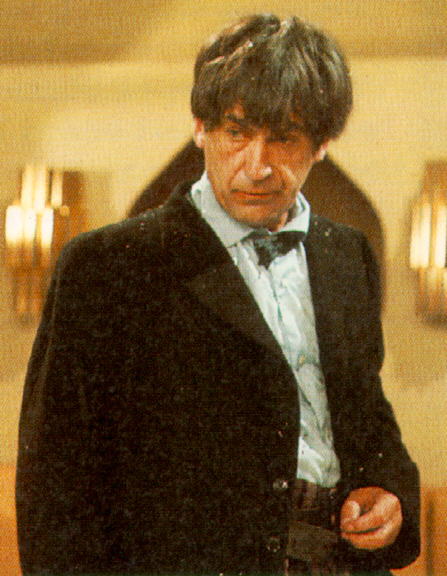
Doctor Who: The War Games In Colour (BBC4 9pm)
This reimagining of a classic serial brings fresh vibrancy to a beloved story. It explores themes of manipulation and the ethics of war.
The Doctor’s resistance to authoritarianism and his defence of free will resonate strongly. The narrative critiques the exploitation of soldiers and the dehumanisation of conflict.
A visual and thematic treat for long-time fans and new viewers alike.
Lucy Worsley’s Christmas Carol Odyssey (BBC4 10.40pm)
This historical exploration delves into the cultural and religious origins of Christmas carols. Worsley highlights their role in social movements and community identity.
Themes of tradition and change emerge as she traces the evolution of festive music. The programme underscores the power of music in shaping collective memory.
A fascinating mix of history and holiday spirit, it’s perfect for the season.
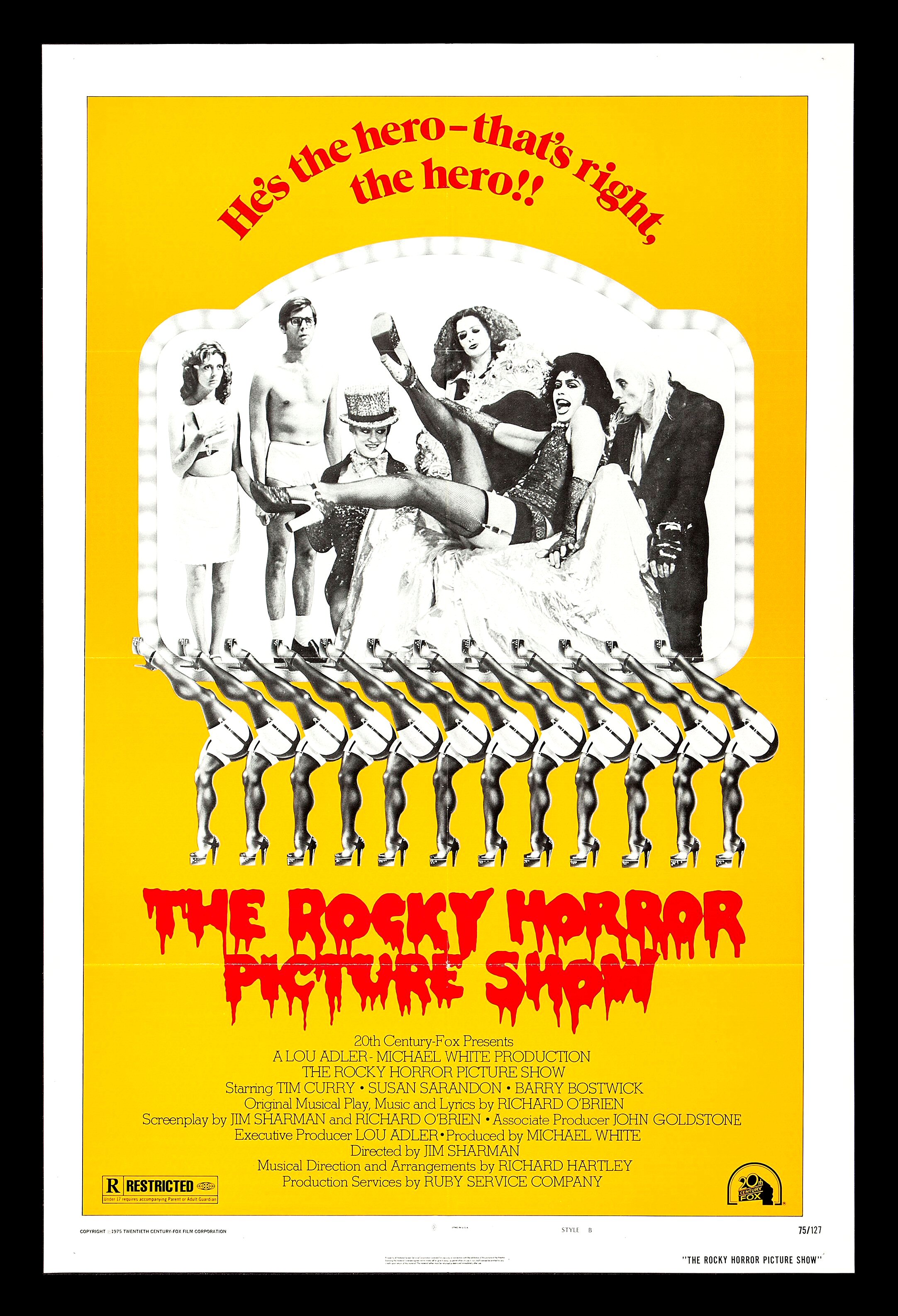
The Rocky Horror Picture Show (1975) (BBC2, 12.15am)
The Rocky Horror Picture Show is a cult classic that celebrates individuality and challenges societal norms. Its groundbreaking themes of sexual freedom and self-expression were revolutionary for its time, making it a beacon for those who felt marginalised or constrained by traditional expectations. The film’s irreverent approach to identity and acceptance has earned it a devoted following over the decades.
Having seen this film several times, as well as experienced it live at the theatre, I can attest to its enduring magic and infectious energy. The theatrical performances bring an added layer of interactivity, with audience participation amplifying its playful and rebellious spirit. Every viewing offers something new to appreciate, whether it’s the sharp wit of the dialogue, the dazzling costumes, or the electrifying performances.
One of the aspects I love most about The Rocky Horror Picture Show is its playful and smart approach to expression. From its campy humour to its over-the-top performances, the film embraces absurdity without losing sight of its underlying message of self-acceptance. This balance between outrageous fun and profound commentary is part of what makes it so special.
The music is another standout feature, ranging from rock anthems like “Time Warp” to heartfelt ballads like “I’m Going Home.” Each song is a perfect match for the film’s tone, adding depth and energy to its already vibrant narrative. The soundtrack has become iconic in its own right, with songs that continue to inspire singalongs and dance routines at screenings and performances worldwide.
Humour is woven throughout the film, making it as entertaining as it is thought-provoking. Whether through Frank N. Furter’s flamboyant charisma or the ensemble cast’s comedic timing, the film keeps audiences laughing while subtly challenging their perspectives on identity and societal expectations. It’s this clever mix of comedy and commentary that ensures it remains relevant and beloved.
The Rocky Horror Picture Show is more than just a film; it’s a joyous rebellion and a cultural phenomenon. Its legacy as a landmark in LGBTQ+ representation and liberation continues to inspire and resonate with new generations. For those who embrace its quirky charm, it offers not only entertainment but also a celebration of self-expression and the freedom to be unapologetically yourself.
Christmas Day 25th of December 2024
The Italian Job (1969) (C4, 2.45pm)
The Italian Job is a quintessentially British heist comedy that captures the cultural shifts and idiosyncrasies of 1960s Britain. Its cheeky humour and audacious plot epitomise a playful rebellion against authority, perfectly reflecting a nation in the midst of redefining itself. The film’s spirit of irreverence is embodied by its characters, who navigate a series of outrageous schemes with wit and flair.
Noel Coward’s pivotal role as the incarcerated mastermind Mr. Bridger adds a fascinating layer of patriotism and eccentricity to the film. His character, with an almost regal sense of British superiority, orchestrates the heist from his prison cell while displaying an absurdly devoted allegiance to the Queen. Coward’s presence underscores the film’s odd blend of anti-establishment energy and weirdly proud nationalism, creating a tension that is both humorous and telling of the era.
At its core, the film explores themes of ingenuity, loyalty, and the delicate balance between individual ambition and collective effort. The iconic Mini Cooper chase through the streets of Turin symbolises resourcefulness and unity in the face of adversity. These daring sequences, set against a backdrop of Italian sophistication, highlight British pluck and ingenuity in a way that has cemented the film’s status as a cultural touchstone.
The weird patriotism running through The Italian Job is as much a character as the actors themselves. From the Union Jack-adorned vehicles to Bridger’s insistence on respect for British institutions, the film celebrates a kind of tongue-in-cheek nationalism. This quirky pride, combined with the irreverent humour, creates a unique blend of critique and celebration of British identity.
Decades after its release, The Italian Job remains a timeless classic, celebrated for its daring stunts, iconic soundtrack, and charmingly absurd plot. Its enduring appeal lies in its ability to balance comedy, action, and a subtle commentary on British culture, making it as much a historical artefact as it is an entertainment masterpiece.
Some Like It Hot (1959) (BBC2, 3.10pm)
Billy Wilder’s Some Like It Hot is a ground breaking comedy that cleverly uses humour to explore themes of gender and identity. When two musicians, played by Tony Curtis and Jack Lemmon, disguise themselves as women to escape mobsters, their experiences challenge traditional gender roles and societal norms. The film’s sharp wit and playful narrative provide a lens through which to examine perceptions of masculinity, femininity, and the fluidity of identity.
Beyond its comedic surface, the film reflects the tension between societal expectations and personal freedom. Set during the era of Prohibition, it critiques the hypocrisy of organised crime and societal repression with a light yet incisive touch. The characters’ escapades highlight the absurdities of rigid norms, making the film both an entertaining farce and a subtle critique of its time.
Some Like It Hot remains as hilarious as it is thought-provoking, thanks to its brilliant performances, sharp script, and timeless themes. Marilyn Monroe’s portrayal of Sugar Kane adds depth and charm, further amplifying the film’s exploration of authenticity and acceptance. Decades after its release, it continues to resonate as a celebration of individuality and the courage to defy conventions
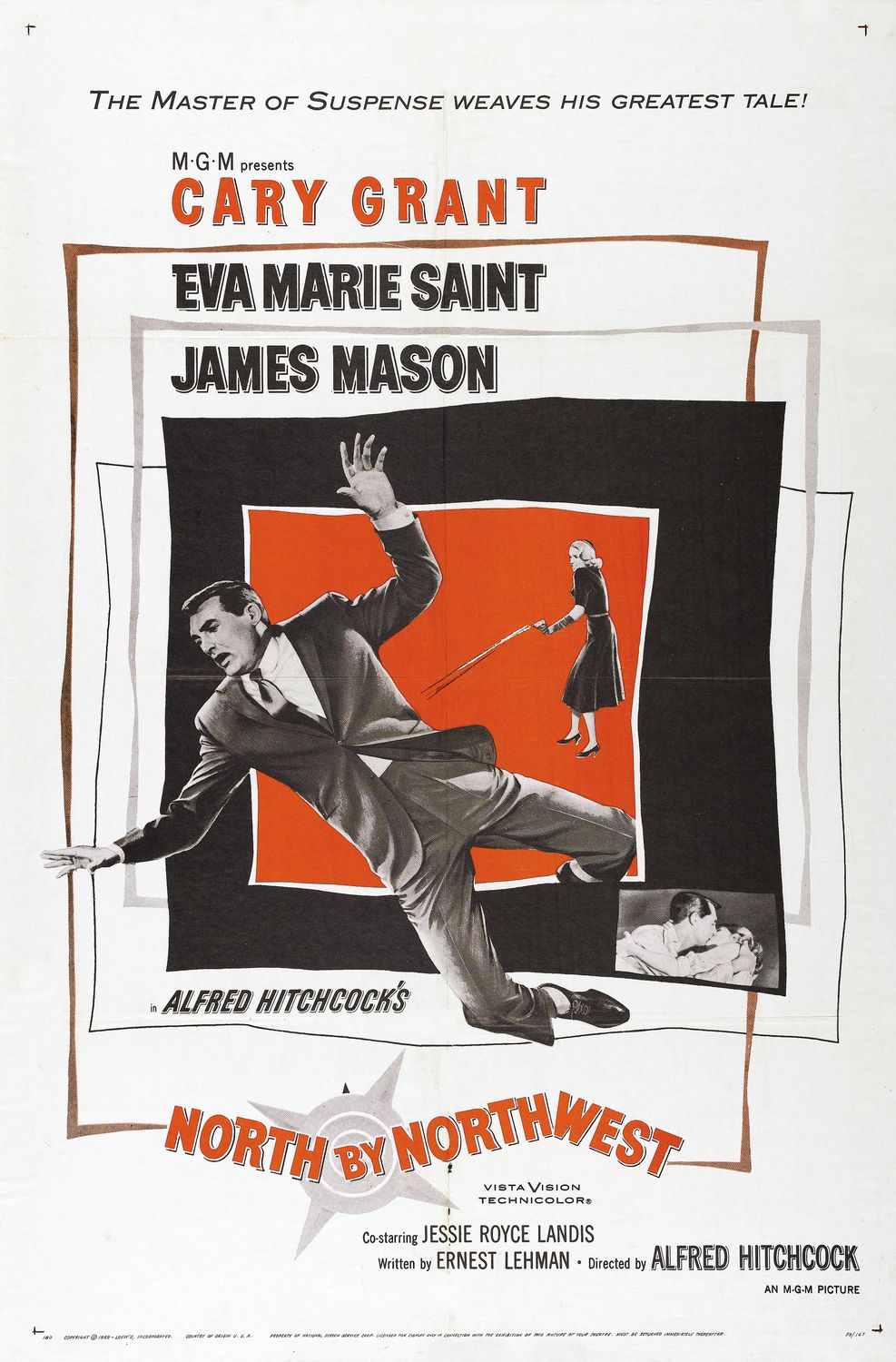
North By Northwest (1959) (BBC2, 5.05pm)
Alfred Hitchcock’s North By Northwest is a thrilling exploration of mistaken identity and Cold War-era paranoia. The film follows advertising executive Roger Thornhill as he is unwittingly drawn into a web of espionage and conspiracy. His journey becomes a gripping portrayal of the individual’s struggle against powerful and faceless institutions, reflecting the anxieties of a world steeped in surveillance and mistrust.
Hitchcock masterfully critiques the fragility of identity in a society driven by appearances and consumerism. Thornhill’s predicament highlights the ease with which a person’s life can be manipulated or erased, a theme that resonates even more strongly in today’s digital age. The film’s commentary on the erosion of personal agency remains strikingly relevant.
Visually, North By Northwest is a tour de force, with iconic sequences that have become hallmarks of cinematic suspense. From the harrowing crop-duster chase to the climactic showdown on Mount Rushmore, Hitchcock’s use of scale and tension immerses viewers in Thornhill’s escalating peril. These scenes not only thrill but also underscore the film’s themes of disorientation and the precariousness of truth.
Cary Grant’s charismatic performance as Thornhill anchors the narrative, blending humour, charm, and vulnerability. His transformation from a complacent, self-assured executive to a resourceful and resilient protagonist mirrors the broader themes of self-discovery and resilience. Eva Marie Saint’s enigmatic portrayal of Eve Kendall adds depth and intrigue, elevating the film’s exploration of trust and deception.
An enduring masterpiece, North By Northwest continues to captivate audiences with its clever plotting, sharp commentary, and visual brilliance. It stands as a compelling examination of power, identity, and the intricate dance between illusion and reality, solidifying its place as one of Hitchcock’s most celebrated works.
Doctor Who: Joy To The World (BBC1 5.10pm)
This festive special explores the Doctor’s impact on individuals and communities. Themes of hope and renewal align with the season’s spirit.
The narrative highlights the importance of connection and empathy in overcoming challenges. It critiques isolationism while celebrating diversity and cooperation.
A heart-warming episode that balances adventure with poignant social messages.
Boxing Day 26th of December 2024
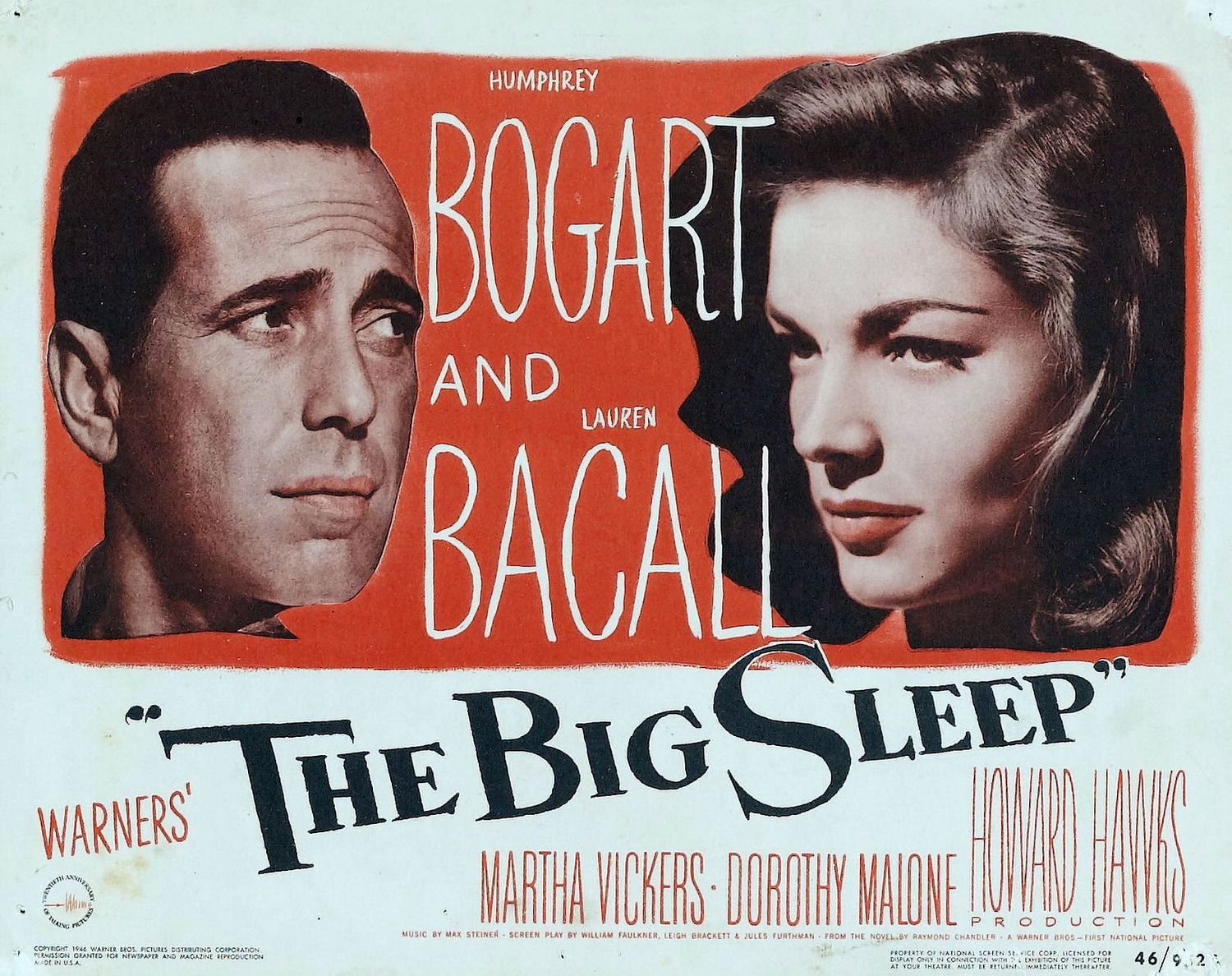
The Big Sleep (1946) (BBC2, 10.55am)
Howard Hawks’ noir classic, The Big Sleep, is a masterful exploration of corruption, power, and moral ambiguity. At its centre is Philip Marlowe, a private detective navigating a web of lies, deceit, and criminality. The film’s intricate plot reflects a society grappling with post-war disillusionment, where trust is scarce, and motives are always suspect.
The film critiques wealth and privilege, exposing how power can manipulate justice to serve its interests. The wealthy Sternwood family, whose secrets drive the story, are emblematic of a class that wields influence with impunity. Marlowe’s encounters with them highlight the disparity between those who control the system and those who are ensnared by it, showcasing a deep cynicism about societal hierarchies.
Cynicism permeates every layer of The Big Sleep, from its morally ambiguous characters to its atmospheric visuals. Marlowe himself, played with wry detachment by Humphrey Bogart, embodies the film’s scepticism towards heroism. He operates in a world where moral clarity is an illusion, and his wit often serves as armour against the pervasive corruption. The film’s dialogue crackles with sharp, sardonic exchanges that reveal as much about the characters as they do the bleak world they inhabit.
The labyrinthine plot, often criticised for its complexity, is a reflection of the chaotic and morally murky world it portrays. Viewers are left questioning not only the characters’ motives but also the possibility of achieving justice in such a corrupt system. This ambiguity is a hallmark of noir, reinforcing the genre’s commentary on the fragility of ethics in the face of power and greed.
A quintessential noir, The Big Sleep remains a sharp commentary on societal flaws and human frailty. Its cynicism, far from alienating audiences, draws them into its richly textured world, compelling them to confront uncomfortable truths about power, privilege, and morality. Decades after its release, it continues to captivate.
Casablanca (1942) (BBC2, 12.45pm)
Casablanca is a wartime romance that transcends its genre to become one of the most iconic films in cinematic history. Set against the backdrop of World War II, the film delves deeply into themes of love, sacrifice, and resistance. Rick Blaine (Humphrey Bogart) and Ilsa Lund (Ingrid Bergman) are at the heart of the story, their personal dilemmas mirroring the larger moral conflicts of a world at war. The film poignantly captures the tension between personal desires and the greater good.
The narrative critiques neutrality and isolationism, embodying these tensions in Rick’s initial reluctance to engage in the fight against fascism. His transformation, spurred by love and loyalty, underscores the urgency of solidarity in the face of oppression. Through its characters, the film makes a powerful case for courage and collective action, challenging audiences to consider the costs of indifference. Iconic lines like “Here’s looking at you, kid” and “We’ll always have Paris” enrich the story, imbuing it with both personal and universal resonance.
A cinematic treasure, Casablanca remains as relevant today as it was upon its release. Its exploration of loyalty, love, and moral responsibility continues to inspire reflection, while its timeless performances and atmospheric setting ensure its place as a masterpiece of storytelling. More than a film, it is a testament to the enduring struggle for freedom and the sacrifices made in its pursuit..
The Magnificent Seven (1960) (BBC2, 2.25pm)
The Magnificent Seven reimagines Akira Kurosawa’s Seven Samurai within the framework of a classic American Western, addressing universal themes of justice, community, and sacrifice. Set in a small Mexican village terrorised by bandits, the film follows seven gunslingers who band together to protect the villagers. It is a story of courage and unity, exploring how collective action can triumph over oppression.
The film critiques exploitation and the morality of violence, questioning whether the ends justify the means. Each member of the seven brings a unique perspective on heroism, with their motivations ranging from redemption to camaraderie. Their willingness to fight for strangers underscores the value of selflessness, even as they grapple with the personal and moral costs of their actions. This complexity gives the film its emotional depth and resonance.
While The Magnificent Seven is undeniably a rousing adventure with thrilling action sequences, it also serves as a meditation on Cold War-era fears and aspirations. The story reflects the anxieties of a world divided by power struggles, as well as the hope that collective efforts can lead to justice and peace. Decades later, the film remains a cinematic classic, blending exciting storytelling with profound reflections on morality and human connection.
The Stories Behind The Songs (Talking Pictures, 2.20pm)
Narrated by singer-songwriter Kate Garner, The Stories Behind The Songs is a captivating documentary that delves into the cultural and historical contexts of iconic melodies. Garner’s heartfelt narration adds a personal touch, drawing audiences into the rich tapestry of stories behind some of the world’s most beloved songs. Through her voice, the programme explores the deep connections between music and societal change.
One of the featured stories is the timeless carol “Silent Night,” which originated in 1818 in a small Austrian village. Composed by Franz Xaver Gruber with lyrics by Joseph Mohr, the song was first performed on Christmas Eve in St. Nicholas Church in Oberndorf. Written during a time of hardship and uncertainty, “Silent Night” embodies themes of peace and hope, resonating deeply with listeners across generations. Its poignant origins underscore the enduring ability of music to provide solace and unity in troubled times.
The programme examines how songs like “Silent Night” reflect identity, protest, and collective memory. From personal stories of resilience to moments of historical significance, the documentary connects audiences to the enduring power of storytelling through music. A rich exploration of music’s role as a catalyst for reflection and transformation, it offers insights into how these melodies continue to shape and inspire the world.
Friday 27th of December 2024
Oliver! (1968) (C4, 11.25am)
This adaptation of Dickens’ Oliver Twist blends vibrant music with stark social commentary, creating a timeless cinematic experience. From its opening number, “Food, Glorious Food,” to the rousing “Consider Yourself,” the film’s soundtrack is integral to its enduring appeal. These songs not only advance the plot but also capture the mood of Victorian London, reflecting the struggles and aspirations of its characters.
Themes of community, resilience, and the quest for belonging resonate throughout the narrative. Songs like “Where Is Love?” and “As Long As He Needs Me” delve into the emotional core of the story, highlighting the loneliness and hope of the characters. The contrast between the upbeat ensemble numbers and the deeply personal ballads mirrors the social divides and emotional complexities of Dickens’ original work.
The music, composed by Lionel Bart, is a standout feature, blending catchy melodies with profound lyrics that have become iconic. These songs transcend the film, becoming part of the cultural lexicon and performed in schools, theatres, and community productions worldwide. The universal themes embedded in the music make it relatable across generations.
Part of the film’s lasting impact lies in its ability to balance entertainment with a critique of societal inequality. The vibrant choreography and cheerful tunes do not shy away from addressing the harsh realities of poverty and exploitation. Instead, they amplify the resilience and spirit of the characters, ensuring that audiences remain engaged while reflecting on the underlying social commentary.
Oliver!’s enduring legacy can be attributed to its masterful integration of story and music. Its ability to captivate audiences with its heartwarming songs and poignant message ensures it remains relevant decades after its release. By blending artistry with a critique of social injustice, the film continues to resonate with viewers, making it a treasured classic of musical cinema.
The Everly Brothers Reunion Concert (BBC4 10pm)
This concert captures the enduring appeal of the Everly Brothers’ harmonies. Their music reflects themes of love, loss, and Americana.
The programme revisits a simpler era while acknowledging the cultural shifts of the 20th century. It celebrates their influence on subsequent generations of musicians.
A nostalgic and heartfelt tribute to the enduring power of music to connect and inspire.
Arena: The Everly Brothers: Songs Of Innocence And Experience (BBC4 11.15pm)
This documentary examines the Everly Brothers’ journey through fame and personal struggles. It explores themes of sibling dynamics and the pressures of success.
Their music bridges generational divides, reflecting both innocence and the complexities of life. The film highlights their impact on shaping modern rock and roll.
An insightful look at the cultural and personal dimensions of their legacy.
Brief Encounter (BBC2, 12.10pm)
David Lean’s Brief Encounter is a poignant exploration of longing and the constraints imposed by societal expectations. Trevor Howard and Celia Johnson deliver masterful performances as Alec and Laura, two ordinary people who find an extraordinary connection in the midst of their everyday lives. Their forbidden romance unfolds with quiet desperation, capturing the emotional turmoil of post-war Britain and the sacrifices demanded by duty and convention.
The film critiques rigid social norms, highlighting the tension between personal desires and collective responsibilities. Alec and Laura’s brief moments of happiness are juxtaposed with their deep sense of guilt, underscoring the moral dilemmas they face. Balancing this intensity are the lighthearted supporting roles of Stanley Holloway as the stationmaster and Joyce Carey as the refreshment room attendant, whose comic interactions provide moments of levity and warmth amidst the emotional weight of the main story.
A timeless classic, Brief Encounter remains a delicate exploration of love, loss, and sacrifice. Lean’s subtle direction, coupled with the heartfelt performances, creates a narrative that resonates across generations. Its understated yet powerful portrayal of human connection continues to captivate audiences, making it one of the most enduring romances in cinematic history.
I, Tonya (2017) (BBC2, 11.15pm)
I, Tonya is a compelling biographical drama that delves into the complexities of ambition, class disparity, and media sensationalism. Margot Robbie delivers a captivating performance as Tonya Harding, a figure both vilified and misunderstood in the public eye. The film recounts Harding’s rise in the world of competitive figure skating and the scandal that ultimately defined her career, challenging viewers to reconsider the binary notions of villainy and victimhood.
The narrative critiques the harsh scrutiny faced by women in the public sphere, particularly those from working-class backgrounds. Harding’s struggles against systemic biases and personal adversities highlight the inequities of a world that values spectacle over substance. The film also offers a sharp commentary on the ethics of competitive sports, where appearances often outweigh genuine talent, and the pressures to succeed can lead to morally questionable actions.
Through its provocative storytelling and dark humour, I, Tonya humanises its protagonist while exposing systemic injustices. It reframes Harding’s story as not just a personal tragedy but a reflection of broader societal flaws. The film’s raw and unflinching approach ensures its place as a modern classic, blending entertainment with a thought-provoking critique of the forces that shape public narratives.
Saturday 28th of December 2024
A Hard Day’s Night (1964) (BBC2 11.25am)
Richard Lester’s A Hard Day’s Night (1964) is more than just a Beatles musical; it’s a vivid snapshot of the 1960s, capturing the energy, optimism, and turbulence of an era defined by cultural and social change. The film’s narrative follows the band over 36 hours, showcasing their humor, creativity, and camaraderie while navigating the pressures of fame. At its core, the film explores the tension between individual identity and the societal expectations placed upon them as pop icons, reflecting the struggles of a generation seeking to assert its individuality.
One of the film’s central themes is the generational divide that defined the 1960s. Through its depiction of the Beatles’ playful defiance of authority figures, such as uptight managers, reporters, and disciplinarians, A Hard Day’s Night highlights the growing disconnect between the youth and the older, more conservative generation. This tension mirrors the broader societal shifts of the decade, as young people rejected traditional values and embraced new ideas about freedom, creativity, and self-expression.
The film also captures the burgeoning counterculture movement, which was beginning to question the norms of consumerism, conformity, and materialism. The Beatles’ witty and irreverent interactions with their surroundings serve as a critique of the superficiality of the entertainment industry and, by extension, societal expectations. Their humor, spontaneity, and refusal to take themselves too seriously symbolize a break from the rigid structures of the past, embodying the spirit of rebellion and innovation that defined the 1960s.
Creativity is celebrated throughout the film, not just in the Beatles’ music but also in its groundbreaking cinematic style. Richard Lester’s innovative direction, with its fast-paced editing, unconventional angles, and documentary-like realism, reflects the experimental ethos of the time. This approach not only enhanced the film’s energy but also challenged traditional filmmaking norms, paralleling the Beatles’ own revolutionary impact on music and popular culture. The film suggests that creativity can serve as both a personal and societal liberation, offering a way to break free from restrictive norms.
A Hard Day’s Night critiques the pressures of fame and the commodification of individuality. While the film is filled with joy and laughter, there’s an undercurrent of the constraints placed upon the Beatles as public figures. Their attempts to escape fans, handlers, and the relentless media underscore the loss of personal freedom that often accompanies success. In doing so, the film resonates beyond its time, raising timeless questions about the balance between public image and private identity. Through its humour, energy, and insight, A Hard Day’s Night stands as a cultural landmark that encapsulates the transformative spirit of the 1960s.
The Godfather (1972) (C4 9.45pm)
Francis Ford Coppola’s The Godfather is a cinematic masterpiece that delves deeply into ethical, psychological, and social themes, presenting a profound exploration of power, loyalty, and morality. Through the saga of the Corleone crime family, the film critiques the darker side of the American Dream, exposing how ambition and success can become entangled with corruption and violence. The juxtaposition of traditional family values with ruthless criminality creates a compelling narrative that examines the moral compromises often made in pursuit of power and legacy.
Ethically, The Godfather challenges conventional notions of right and wrong by presenting a world where loyalty and justice operate within a morally ambiguous framework. The Corleone family adheres to their own code of honor, which often contrasts sharply with societal laws. This duality raises questions about the relativity of morality and whether ends can justify means. The film’s depiction of organized crime as a parallel structure of authority underscores the complexities of ethical decision-making in a world where survival often demands compromise.
Psychologically, the film provides a nuanced exploration of identity and transformation, particularly through the character arc of Michael Corleone. Initially portrayed as a reluctant outsider to his family’s criminal empire, Michael’s journey from idealistic war hero to ruthless mob boss illustrates the corrosive effects of power and vengeance on the human psyche. His internal conflict and ultimate moral descent serve as a cautionary tale about the seductive nature of power and the loss of innocence. The psychological toll of living within a violent, morally compromised world is a recurring theme, as characters grapple with guilt, betrayal, and the weight of their choices.
Socially, The Godfather examines the complexities of immigrant identity in America, highlighting the challenges and contradictions faced by those striving to assimilate while preserving their cultural heritage. The Corleones’ rise to power reflects the struggles of many immigrant families who sought prosperity in a system that often marginalized them. However, their methods—resorting to crime to achieve success—critique the systemic barriers that pushed them toward such choices. The film underscores the idea that the American Dream, while alluring, is often fraught with inequities and contradictions.
Thematically, The Godfather blurs the lines between family loyalty and corruption, inviting viewers to question their own values and allegiances. The film’s moral ambiguity forces the audience to empathize with characters who commit heinous acts, challenging black-and-white perceptions of good and evil. By intertwining themes of power, morality, and identity within a richly textured narrative, Coppola creates a timeless work that resonates on multiple levels. Its enduring legacy lies in its ability to provoke deep ethical and psychological reflection, making The Godfather not just a film, but a profound commentary on the human condition.
Sunday 29th of December 2024
Gosford Park (2001) (BBC2 10pm)
Robert Altman’s drama examines class divides in 1930s Britain. It critiques the rigid hierarchies of the aristocracy and the exploitation of servants.
Themes of power, privilege, and deception underscore the narrative. The film’s layered storytelling offers a microcosm of societal tensions.
A sharp and satirical look at the interplay between wealth and morality.
Don’t Look Now (1973) (BBC2, 12.15am)
Don’t Look Now is a haunting psychological thriller that explores grief, guilt, and the supernatural with unparalleled intensity. Julie Christie and Donald Sutherland star as Laura and John, a couple reeling from the tragic death of their young daughter. Their journey to Venice, intended as an escape, plunges them into a labyrinth of mystery and emotional turmoil, where the past and present intertwine in unsettling ways.
The film’s eerie atmosphere is heightened by the presence of Hilary Mason as a blind mystic who claims to communicate with the dead. Her enigmatic character adds layers of ambiguity and unease, challenging John’s scepticism and rationality. This interplay between realism and mysticism underscores the film’s critique of a purely logical worldview, suggesting that grief can blur the lines between reality and the supernatural.
Director Nicolas Roeg’s masterful use of haunting imagery and fragmented editing creates a sense of disorientation that mirrors the couple’s emotional state. The decaying beauty of Venice becomes a character in itself, reflecting the themes of loss and unresolved trauma. Don’t Look Now lingers in the mind long after viewing, a chilling yet profoundly emotional story that delves deep into the human psyche and the fragile boundaries of perception.
Monday 30th of December 2024
School For Scoundrels (1960) (BBC2, 10.30am)
School For Scoundrels is a sharp satirical comedy that takes aim at the relentless competitiveness of modern life. The story follows a hapless protagonist who enrols in a “school of life” to learn how to outwit rivals and succeed in social and romantic endeavours. Through its witty narrative, the film critiques societal pressures to conform to ideals of charm, confidence, and success, exposing the absurdity of such expectations.
With its clever humour and timeless themes, the film offers a biting commentary on ambition and human nature. By poking fun at manipulation and the superficial trappings of success, School For Scoundrels invites audiences to reflect on the ethics of self-improvement and the lengths people go to achieve their goals. Decades after its release, it remains an enduring and entertaining exploration of social dynamics and personal growth.
Rocketman (2019) (C4, 9pm)
Rocketman is a dazzling biographical musical that celebrates the extraordinary life and career of Elton John. Taron Egerton delivers a remarkable performance as the iconic musician, capturing both his flamboyant charisma and his deep vulnerability. The film takes audiences on a journey through Elton’s rise to fame, showcasing his immense talent and unyielding determination to become one of the most beloved artists of all time.
Elton John’s story is one of resilience, and Rocketman does a beautiful job of exploring the complexities of his journey. It delves into themes of identity, addiction, and self-acceptance, shedding light on the challenges he faced while navigating the pressures of fame and personal struggles. The film’s unflinching portrayal of these moments highlights Elton’s strength and determination to overcome adversity, making his achievements all the more inspiring.
The film is also a love letter to Elton John’s artistry, with its fantastical musical sequences capturing the emotional highs and lows of his life. Songs like “Your Song” and “Tiny Dancer” are woven seamlessly into the narrative, not just as performances but as integral parts of the storytelling. These moments remind audiences of the transformative power of Elton’s music, which has touched countless lives around the world.
What makes Rocketman truly stand out is its ability to balance the glitz and glamour of Elton’s career with an intimate and deeply personal exploration of his character. The film critiques the music industry’s exploitation while celebrating Elton’s ability to reclaim his identity and mental health. It portrays him not just as a superstar but as a human being who has triumphed against the odds.
Rocketman is a vibrant tribute to Elton John’s resilience, talent, and enduring legacy. It celebrates his ability to bring joy and connection through his music, offering an uplifting and deeply personal reflection on a life lived boldly and authentically. For fans and newcomers alike, the film is a testament to the power of music and the indomitable spirit of one of the greatest artists of our time.
New Year’s Eve 31st of December 2024
Jesus Christ Superstar (1973) (Channel, Time TBD)
Jesus Christ Superstar is a groundbreaking rock opera that reimagines the Passion of Christ through a contemporary lens, bringing timeless themes of power, betrayal, and redemption into sharp focus. Directed by Norman Jewison and based on the Andrew Lloyd Webber and Tim Rice stage production, the film captivates with its innovative blend of biblical storytelling and modern sensibilities.
Central to the film’s enduring impact is its bold, genre-defying music. The rock-infused score, featuring iconic numbers like “I Don’t Know How to Love Him” and “Superstar,” elevates the narrative, capturing the emotional and spiritual complexities of its characters. The powerful vocals and dramatic arrangements breathe new life into the familiar story, making it accessible to audiences across generations. The music’s ability to evoke both grandeur and intimacy ensures it remains a defining element of the film.
The film critiques religious institutions and societal expectations of divinity, questioning how figures like Jesus and Judas are perceived and remembered. Through its lyrics and performances, it delves into the humanity of its characters, portraying Jesus as a man grappling with his destiny and Judas as a conflicted figure questioning his choices. This layered exploration adds depth to the story, challenging viewers to reflect on the nature of faith and leadership.
The contemporary aesthetic of Jesus Christ Superstar—from its 1970s costumes to its desert landscapes—reinforces its timelessness and universality. The juxtaposition of ancient narrative and modern music creates a unique atmosphere that resonates deeply with audiences. The film’s choreography and visual symbolism further enhance its storytelling, providing a visceral, almost theatrical experience.
Jesus Christ Superstar is more than just a film; it’s a cultural touchstone that redefines how stories of faith and sacrifice can be told. Its provocative interpretation and unforgettable music ensure its place as a bold and thought-provoking adaptation of a timeless story, inspiring audiences to reimagine the narratives they hold dear.
Unforgiven (1992) (5Action 9pm)
Clint Eastwood’s Western examines the consequences of violence and moral ambiguity. It critiques the romanticism of frontier justice.
Themes of redemption, regret, and survival resonate throughout the narrative. The film reflects on the ethical complexity of vengeance.
A stark and sobering reflection on the myths of the American West.
The Godfather Part II (1974) (BBC4 9pm)
The Godfather Part II is a richly layered exploration of ethical themes, delving deeper into the interplay between power, corruption, and family loyalty. By juxtaposing the rise of Vito Corleone with the moral decline of his son Michael, the film presents a profound commentary on the cost of ambition and the moral compromises required to maintain power. Through its dual narrative structure, Francis Ford Coppola creates a compelling examination of how power shapes, and often corrupts, individuals and their relationships.
Ethically, the film critiques the relentless pursuit of power and the erosion of personal integrity that accompanies it. Vito Corleone’s journey from a young immigrant to a powerful crime boss is portrayed as a response to systemic injustices, suggesting that his actions, while unlawful, are motivated by a desire to protect and provide for his family. However, his methods—extortion, violence, and manipulation—raise questions about whether the ends justify the means. In contrast, Michael’s reign as the head of the Corleone family is marked by a more insidious corruption, as he betrays his closest allies, sacrifices familial bonds, and descends into paranoia. The film suggests that power, when pursued without ethical boundaries, becomes self-destructive.
The theme of family loyalty, central to the narrative, is fraught with ethical dilemmas. Vito’s actions are rooted in his commitment to his family, but his criminal empire also exposes them to danger and moral compromise. Michael’s decisions, ostensibly made to protect the family legacy, ultimately alienate him from his loved ones, most notably his wife, Kay, and his brother, Fredo. The film interrogates the morality of prioritizing familial loyalty over broader ethical principles, revealing the devastating consequences of such choices. Michael’s isolation by the film’s conclusion underscores the hollowness of his power and the moral void it has created.
The film also examines the ethics of assimilation and the immigrant experience in America. Vito’s rise reflects the struggles of immigrant communities to find their place in a society that often marginalizes them. While his actions challenge systemic inequities, they also perpetuate cycles of violence and exploitation. In contrast, Michael’s story highlights the dangers of losing one’s moral compass in the pursuit of societal acceptance and power. The Corleone family’s journey critiques the idea that assimilation and success must come at the cost of ethical integrity.
The Godfather Part II serves as a meditation on the corrupting influence of power and the fragility of ethical principles in the face of ambition. By presenting morally complex characters and situations, the film challenges viewers to grapple with uncomfortable questions about justice, loyalty, and the cost of success. Its enduring impact lies in its ability to illuminate the ethical struggles inherent in human ambition, making it not just a sequel, but a profound continuation of a cinematic and moral legacy.
New Year’s Day 1st of January 2025
Top Hat (1935) (BBC2 8.35am)
This classic musical celebrates romance and escapism during the Great Depression. Its elegant dance sequences reflect themes of joy and resilience.
The film critiques societal constraints through its playful narrative. It offers a vision of glamour and optimism in difficult times.
A delightful reminder of the power of art to uplift and inspire.
Lawrence of Arabia (1962) (C4, 12.20pm)
David Lean’s Lawrence of Arabia is a cinematic masterpiece that explores the intersection of colonialism, identity, and ambition through the lens of T.E. Lawrence’s remarkable and controversial life. Played with intensity and complexity by Peter O’Toole, Lawrence is depicted as both a hero and an enigma, embodying the contradictions of a man revered and criticised for his role in shaping the Middle East during World War I. His character invites debate over the ethics of his actions and the imperialist motives that underpinned them.
The film critiques the manipulation of individuals for imperialist goals, with Lawrence caught between his allegiance to the Arab cause and the British Empire’s ambitions. His efforts to unite the Arab tribes and lead a revolt against the Ottoman Empire are depicted with both grandeur and moral ambiguity. This duality highlights the exploitation inherent in colonial power structures and raises questions about the cost of leadership and betrayal.
Beyond its political commentary, Lawrence of Arabia delves deeply into the complexities of heroism and cultural misunderstanding. Lawrence’s struggle to reconcile his admiration for Arab culture with his own identity as a British officer underscores the tension between belonging and otherness. The film portrays his internal conflict with remarkable nuance, reflecting broader themes of alienation and the price of greatness.
A notable aspect of the film that has sparked considerable discussion is the potential homoerotic subtext, particularly in Lawrence’s interactions with Arab leaders and his intense, enigmatic relationships. While not overtly addressed, these themes contribute to the layered complexity of Lawrence’s character, reflecting his isolation and the ambiguity of his personal connections. At the time of its release, such undertones were provocative and generated comment, adding to the film’s reputation as a bold and unconventional epic.
Lean’s sweeping visuals underscore the vastness of the desert landscape, mirroring the enormity of Lawrence’s ambition and the challenges he faces. The cinematography, with its stunning use of light and shadow, enhances the film’s epic scale and symbolic resonance. Every frame contributes to a sense of awe and desolation, capturing both the beauty and harshness of the environment Lawrence sought to master.
A monumental work of cinema, Lawrence of Arabia challenges perceptions of history, power, and the legacy of its controversial protagonist. By examining the complexities of T.E. Lawrence’s character and his actions, the film offers a richly layered narrative that continues to inspire debate and admiration. Its combination of grand storytelling, visual brilliance, and moral inquiry ensures its place as one of the greatest films of all time.
Groundhog Day (1993) (C4, 4.50pm)
Groundhog Day is a beloved comedy that weaves humour with profound philosophical themes, creating a story that continues to resonate deeply with audiences. Bill Murray’s iconic portrayal of Phil Connors, a cynical and self-centred weatherman, anchors the film as he finds himself reliving the same day over and over in the small town of Punxsutawney. This seemingly simple premise unfolds into a rich exploration of human nature, self-improvement, and the search for meaning.
The repetition of Phil’s day serves as a metaphor for the monotony and routine of modern life, challenging both the character and the audience to reflect on their own behaviours and priorities. As Phil transitions from frustration and hedonism to introspection and compassion, the film examines the transformative power of self-awareness and personal growth. His journey is a poignant reminder that change often begins from within.
The film critiques consumerism and superficiality, urging viewers to find meaning in authentic connections and acts of service. Phil’s initial attempts to manipulate his situation for selfish gain highlight the emptiness of material pursuits, while his eventual shift toward helping others underscores the joy and fulfilment that come from kindness and empathy. This message, delivered through witty dialogue and memorable scenes, strikes a balance between humour and heartfelt introspection.
The philosophical underpinnings of Groundhog Day elevate its humour, blending existential musings with lighthearted charm. The film poses timeless questions about the nature of time, choice, and purpose, inviting viewers to consider how they might use their own “extra time” to grow and make a positive impact. Its ability to intertwine these weighty ideas with comedic moments makes it a standout in the genre.
A timeless classic, Groundhog Day transcends its comedic roots to offer a deeply meaningful narrative about redemption, connection, and the human capacity for change. Its universal themes and Murray’s captivating performance ensure its place as both an entertaining and thought-provoking film that remains as relevant today as when it first premiered.
Gogglebox Festive Special (C4, 9pm)
The Gogglebox Festive Special is a heartwarming and hilarious celebration of shared experiences, bringing families and friends together to watch and comment on the best (and worst) of festive television. With its eclectic cast reflecting the diversity of British society, the show captures the charm of communal viewing and the joy of bantering over holiday programming. Regulars like Jenny and Lee, the Siddiquis, and Amira and Iqra light up the screen with their unique perspectives and delightful reactions.
For many fans, the undeniable highlight of the show is Giles Wood and Mary Killen, whose witty exchanges and affectionate bickering are endlessly entertaining. Their distinct personalities and contrasting outlooks create a dynamic that is both humorous and endearing. Whether they’re debating the merits of a Christmas advert or sharing dry observations about a festive drama, their banter feels like a comedy sketch woven into the fabric of the programme. Giles’ whimsical musings paired with Mary’s sharp retorts offer a dialectic that keeps audiences laughing and eagerly anticipating their next quip.
What sets Gogglebox apart is how the relationships between those commenting make the show both funny and heartwarming. The genuine connections and camaraderie among the pairs and families add depth to the humour, as viewers get a glimpse into their interactions and shared histories. Watching the Siddiquis gently tease one another or Jenny and Lee’s infectious giggles feels like being part of a larger, extended family celebrating the season together.
Themes of community, humour, and tradition are central to the show’s enduring appeal. As the cast critiques and celebrates festive media, they also reflect on the shared experiences that bring people together, whether it’s the nostalgia of classic Christmas specials or the absurdity of over-the-top seasonal programming. Their candid and relatable reactions resonate with viewers, creating a collective sense of belonging.
An entertaining and heartwarming look at how TV unites us during the holidays, the Gogglebox Festive Special reminds us that it’s not just the shows on screen but the people we share them with that make the experience special. With its unique blend of comedy, commentary, and community spirit, it remains a cherished part of the festive season.
Ruth Jones Remembers: Hattie (BBC4 10pm)
This tribute honours Hattie Jacques and her influence on British comedy. It reflects on her struggles with societal expectations of women.
Themes of resilience and humour underscore Jacques’ legacy. The programme critiques gender norms in the entertainment industry.
An affectionate and enlightening look at a trailblazer’s life.
Hattie (BBC4 10.15pm)
This biopic explores the personal and professional life of Hattie Jacques. It examines themes of ambition, love, and societal pressure.
The narrative highlights the challenges faced by women in a male-dominated industry. It critiques the double standards of fame and image.
A heartfelt portrayal of a complex and talented figure.
The Godfather Coda: The Death of Michael Corleone (2020) (C4 12.30am)
This re-edit of the third Godfather film presents a more streamlined and focused narrative, offering audiences a fresh perspective on a classic tale. Directed by Francis Ford Coppola, the revised version sharpens the story’s emotional core, with themes of legacy, guilt, and redemption taking center stage.
Michael Corleone, now an aging and reflective figure, grapples with the consequences of his lifelong pursuit of power. The film explores the toll of ambition and the inescapable weight of past decisions, painting a poignant picture of a man seeking forgiveness and meaning in his twilight years. Through its depiction of decline and the fragility of human connections, it acts as both a critique of unchecked ambition and a meditation on the personal costs of a life lived in pursuit of control.
With restructured scenes and a revised ending, The Godfather Coda serves as a reflective and fitting epilogue to the Corleone saga, bringing greater clarity and resonance to the story. A must-watch for fans of the trilogy and those intrigued by tales of power and its consequences.
Thursday 2nd of January 2025
Green Book (2018) (BBC2 12.10am)
This biographical drama delves into profound themes of race, friendship, and privilege, centering on the unlikely relationship between the refined African-American pianist Don Shirley and his Italian-American driver and bodyguard, Tony Lip. Set against the racially charged backdrop of 1960s America, the story follows their journey through the Deep South, where systemic racism and societal prejudices are laid bare.
As the two men navigate a world defined by segregation, they confront not only external bigotry but also their own personal biases and preconceptions. Don Shirley’s dignity and resilience serve as a stark counterpoint to Tony’s working-class bluntness, creating a dynamic that is both confrontational and transformative. Their evolving bond sheds light on the complexities of prejudice and the human capacity for growth and understanding.
While the film critiques systemic racism and celebrates the potential for personal reconciliation, it has also sparked debate about its perspective. Critics have questioned whose story is being centred, with some arguing that it leans heavily on Tony’s journey of enlightenment, potentially side-lining the more nuanced experiences of Shirley himself.
Despite the controversy, this is a heartfelt exploration of social divides, offering moments of humour, tenderness, and thought-provoking commentary. Its depiction of reconciliation, though idealistic to some, speaks to the enduring hope for progress in the face of deeply entrenched divisions.
Friday 3rd of January 2025
Planet of the Apes (1968) (BBC2 2.30pm)
This science fiction classic serves as a powerful critique of human arrogance, delving into the ethics of colonization and the consequences of unchecked ambition. Set in a dystopian world where power dynamics are dramatically reversed, the story uses its allegorical framework to explore profound themes of race, war, and the destructive misuse of power.
At its core, the film examines humanity’s tendency to exploit and dominate, questioning the moral implications of such behavior. Themes of equality, justice, and the repercussions of ecological neglect are interwoven throughout the narrative, offering a stark warning about the fragility of both the natural world and societal structures. Its portrayal of oppression and rebellion mirrors historical and contemporary struggles, making its message timeless and universally relevant.
The film’s iconic twist ending is both shocking and deeply reflective, forcing viewers to confront uncomfortable truths about their own roles in perpetuating societal decline. It challenges audiences to reconsider their perceptions of humanity, morality, and the consequences of their actions on a broader scale.
A thought-provoking masterpiece, this classic continues to resonate as a cautionary tale, urging introspection and dialogue about the ethical dilemmas we face as a species. Its enduring legacy lies in its ability to entertain while provoking meaningful reflection on the human condition.
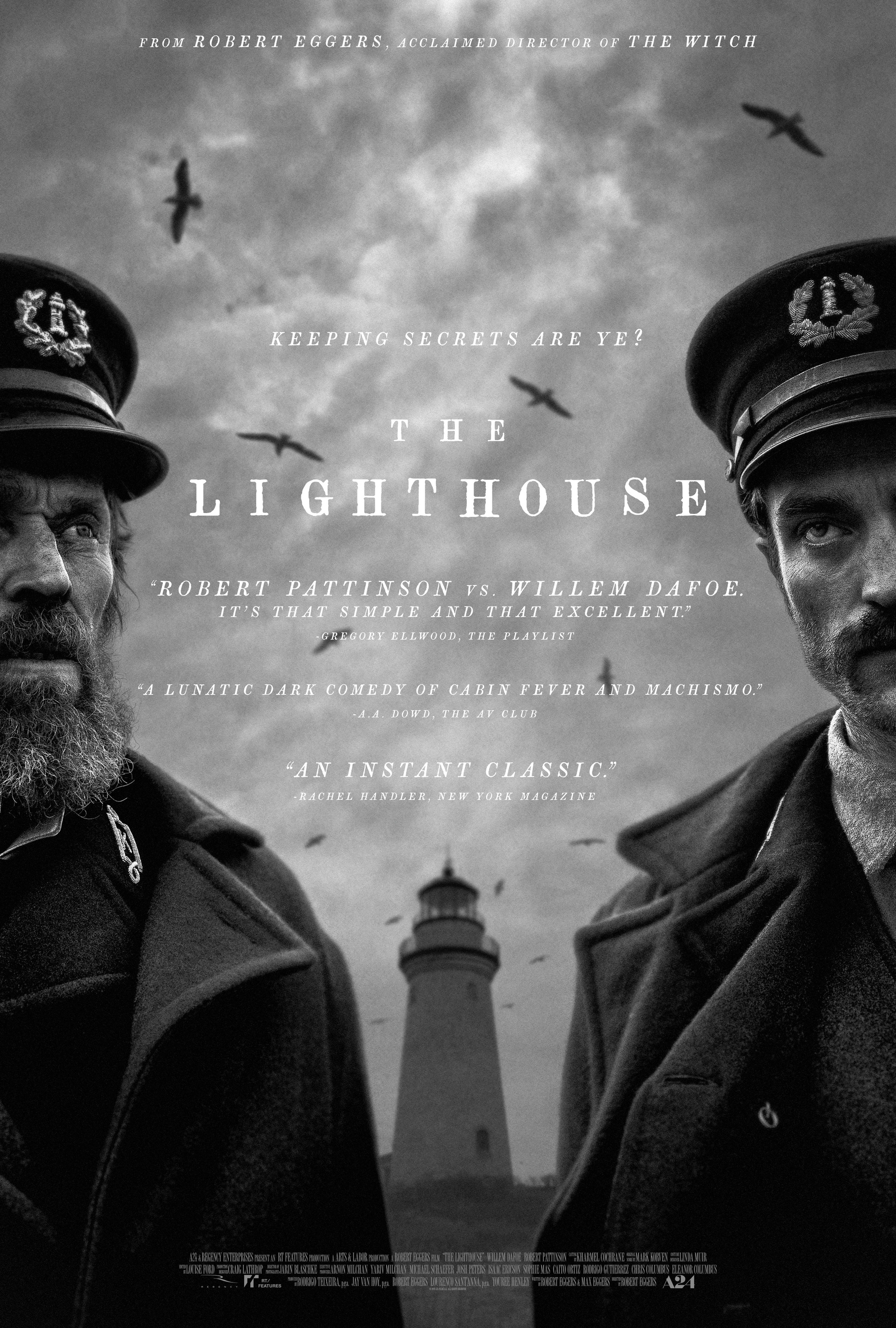
The Lighthouse (2019) (Film4 11.55pm)
This psychological thriller delves deeply into themes of isolation, power dynamics, and the unraveling of the human mind. Set in a remote, claustrophobic environment, the film vividly portrays the mental and emotional toll of prolonged seclusion, highlighting how authority and dominance can exacerbate existing tensions and push individuals toward madness.
The story serves as a biting critique of toxic masculinity and its destructive tendencies, showcasing how power struggles and repressed emotions can spiral into chaos and violence. The characters’ psychological descent is mirrored in the bleak, storm-lashed setting, where the line between reality and delusion becomes increasingly blurred. The film’s exploration of control, fear, and vulnerability sheds light on the darker aspects of human nature, offering a chilling yet thought-provoking commentary on what happens when individuals are stripped of societal constraints.
With stark, haunting visuals and powerhouse performances that intensify the eerie atmosphere, the film captivates and unsettles in equal measure. The interplay of light and shadow, coupled with an evocative sound design, enhances the sense of dread, making the setting feel as much a character as the protagonists themselves.
A harrowing yet compelling exploration of the human psyche, this thriller lingers in the mind long after the credits roll, challenging viewers to confront their own fears and vulnerabilities. It is both a gripping narrative and a profound meditation on the fragile boundaries of sanity.
Spartacus (1960) (ITV4 3.15pm)
This epic historical drama, directed by Stanley Kubrick and starring Kirk Douglas in the titular role, tells the stirring story of a slave rebellion that shakes the foundations of the Roman Empire. Based on true events, the film critiques tyranny and the abuse of power, exploring the resilience of the human spirit in the face of overwhelming oppression.
At its heart, Spartacus is a powerful exploration of freedom, sacrifice, and the transformative strength of collective action. The narrative vividly portrays the stark divide between the ruling elite and the enslaved masses, challenging the entrenched class hierarchies and questioning the ethics of empire-building. Spartacus’s journey from a gladiator fighting for survival to a revolutionary leader inspires a timeless call for justice and equality, resonating deeply with contemporary struggles for human rights and dignity.
With sweeping cinematography, grand battle sequences, and an emotionally charged script, the film balances its epic scale with intimate moments of humanity and compassion. The stellar performances, particularly Douglas’s portrayal of Spartacus as a symbol of defiance and hope, add depth to this rousing tale of resistance.
A cinematic classic, Spartacus remains an enduring testament to the fight for dignity and freedom, reminding audiences of humanity’s unyielding quest for a more just and equitable world.
And Finally, Streaming
An Accidental Studio (on ITVX available from Boxing Day)
This documentary explores the rise of George Harrison’s HandMade Films. It reflects themes of creative independence and the fight against corporate control.
The programme critiques Hollywood’s dominance while celebrating British filmmaking ingenuity. It highlights the risks and rewards of breaking conventional moulds.
A fascinating insight into an era of filmmaking that championed artistic vision over profit.
Picture credits
Eurythmics At The BBC
Annie Lennox At The BBC
Annie Lennox: BBC1 Sessions
By Distributed by RCA Records – eBay Archive No copyright markings on front or back of photo.Higher resolution photo here, Public Domain, https://commons.wikimedia.org/w/index.php?curid=128988501
Apocalypse Now (1979)
The poster art can or could be obtained from the distributor., Fair use, https://en.wikipedia.org/w/index.php?curid=11940998Pan’s Labyrinth
By https://www.filmaffinity.com/en/filmimages.php?movie_id=977734, Fair use, https://en.wikipedia.org/w/index.php?curid=7070891
Scrooge: A Christmas Carol (1951)
By Renown Pictures – https://www.amazon.co.uk/SCROOGE-1951-Alastair-QUAD-POSTER/dp/images/B004GIGLK0, Fair use, https://en.wikipedia.org/w/index.php?curid=40780323
Chariots Of Fire (1981)
By IMP Awards U.K. quad poster, Fair use, https://en.wikipedia.org/w/index.php?curid=3022377
Calamity Jane (1953)
By http://www.moviegoods.com/movie_poster/calamity_jane_1953.htm, Fair use, https://en.wikipedia.org/w/index.php?curid=19255374
Great Expectations (1946)
By http://www.movieposter.com, Fair use, https://en.wikipedia.org/w/index.php?curid=7089723
It’s A Wonderful Life
By “Copyright 1946 RKO Radio Pictures Inc.” – Scan via Heritage Auctions., Public Domain, https://commons.wikimedia.org/w/index.php?curid=85715937
Catch Me If You Can (2002)
The cover art can or could be obtained from IMP Awards or DreamWorks, Fair use, https://en.wikipedia.org/w/index.php?curid=1060623
The Polar Express (2004)
Fair use, https://en.wikipedia.org/w/index.php?curid=16206998
LA Confidential (1997)
By http://www.impawards.com/1997/la_confidential.html, Fair use, https://en.wikipedia.org/w/index.php?curid=6898645
Doctor Who: The War Games In Colour
Diana Rigg: From Avengers To All Creatures: A Celebration
Lucy Worsley’s Christmas Carol Odyssey
The Rocky Horror Picture Show (1975)
By Twentieth Century Fox Film Corporation – http://www.cinemasterpieces.com/rockyhorrorbjan07.jpg, Fair use, https://en.wikipedia.org/w/index.php?curid=44594424
The Italian Job (1969)
By POV – May be found at the following website: TheItalianJob.com, Fair use, https://en.wikipedia.org/w/index.php?curid=20372936
Some Like It Hot (1959)
By Designed by Macario Gómez Quibus. “Copyright 1959 – United Artists Corp.”. – Scan via LiveAbout. Cropped from original image., Public Domain, https://commons.wikimedia.org/w/index.php?curid=85794299
North By Northwest (1959)
Copyrighted by Loew’s, Incorporated. Incorporates artwork by Saul Bass – http://3.bp.blogspot.com/-TFNtX5EkR4A/US8p1CnHPsI/AAAAAAAABlQ/Ny7EKIHgk_I/s1600/north_by_northwest.jpg, Public Domain, https://commons.wikimedia.org/w/index.php?curid=25318656
Doctor Who: Joy To The World
The Big Sleep (1946)
By Warner Bros. – http://www.impawards.com/1946/posters/big_sleep_ver4_xlg.jpg, Public Domain, https://commons.wikimedia.org/w/index.php?curid=57612156
Casablanca (1942)
By Bill Gold – https://www.hometheaterseattle.com/Casablanca-1942-Movie-Poster_p_160.html, Public Domain, https://commons.wikimedia.org/w/index.php?curid=25315862
The Magnificent Seven (1960)
By “Copyright © 1960 – United Artists Corporation.” – Scan via Heritage Auctions. Cropped from the original image., Public Domain, https://commons.wikimedia.org/w/index.php?curid=88145440
The Stories Behind The Songs
Oliver! (1968)
By Oliver1968.co.uk – UK quad., Fair use, https://en.wikipedia.org/w/index.php?curid=6697563
The Everly Brothers Reunion Concert
Arena: The Everly Brothers: Songs Of Innocence And Experience
Brief Encounter
Fair use, https://en.wikipedia.org/w/index.php?curid=2312442
I, Tonya (2017)
The poster art can or could be obtained from the distributor., Fair use, https://en.wikipedia.org/w/index.php?curid=55624801
A Hard Day’s Night (1964)
By Derived from a digital capture (photo/scan) of the Film Poster/ VHS or DVD Cover (creator of this digital version is irrelevant as the copyright in all equivalent images is still held by the same party). Copyright held by the film company or the artist. Claimed as fair use regardless., Fair use, https://en.wikipedia.org/w/index.php?curid=3357114
The Godfather (1972)
By http://www.movieposterdb.com/poster/ff7638bd, Fair use, https://en.wikipedia.org/w/index.php?curid=6703024
Gosford Park (2001)
Fair use, https://en.wikipedia.org/w/index.php?curid=12082258
Don’t Look Now (1973)
By http://www.movieposterdb.com, Fair use, https://en.wikipedia.org/w/index.php?curid=7404598
School For Scoundrels (1960)
By Associated British Pathé Ltd. – https://uk.movieposter.com/poster/MPW-61271/School_for_Scoundrels.html, Fair use, https://en.wikipedia.org/w/index.php?curid=42098751
Rocketman (2019)
By IMP Awards, Fair use, https://en.wikipedia.org/w/index.php?curid=60020646
Jesus Christ Superstar (1973)
By http://www.impawards.com/1973/jesus_christ_superstar_ver1.html, Fair use, https://en.wikipedia.org/w/index.php?curid=16526459
Unforgiven (1992)
Fair use, https://en.wikipedia.org/w/index.php?curid=6417738
The Godfather Part II (1974)
By http://www.movieposterdb.com/poster/f2874b3b, Fair use, https://en.wikipedia.org/w/index.php?curid=6703096
Top Hat (1935)
By AllTalking at en.wikipedia – Transferred from en.wikipedia by SreeBot, 2023 source, Public Domain, https://commons.wikimedia.org/w/index.php?curid=16028367
Lawrence of Arabia (1962)
Incorporates artwork by Howard Terpning – http://www.impawards.com/1962/lawrence_of_arabia_ver3.html, Public Domain, https://commons.wikimedia.org/w/index.php?curid=25628293
Groundhog Day (1993)
May be found at the following website: IMP Awards, Fair use, https://en.wikipedia.org/w/index.php?curid=7596535
Gogglebox Festive Special
2024: Celebs We Cancelled
Ruth Jones Remembers: Hattie
Hattie
The Godfather Coda: The Death of Michael Corleone (2020)
By Paramount Pictures, Fair use, https://en.wikipedia.org/w/index.php?curid=1677920
Green Book (2018)
By CineMaterial, Fair use, https://en.wikipedia.org/w/index.php?curid=59741016
Planet Of The Apes (1968)
By The poster art can or could be obtained from 20th Century Fox., Fair use, https://en.wikipedia.org/w/index.php?curid=4575258
Classic Soul At The BBC
The Lighthouse (2019)
By http://www.impawards.com/2019/posters/lighthouse_ver2_xxlg.jpg, Fair use, https://en.wikipedia.org/w/index.php?curid=61400537
Spartacus (1960)
By Reynold Brown – MoviePoster, Public Domain, https://commons.wikimedia.org/w/index.php?curid=25030150
An Accidental Studio
Fair use, https://en.wikipedia.org/w/index.php?curid=41391625
Doctor Who War Games
By BBC – http://www.shillpages.com/dw/trougp03.jpg, Fair use, https://en.wikipedia.org/w/index.php?curid=1182131
Eurythmics
By Distributed by RCA Records – eBay Archive No copyright markings on front or back of photo.Higher resolution photo here, Public Domain, https://commons.wikimedia.org/w/index.php?curid=128988501
Lucy Worsley
By LiteraryCritic1 – File:HayFestival-3068.jpg, CC BY-SA 4.0, https://commons.wikimedia.org/w/index.php?curid=118814890
Doctor Who card
By Screen capture from the Doctor Who episode “Space Babies” (original air date 11 May 2024)., Fair use, https://en.wikipedia.org/w/index.php?curid=77673556
The Everly Brothers
By Everly_Borthers.JPG: “Bruno of Hollywood”derivative work: GDuwen – This file was derived from: Everly Brothers.jpg:, Public Domain, https://commons.wikimedia.org/w/index.php?curid=19360985
Gogglebox
By http://www.canongate.tv/discover/tag/acquisition/, Fair use, https://en.wikipedia.org/w/index.php?curid=42496195
Hattie Jacques
By Unknown – Original publication: UnknownImmediate source: https://www.flickr.com/photos/thesixthland/6853686146/in/photostream/, Fair use, https://en.wikipedia.org/w/index.php?curid=41005811