Released in 1995 and directed by Kathryn Bigelow, Strange Days is a film that defies easy categorization. Combining elements of science fiction, neo-noir, and gritty social commentary, it explores a dystopian Los Angeles on the brink of the new millennium. Despite its star-studded cast and ambitious vision, the film remains underappreciated, perhaps because of its raw depiction of race, violence, and identity in a society pushed to the edge. Yet, this very audacity makes it a film that feels prophetic and worth revisiting in today’s rapidly evolving technological landscape.
A Visionary Premise
At the heart of Strange Days is the concept of “playback” technology: illegal recordings of people’s memories and sensations that others can experience as if they were their own. Ralph Fiennes stars as Lenny Nero, a fallen ex-cop turned black-market dealer in these sensory experiences. The technology itself is both thrilling and disturbing, offering viewers a window into the ethical dilemmas of voyeurism, consent, and the commodification of human experience. As Lenny navigates a city embroiled in racial tensions and systemic corruption, the film questions what it means to consume someone else’s memories and how this alters one’s sense of self.
The brilliance of this premise lies in how it anticipates our current relationship with technology. While Strange Days presents a physical, tactile technology, the themes resonate with today’s social media landscape, where the curated lives of others are consumed incessantly. The idea that experiencing someone else’s memories could distort our own identity feels prescient in a world where personal narratives are shaped by what we see and share online.
Identity and the Consequences of Memory Sharing
One of the film’s most fascinating explorations is the impact of memory-sharing on personal identity. For Lenny, replaying his past relationship with Faith (Juliette Lewis) becomes a form of addiction, a refusal to move forward from a romanticized, idealized past. This echoes how individuals today often use digital memories—photos, videos, and posts—to construct a narrative of who they are or wish to be, sometimes at the expense of growth or reality.
The implications of such technology are vast. If memories could be shared indiscriminately, they might blur the boundaries between individual experiences and collective consciousness. Would we lose a sense of self, or would we gain a deeper understanding of others? Strange Days doesn’t offer easy answers but invites viewers to wrestle with these questions, making it a profoundly philosophical work masked as a thriller.
Rapid Technological Change and Its Reflection
One of the film’s most striking points is its warning about the pace of technological advancement. In Lenny’s world, the playback technology has outpaced society’s ability to reflect on its moral and ethical implications. This mirrors the real-world dilemma of our time: the explosion of AI, virtual reality, and social media has brought about transformative changes, but we often adopt these technologies without fully understanding their societal impacts.
By showcasing how this unchecked advancement exacerbates existing inequalities and feeds into voyeuristic, exploitative tendencies, Strange Days becomes a cautionary tale. It asks whether humanity can handle the tools it creates or if these tools will amplify our worst impulses.
The Shocking and the Underappreciated
Strange Days does not shy away from uncomfortable truths. Some of its scenes, particularly those depicting violence and exploitation, are shocking and hard to watch. These moments are not gratuitous but serve as a critique of a society desensitized to suffering and consumed by spectacle. However, the film’s uncompromising approach might also explain its limited reception.
Could the racial themes—depicting a city on the brink of racial warfare and the assassination of a Black activist—have been too edgy for mainstream audiences in the mid-90s? Or was it the visceral violence, combined with its unflinching commentary on police corruption, that alienated viewers? Perhaps the film’s hybrid genre and ambitious scope made it difficult for marketing teams to categorize and promote effectively.
Moreover, the film’s underwhelming box office performance may have contributed to its scarcity in home media and streaming platforms, leaving it a hidden gem for cinephiles rather than a celebrated classic.
Conclusion: A Moral Ground for an Era-Defining Film
Kathryn Bigelow’s Strange Days is not just a film but a cultural artifact. Its commentary on technology, race, and human nature feels more relevant today than it did upon release. The performances, particularly Angela Bassett as the fiercely loyal Mace, elevate the film beyond its genre trappings, grounding its speculative elements in emotional reality.
Strange Days is a film that deserves greater recognition, not just for its technical achievements and performances but for its bold willingness to confront the societal undercurrents many films shy away from. It stands as a stark reminder of the responsibilities that come with technological power and the need for reflection amid rapid change—a message that resonates even more profoundly in our modern world.
If you enjoy our reviews please donate £10 to help our work
Welcome to Culture Vulture, your guide to the week’s entertainment from an alternative standpoint. Selections and writing is by Pat Harrington and music is by Tim Bragg. Highlights this week include the 2001 surrealist mystery film Mulholland Drive directed by David Lynch, Mr Bates vs The Post Office, a dramatic re-telling of the British Post Office scandal. and the biographical neo-noir 1967 crime film, Bonnie And Clyde.
Saturday 30th December 2023
Lawrence of Arabia (1962 film) 1.45pm C4
“Lawrence of Arabia” is a film that, while not explicitly exploring sexual themes, contains subtle hints and undertones that have led to discussions regarding T.E. Lawrence’s sexuality. The film delicately suggests Lawrence’s complex relationship with others, particularly his close bond with Sherif Ali (played by Omar Sharif). The dynamics between Lawrence and Ali, though not overtly romantic, carry undertones of intimacy, and the film’s nuanced portrayal leaves room for interpretation regarding the nature of their connection.
On the political and social front, the film delves into the complexities of British imperialism and the impact of Western intervention in the Arab world during World War I. T.E. Lawrence’s internal struggle with his identity and allegiance reflects broader themes of cultural clash and imperialism. The Arab Revolt against the Ottoman Empire, led by Lawrence, is depicted with a keen eye on the political intricacies and the uneasy alliances forged during the war.
“Lawrence of Arabia” also explores the psychological toll of warfare on individuals, examining the blurred lines between heroism and madness. Lawrence’s transformation from an initially reluctant participant to a charismatic and conflicted leader serves as a lens through which the film critiques the dehumanizing effects of war.
Moreover, the film touches on the clash between traditional and modern values, both within the Arab culture and between the Arab and Western worlds. The tension between Lawrence’s admiration for Arab customs and his British military background adds depth to the narrative, highlighting the cultural and ideological gaps prevalent during this historical period.
In essence, “Lawrence of Arabia” transcends its epic scope to offer a nuanced exploration of sexuality, politics, and society against the backdrop of a tumultuous historical era. The film invites viewers to contemplate the intricate layers of its characters and the broader geopolitical landscape, making it a rich and multi-faceted cinematic experience.
Free Your Mind: The Matrix Now 6.55pm BBC2
“Free Your Mind: The Matrix Now” is a live show that celebrates the opening of Aviva Studios, the new home of Factory International in Manchester. It is a dance and immersive design experience that takes you on a journey into the classic sci-fi film “The Matrix”. The show is presented throughout the building’s spaces and is a mind-expanding experience that will leave you thrilled. The show is directed by Danny Boyle and choreographed by Kenrick Sandy. The score is composed by Michael Asante and the words are by Sabrina Mahfouz. The costumes are designed by Gareth Pugh.
According to a review by The Guardian, the show is a 2023 take on the 1999 film “The Matrix”, which fits with the current 90s nostalgia but is also alarmingly prescient in its story of humans being usurped by intelligent machines as we enable the march of AI, ever more in thrall to the algorithm.
Sunday 31st December 2023 (New Year’s Eve)
Mulholland Drive (2001 film) 11.15pm Film4
“Mulholland Drive” (2001), directed by David Lynch, is a mesmerizing and enigmatic cinematic journey that defies conventional narrative expectations. The film unfolds like a surreal dream, inviting viewers into a labyrinthine narrative that blurs the lines between reality and fantasy.
The story revolves around an amnesiac woman, played by Naomi Watts, who stumbles upon a dark and mysterious Hollywood tale. As she navigates the twisted alleys of Mulholland Drive, the film weaves together a tapestry of interconnected characters and timelines. Lynch’s signature dreamlike atmosphere is palpable, with each scene dripping in both beauty and an underlying sense of dread.
Naomi Watts delivers a standout performance, showcasing her versatility as an actress. From wide-eyed innocence to the depths of despair, her portrayal adds emotional weight to the film. Laura Harring complements Watts with an enigmatic and alluring presence, contributing to the film’s aura of mystique.
Lynch’s masterful direction is evident in every frame, from the hauntingly beautiful cinematography to the unconventional narrative structure. The film is a puzzle that invites interpretation, and its layers of symbolism and surrealism have sparked countless debates among cinephiles.
The soundtrack, featuring Angelo Badalamenti’s haunting score and memorable use of Roy Orbison’s “Crying,” enhances the film’s emotional resonance. The sound and visuals work in tandem to create an immersive experience that lingers in the mind long after the credits roll.
“Mulholland Drive” is not a film for casual viewing; it demands attention and interpretation. It’s a cinematic enigma that rewards those willing to delve into its complexities. As a work of art, it stands as a testament to Lynch’s unique vision and storytelling prowess, leaving an indelible mark on the landscape of contemporary cinema. For those who appreciate films that challenge and provoke thought, “Mulholland Drive” is a haunting and unforgettable journey into the heart of Hollywood’s surreal underbelly.
Monday 1st January 2024 (New Year’s Day)
Butch Cassidy And The Sundance Kid (1969 film) 12.45pm BBC2
“Butch Cassidy and the Sundance Kid” (1969), directed by George Roy Hill, is a classic Western that blends humor, action, and camaraderie to create an enduring cinematic experience. Starring Paul Newman as Butch Cassidy and Robert Redford as the Sundance Kid, the film follows the exploits of two affable outlaws in the American West.
The chemistry between Newman and Redford is a highlight, infusing the film with charisma and wit. Their banter, camaraderie, and shared adventures elevate the characters beyond typical Western archetypes, making them relatable and endearing to audiences. The duo’s performances contribute significantly to the film’s timeless appeal.
The narrative follows Butch and Sundance as they navigate the changing landscape of the West, grappling with the encroachment of modernity and law enforcement. The film masterfully balances moments of levity with intense action sequences, creating a dynamic and engaging story. The famous bicycle-riding scene set to B.J. Thomas’s “Raindrops Keep Fallin’ on My Head” is a memorable example of the film’s playful approach to the Western genre.
Cinematographer Conrad L. Hall captures the expansive beauty of the American frontier, utilizing stunning landscapes to frame the characters’ journey. The film’s visual style, complemented by Burt Bacharach’s evocative score, contributes to the overall immersive experience.
“Butch Cassidy and the Sundance Kid” received widespread acclaim upon its release and won four Academy Awards, including Best Original Score and Best Cinematography. Its enduring popularity can be attributed to its unique blend of genres, memorable characters, and the timeless charm of Newman and Redford. For fans of Westerns and those seeking a classic film that transcends its genre, this iconic collaboration remains a must-watch, showcasing the magic that happens when great storytelling meets exceptional performances
Bonnie And Clyde (1967 film) 10pm BBC2
“Bonnie and Clyde” (1967), directed by Arthur Penn, is a groundbreaking film that revolutionized the crime genre and left an indelible mark on the landscape of American cinema. Starring Warren Beatty and Faye Dunaway as the titular outlaw couple, Clyde Barrow and Bonnie Parker, the film explores social and political themes against the backdrop of the Great Depression.
Set in the 1930s, the film captures the disillusionment and economic hardship of the era, portraying Bonnie and Clyde as antiheroes who, in the eyes of many, rebel against a system that has failed them. The film depicts the duo as charismatic symbols of defiance, challenging traditional notions of authority and the American Dream. The narrative portrays them as products of their time, driven to a life of crime by circumstances beyond their control.
The film’s violent and stylized portrayal of crime was a departure from traditional Hollywood conventions, reflecting the changing attitudes of the 1960s. The scenes of graphic violence were controversial at the time but became influential in shaping the depiction of crime in cinema.
“Bonnie and Clyde” also explores the media’s role in shaping public perception, as the outlaw couple becomes sensationalized and romanticized in newspapers and newsreels. This aspect of the film comments on the power of media to mythologize and distort the truth, influencing public opinion and complicating the distinction between reality and fiction.
From a political standpoint, the film can be seen as a commentary on societal unrest and the countercultural movements of the 1960s. The rebellious spirit of Bonnie and Clyde resonated with a generation questioning established norms and authority figures. The film’s impact extended beyond its entertainment value, sparking discussions about the nature of violence in American society and the portrayal of criminals in popular culture.
“Bonnie and Clyde” is a cinematic landmark that transcends its genre, offering a complex and nuanced exploration of social and political themes. Its influence can be seen in subsequent films that challenged cinematic conventions and narrative expectations, making it a key work in the evolution of American cinema.
Mr Bates versus The Post Office (one of four) 9pm ITV1
“Mr Bates versus The Post Office” is a four-part British television drama series. The show is directed by James Strong and written by Gwyneth Hughes. It stars an ensemble cast led by Toby Jones and features actors such as Monica Dolan, Julie Hesmondhalgh, Alex Jennings, and Ian Hart. The series is a dramatic re-telling of the British Post Office scandal, where a faulty IT system led to prosecutions of fraud, theft, and false accounting for postmasters across the UK. The show is based on the true story of Alan Bates, a subpostmaster from Wales who became an activist after he was accused of fraud by the Post Office. The drama is a moving account of the effect of these events on former postmasters and their families, highlighting once more the human costs of this scandal. According to a review by Radio Times, the show is a gripping and emotionally charged drama that not only entertains but also educates audiences about a dark chapter in British legal history.
The Big Snow of ’47 9pm Channel 5
“The Big Snow of ’47” it captures the memories of people who witnessed the snowstorm that hit the UK in 1947. The snowstorm saw temperatures of -21C and had a significant impact on the country, affecting farming, mass going, funerals, and people’s ability to survive. The documentary provides a fascinating insight into the lives of people who lived through the event and how they coped with the extreme weather conditions. The documentary features interviews with people who recall the big snow, providing a unique perspective on the event.
Peaky Blinders: The Redemption of Thomas Shelby 9.25pm BBC4
“Peaky Blinders: The Redemption of Thomas Shelby” is a dance show that premiered in Birmingham Hippodrome in September 2022. The show is a prequel to the popular BBC crime drama series “Peaky Blinders” and is choreographed by Benoit Swan Pouffer, the artistic director of Rambert Dance Company. The show follows the story of Thomas Shelby, the protagonist of the series, and his descent into opium-fueled despair after the loss of his love, Grace Burgess. The show captures the bleak, menacing mood of the TV series with its darkness, smoke, violence, and driving music by American composer Roman GianArthur, sprinkled with Radiohead, Anna Calvi, Black Rebel Motorcycle Club, and Nick Cave. The choreography has a commercial edge, drawing on street styles, and excels in blistering ensemble dances, punchy moves with bodies flying, flinging, and sliding across the stage. The dancers come out all guns blazing (and knives, and razor blades), in rollicking brawls where bodies stab and lurch, full of swagger and attitude. The show has been well-received by critics, with The Guardian calling it “an energetic, menacing prequel-style show”.
Tuesday 2nd January 2024
The Shallows (2016 film) 9pm GREAT!movies
“The Shallows” (2016), directed by Jaume Collet-Serra, is a tense and gripping survival thriller that takes the concept of a shark attack and turns it into a heart-pounding cinematic experience. Starring Blake Lively as Nancy Adams, the film follows her character as she becomes stranded on a small rock formation just 200 yards from shore, fighting for survival against a relentless great white shark.
At its core, “The Shallows” is a minimalist thriller that thrives on simplicity. The film’s strength lies in its ability to create maximum suspense with minimal resources. Lively delivers a compelling performance as a determined and resourceful protagonist, and her isolation in the vast ocean adds to the film’s overall sense of vulnerability.
The cinematography by Flavio Martínez Labiano captures both the beauty and terror of the open sea, while the tight editing and pacing keep the tension consistently high. The shark sequences are skillfully executed, building a palpable sense of dread as Nancy faces off against her aquatic adversary.
The film also explores themes of survival, resilience, and the indomitable human spirit. As Nancy battles not only the shark but also her own physical and emotional limitations, “The Shallows” becomes a story of triumph over adversity in the face of overwhelming odds.
While it falls within the survival thriller genre, “The Shallows” distinguishes itself with its sharp focus on one woman’s harrowing ordeal. The film successfully taps into primal fears of the unknown and the predatory nature of the deep sea, delivering a satisfying and intense cinematic experience for those who enjoy suspenseful, edge-of-your-seat thrillers.
Wednesday 3rd January 2024
Fighting With My Family (2019 film) 11.40pm Film4
“Fighting with My Family” (2019), directed by Stephen Merchant, is a heartwarming and entertaining sports biopic that transcends the wrestling ring to deliver a story of perseverance, family bonds, and the pursuit of one’s dreams. Based on the true story of WWE wrestler Paige (Saraya-Jade Bevis), the film follows her journey from a small-town wrestling family in England to the grand stage of World Wrestling Entertainment.
The film strikes a balance between humor and sincerity, thanks in part to Stephen Merchant’s directorial touch and a charismatic ensemble cast. Florence Pugh shines in the lead role as Paige, capturing the character’s passion for wrestling and the challenges she faces as she navigates the competitive world of professional sports entertainment. The supporting cast, including Nick Frost and Lena Headey as Paige’s parents, adds a delightful mix of humor and heart to the narrative.
“Fighting with My Family” explores universal themes of self-discovery and the importance of staying true to oneself, even in the face of adversity. The film delves into the sacrifices and dedication required to succeed in the demanding world of professional wrestling, while also addressing the stereotypes and preconceptions associated with the sport.
Beyond the wrestling spectacle, the movie emphasizes the tight-knit bonds within the Bevis family, showcasing the impact of familial support on an individual’s pursuit of their dreams. The film cleverly navigates the dynamics of sibling rivalry, sibling camaraderie, and the transformative power of pursuing one’s passion.
Visually dynamic wrestling sequences add an authentic touch, and the film’s overall energy mirrors the adrenaline-fueled excitement of the sport. While cantered around the world of wrestling, “Fighting with My Family” manages to be accessible to audiences beyond the realm of sports enthusiasts, offering a heartfelt and engaging narrative that celebrates the triumph of the underdog.
Thursday 4th January 2024
The 39 Steps (1935 film) 2.20pm BBC2
Alfred Hitchcock’s “The 39 Steps” (1935) is a classic thriller that masterfully weaves suspense, intrigue, and wit into a captivating cinematic experience. Based on John Buchan’s novel, the film follows Richard Hannay, played by Robert Donat, who becomes entangled in a web of espionage and intrigue after a mysterious woman is murdered in his apartment.
One of Hitchcock’s early masterpieces, “The 39 Steps” showcases the director’s flair for storytelling and his innovative approach to suspense. The film is a rollercoaster of tension and humour, with Hitchcock expertly blending elements of espionage, mistaken identity, and a cross-country pursuit.
Robert Donat’s charismatic performance as Hannay anchors the film, with his ability to convey a mix of charm and resourcefulness. Madeleine Carroll, as the leading lady, adds a layer of sophistication and chemistry to the narrative, creating a dynamic partnership as they evade both the authorities and sinister spies.
What sets “The 39 Steps” apart is Hitchcock’s use of visual storytelling and innovative techniques. The film features several memorable set pieces, including the iconic escape across the Scottish moors and a thrilling climax set at a political rally. Hitchcock’s signature touches, such as the use of MacGuffins and the incorporation of humour in tense situations, contribute to the film’s enduring appeal.
The film’s pacing is tight, with each scene propelling the narrative forward while maintaining an air of mystery. Hitchcock’s meticulous attention to detail is evident in the composition of shots and the overall visual aesthetic, creating an atmosphere of intrigue and danger.
“The 39 Steps” is a testament to Hitchcock’s ability to craft engaging narratives within the constraints of early cinema. As a precursor to many of his later works, this film remains a classic example of the director’s genius, blending suspense with a touch of humor to create a timeless thriller that continues to captivate audiences.
Friday 5th January 2024
Aliens (1986 film) 9pm ITV4
“Aliens” (1986), directed by James Cameron, is a sci-fi action masterpiece that expands upon the horror elements of its predecessor while introducing compelling themes of otherness, survival, and corporate interests. The film is a sequel to Ridley Scott’s “Alien” and takes the franchise in a new direction, transforming it from a haunted-house-in-space thriller to a pulse-pounding battle against extra-terrestrial forces.
The theme of otherness is central to “Aliens” as it explores the clash between humanity and the Xenomorphs, a relentless alien species. The film not only delves into the fear of the unknown but also examines the dehumanization of the enemy, as the soldiers and Ripley (played by Sigourney Weaver) confront a seemingly unstoppable and inscrutable adversary. This theme is heightened by the contrast between the soldiers’ military culture and the alien biology that defies human comprehension.
Social and political themes emerge in the depiction of the Weyland-Yutani Corporation’s greed-driven motives. The exploitation of the alien species for potential weapons and bioweapons underscores the film’s critique of corporate interests at the expense of human lives. The portrayal of the power-hungry corporate representative Burke (played by Paul Reiser) reflects a distrust of authority figures motivated solely by profit, even if it means sacrificing the lives of the crew.
The character of Ripley is a symbol of resilience and maternal strength, challenging traditional gender roles in the sci-fi genre. Sigourney Weaver’s portrayal of Ripley as a survivor and a protector adds depth to the narrative and contributes to the film’s feminist undertones.
Beyond the intense action sequences, “Aliens” is a reflection of the anxieties of the 1980s, touching upon themes of militarization, corporate greed, and the fear of the unknown. James Cameron’s direction and storytelling elevate the film, creating a tense and thought-provoking experience that combines sci-fi, horror, and social commentary. “Aliens” remains a landmark film in the genre, not only for its technical achievements but also for its exploration of deeper themes that resonate beyond the confines of the screen.
Bonnie And Clyde (1967 film) Distributed by Warner Bros.-Seven Arts. – Scan via Heritage Auctions. Cropped from the original image and retouched by uploader; see upload history below for unretouched original., Public Domain, https://commons.wikimedia.org/w/index.php?curid=92401665
Welcome to the Christmas edition of Culture Vulture, your guide to the week’s entertainment from an alternative perspective. Highlights this week include: the very unchristmassy documentary Tulsa Burning: The 1921 Race Massacre; more traditional Christmas fare like the 1951 film Scrooge: A Christmas Carol and Frank Sinatra night on BBC4. Selections and reviews are by Pat Harrington and music is by Tim Bragg.
Saturday 23 December 2023
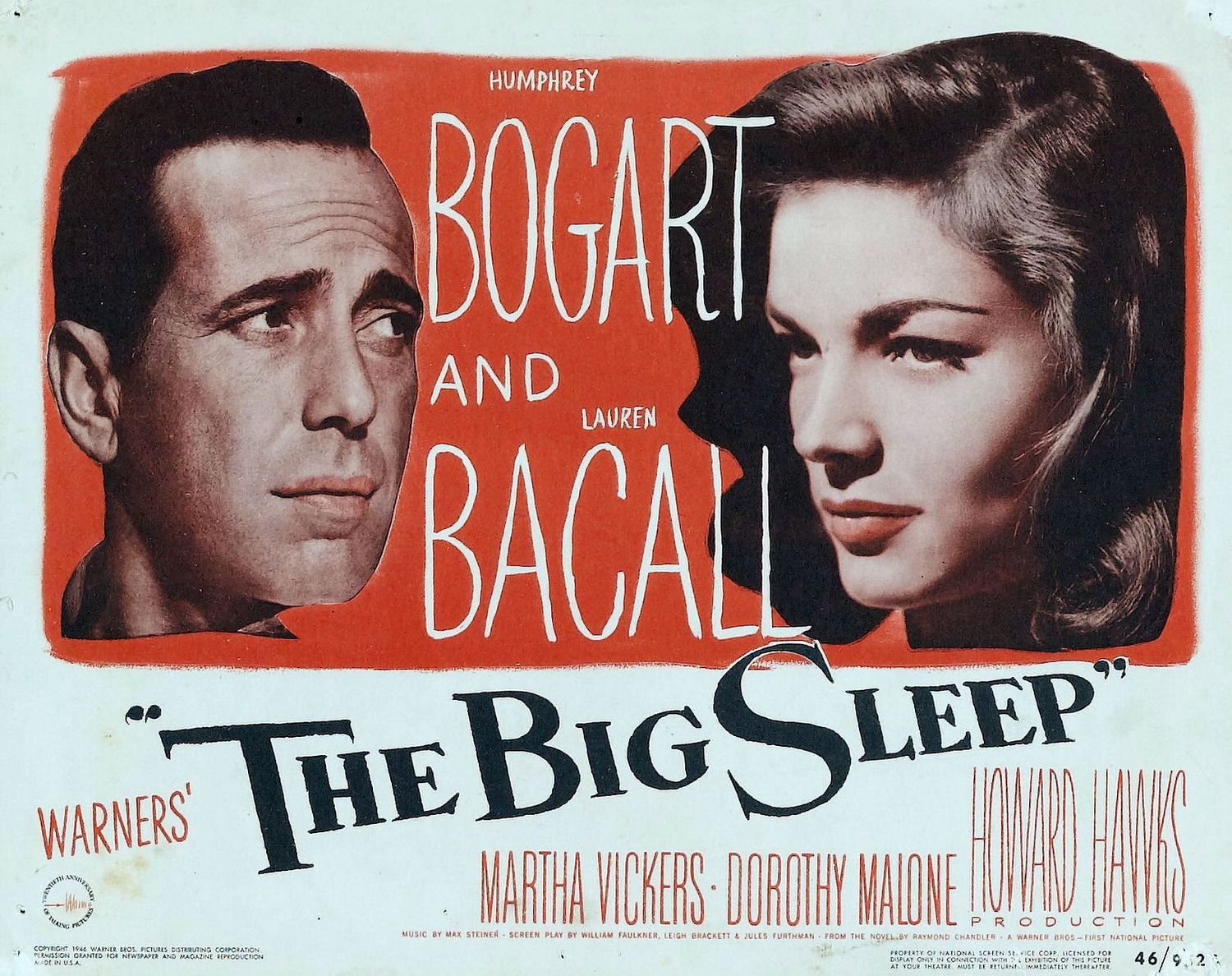
The Big Sleep (1946 film) 1.05pm BBC2
“The Big Sleep,” directed by Howard Hawks in 1946, is a classic film noir masterpiece that delves into the murky underworld of crime and corruption, all set against the backdrop of post-World War II Los Angeles. Adapted from Raymond Chandler’s novel, the film stars Humphrey Bogart as the iconic private detective Philip Marlowe.
Socially, “The Big Sleep” reflects the post-war disillusionment and moral ambiguity that characterized the era. The narrative unfolds in a city tainted by greed, decadence, and hidden vices, mirroring the societal shifts occurring at the time. The film subtly critiques the societal norms and the facade of respectability, exposing the seedy underbelly that exists beneath the surface.
The darker themes of the film are intricately woven into the narrative, creating a labyrinthine plot filled with twists, turns, and moral ambiguity. The film doesn’t shy away from the complexities of human nature, as it explores the blurred lines between right and wrong. The characters, including Bogart’s Marlowe, navigate a morally ambiguous world where justice is elusive, and everyone has their own motives.
The shadowy cinematography and low-key lighting characteristic of film noir heighten the sense of mystery and suspense, casting a literal and metaphorical darkness over the narrative. The use of chiaroscuro lighting accentuates the moral shadows that envelop the characters, emphasizing the film’s noir aesthetic.
Bogart’s portrayal of Marlowe adds a layer of grit and world-weariness to the character, capturing the essence of a detective navigating a corrupt society. Lauren Bacall’s presence as Vivian Rutledge adds a femme fatale allure, contributing to the film’s intricate web of relationships and motivations.
“The Big Sleep” stands as a quintessential film noir that not only entertains with its gripping storyline but also serves as a commentary on the societal and moral complexities of its time. The exploration of social decay and the dark recesses of human nature cements its status as a timeless classic in the noir genre.
Tulsa Burning: The 1921 Race Massacre 9pm Sky History
“Tulsa Burning: The 1921 Race Massacre” is a powerful and haunting documentary that sheds light on one of the darkest chapters in American history. Directed by Stanley Nelson and Marco Williams, the film meticulously explores the events surrounding the 1921 Tulsa Race Massacre, a tragic episode that had long been obscured by silence and negligence.
The documentary employs a combination of archival footage, interviews, and historical accounts to unravel the deeply rooted racial tensions and the devastating acts of violence that unfolded in the Greenwood District of Tulsa, Oklahoma. Through firsthand testimonies from survivors, descendants, and historians, the film reconstructs the harrowing experiences of Black residents whose prosperous community was ruthlessly attacked and destroyed.
The filmmakers navigate the complexities of the massacre, contextualizing it within the broader history of systemic racism, white supremacy, and the ongoing struggle for racial justice in the United States. “Tulsa Burning” confronts the historical erasure of the massacre and challenges viewers to reckon with the profound and enduring impact of racial violence on Black communities.
The documentary is not just a historical account; it serves as a call to action for truth, reconciliation, and reparations. By amplifying the voices of survivors and descendants, the film underscores the importance of acknowledging past atrocities as a crucial step toward healing and understanding. It prompts a collective reflection on the role of racism in shaping the present-day disparities and inequalities that persist.
The visual storytelling and expertly crafted narrative structure make “Tulsa Burning” an emotionally resonant and thought-provoking piece. The filmmakers effectively balance historical documentation with a contemporary lens, ensuring that the documentary is not just a record of the past but a catalyst for conversations around racial injustice and its ongoing ramifications.
“Tulsa Burning: The 1921 Race Massacre” is a compelling and necessary documentary that confronts the painful truths of America’s racial history. Through its meticulous storytelling and a commitment to amplifying marginalized voices, the film stands as a testament to the importance of facing historical injustices with a clear-eyed determination to build a more just and equitable future.
Christmas Eve 24 December 2023
Scrooge: A Christmas Carol (1951 film) 11.30am C5
“Scrooge: A Christmas Carol,” directed by Brian Desmond Hurst in 1951, is a timeless cinematic adaptation of Charles Dickens’ classic novella that beautifully captures the spirit of Christmas and the transformative power of redemption.
At its core, the central theme of “Scrooge” is redemption. The film follows the miserly Ebenezer Scrooge, portrayed brilliantly by Alastair Sim, on a transformative journey that spans past, present, and future. Through haunting visits from the ghosts of Christmas Past, Present, and Yet to Come, Scrooge is confronted with the consequences of his miserly ways and is given the opportunity to change his path.
Redemption unfolds as a powerful and emotional narrative thread, illustrating the capacity for personal transformation and the potential for individuals to break free from the chains of their own vices. Scrooge’s journey is a testament to the belief that it is never too late to change, to rediscover compassion, and to make amends for past mistakes.
Alastair Sim’s portrayal of Scrooge is a tour de force, as he masterfully captures the character’s evolution from a cold-hearted miser to a man reborn with a newfound generosity of spirit. The film expertly balances moments of heart-warming sentimentality with a stern reminder of the harsh realities faced by those less fortunate during the Christmas season.
The cinematography and production design contribute to the film’s atmospheric charm, recreating Victorian London in all its festive splendour. The use of light and shadow emphasizes the transformative moments in Scrooge’s journey, from the bleakness of his isolated existence to the warmth of the Christmas celebrations that surround him.
“Scrooge: A Christmas Carol” remains a beloved classic not only for its faithful adaptation of Dickens’ timeless tale but also for its poignant exploration of redemption. It serves as a reminder of the power of love, kindness, and the potential for positive change that lies within each individual, making it a perennial favourite during the holiday season.
The Heist Before Christmas 8pm Sky Max/Showcase
The Heist Before Christmas is a festive comedy thriller on Sky Max that stars Timothy Spall and James Nesbitt as two very different Santas. The film follows the adventures of Mikey Collins, a 12-year-old boy who witnesses a bank robbery by a man dressed as Santa Claus and meets another man claiming to be the real Father Christmas in the woods. Mikey decides to pursue the bank robber’s cash, hoping to give his family a better Christmas, but he soon learns that there is more to the spirit of the season than money.
The film is a fun and heart-warming caper that balances humour and suspense with a touch of magic. Spall and Nesbitt deliver excellent performances as the contrasting Santas, one who is kind and generous, and the other who is greedy and cunning. The young actors who play Mikey and his brother Sean are also very convincing and likable, as they navigate their difficult circumstances with courage and optimism. The film also showcases the beautiful scenery of Northern Ireland, where it was filmed, and features a catchy soundtrack of Christmas songs.
The Heist Before Christmas is a perfect choice for a family movie night, as it offers entertainment and emotion for all ages.
If you are looking for a festive film that will make you laugh, cry, and believe in the magic of Christmas, then you should definitely watch The Heist Before Christmas. It is a delightful and uplifting story that celebrates the true meaning of the holiday season.
Once Upon A Time In Hollywood (2019 film) 10.50pm Film4
“Once Upon a Time in Hollywood,” directed by Quentin Tarantino in 2019, is a cinematic journey that blends reality and fiction, offering a nostalgic and sometimes satirical look at the entertainment industry in 1969 Los Angeles. Amidst the glamour of Hollywood’s golden age, the film subtly weaves in social, political, and moral themes that add depth to its narrative.
Socially, the film serves as a love letter to a bygone era in Hollywood, exploring the changing dynamics of the industry and the struggles of actors and filmmakers to remain relevant. Tarantino masterfully captures the atmosphere of the late ’60s, including the impact of counterculture movements and the evolving attitudes toward celebrity and fame.
Politically, “Once Upon a Time in Hollywood” is set against the backdrop of a turbulent period in American history, marked by the Manson Family murders. The film reimagines this dark chapter, offering an alternate history that provides a sense of catharsis and justice. It subtly comments on the vulnerability of Hollywood’s elite to external threats and the unpredictable nature of fame in a politically charged environment.
Moral themes are explored through the characters of Rick Dalton (Leonardo DiCaprio) and Cliff Booth (Brad Pitt), whose friendship is at the heart of the story. Rick, struggling with his fading stardom, and Cliff, his loyal stunt double, navigate the moral complexities of an industry that can uplift or discard talent based on its whims. Their individual journeys touch upon themes of loyalty, self-worth, and the pursuit of personal integrity in a morally ambiguous world.
Tarantino’s signature style infuses the film with a mix of humour, violence, and homage to classic cinema. The meticulous attention to period detail and the soundtrack contribute to the film’s immersive experience, transporting audiences to a specific moment in time.
“Once Upon a Time in Hollywood” is a rich tapestry of social, political, and moral themes woven into the fabric of a captivating story. With its stellar cast, nostalgic aesthetic, and Tarantino’s unique storytelling, the film offers a multi-layered exploration of an era marked by change and reflects on the timeless nature of Hollywood’s allure and its impact on the lives of those within its orbit.
Christmas Day 25 December 2023
Chariots Of Fire (1981 film) 11.15am BBC2
“Chariots of Fire,” directed by Hugh Hudson in 1981, is a cinematic masterpiece that beautifully captures the triumphs and challenges faced by athletes during the early 20th century. The film, set against the backdrop of the 1924 Paris Olympics, focuses on the experiences of two British runners, Harold Abrahams and Eric Liddell, as they strive for greatness.
On the field, the athletes encounter numerous obstacles, each reflective of the societal and personal challenges of their time. Harold Abrahams, portrayed by Ben Cross, faces discrimination and prejudice as a Jewish athlete striving for acceptance in a predominantly elitist and anti-Semitic environment. His determination to overcome these obstacles becomes a powerful driving force, turning his athletic pursuit into a symbol of personal and cultural resilience.
Eric Liddell, played by Ian Charleson, encounters a different set of challenges rooted in his strong Christian beliefs. His refusal to run on Sundays, even in the Olympic competition, becomes a source of conflict with both his teammates and Olympic officials. Liddell’s unwavering commitment to his faith adds a layer of moral and spiritual complexity to his athletic journey, highlighting the intersection of sports and personal conviction.
Off the field, the film delves into the personal lives of these athletes, depicting the sacrifices they make in pursuit of their Olympic dreams. The characters grapple with societal expectations, family pressures, and the internal struggles that come with the pursuit of excellence. The film humanizes these athletes, showing that even those with extraordinary abilities are not immune to the challenges and doubts that accompany their chosen path.
Vangelis’ iconic musical score enhances the emotional depth of the film, creating a powerful resonance with the characters’ struggles and triumphs. The cinematography captures the intensity of the races, emphasizing the physical and emotional toll that competitive athletics can exact.
“Chariots of Fire” is a compelling exploration of the obstacles faced by athletes both on and off the field. Through the stories of Abrahams and Liddell, the film transcends the sports genre, offering a poignant commentary on societal prejudices, personal convictions, and the indomitable spirit that propels individuals to overcome adversity in the pursuit of their dreams.
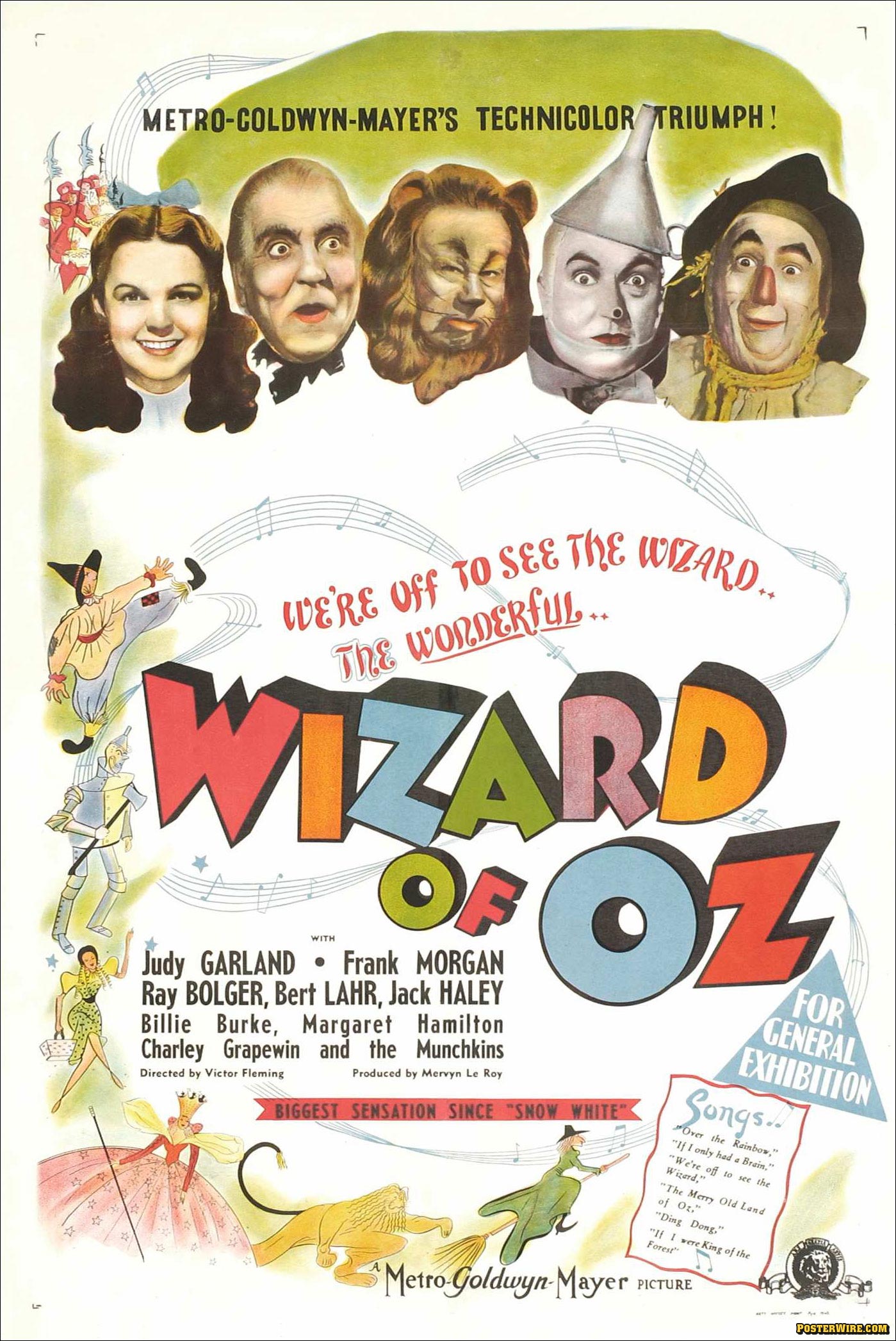
The Wizard of Oz (1939 film) 3.10pm C5
“The Wizard of Oz,” directed by Victor Fleming in 1939, is a cinematic masterpiece celebrated for its timeless charm and fantastical storytelling. Beneath the surface of this beloved classic, there are intriguing political themes and symbolism that offer a deeper layer of interpretation.
One of the most notable political allegories in “The Wizard of Oz” is its connection to the economic and political landscape of the United States during the late 19th and early 20th centuries. Many scholars interpret the yellow brick road as representative of the gold standard, a monetary system tied to the value of gold. Dorothy’s silver slippers (changed to ruby in the film adaptation) symbolize the populist movement’s call for bimetallism, an economic policy that would include silver as well as gold.
The Scarecrow, Tin Man, and Cowardly Lion, Dorothy’s companions on her journey, are often seen as representations of the American farmer, industrial worker, and political leaders, respectively. Each character seeks something they believe will make them whole – the Scarecrow desires a brain, the Tin Man a heart, and the Lion courage. These yearnings reflect the challenges faced by various sectors of society during a time of economic hardship and political uncertainty.
The Emerald City and the Wizard himself are symbolic of the centres of power and authority. The deceptive façade of the Emerald City represents the illusion of wealth and prosperity, while the Wizard, pulling strings behind a curtain, represents the hidden influences of political and economic leaders manipulating the system.
Dorothy’s journey, marked by challenges and self-discovery, can be seen as a metaphor for the American experience. Her realization that she had the power to return home all along – through the magic of her silver (or ruby) slippers – suggests the latent strength and potential within the individual, emphasizing a message of self-reliance and empowerment.
The film’s vibrant Technicolor cinematography and memorable musical score contribute to its enduring appeal, making it a cherished part of popular culture. While “The Wizard of Oz” is often celebrated for its whimsical fantasy, the subtle political undertones provide an additional layer of depth, inviting viewers to explore a world where the yellow brick road is not just a path to Oz but a metaphor for a nation’s journey through economic and political challenges.
Doctor Who: The Church On Ruby Road 5.55pm BBC1
Doctor Who: The Church On Ruby Road is a science fiction television special that will be aired on BBC One and Disney+ on Christmas Day, 2023. It is the first full episode to feature the Fifteenth Doctor, played by Ncuti Gatwa, and his new companion Ruby Sunday, played by Millie Gibson. The story follows the Doctor and Ruby as they encounter a mysterious man dressed as Santa Claus who robs a bank, and another man who claims to be the real Father Christmas. Along the way, they discover a hidden church in the woods, where goblins, stolen babies, and secrets await them. The special is written by Russell T Davies, who returned as the showrunner for the sixtieth anniversary year of Doctor Who.
Boxing Day 26 December 2023
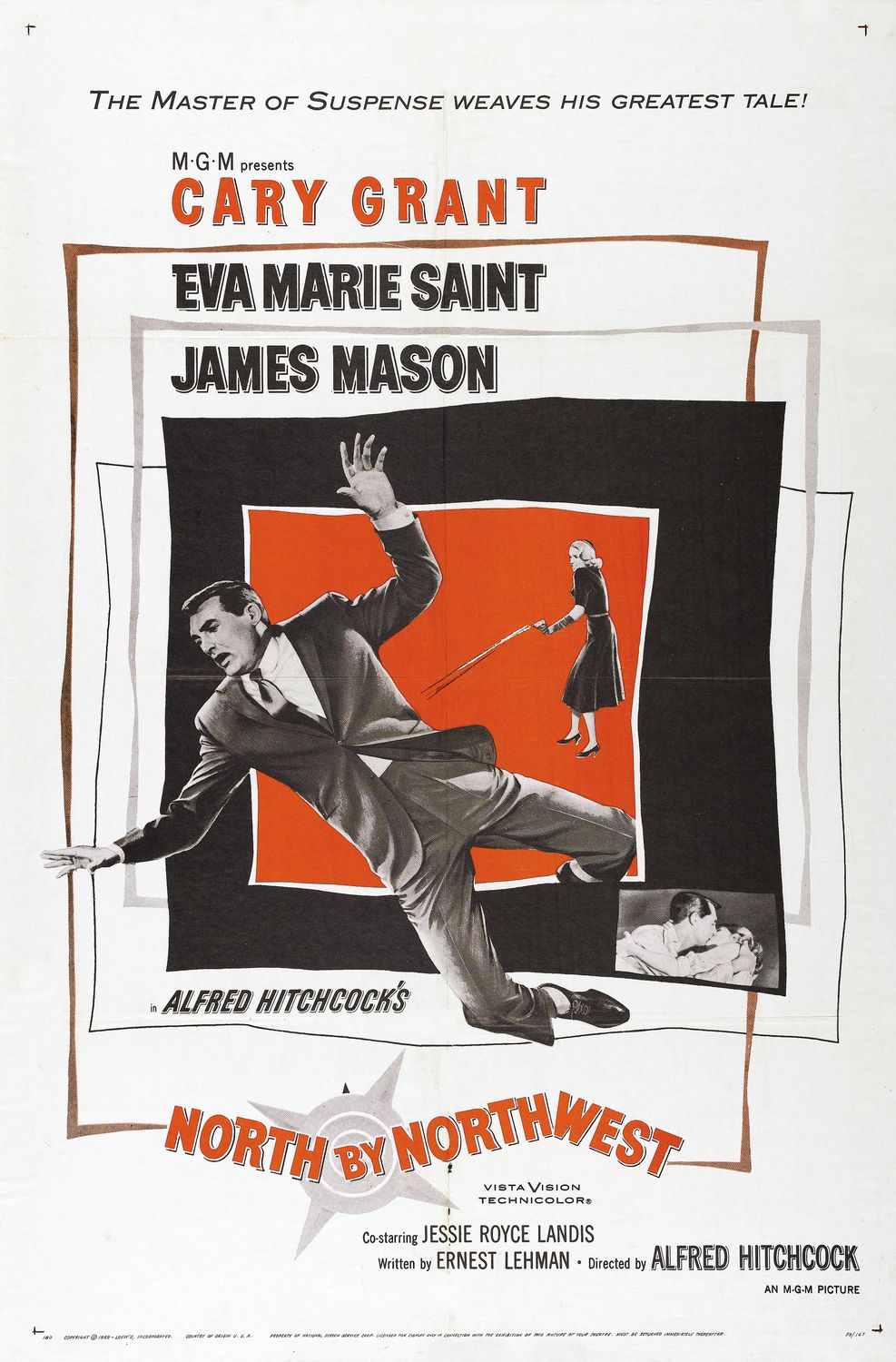
North By Northwest (1959 film) 2.10pm BBC2
“North by Northwest,” directed by Alfred Hitchcock in 1959, is a thrilling masterpiece that epitomizes the essence of the classic espionage thriller. Starring Cary Grant as the suave and unsuspecting Roger O. Thornhill, the film weaves a complex web of intrigue, mistaken identity, and suspense against the backdrop of iconic American landmarks.
At its core, the film is a relentless pursuit narrative. Thornhill, a Madison Avenue advertising executive, is mistaken for a government agent and thrust into a world of espionage and danger. Hitchcock’s signature touch is evident throughout, as the plot takes unexpected twists and turns, keeping the audience on the edge of their seats.
Cary Grant delivers a charismatic and charming performance, navigating the escalating chaos with wit and style. Eva Marie Saint, as the enigmatic Eve Kendall, adds a layer of mystery and allure, creating a compelling dynamic with Grant’s character. The chemistry between the two leads is electric, adding a touch of romance to the film’s espionage-driven plot.
The film’s visual style is a testament to Hitchcock’s directorial genius. From the iconic crop-dusting scene to the climactic showdown on Mount Rushmore, “North by Northwest” is a visual feast. Hitchcock’s use of suspense, humour, and meticulous attention to detail elevates the film beyond a mere thriller, establishing it as a classic that continues to captivate audiences decades later.
Bernard Herrmann’s evocative score complements the on-screen action, heightening the tension and enhancing the overall viewing experience. The combination of Hitchcock’s direction, Grant’s charismatic performance, and Herrmann’s score creates a cinematic symphony that remains a benchmark for the thriller genre.
“North by Northwest” is not only a gripping tale of mistaken identity and espionage but also a reflection of its time, with Cold War anxieties and the emerging culture of paranoia subtly woven into its narrative. The film’s enduring legacy lies in its ability to seamlessly blend suspense, action, and wit, offering a timeless cinematic experience that continues to be celebrated by audiences and filmmakers alike.
Spartacus (1960) 3pm ITV4
“Spartacus,” directed by Stanley Kubrick in 1960, is a cinematic epic that not only stands as a monumental achievement in filmmaking but also resonates with powerful social and political themes reflective of its historical and contemporary context.
Set against the backdrop of the Roman Republic, the film follows the enslaved gladiator Spartacus, portrayed by Kirk Douglas, as he leads a slave revolt against the oppressive Roman system. In a political context, “Spartacus” serves as a commentary on power dynamics, class struggle, and the inherent injustices embedded within the political and social structures of ancient Rome.
The film also bears significance within the context of the Hollywood Blacklist era. Dalton Trumbo, a talented screenwriter, penned the script for “Spartacus” under a pseudonym due to his blacklisting for his political beliefs. The persecution of Trumbo and others during the McCarthy era adds an extra layer of resonance to the film’s exploration of freedom, rebellion, and the cost of standing up against oppressive regimes.
“Spartacus” delves into themes of slavery, freedom, and the struggle for human dignity. The gladiatorial arena becomes a metaphor for the dehumanizing forces faced by those oppressed by societal norms and political structures. Spartacus’ quest for freedom becomes a universal struggle, transcending its historical setting to resonate with broader themes of justice and human rights.
Kirk Douglas delivers a powerful performance as Spartacus, embodying the character’s resilience and the indomitable spirit of those who resist tyranny. The film’s ensemble cast, including Laurence Olivier, Jean Simmons, and Peter Ustinov, contributes to the narrative depth, portraying characters that represent various facets of the social and political landscape.
Stanley Kubrick’s directorial vision brings a sense of grandeur to the film, with epic battle scenes and sweeping landscapes complemented by Alex North’s memorable score. The film’s cinematography captures both the brutality of the Roman world and the humanity of its characters, creating a cinematic experience that is as visually stunning as it is thematically rich.
In conclusion, “Spartacus” transcends its historical and political origins to offer a timeless exploration of societal oppression, resistance, and the enduring struggle for freedom. Its resonance with the political climate of its time, coupled with the brilliant performances and Kubrick’s directorial prowess, makes it a cinematic classic that not only entertains but also provokes thought on the complexities of power and justice.
Mad About The Boy: The Noel Coward Story 9pm BBC2
Mad About The Boy: The Noel Coward Story is a documentary film that celebrates the life and work of one of the most influential and versatile artists of the 20th century. The film, directed by Barnaby Thompson, features rare footage, interviews, and insights into Coward’s career, which spanned theatre, cinema, music, and literature. The film also explores Coward’s personal life, which he kept hidden from the public eye due to the homophobic attitudes of his time.
The film is a fascinating and informative tribute to a 20th-century great, who defined an era with his wit, style, and talent. The film showcases Coward’s achievements, such as his plays Brief Encounter, Blithe Spirit, and Private Lives, his songs Mad About The Boy and I’ll See You Again, and his films In Which We Serve and The Italian Job. The film also reveals Coward’s struggles, such as his tax exile, his censorship battles, and his secret relationships. The film features the voice of Rupert Everett as Coward, and narration by Alan Cumming, as well as testimonies from Coward’s friends and admirers, such as Judi Dench, Ian McKellen, and Elton John.
Mad About The Boy: The Noel Coward Story is a must-watch for fans of Coward and anyone interested in the history of British culture and entertainment
The Vortex 11.55pm BBC4
The Vortex is a TV drama based on the controversial play by Noel Coward, first performed in 1924. The drama, directed by Dominic Cooke, stars Andrew Scott and Lily James as Nicky and Florence Lancaster, a mother and son who are both addicted to drugs and sex. The drama follows their turbulent relationship and the impact of their self-destructive behaviour on their family and friends. The drama also explores the themes of ageing, homosexuality, and social class in the 1920s.
The Vortex is a gripping and provocative adaptation of Coward’s masterpiece, which shocked the audiences of its time with its frank depiction of drug abuse and sexual affairs. Scott and James deliver powerful and nuanced performances as the tormented Nicky and Florence, who are both desperate for love and validation. The drama also features a stellar supporting cast, including Jessica Raine, Freddie Fox, and Phoebe Waller-Bridge. The drama is faithful to the original play, but also adds some modern touches, such as a jazz soundtrack and a more explicit portrayal of Nicky’s sexuality.
Wednesday 27th December 2023
Gone With The Wind (1939 film) 8.45am C5
“Gone with the Wind,” directed by Victor Fleming in 1939, remains a cinematic triumph and a classic that has left an indelible mark on the history of filmmaking. Adapted from Margaret Mitchell’s Pulitzer Prize-winning novel, the film unfolds against the sweeping backdrop of the American South during the Civil War and Reconstruction era.
At the heart of “Gone with the Wind” is the complex and tumultuous love story between Scarlett O’Hara, portrayed by Vivien Leigh, and Rhett Butler, played by Clark Gable. The film traces Scarlett’s journey from the genteel society of pre-war Georgia through the ravages of the Civil War and the challenges of Reconstruction, offering a poignant portrayal of resilience and transformation.
The film is a visual spectacle, known for its lush Technicolor cinematography, elaborate costumes, and grand set pieces. The iconic shot of Scarlett standing against the backdrop of a burning Atlanta is etched into cinematic history, encapsulating the film’s epic scale and emotional intensity.
Vivien Leigh delivers a remarkable performance as Scarlett, capturing the character’s strength, cunning, and vulnerability. Clark Gable’s portrayal of the charismatic and enigmatic Rhett Butler adds a layer of charm and complexity to the film’s central romance. The chemistry between the two leads remains a cornerstone of the film’s enduring appeal.
Beyond its romantic narrative, “Gone with the Wind” addresses social and historical themes, offering a portrayal of the Old South grappling with the challenges of war and reconstruction. The film has been critiqued for its romanticized depiction of slavery and its controversial portrayal of race, reflecting the sensibilities of the time in which it was made.
The film’s sweeping score, composed by Max Steiner, contributes to the emotional resonance of the narrative, heightening the impact of key moments. Hattie McDaniel’s portrayal of Mammy earned her an Academy Award, making her the first African American to win an Oscar.
While “Gone with the Wind” has faced scrutiny for its portrayal of race and historical events, it remains an essential part of cinematic history. Its impact on popular culture, its enduring characters, and its place in the pantheon of epic storytelling ensure that “Gone with the Wind” continues to be studied, discussed, and appreciated for its cinematic achievements and historical context.
Thursday 28 December 2023
Great Expectations (1946 film) 9.35am BBC2
David Lean’s 1946 adaptation of Charles Dickens’ “Great Expectations” stands as a classic example of masterful storytelling and cinematic artistry. In this black-and-white masterpiece, Lean brings to life the timeless tale of young Pip’s journey from humble beginnings to the complexities of adulthood in Victorian England.
John Mills delivers a compelling performance as the adult Pip, capturing the character’s growth, vulnerability, and moral dilemmas. The film effectively utilizes flashbacks to showcase Pip’s childhood, where Anthony Wager portrays the young and impressionable Pip. The chemistry between the two actors contributes to the seamless portrayal of a character navigating societal expectations, personal aspirations, and the complexities of human relationships.
Lean’s direction, coupled with the atmospheric cinematography of Guy Green, creates a haunting and evocative visual experience. The film’s settings, from the mist-laden marshes to the grandeur of Satis House, serve as a backdrop that enhances the narrative’s themes of social class, ambition, and the consequences of one’s choices.
The supporting cast, including Valerie Hobson as the ethereal Estella and Martita Hunt as the eccentric Miss Havisham, adds depth to the characters and brings Dickens’ world to vivid life. Bernard Miles, as the escaped convict Abel Magwitch, delivers a memorable and sympathetic portrayal that adds layers to the narrative.
The film condenses Dickens’ intricate plot while retaining the essence of the novel’s themes. It explores the impact of societal expectations on individuals, the transformative power of compassion, and the pursuit of self-discovery. The haunting soundtrack by Walter Goehr complements the film’s emotional resonance, underscoring key moments with subtlety and depth.
“Great Expectations” is a triumph not only in its faithful adaptation of Dickens’ classic but also in its ability to convey the depth and complexity of characters within the constraints of a feature film. Lean’s version of “Great Expectations” remains a cinematic gem, standing the test of time as a poignant exploration of human nature and societal expectations.
Friday 29 December 2023
Frank Sinatra Night on BBC4 from 7.50pm
Frank Sinatra Night on BBC4 is a special programme dedicated to the legendary singer and actor, who was born on December 12, 1915. The programme features two documentaries and a concert film that celebrate Sinatra’s life, music, and career. The programme starts at 7.50pm on 29 December 2023 and lasts for four hours. Here is the schedule and description of each film:
7.50pm: Sinatra: All or Nothing at All – An up-close examination of Sinatra’s life, from his humble beginnings in Hoboken, New Jersey, to his rise to fame as a singer, actor, and cultural icon. The film covers his personal and professional triumphs and challenges, as well as his relationships with his family, friends, and lovers. The film features rare footage, interviews, and insights into Sinatra’s music and legacy. 9.50pm: Arena: Frank Sinatra – My Way – A documentary that explores Sinatra’s signature song, My Way, and its impact on his career and image. The film traces the origins and history of the song, which was adapted from a French song by Paul Anka, and how it became Sinatra’s anthem of defiance and self-expression. The film also examines the cultural and social significance of the song, and how it influenced other artists and genres. 10.20pm: Sinatra in Concert at Royal Festival Hall – A concert film that captures Sinatra’s performance at London’s Royal Festival Hall on 16 November 1970, the day before he announced his retirement from show business. The film showcases Sinatra’s charisma, talent, and humour, as he sings some of his most famous songs, such as Strangers in the Night, Fly Me to the Moon, and My Way. The film also features a rare interview with Sinatra, conducted by David Frost. Frank Sinatra Night on BBC4 is a programme that will delight and entertain fans of Sinatra and anyone interested in the history of music and cinema. It is a tribute to one of the most influential and versatile artists of the 20th century, who defined an era with his wit, style, and talent.
Out Of Africa (1985 film) 9.15am C5
“Out of Africa,” directed by Sydney Pollack in 1985, is a sweeping epic that transports audiences to the captivating landscapes of colonial Kenya in the early 20th century. Based on the autobiographical writings of Karen Blixen, the film unfolds a poignant tale of love, loss, and the inexorable ties between humanity and the untamed African wilderness.
Meryl Streep delivers a mesmerizing performance as Karen Blixen, a Danish baroness who arrives in Africa with dreams of cultivating a coffee plantation. Opposite her, Robert Redford portrays the charismatic aviator and big-game hunter Denys Finch Hatton, whose magnetic presence becomes entwined with Blixen’s life. The chemistry between Streep and Redford lends a compelling authenticity to their characters’ complex relationship.
The film’s narrative explores themes of colonialism, identity, and the clash between European sensibilities and the indigenous cultures of Africa. It paints a nuanced portrait of Blixen’s experiences as she grapples with the challenges of running a coffee farm, forming relationships with the local Kikuyu people, and navigating the complexities of love in a foreign and unpredictable land.
John Barry’s evocative score, which won an Academy Award, enhances the film’s emotional resonance, complementing the breath-taking cinematography that captures the sublime beauty of the Kenyan landscape. The vast, sweeping vistas serve as a metaphorical backdrop for the characters’ emotional journeys, reinforcing the film’s exploration of the profound connection between humans and the natural world.
Sydney Pollack’s direction masterfully balances the epic and the intimate, weaving together a narrative that is both visually stunning and emotionally resonant. The film earned critical acclaim, including seven Academy Awards, and remains a classic in the romance-drama genre. Streep received an Oscar nomination for her portrayal of Blixen, solidifying her reputation as one of the most accomplished actresses of her generation.
“Out of Africa” is a cinematic gem that invites viewers into a world of raw beauty and emotional depth. It captures the spirit of a bygone era while delving into universal themes of love and self-discovery. As an exploration of the human spirit against the backdrop of Africa’s untamed wilderness, the film continues to enchant audiences with its timeless storytelling and breathtaking visuals.
and finally, Little Women (2019 film) 3.20pm Film4
Greta Gerwig’s 2019 adaptation of “Little Women” breathes new life into Louisa May Alcott’s timeless novel, offering a fresh and compelling take on the beloved classic. The film skillfully navigates between the past and present, capturing the essence of the March sisters’ coming-of-age journey with heart, humor, and a contemporary sensibility.
The standout ensemble cast, led by Saoirse Ronan as the fiercely independent Jo March, delivers stellar performances that breathe authenticity into their characters. Florence Pugh, Emma Watson, and Eliza Scanlen portray the distinct personalities of Amy, Meg, and Beth with nuance and depth, creating a believable sisterhood that forms the emotional core of the film.
Gerwig’s non-linear narrative structure adds a layer of complexity to the storytelling, seamlessly transitioning between the sisters’ idyllic childhood and the challenges they face as young women striving for independence. The juxtaposition of timelines enhances the emotional impact of pivotal moments, inviting the audience to reflect on the characters’ growth and evolution.
The film’s visual aesthetics, from the warm, sun-drenched tones of childhood to the muted, wintry palette of adulthood, mirror the emotional arcs of the characters. The costumes and production design authentically capture the 19th-century setting while infusing the film with a modern flair that resonates with contemporary audiences.
The exploration of societal expectations, gender roles, and the pursuit of individual aspirations remains at the forefront of Gerwig’s adaptation. The screenplay delicately balances the novel’s feminist undertones with a modern lens, allowing the characters to grapple with societal constraints while maintaining their agency and resilience.
Alexandre Desplat’s enchanting score complements the film’s emotional beats, underscoring moments of joy, sorrow, and self-discovery. The film’s pacing and editing contribute to a smooth and engaging narrative flow, allowing each sister’s story to unfold organically.
In conclusion, Greta Gerwig’s “Little Women” is a masterful adaptation that honours the spirit of Alcott’s classic while offering a contemporary perspective on themes of love, ambition, and the pursuit of one’s dreams. With its stellar cast, innovative storytelling, and visual splendour, the film stands as a testament to the enduring relevance of the March sisters’ journey and their impact on generations of readers and now, viewers.
Welcome to Culture Vulture your guide to the week’s entertainment from an alternative viewpoint. Highlights this week include, A Beautiful Day in the Neighborhood: a heartwarming biographical drama that explores the transformative friendship between journalist Lloyd Vogel and beloved television personality Fred Rogers; George Carlin’s American Dream, an insightful documentary that delves into the sharp wit and provocative social commentary of the iconic comedian George Carlin, and a stylish and suspenseful thriller that follows a fashion photographer who experiences disturbing premonitions of murders through her lens. Selections and reviews are by Pat Harrington and music is by Tim Bragg.
Saturday 28th of October 2023
Discovery Film: Horror Special 11pm Sky Arts
“Discovering Film: Horror Special” is a Sky Arts program that features authors and film critics discussing their favorite horror movies. The show is hosted by Mark Kermode, the well-known British film critic and writer. The program is part of the “Discovering Film” series, which celebrates the lives and work of some of the most prolific and iconic Hollywood stars.
The “Horror Special” episode features Bonnie Greer, Ian Nathan, and other film critics discussing their favorite horror movies, including “The Omen,” “The Exorcist,” and “Frankenstein”.
A Beautiful Day In The Neighborhood (2019) 1.05am C4
“A Beautiful Day in the Neighborhood” (2019) is a heartwarming film that beautifully exemplifies social and ethical themes, making it not just a movie but a poignant lesson in compassion and the importance of human connection.
The film revolves around the iconic children’s TV host Fred Rogers, portrayed masterfully by Tom Hanks. Rogers is the epitome of kindness, empathy, and moral integrity. His unwavering commitment to promoting emotional intelligence, understanding, and acceptance resonates deeply in today’s world, where society often struggles with divisiveness and intolerance.
One of the central ethical themes of the movie is forgiveness. The character of journalist Lloyd Vogel, played by Matthew Rhys, harbors deep-seated resentment and anger, illustrating how grudges can weigh us down. Through his interactions with Rogers, we witness the transformative power of forgiveness and the importance of letting go of past grievances, a message that is highly relevant in a world marred by grudges and conflicts.
The film also tackles the theme of authenticity in a society often characterized by superficiality and pretense. Fred Rogers’ genuine and unapologetic sincerity challenges the prevailing notion that cynicism is a sign of maturity. His authenticity serves as a reminder of the ethical imperative to be true to oneself, a message that is increasingly valuable in a world where superficiality often masks our true feelings and identities.
“A Beautiful Day in the Neighborhood” explores the profound impact of positive role models. In a society where celebrity culture can often overshadow true moral and ethical role models, Fred Rogers stands as a shining example of someone who used his fame to spread positivity and change lives for the better. The film encourages viewers to seek out and celebrate such inspirational figures who promote values like kindness, empathy, and inclusivity.
“A Beautiful Day in the Neighborhood” is a deeply moving and thought-provoking film that delves into social and ethical themes that are particularly relevant in our contemporary society. Through the character of Fred Rogers, the film emphasizes the importance of kindness, forgiveness, authenticity, and the need for positive role models to guide us towards a more compassionate and ethical world. It is a reminder that we should all strive to be a little bit more like Mr. Rogers in our daily lives.
Sunday 29th of October 2023
George Carlin’s American Dream 3pm Sky Documentaries
“George Carlin’s American Dream” is a documentary film directed by Judd Apatow and Michael Bonfiglio that chronicles the life and work of the legendary comedian George Carlin 12. The documentary opens an intimate window into Carlin’s personal life, including his childhood in New York City, his long struggle with drugs that took its toll on his health, his brushes with the law, his loving relationship with Brenda, and more 32.
The first part of the documentary follows Carlin’s rise to fame in the 1960s comedy scene and his realization that he was meant for something edgier than the mainstream variety-show circuit. The second part of the documentary focuses on Carlin’s later years, including his political activism, his thoughts on religion, and his legacy as one of the most influential comedians of all time.
Elon Musk’s Twitter Takeover 8.25pm PBS America
“Elon Musk’s Twitter Takeover” is a two-hour documentary produced by PBS America that explores Elon Musk’s relationship with Twitter. The documentary delves into Musk’s journey from being one of the platform’s most provocative users to its sole proprietor, exploring the acquisition, free speech, and the company’s uncertain future.
Under The Skin (2013 film) 1.40am Film4
“Under the Skin” (2013), directed by Jonathan Glazer, is a hauntingly enigmatic and visually striking film that delves deep into themes of loneliness, love, and human identity, creating an unsettling exploration of the human condition.
Loneliness is a pervasive theme throughout the film, as Scarlett Johansson’s character, an alien in human form, roams the streets of Scotland in search of solitary men. The film’s portrayal of loneliness is chilling, as it highlights how disconnected individuals can be in a densely populated world. The alien protagonist preys on the isolated, echoing the idea that loneliness can make people vulnerable, susceptible to manipulation, and yearning for any form of connection.
Love, on the other hand, is depicted as an alien concept to the protagonist. Her dispassionate and predatory nature contrasts sharply with the human capacity for emotional connection. As she observes the fleeting moments of human affection, the film raises questions about the authenticity and depth of human love. It challenges viewers to contemplate the sincerity of our emotions and whether genuine love can exist in a world where superficiality often masks our true intentions.
The exploration of human identity in “Under the Skin” is a central and perplexing theme. As the alien takes on a human guise, she begins to question her own identity and purpose. This theme forces us to reflect on the complexities of identity, the masks we wear in society, and the search for a genuine sense of self. The film pushes us to consider what it truly means to be human, as the protagonist’s experiences lead her to grapple with emotions and self-awareness.
The film’s abstract and visually arresting style, paired with Mica Levi’s haunting musical score, enhances the sense of alienation and detachment. The imagery and sound design draw viewers into an eerie, dreamlike world that reflects the isolation and emotional detachment felt by the characters.
“Under the Skin” is a thought-provoking and unsettling exploration of loneliness, love, and human identity. It challenges us to examine the nature of human connection and the intricacies of human emotions. Through its enigmatic narrative and striking visuals, the film leaves a lasting impression, inviting viewers to contemplate the depths of the human experience and our capacity for both cruelty and compassion. It’s a film that lingers in the mind long after the credits roll, provoking profound questions about the human condition.
Coco (2017 film) 2.05pm BBC1
“Coco” (2017), directed by Lee Unkrich and Adrian Molina, is a heartwarming and visually stunning animated film that not only captivates the audience with its vibrant portrayal of Mexican culture but also explores profound themes of family, memory, and the power of pursuing one’s passion.
Set against the backdrop of the Mexican tradition of Dia de los Muertos (Day of the Dead), “Coco” invites viewers into a vibrant and enchanting world where the boundary between the living and the deceased is beautifully blurred. The film weaves a compelling narrative that explores the importance of remembering and honoring one’s ancestors, making it a celebration of Mexican culture and an ode to the universal theme of family.
At its core, “Coco” delves into the theme of family. The story revolves around Miguel, a young boy with a burning desire to become a musician, despite his family’s strict ban on music. This central conflict between Miguel’s passion and his family’s traditions leads to a touching exploration of the complexities of familial relationships. The film powerfully conveys the idea that family is a source of both love and friction, and it teaches us the importance of understanding, forgiveness, and the bonds that tie generations together.
“Coco” also introduces the concept of memory and how it connects generations. As the characters journey through the Land of the Dead, they discover that one’s memory can determine whether they continue to exist in the afterlife. This theme encourages viewers to reflect on the significance of the stories and memories we inherit and pass on, emphasizing the idea that our loved ones live on through our remembrance.
Visually, “Coco” is a breathtaking masterpiece. The animation is rich in detail, and the Land of the Dead is a vibrant, kaleidoscopic world that is a treat for the eyes. The film’s musical score is equally remarkable, with memorable songs that capture the essence of Mexican folklore and tradition.
“Coco” is a heartwarming and visually mesmerizing animated film that celebrates the rich tapestry of Mexican culture while touching on universal themes of family, memory, and the pursuit of one’s dreams. Its messages about the power of remembering and the enduring bonds of family resonate with viewers of all ages, making it a truly heartwarming and memorable cinematic experience.
Monday 30th of October 2023
This Cultural Life: Werner Herzog 2.15pm BBC RADIO 4
German film-maker and writer Werner Herzog talks to John Wilson about his cultural inspirations.
Night Of The Demon (1957 film) 10.05pm Talking Pictures
“Night of the Demon” (1957), directed by Jacques Tourneur, is a classic horror film that stands the test of time, offering a masterclass in suspense, supernatural intrigue, and psychological terror.
The film, based on M.R. James’s story “Casting the Runes,” is a brilliant example of atmospheric horror. It skillfully balances the ambiguity of the supernatural with the rational skepticism of its characters. This duality keeps the audience on the edge of their seats, questioning whether the malevolent force is real or a figment of the characters’ imaginations.
One of the film’s standout features is its intelligent and engrossing plot. It follows Dr. John Holden, played by Dana Andrews, an American skeptic who investigates the alleged supernatural powers of the sinister Dr. Julian Karswell, portrayed by Niall MacGinnis. The tension escalates as Holden delves deeper into the mystery, and the sense of foreboding grows with every revelation, leading to a climactic and chilling finale.
“Night of the Demon” explores the theme of the battle between science and the supernatural. Dr. Holden represents rationality and skepticism, while Karswell embodies the occult and the unexplained. This clash of worldviews adds depth to the narrative, making it more than just a typical horror film. It questions the limits of human knowledge and confronts the audience with the unknown.
The film’s cinematography is striking, with Tourneur’s expert use of shadows and lighting to create an eerie and unsettling atmosphere. The demon itself, when finally revealed, is a testament to the practical effects of the era, adding a sense of dread and mystique to the story.
In terms of performances, Dana Andrews and Niall MacGinnis deliver compelling portrayals of their respective characters. MacGinnis, in particular, infuses his role with a sinister charm that leaves a lasting impression.
“Night of the Demon” is a vintage horror gem that relies on suspense and psychological horror rather than gore and jump scares. Its enduring appeal lies in its ability to leave the audience with persistent questions and an abiding sense of unease, making it a must-see for classic horror enthusiasts and a reminder of the potency of old-fashioned storytelling and atmosphere in the genre.
Tuesday 31st of October 2023
How Safe is Maternity Care? 8pm BBC RADIO 4
Ten years ago, journalist Krupa Padhy lost her first child because of medical negligence. Now she wants to find out what, if anything, has changed in Britain’s maternity wards.
Wednesday 1st of November 2023
Doctor Who @ 60: A Musical Celebration 8.30pm BBC4
“Doctor Who @ 60: A Musical Celebration” is a special concert that celebrates the iconic and much-loved TV series. The concert features the BBC National Orchestra of Wales and the BBC Singers, conducted by Alastair King.
The concert is part of the celebrations for the 60th anniversary of Doctor Who. The show features music from the series’ most memorable episodes, including “The Daleks,” “The Tomb of the Cybermen,” and “The Day of the Doctor” . The concert also includes performances by guest artists such as Murray Gold, who composed music for the series from 2005 to 2018.
Thursday 2nd of November 2023
In Our Time: Aristotle’s Nicomachean Ethics 9am BBC RADIO 4
Melvyn Bragg and guests discuss Aristotle’s influential approach to the questions of how to live a good life and what happiness means, originally aimed at the elite in Athens.
Friday 3rd of November 2023
Eyes Of Laura Mars (1978 film) 9.05pm Talking Pictures
“Eyes of Laura Mars” (1978), directed by Irvin Kershner, is a stylish and provocative thriller that, beneath its glossy exterior, delves into social themes of the late 1970s, enriched by the disquieting fact that Laura’s photography often involves capturing women in degrading or violent poses. These themes add a layer of social commentary to its gripping narrative, reflecting the era’s changing societal attitudes.
At its core, the film mirrors the shifting societal dynamics concerning women and their roles. The titular character, Laura Mars, portrayed by Faye Dunaway, is a successful fashion photographer who becomes a witness to a series of gruesome murders. Her profession as a photographer offers a unique lens through which to examine the objectification of women in media, a theme that was gaining prominence during the feminist movement of the 1970s. Laura’s glamorous, high-fashion world is contrasted with the violence and voyeurism that she encounters, emphasizing the tension between image and reality, which parallels the challenges women faced in their struggle for empowerment.
The film also touches upon the theme of voyeurism and the intrusion of the private into the public sphere. As Laura Mars’ work involves capturing intimate and often exploitative moments through her camera lens, it raises questions about the ethics of surveillance and the invasion of privacy, a theme that has only become more pertinent in today’s digital age.
Furthermore, “Eyes of Laura Mars” explores the idea of desensitization to violence through media. In the film, Laura’s work blurs the line between art and exploitation, mirroring the concerns of society regarding the effects of graphic or sensationalized media content on its consumers. This theme of desensitization to violence has continued to be a topic of discussion in contemporary society, particularly in the context of video games, film, and television.
The film’s social commentary is enriched by its compelling blend of fashion and crime genres, creating a layered narrative that not only entertains but also prompts reflection on the cultural shifts of its time. “Eyes of Laura Mars” serves as a captivating exploration of the changing role of women in society, the ethical dilemmas of media, and the desensitizing impact of violent imagery, all within the unsettling context of Laura’s photographic choices. Its ability to engage with these themes while delivering a suspenseful and stylish story makes it a thought-provoking and enduring piece of cinema.
And finally, Mean Streets (1973 film) 11.10pm Film4
“Mean Streets” (1973), directed by Martin Scorsese, is a gritty and groundbreaking film that delves deep into the social themes of its time while providing a raw and unfiltered glimpse into the lives of its characters.
Set against the backdrop of New York’s Little Italy, the film explores the harsh realities of urban life, crime, and the struggle for survival. It paints a vivid portrait of a close-knit community where social bonds and codes of conduct are deeply ingrained. The characters, particularly the central figures of Charlie, played by Harvey Keitel, and Johnny Boy, portrayed by Robert De Niro, grapple with their roles within this social fabric. Their personal struggles mirror the broader challenges faced by the working-class youth of the era.
One of the central social themes of “Mean Streets” is the clash between personal desires and societal expectations. Charlie, a devout Catholic, aspires to find a balance between his moral values and the criminal activities he’s entangled in. This inner conflict reflects the broader tension within the generation, as traditional values often conflicted with the countercultural and rebellious movements of the 1970s.
The film also touches upon the theme of identity and self-discovery. The characters in “Mean Streets” are searching for a sense of self, trying to define their place in a rapidly changing society. Their journey is a microcosm of the larger social transformation occurring in the United States during the post-Vietnam War era.
Another noteworthy social aspect explored in the film is the concept of masculinity. The characters’ struggles with authority, power, and machismo shed light on the societal expectations and stereotypes of masculinity in an environment where toughness and aggression are highly valued.
“Mean Streets” is notable for its unfiltered and authentic portrayal of urban life, tackling issues such as crime, loyalty, family, and the search for personal identity. Scorsese’s use of vibrant music, kinetic cinematography, and a richly detailed setting creates a visceral experience that immerses the viewer in the streets of Little Italy.
“Mean Streets” is not just a film; it’s a snapshot of a time and place that captures the complex social themes and tensions of the 1970s. Its exploration of the clash between tradition and rebellion, personal and societal expectations, and the quest for identity within the microcosm of Little Italy continues to resonate with audiences and remains a landmark in American cinema for its powerful social commentary.