Posts Tagged movie reviews

Culture Vulture: Week of 31st May to 6th June 2025

4,165 words, 22 minutes read time.

Selections and commentary by Pat Harrington – Original Music in our video by Tim Bragg

As we step into June, Pride Month brings a vibrant array of programming that celebrates LGBTQ+ stories and voices. This week’s selections offer a rich tapestry of narratives—from timeless classics to contemporary explorations of identity. Notably, Maurice, What It Feels Like For A Girl, and National Anthem stand out for their poignant portrayals of LGBT+ experiences. Whether you’re seeking historical depth, emotional resonance, or modern reflections, this week’s lineup promises to engage and inspire.


Saturday, 31st May 2025

The Dirty Dozen (1967): 5Action at 9:00 PM
A brutal and bombastic World War II epic, The Dirty Dozen throws together a ragtag band of military prisoners—each with a checkered past and little left to lose—for a daring, near-suicidal mission deep behind enemy lines. Under the command of the hard-nosed Major Reisman, played with grizzled brilliance by Lee Marvin, these men are forged into an unorthodox fighting unit, their fate hinging on their ability to function as a lethal strike force rather than a group of condemned criminals.

Fueled by raw masculinity and unapologetic toughness, the film thrives on action, camaraderie, and moments of biting cynicism that challenge the rigid hierarchy of military command. While it carries the swagger of a classic 1960s war film—packed with explosions, bravado, and defiant anti-authoritarian streaks—it subtly weaves in a deeper commentary about the expendability of the working-class soldier, forced into impossible conditions by the powers that be.

It is both a high-octane spectacle and a sharp indictment of war’s cruel pragmatism—a blend of testosterone-driven thrills and a harsh look at who bears the true cost of conflict. With an unforgettable ensemble cast and a relentless pace, The Dirty Dozen stands as a war film that refuses to simply glorify combat, instead reveling in its brutal contradictions.

The Day the Earth Stood Still (2008): Channel 4 at 11:20 PM
This modern remake of the 1951 sci-fi classic trades the original’s quiet, simmering tension for a more urgent, effects-driven spectacle, updating its central theme to reflect contemporary anxieties. Instead of Cold War paranoia, humanity’s looming destruction now stems from environmental collapse, reframing the narrative as a cautionary tale about our self-destructive tendencies.

Keanu Reeves brings his signature stillness to the role of Klaatu, the enigmatic alien sent to assess Earth’s fate. His performance suits the character’s detached, otherworldly nature, reinforcing the film’s eerie sense of judgment. However, the film’s reliance on CG-heavy visuals and grand destruction sequences occasionally undermines its thematic weight, making the message feel less intimate and more distant.

Despite its aesthetic choices, the film still poses profound questions: Can civilization truly reform? Or has humanity passed the point of redemption? While it may lack the original’s restrained, methodical storytelling, it remains a relevant exploration of accountability—offering a stark mirror to our real-world environmental crisis.

Sunday, 1st June 2025

Spartacus (1960): BBC Two at 1:00 PM
Stanley Kubrick’s Spartacus is more than just a grand historical epic—it’s a film deeply rooted in themes of resistance, dignity, and sacrifice, embodying the struggle of the oppressed against an empire built on cruelty. At its heart is Kirk Douglas, delivering one of his most defining performances as the titular slave-turned-revolutionary, whose defiance against Rome becomes a powerful symbol of rebellion. The film’s operatic scale, visceral battle sequences, and emotionally charged moments elevate it beyond mere spectacle, making it a muscular, politically conscious piece of cinema that still resonates today.

Yet, Spartacus carries an even deeper significance beyond its narrative. The screenplay was penned by Dalton Trumbo, a writer who had been blacklisted during the McCarthy-era Hollywood purges. Trumbo was one of the Hollywood Ten, a group of screenwriters and directors who refused to testify before the House Un-American Activities Committee (HUAC) in 1947, when the U.S. government was aggressively targeting individuals suspected of Communist affiliations. His refusal to name names led to his imprisonment and exile from the industry, forcing him to write under pseudonyms or through “front” writers who took credit for his work.

Despite being blacklisted, Trumbo continued to craft brilliant screenplays, even winning two Academy Awards in secret—one for Roman Holiday (1953), credited to a front writer, and another for The Brave One (1956), awarded to a pseudonym he used. His exile from Hollywood lasted over a decade, until Kirk Douglas took a stand. In 1960, Douglas publicly credited Trumbo as the screenwriter of Spartacus, effectively breaking the blacklist and paving the way for other blacklisted artists to return to the industry. That same year, director Otto Preminger also credited Trumbo for Exodus, further dismantling the oppressive system that had silenced so many voices.

Trumbo’s official recognition came much later—his name was finally restored to Roman Holiday in 2011, decades after his death. His story remains a testament to the resilience of artists in the face of political persecution, and Spartacus stands as both a cinematic triumph and a symbol of defiance, mirroring Trumbo’s own battle against injustice.

Inside Out (2015): BBC One at 3:30 PM
Pixar’s Inside Out is a thoughtful look at the emotional life of a young girl facing change. It imagines feelings like Joy, Sadness, Fear, Anger, and Disgust as characters, each playing a role in how she processes the world.

The film is as much about growing up as it is about the way we understand our own emotions. Riley’s mind is filled with memories and personality shaped by these feelings, but as she moves to a new city, things start to shift. Sadness, often sidelined, becomes more important—showing that difficult emotions aren’t something to avoid but are essential to making sense of life.

It’s a clever and visually inventive way of explaining how emotions interact. Concepts like core memories, suppressed thoughts, and the messy, unpredictable nature of change feel real, even as they’re presented in bright, colorful animation. There’s an honesty to it that resonates beyond childhood, making it as meaningful to adults as it is to younger audiences.

Rather than pushing a simple message about happiness, Inside Out suggests that real emotional growth comes from understanding that all feelings have value. It’s a film that treats its audience with intelligence, wrapping a complex idea in an accessible, engaging story.

Monday, 2nd June 2025

Rosaline (2022): Channel 4 at 1:05 AM
A cheeky revisionist take on Romeo and Juliet, Rosaline centres the character usually forgotten—the woman Romeo was infatuated with before Juliet. Kaitlyn Dever brings modern sensibility and wit, giving a satirical spin to Shakespearean romance. It’s slight, but its feminist framing and breezy pace make it a fun midnight watch.

Looper (2012): Legend at 9:00 PM
Rian Johnson’s Looper is more than just a clever time-travel puzzle—it’s a film that wrestles with destiny, sacrifice, and the inescapable cycles of violence. Set in a near-future where criminal organizations use time travel to dispose of targets, it follows Joe, a hired gun known as a “looper,” who eliminates people sent back from the future. But when his older self is sent back for execution, Joe is forced into a desperate battle against his own fate.

The film plays with the idea of free will versus inevitability, questioning whether people can truly change or if they are doomed to repeat the same mistakes. Joseph Gordon-Levitt and Bruce Willis deliver compelling performances as two versions of the same man—one trying to preserve his future, the other trying to rewrite it. Their conflict is more than just physical; it’s a philosophical struggle over whether violence can ever truly end or if it simply perpetuates itself.

Beyond its intricate plotting, Looper is a thoughtful exploration of morality and consequence, using time travel as a lens to examine personal responsibility. The film’s gritty, lived-in world and restrained use of sci-fi elements keep the focus on character and choice rather than spectacle. It’s a film that rewards repeat viewings with new layers of meaning.

On Chesil Beach (2017): BBC Two at 11:00 PM
Adapted from Ian McEwan’s novella, On Chesil Beach is a delicate, quietly devastating exploration of inexperience, repression, and the weight of social expectation. Set in 1962, on the cusp of the sexual revolution, it follows a newlywed couple, Florence and Edward, as they navigate the unspoken tensions of their wedding night. What should be a moment of intimacy instead becomes a painful unraveling, shaped by their vastly different backgrounds and the era’s rigid attitudes toward sex and emotional expression.

Saoirse Ronan delivers a deeply nuanced performance as Florence, a young woman trapped between duty and personal discomfort, struggling to articulate her needs in a world that discourages such honesty. Opposite her, Billy Howle’s Edward embodies frustration and longing, making their dynamic all the more heartbreaking. Their inability to communicate—both with each other and within the constraints of their time—turns a single evening into a defining moment that alters the course of their lives.

The film’s restrained style mirrors its themes, using minimalism and quiet tension to underscore the emotional weight of each interaction. The windswept isolation of Chesil Beach itself becomes a metaphor for their relationship—beautiful yet unforgiving, shaped by forces beyond their control. Beneath its period setting, On Chesil Beach speaks to universal fears of vulnerability, misunderstanding, and the irreversible consequences of words left unsaid.

Tuesday, 3rd June 2025

What It Feels Like For A Girl – BBC Three at 9:00 PM (All episodes available on iPlayer)

A striking new drama inspired by Paris Lees’ acclaimed memoir, What It Feels Like For A Girl is a fearless exploration of girlhood, identity, and resilience in contemporary Britain. Set at the turn of the millennium, the series follows Byron, a teenager desperate to escape the confines of their small working-class town, where rigid expectations and social pressures weigh heavily.

Each episode draws from real testimony, weaving together deeply personal experiences with a raw, poetc storytelling style. The series doesn’t shy away from difficult truths—it confronts gender identity, class, sexuality, and the search for belonging with honesty and urgency. Byron’s journey leads them into the chaotic, neon-lit world of Nottingham’s club scene, where they find a chosen family among the Fallen Divas, a group of misfits living on the fringes of society.

With its anarchic energy, sharp wit, and emotional depth, What It Feels Like For A Girl challenges social norms while exposing vulnerability in a way that feels both intimate and universal. It’s essential viewing for anyone interested in how young women—and those who exist outside traditional gender expectations—navigate the complexities of identity, freedom, and survival in today’s world.

Matt Baker’s British Isles (Episode 1 of 4) – More4 at 9:00 PM

Matt Baker’s latest series is a heartfelt tribute to the people and places that quietly keep Britain running. Rather than chasing sensational headlines or dramatic conflicts, the show focuses on local heroes and unsung rural stories, offering a window into communities that often go unnoticed.

Baker’s approach is gentle but deeply engaging, allowing the stories to unfold naturally. Whether it’s farmers preserving traditional methods, volunteers keeping historic landmarks alive, or individuals making a difference in their towns, the series highlights the quiet dignity of everyday life. It’s a reminder that resilience, kindness, and dedication exist in the fabric of British society, even if they rarely make the front pages.

Visually, the series captures the beauty of the British landscape, from rolling hills to rugged coastlines, reinforcing the deep connection between people and place. Baker’s own background—growing up on a farm and later championing rural life through his television career—adds authenticity to his storytelling. His enthusiasm for craftsmanship, heritage, and community spirit shines through, making the series feel personal rather than purely observational.

At a time when news cycles are relentless and often overwhelming, Matt Baker’s British Isles offers a comforting antidote—a chance to slow down, appreciate the small but significant contributions of ordinary people, and reconnect with the quieter rhythms of life.

Who Do You Think You Are? (Will Young): BBC One at 9:00 PM
Pop star and actor Will Young traces his ancestry in an episode that delves into both privilege and perseverance. As always with this series, its real magic lies in the personal impact of historical discovery—and the way it reshapes one’s view of self and nation.

Storyville: The Jackal Speaks: BBC Four at 10:00 PM
A rare and unsettling portrait of Ilich Ramírez Sánchez, better known as Carlos the Jackal, one of the most infamous international terrorists and arms dealers of the 20th century. From the confines of a French high-security prison, where he is serving three life sentences, Carlos speaks openly about his past, his ideology, and the violent operations that made him a feared figure across Europe and the Middle East.

The documentary traces his journey from childhood in Venezuela to his radicalisation, his involvement in high-profile assassinations, bombings, and hostage crises, and his connections to figures like Colonel Gaddafi and Osama Bin Laden. For decades, Carlos was a shadowy presence in global politics, orchestrating attacks that shaped the era’s geopolitical tensions. Now, for the first time, he tells his story in his own words—unfiltered, unapologetic, and deeply revealing.

With unprecedented access, The Jackal Speaks offers a disturbing insight into the mind of a man who operated at the heart of international terror networks. It’s a documentary that doesn’t just recount history—it forces viewers to confront the motivations and consequences of political violence.

Maurice (1987): Film4 at 11:05 PM
James Ivory’s adaptation of E.M. Forster’s posthumously published novel is a landmark in LGBTQ+ cinema. Set in early 20th-century England, the film follows the emotional awakening and inner conflict of Maurice Hall, a young man grappling with his sexuality in a repressive society. With understated elegance, the film explores love, class, and the societal expectations that push people into unhappy compromises.

Wilby and Grant deliver performances that are as nuanced as they are emotionally authentic. Their chemistry develops slowly and convincingly, making Maurice’s journey from confusion and denial to self-acceptance all the more affecting. The film doesn’t sensationalise, opting instead for a subdued, melancholic tone that allows space for reflection.

Ivory’s direction and Richard Robbins’s score wrap the film in a gentleness that masks a quietly revolutionary spirit. Released at a time when queer cinema was still emerging from the margins, Maurice gave visibility and dignity to a love story usually hidden from view. Its historical setting adds poignancy, reminding us of what earlier generations risked simply to love.

The cinematography also deserves praise. The English countryside is rendered with painterly beauty, offering both a contrast to the strictness of Edwardian morals and a backdrop for Maurice’s growing sense of inner freedom. The physical and emotional landscapes are tightly bound in this production, making it a deeply immersive experience.

More than 35 years on, Maurice remains as vital and stirring as ever. It reminds us how far society has come, but also how fragile those gains can be. A perfect watch for Pride Month.

Wednesday, 4th June 2025

All the Money in the World (2017): Great Movies at 9:00 PM
Ridley Scott’s All the Money in the World is a tense, unsettling look at power, greed, and the cold logic of wealth. Based on the real-life kidnapping of John Paul Getty III, the film follows the desperate attempts of his mother, Gail Harris, to secure his release—only to be met with indifference from his billionaire grandfather, J. Paul Getty, who refuses to pay the ransom.

Michelle Williams delivers a fierce, emotionally charged performance as Gail, a woman fighting not just against the kidnappers but against a system where money matters more than human life. Christopher Plummer plays Getty with chilling detachment, portraying him as a man so consumed by his fortune that he sees his grandson’s suffering as a financial inconvenience rather than a personal tragedy.

Plummer wasn’t the original choice for the role. Kevin Spacey was initially cast as Getty, but after allegations against him surfaced, Scott made the bold decision to replace him entirely, reshooting all of Spacey’s scenes in just nine days. It was an unprecedented move, adding millions to the budget, but it ensured the film’s release wasn’t overshadowed by controversy.

It would have been interesting to see Spacey’s take on the character—his ability to play morally ambiguous figures is well-documented, and his version of Getty might have leaned even further into the character’s ruthless pragmatism. But Plummer brings a different kind of menace—less theatrical, more understated—which arguably makes Getty’s indifference even more chilling.

Beyond the performances, All the Money in the World isn’t just about a crime—it’s about the corrosive nature of extreme wealth, the way power isolates, and the brutal reality that, in some circles, money is valued more than people. It’s a gripping, well-crafted thriller that lingers long after the credits roll.

National Anthem (2023): Film4 at 11:20 PM
National Anthem is a contemporary indie that explores identity, LGBT+ experiences, and self-discovery against the backdrop of the American Midwest. It challenges traditional masculinity, offering a tender counter-narrative to the usual road trip tropes—one that replaces escape with belonging, and isolation with community.

At the heart of the story is Dylan, a young labourer whose life is defined by routine and responsibility. He stumbles into a world of LGBT+ rodeo performers, a space where self-expression isn’t punished but celebrated. What begins as curiosity soon becomes something deeper—a reckoning with his own identity, shaped by the people he meets and the freedom they embody. The film captures his vulnerability without pity, allowing his quiet transformation to unfold naturally, free from cliché or forced sentimentality.

Visually, National Anthem is sun-drenched and intimate, using the vastness of the American landscape to mirror Dylan’s emotional growth. The open skies and rolling plains contrast with the internal shifts happening within him, reinforcing the idea that identity is something expansive, not confined. The cinematography lingers on moments of quiet connection—glances, gestures, the unspoken understanding between people who have carved out a space for themselves in a world that often refuses to see them.

The supporting cast is just as vital to the film’s emotional weight. Each character is vividly drawn, offering both contrast and community to Dylan’s introspection. Their world is one of celebration and survival, shaped by past traumas but also by the joy of finding a chosen family. The film doesn’t romanticize their struggles, but it does honour their resilience, showing how identity is built not just through hardship, but through love, laughter, and the simple act of being seen.

By the time the film reaches its final moments, it doesn’t rely on grand gestures or dramatic revelations. Instead, it delivers a quiet crescendo, an earned moment of emotional truth that lingers long after the credits roll. National Anthem isn’t just about sexuality—it’s about the spaces people create to exist fully, and the courage it takes to step into them.

Thursday, 5th June 2025

Tolkien (2019): Film4 at 6:50 PM
Tolkien is a biographical drama that delves into the formative years of J.R.R. Tolkien, tracing the experiences that shaped his extraordinary imagination. Rather than focusing on his later literary achievements, the film explores his childhood, friendships, love, and the horrors of World War I, showing how each of these elements contributed to the creation of Middle-earth.

At the heart of the story is Tolkien’s deep bond with the Tea Club and Barrovian Society (TCBS), a group of like-minded school friends who shared a passion for art, literature, and ideas. Their camaraderie and intellectual exchanges became a foundation for Tolkien’s storytelling, reinforcing themes of brotherhood, loyalty, and sacrifice—ideas that would later define The Lord of the Rings. His relationship with Edith Bratt, the woman who would become his wife, is also central to the film, portraying her as both a muse and a grounding force in his life.

The film doesn’t shy away from the brutality of World War I, depicting Tolkien’s time in the trenches as a defining period that shaped his understanding of heroism, loss, and the darkness of war. The battle sequences are interwoven with surreal, dreamlike imagery that hints at the creatures and landscapes he would later bring to life in his writing. While the film doesn’t explicitly connect every moment to his later works, it subtly suggests how his experiences informed the mythology of Middle-earth.

Nicholas Hoult delivers a restrained, sympathetic performance, capturing Tolkien’s quiet intensity and deep emotional world. His portrayal emphasizes the personal struggles behind the legend—the grief of losing loved ones, the uncertainty of youth, and the slow, determined process of finding his voice as a writer.

While Tolkien doesn’t fully capture the vast scale of his literary vision, it offers a moving, intimate glimpse into the man behind the legend. It’s a film about creativity, resilience, and the way life’s experiences—both joyful and painful—can shape the stories we tell.

The Siege of Leningrad: PBS America at 8:35 PM

One of the most harrowing chapters of World War II, the Siege of Leningrad lasted 872 days, trapping millions of civilians in a city cut off from supplies, surrounded by German forces, and subjected to relentless bombardment. This documentary offers a sobering but essential account of the blockade, drawing on survivor testimony and rare archival footage to bring the unimaginable suffering into sharp focus.

The film explores the human cost of war, detailing how starvation, disease, and extreme cold claimed over a million lives, while those who remained endured conditions that defied belief. Yet, amid the devastation, it also highlights the resilience and defiance of Leningrad’s people, who refused to surrender despite overwhelming odds.

Through historical analysis and firsthand accounts, the documentary examines the strategic failures and political decisions that prolonged the siege, as well as the eventual Soviet counteroffensive that broke the blockade in January 1944. It’s a deeply moving tribute to those who lived through one of history’s longest and most brutal sieges—a reminder of the strength of the human spirit in the face of unimaginable hardship.

Friday, 6th June 2025

Joanna Lumley’s Danube (Episode 3 of 3): ITV1 at 9:00 PM
Lumley concludes her journey down the Danube with her trademark mix of humour, curiosity, and cultural insight. Her warmth brings out the best in the people she meets, while her reflections on European identity give this travelogue surprising depth.

Fatal Attraction (1987) – Great Movies at 9:00 PM

Few films have left as lasting an impact on popular culture as Fatal Attraction. Released in 1987, this psychological thriller became a phenomenon, sparking intense debate about infidelity, obsession, and gender dynamics. Glenn Close and Michael Douglas deliver powerhouse performances in a story that is equal parts cautionary tale and moral panic, tapping into deep-seated fears about relationships and betrayal.

Douglas plays Dan Gallagher, a successful New York attorney who has a seemingly perfect life—until a weekend affair with Alex Forrest (Close) turns into a nightmare. What begins as a fleeting indiscretion quickly spirals into psychological warfare, as Alex refuses to be discarded, her obsession escalating into stalking, manipulation, and violence. The film’s tension builds relentlessly, culminating in some of the most infamous moments in thriller history—including the now-iconic boiled rabbit scene, a chilling metaphor for Alex’s unraveling psyche.

Close’s portrayal of Alex remains one of the most complex and unsettling depictions of obsession in cinema. While the film initially frames her as a villain, her character is layered with vulnerability, desperation, and emotional instability, making her more than just a one-dimensional antagonist. Over the years, critics have revisited Fatal Attraction through a different lens, questioning whether Alex was a victim of misogynistic storytelling or a genuine warning about the dangers of unchecked obsession.

The film’s original ending was far more tragic—Alex was meant to die by suicide, reinforcing the psychological depth of her character. However, test audiences reacted negatively, leading to a reshoot that transformed the climax into a violent showdown, shifting the film’s tone from psychological drama to full-blown thriller.

Beyond its gripping narrative, Fatal Attraction helped define the erotic thriller boom of the late 80s and early 90s, paving the way for films like Basic Instinct and Single White Female. Its themes remain relevant, continuing to provoke discussion about gender roles, mental health, and the consequences of betrayal.

Unsettling but undeniably gripping, Fatal Attraction is a film that refuses to fade into obscurity—its legacy still felt in cinema and cultural discourse today.


And Finally… Streaming

Films

I’m Still Here – Premieres 31 May on Netflix & Amazon Prime
A Brazilian biographical drama set during the dictatorship of the 1970s, following Eunice Paiva as she struggles to survive in a regime that violently suppresses political dissent. A powerful exploration of resilience, personal sacrifice, and the brutal cost of standing up to tyranny.

Founders Days – Premieres 2 June on Netflix & Amazon Prime
A satirical horror with sharp political undertones. Set during a mayoral election in a small town, paranoia escalates as a masked killer terrorises the community. A pointed take on American democracy and mob mentality wrapped in genre thrills.

Red, White & Royal Blue – Available from 3 June on Amazon Prime
A romantic drama about image, power, and forbidden love, this film sees the son of the U.S. President fall for a British prince. As they navigate their relationship in the public eye, the film tackles modern masculinity and queer identity with warmth and sincerity.

Series

The Four Seasons – Premieres 1 June on Netflix (8 episodes)
A limited series remake of the 1981 film, this drama follows three affluent couples over the course of a year. Touching on privilege, personal reinvention, and class tension, it offers intimate insights into friendship under pressure.

Poker Face (Season 2) – Premieres 31 May on Peacock (12 episodes)
The hit mystery series returns with more biting commentary. Natasha Lyonne leads again as a lie-detecting drifter uncovering small-town secrets and systemic corruption, in a sharply written mix of retro crime and modern politics.

Duster – Premieres 1 June on Max (8 episodes)
Set in the gritty American Southwest of the 1970s, this tense crime drama dives into organised crime, corrupt lawmen, and those caught in between. Atmospheric, character-driven, and steeped in political subtext.

Stay tuned, stay sharp, and stream smart.

Picture Credits

The Dirty Dozen
By http://www.movieposter.com, Fair use, https://en.wikipedia.org/w/index.php?curid=8363581
The Day the Earth Stood Still
The cover art can or could be obtained from Collider.com or 20th Century Fox., Fair use, https://en.wikipedia.org/w/index.php?curid=20122070
Spartacus
By Reynold Brown – MoviePoster, Public Domain, https://commons.wikimedia.org/w/index.php?curid=25030150
Inside Out
By Reynold Brown – MoviePoster, Public Domain, https://commons.wikimedia.org/w/index.php?curid=25030150
Rosaline
By Reynold Brown – MoviePoster, Public Domain, https://commons.wikimedia.org/w/index.php?curid=25030150
Looper
May be found at the following website: http://www.impawards.com/2012/looper_ver5.html, Fair use, https://en.wikipedia.org/w/index.php?curid=37152070
On Chesil Beach
The poster art can or could be obtained from the distributor., Fair use, https://en.wikipedia.org/w/index.php?curid=55465108
What It Feels Like For A Girl
Matt Baker’s British Isles
By William Hook from Stafford, United Kingdom – Crufts – BBC Studio (28), CC BY-SA 2.0, https://commons.wikimedia.org/w/index.php?curid=3776227
Who Do You Think You Are? (Will Young)
Fair use, https://en.wikipedia.org/w/index.php?curid=9753357
Storyville: The Jackal Speaks
By Anonymous – NBCNews.com, Public Domain, https://commons.wikimedia.org/w/index.php?curid=130451174
Maurice
All the Money in the World
By The poster art can or could be obtained from the distributor., Fair use, https://en.wikipedia.org/w/index.php?curid=55238236
National Anthem
By Variance Films – imdb, Fair use, https://en.wikipedia.org/w/index.php?curid=76806027
Tolkien
By Fox Searchlight – [1], Fair use, https://en.wikipedia.org/w/index.php?curid=60101851
The Siege of Leningrad
By Ebert Georg – https://audiovis.nac.gov.pl/obraz/2548/, Public Domain, https://commons.wikimedia.org/w/index.php?curid=79566819
Joanna Lumley’s Danube
By Land Rover MENA – Land Rover ‘Defender 2,000,000’ Sells for Record £400,000 at Bonhams Charity Auction, CC BY 2.0, https://commons.wikimedia.org/w/index.php?curid=97190461
Fatal Attraction
The poster art can or could be obtained from Paramount Pictures., Fair use, https://en.wikipedia.org/w/index.php?curid=57579268

Comments (1)

Culture Vulture: 22nd to 28th March 2025

5,735 words, 30 minutes read time.

Welcome to this week’s Culture Vulture. We curate the most thought-provoking and culturally significant films, documentaries, and television programmes. They are airing from the 22nd to the 28th of March 2025. This edition offers an eclectic mix of classic cinema, in-depth historical investigations, and powerful contemporary storytelling. With a progressive lens, we highlight themes of justice, identity, resistance, and human psychology across various genres. From the enduring appeal of noir and Westerns, this week’s selections explore music, politics, and social change. They promise to both entertain and challenge perspectives.

Let’s dive into what’s on offer.


Saturday 22nd March 2025

The Big Sleep (1946)

BBC Two, 14:40
Howard Hawks’ The Big Sleep is a quintessential film noir. It is brimming with the genre’s signature cynicism. The film also embodies moral ambiguity and sharp-tongued dialogue. The film is adapted from Raymond Chandler’s novel. It follows private detective Philip Marlowe (Humphrey Bogart). He becomes entangled in a labyrinth of crime, blackmail, and deception. Lauren Bacall’s commanding presence adds depth to the film, crafting a world where power and corruption intertwine seamlessly. The plot is famously intricate. It can be difficult to untangle. However, the film’s atmospheric tension and rapid-fire exchanges solidify its place as a cinematic classic. Yet beneath its stylish veneer, The Big Sleep serves as a searing critique of post-war American society. In this society, justice is elusive, and morality is subjective.

One of the film’s most striking social critiques is its portrayal of a society teetering on the edge of lawlessness. In this society, criminality infects even the wealthiest circles. The Sternwood family seems respectable. However, they are riddled with corruption and moral decay. This family mirrors a post-war America where power does not equate to virtue. The narrative reveals that privilege and wealth do not shield individuals from scandal. Instead, they enable their vices to flourish behind closed doors. Marlowe is caught in the midst of their tangled affairs. He must navigate a world where justice is not a clear-cut ideal. It is a flexible concept dictated by those with influence.

Politically, The Big Sleep reflects a growing distrust in institutional authority, a common theme in noir films of the 1940s. The police are either absent or ineffective, and the legal system appears incapable of maintaining order. The real power lies in the hands of gangsters, blackmailers, and private investigators like Marlowe. These individuals operate in the murky spaces between the law and outright criminality. The film’s cynicism reflects a society disillusioned by war and economic upheaval. In this world, ethical compromises are necessary for survival. In this morally compromised world, Marlowe may be the closest thing to an honest man. However, he bends the rules to serve his own version of justice.

The film also grapples with ethical dilemmas surrounding truth and deception. It questions whether integrity can exist in a society built on lies. Nearly every character Marlowe encounters is engaged in some form of manipulation, whether for financial gain, self-preservation, or sheer amusement. Even Bacall’s Vivian, ostensibly the film’s romantic lead, conceals critical information and operates with an agenda of her own. This pervasive dishonesty forces Marlowe to constantly reassess his allegiances. It ultimately reinforces the film’s central question: is survival more important than virtue? The Big Sleep suggests that in a world dictated by power and greed, idealism is a luxury few can afford.

Ethically, the film blurs the lines between right and wrong. It presents a protagonist who is neither a paragon of virtue nor a hardened criminal. Marlowe is a relic of a bygone era of chivalry. He holds fast to his own moral code. Yet, he is willing to engage in deceit, violence, and intimidation when necessary. His code of ethics is not aligned with the law. It operates within a framework of personal honor. This is a stark contrast to the outright amorality of the criminals he faces. This creates tension between personal morality and legal justice. It gives The Big Sleep its lasting resonance. The film questions whether righteousness is defined by one’s actions or merely by the intentions behind them.

The Big Sleep is more than a stylish detective story. It is a meditation on the corrupting forces of wealth and power. It also reflects the disillusionment of a post-war generation. Additionally, it explores the ethical compromises required to navigate an unjust world. It presents a vision of society where the pursuit of truth is not only dangerous but often futile. This vision leaves its characters—and its audience—questioning whether justice is even possible. In this way, the film stands as one of noir’s most enduring works. It reflects a world where the only certainty is uncertainty itself.

One Fine Morning (2022)

BBC Four, 21:00
Mia Hansen-Løve’s introspective drama is a moving meditation on love, loss, and familial responsibility. Léa Seydoux stars as a woman caring for her ailing father while experiencing a burgeoning romance. The film delicately captures the emotional weight of navigating personal transitions. The understated performances add depth. The thoughtful direction makes One Fine Morning resonate. It serves as an exploration of life’s inevitable shifts. It also highlights the quiet strength found in resilience.


Sunday 23rd March 2025

The Man Who Shot Liberty Valance (1962)

GREAT! action, 16:00
The Man Who Shot Liberty Valance (1962), directed by John Ford, is a masterful Western. It transcends its genre to offer a profound exploration of justice. It examines memory and the shaping of history. The film follows Ransom Stoddard, played by James Stewart. He is an idealistic lawyer who arrives in the town of Shinbone. He has dreams of bringing law and order to the untamed West. His ideals face the brutal reality of Liberty Valance. Lee Marvin portrays Valance as a ruthless outlaw with menacing charisma. The clash between these two characters sets the stage. The narrative questions the nature of heroism. It also ponders the cost of progress.

Ford’s direction is meticulous, using the stark black-and-white cinematography to emphasize the moral and physical contrasts of the Old West. The film’s central theme is the tension between myth and reality. This theme is encapsulated in its famous line, “When the legend becomes fact, print the legend.” Through this lens, Ford examines how history is often shaped by narratives. These narratives often take precedence over the truth. They serve to uphold societal ideals. The film recounts the events that led to Stoddard’s rise to prominence. The story unfolds in flashback. Stoddard, now an aging senator, shares his experiences. This structure helps the film explore the complexities of memory. It examines how individuals and societies construct their pasts.

The performances are exceptional. Stewart embodies the earnestness and vulnerability of a man striving to uphold his principles. This is in a world that often rewards violence over reason. Lee Marvin’s Liberty Valance is a chilling representation of unchecked power. John Wayne’s Tom Doniphon, a rugged rancher, ultimately saves Stoddard. Doniphon serves as a poignant counterpoint to the lawyer’s idealism. Wayne’s portrayal of Doniphon is layered, revealing a man whose sacrifices are overshadowed by the myths that elevate others. Vera Miles adds depth as Hallie. She is a woman caught between two worlds and two men. Her character symbolizes the personal and societal choices that define the era.

The Man Who Shot Liberty Valance is is a meditation on the complexities of human nature. It also reflects on the forces that shape history. It challenges viewers to consider the cost of progress. They are prompted to think about how truth is often sacrificed for the sake of legend. Ford’s film remains a timeless commentary on the interplay between justice, memory, and the power of storytelling. The film is solidified as one of the most thought-provoking works in American cinema.

Paranormal: Britain’s Last Witch

BBC Three, 21:00
Exploring the tragic case of Helen Duncan, Paranormal: Britain’s Last Witch examines the 1944 trial that led to her conviction under the Witchcraft Act. The documentary sheds light on the superstitions and political paranoia that fueled this bizarre legal case, drawing parallels to contemporary debates on state control and freedom of belief.

Ian Dury and the Blockheads: Hold Onto Your Structure

Sky Arts, 21:45
This documentary dives into the punk-era icon, exploring Ian Dury’s unique fusion of rock, poetry, and social critique. It celebrates his rebellious spirit and the way his music challenged societal norms, providing insight into both his artistry and personal struggles.

The Fog of War (2003)

Sky Documentaries, 23:00
Errol Morris’ The Fog of War (2003) is a compelling and thought-provoking documentary that delves into the life and career of Robert McNamara, the former U.S. Secretary of Defense. Through a series of candid interviews, archival footage, and an evocative score by Philip Glass, the film explores McNamara’s reflections on the complexities of modern warfare and the moral dilemmas faced by those in positions of power.

Structured around eleven lessons derived from McNamara’s experiences, the documentary provides a unique lens into pivotal moments in 20th-century history, including the Cuban Missile Crisis and the Vietnam War. McNamara’s introspective narration offers a rare glimpse into the decision-making processes behind some of the most consequential events of his tenure, revealing both his triumphs and regrets.

The film’s exploration of themes such as the ethics of war, the fallibility of human judgment, and the unintended consequences of political and military actions remains profoundly relevant. It challenges viewers to consider the moral responsibilities of leaders and the often ambiguous nature of historical narratives. Morris’ meticulous direction and McNamara’s candidness combine to create a powerful meditation on the human cost of conflict and the lessons that can be drawn from history.

The Fog of War is a deeply human story that resonates with contemporary issues of power, accountability, and the pursuit of peace. Its chilling relevance lies in its ability to provoke reflection on the complexities of leadership and the enduring impact of decisions made in the “fog” of uncertainty.


Monday 24th March 2025

Ramses the Great: King of Ancient Egypt

Sky History, 21:00
A deep dive into the legacy of Ramses II, this documentary presents new archaeological discoveries that reshape our understanding of his rule. It explores the intersection of mythology and statecraft, questioning how much of his enduring legend is fact or propaganda.

My Friend Dahmer (2017)

Film4, 23:40
Based on the graphic memoir by Derf Backderf, this unsettling film traces the teenage years of Jeffrey Dahmer before his infamous crimes. Rather than sensationalising his actions, it offers an eerie portrait of isolation, mental illness, and the warning signs that were ignored.


Tuesday 25th March 2025

Miyazaki: Spirit of Nature

Sky Arts, 21:15
A fascinating look at Hayao Miyazaki’s deep environmental themes, this documentary examines how nature, spirituality, and human impact shape his storytelling. With insights into Princess Mononoke, My Neighbor Totoro, and more, it’s a must-watch for animation enthusiasts.

Lucy Worsley Investigates: The Witch Hunts

BBC Four, 21:00
Lucy Worsley Investigates (BBC Four, 21:00) offers a fascinating and thought-provoking exploration of the 16th-century witch hunts, a dark chapter in British history that saw thousands of people, predominantly women, accused of witchcraft and executed. Historian Lucy Worsley brings her signature blend of meticulous research and engaging storytelling to uncover the cultural, political, and social forces that fueled these persecutions. By focusing on specific cases, such as that of Agnes Sampson, a midwife and healer accused of witchcraft in Scotland, Worsley sheds light on the human cost of these events and the broader implications for society at the time.

The episode delves into the intersection of religion, politics, and fear that created the perfect storm for the witch hunts. The rise of Protestantism and the accompanying religious reforms played a significant role, as hardline reformers sought to root out perceived threats to their vision of a devout society. King James VI of Scotland, later James I of England, emerges as a central figure in this narrative. His personal involvement in witch trials, driven by his belief in the Devil’s active recruitment of witches, highlights how political leaders exploited these fears to consolidate power and assert their authority. The program examines how these trials were not merely about superstition but were deeply entwined with the political and religious upheavals of the time.

Worsley also explores the gendered nature of the witch hunts, emphasizing how societal attitudes toward women made them particularly vulnerable to accusations. Women who defied traditional roles—whether as healers, midwives, or simply outspoken individuals—were often targeted, reflecting broader anxieties about female autonomy and power. The use of torture to extract confessions and the subsequent executions reveal the brutal methods employed to enforce conformity and suppress dissent. By examining these dynamics, the episode provides a nuanced understanding of how the witch hunts were a manifestation of deeply ingrained misogyny and fear of the “other.”

This episode of Lucy Worsley Investigates invites viewers to reflect on the enduring relevance of the witch hunts. It draws parallels between the scapegoating and moral panics of the past and similar phenomena in contemporary society, urging us to consider how fear and prejudice can lead to the persecution of marginalized groups. Through her insightful analysis, Worsley not only brings history to life but also challenges us to learn from it, making this a must-watch for anyone interested in the complexities of human behavior and the forces that shape our world.

Rocketman (2019)

Film4, 21:00
Rocketman (2019) is more than a vibrant musical biopic—it’s a kaleidoscope of social, political, ethical, and psychological themes, intertwining Elton John’s life story with universal struggles and triumphs. The film provides a poignant exploration of identity and self-acceptance, shedding light on the societal challenges faced by LGBTQ+ individuals. Elton John’s journey through his sexuality highlights the importance of embracing one’s true self amidst societal stigmatization. It also reflects the changing attitudes towards LGBTQ+ rights, contrasting the oppressive environments of the past with the increasing acceptance seen in more recent times. Additionally, the isolating effects of fame and wealth are explored as the narrative critiques how celebrity culture often exploits individuals, exposing the loneliness behind the glamour of stardom.

The backdrop of Elton John’s rise—beginning in the conservative social climates of mid-20th-century Britain—serves as a commentary on the intersection of art, politics, and personal expression. The lack of space for LGBTQ+ individuals in the entertainment industry during that period emphasizes the courage required to confront these barriers. The film also critiques societal systems that overlook mental health issues and addiction, underscoring the need for greater institutional support.

Elton John’s struggles with addiction introduce questions about personal responsibility versus societal and environmental factors. The enabling behavior of those around him—both personally and professionally—raises ethical concerns about prioritizing profit or convenience over someone’s well-being. Forgiveness and redemption play central roles, as Elton’s eventual reconciliation with himself and his past illustrates the complexities of healing and the importance of accountability.

Rocketman is a profound psychological exploration of identity, self-worth, and personal growth. It delves into Elton’s strained relationships with his parents, revealing how their lack of emotional support influenced his sense of inadequacy and longing for validation. These experiences shaped his reliance on external affirmation, addiction, and his ultimate journey toward self-love. The psychological toll of suppressed emotions and the weight of public expectations are vividly illustrated through the fantastical musical sequences, serving as visual metaphors for his inner turmoil.

This multi-layered narrative offers more than just a glimpse into Elton John’s life—it becomes a universal story about the human need for acceptance, the pitfalls of success, and the resilience required to overcome life’s challenges. The film is a celebration of individuality, artistry, and the transformative power of authenticity.

Selma (2014)

BBC Two, 23:05
Ava DuVernay’s Selma is a powerful and deeply affecting civil rights drama that chronicles Martin Luther King Jr.’s historic 1965 march from Selma to Montgomery, a pivotal moment in the struggle for voting rights. Rather than serving as a broad biopic of King’s life, the film focuses on this crucial chapter, immersing viewers in the tensions, courage, and sacrifices that defined the movement. With a careful balance of historical accuracy and emotional depth, Selma offers an intimate portrayal of the figures who risked everything to challenge systemic oppression.

At the heart of the film is David Oyelowo’s commanding performance as Dr. King. He captures the civil rights leader’s charisma, strategic brilliance, and moments of private vulnerability with remarkable nuance. His depiction avoids hagiography, instead presenting King as a man burdened by responsibility, plagued by doubt, yet unwavering in his commitment to justice. The supporting cast, including Carmen Ejogo as Coretta Scott King and Tom Wilkinson as President Lyndon B. Johnson, adds further depth to the narrative, illustrating the complex political and personal stakes of the movement.

DuVernay’s direction brings an urgent and immersive quality to the film. The scenes of protest, particularly the infamous “Bloody Sunday” attack on the Edmund Pettus Bridge, are harrowing and visceral, placing the audience in the midst of the brutality faced by activists. The cinematography and score heighten the emotional weight, making the violence and resistance feel immediate rather than a distant historical event. Every shot is infused with purpose, reflecting both the collective struggle and individual sacrifices of those involved.

Beyond its historical significance, Selma remains profoundly relevant to contemporary discussions on racial justice, voter suppression, and activism. The film draws undeniable parallels between the past and present, emphasizing that the fight for equality is ongoing. King’s speeches, reimagined for the film due to copyright restrictions on his actual words, still resonate with striking authenticity, demonstrating the continued necessity of grassroots movements and political engagement in the face of systemic injustice.

One of the film’s greatest strengths is its refusal to simplify history into neat narratives of good versus evil. It acknowledges the tensions within the movement, the strategic disagreements, and the personal costs borne by its leaders. This complexity allows Selma to transcend mere historical reenactment, instead offering a meditation on leadership, sacrifice, and the price of progress. By giving space to both the well-known figures and lesser-sung heroes of the movement, the film underscores the collective nature of change.

Selma is a film about the present and future not just history. DuVernay crafts a gripping, deeply human story that both educates and inspires, urging audiences to reflect on the ongoing struggles for civil rights. With its masterful performances, evocative storytelling, and poignant themes, Selma stands as an essential watch, reminding us that the march toward justice is far from over.

Wednesday 26th March 2025

A Cruel Love: The Ruth Ellis Story (four of four)

ITV1, 21:00
The final episode of A Cruel Love: The Ruth Ellis Story is a harrowing and poignant portrayal of the last hours of Ruth Ellis, the last woman to be executed in Britain. Lucy Boynton delivers a powerful performance as Ruth Ellis, capturing her vulnerability and resilience as she faces the inevitability of her fate. The episode unfolds with her lawyer, John Bickford, played with quiet determination by Toby Jones, racing against time to secure a reprieve. With only 24 hours left, Bickford’s efforts highlight the systemic biases and societal indifference that sealed Ruth’s tragic destiny.

Through a series of flashbacks, the episode delves into the tumultuous weeks leading up to the murder of David Blakely, portrayed by Laurie Davidson. These scenes shed light on the toxic and abusive nature of their relationship, with Davidson embodying Blakely’s charm and cruelty in equal measure. The narrative does not shy away from depicting the physical and emotional abuse Ruth endured, offering a stark commentary on the lack of support for victims of domestic violence during that era.

Mark Stanley’s portrayal of Desmond Cussen, Ruth’s loyal yet conflicted friend, adds another layer of complexity to the story. His quiet devotion to Ruth contrasts sharply with Blakely’s volatile behavior, raising questions about the choices and sacrifices made in the name of love and loyalty. The flashbacks also explore Ruth’s struggles as a single mother and nightclub hostess, painting a vivid picture of the societal pressures and personal demons that shaped her actions.

The episode masterfully intertwines the past and present, using the flashbacks to provide context for Ruth’s final moments. The courtroom scenes, where Ruth’s stoic demeanor and refusal to present herself as a victim are brought to life, underscore the legal and societal prejudices that contributed to her conviction. Nigel Havers, portraying his real-life grandfather Justice Cecil Havers, delivers a chilling performance as the judge who sentenced Ruth to death, embodying the rigid and unforgiving nature of the justice system at the time.

As the clock ticks down, the emotional weight of the episode intensifies. Boynton’s portrayal of Ruth’s quiet acceptance of her fate is both heartbreaking and thought-provoking, leaving viewers to grapple with the ethical and moral questions surrounding her execution. The episode does not offer easy answers but instead invites reflection on the broader themes of justice, gender, and societal change.

By re-examining Ruth Ellis’s story through a modern lens, A Cruel Love: The Ruth Ellis Story challenges viewers to consider how far society has come—and how far it still has to go—in addressing issues of domestic abuse, legal bias, and gender inequality. The final episode is a fitting and powerful conclusion to a series that is as much about the systemic failures of the past as it is about the enduring need for compassion and justice.

Triple 9 (2016)

Legend, 22:55
Triple 9 (2016) is a relentless and gritty crime thriller that plunges viewers into a world of corruption, desperation, and moral ambiguity. Directed by John Hillcoat, the film is set in the seedy underbelly of Atlanta, where the lines between law enforcement and criminality blur to devastating effect. With a stellar ensemble cast, including Casey Affleck, Chiwetel Ejiofor, Anthony Mackie, Kate Winslet, and Woody Harrelson, the film delivers a high-octane narrative that explores the fragility of trust and the devastating consequences of betrayal.

The story revolves around a group of corrupt cops and ex-military operatives who are coerced by the Russian mafia, led by the ruthless Irina Vlaslov (played with chilling precision by Kate Winslet), into executing a series of heists. The crew’s desperation reaches a boiling point when they devise a plan to stage a “999”—the police code for “officer down”—as a diversion for their final, high-stakes robbery. This plan sets the stage for a tense and morally complex showdown, as loyalties are tested and the characters’ true natures are revealed.

Casey Affleck shines as Chris Allen, a principled rookie cop who becomes an unwitting pawn in the crew’s deadly scheme. His portrayal of a man navigating a corrupt system adds a layer of vulnerability and integrity to the film. Chiwetel Ejiofor delivers a powerful performance as Michael Atwood, the crew’s leader, whose personal ties to the mafia complicate his already precarious situation. Anthony Mackie brings depth to his role as Marcus Belmont, a conflicted cop torn between his loyalty to his partners and his own moral compass.

The film’s visual style is as unflinching as its narrative, with Hillcoat and cinematographer Nicolas Karakatsanis capturing the stark contrasts of Atlanta’s urban landscape. The gritty, dimly lit streets and dilapidated housing projects serve as a backdrop for the characters’ descent into chaos, while the sleek, sterile interiors of corporate safe houses underscore the systemic corruption that permeates every level of society.

Triple 9 is not just a tale of crime and betrayal; it is a commentary on the corrosive effects of power and greed. The film delves into the psychological toll of living a double life, as the characters grapple with their own guilt and the ever-present threat of exposure. It also raises questions about the nature of justice and the extent to which individuals are willing to compromise their principles in the face of desperation.

With its intense action sequences, complex characters, and thought-provoking themes, Triple 9 offers a gripping exploration of the darker aspects of human nature. It is a film that challenges viewers to confront the uncomfortable realities of a world where morality is often a matter of perspective, and survival comes at a steep cost.

Late Night (2019)

BBC Two, 23:35
Late Night (2019) is a witty and incisive comedy-drama that deftly explores themes of media, diversity, and personal reinvention. Directed by Nisha Ganatra and written by Mindy Kaling, the film stars Emma Thompson as Katherine Newbury, a legendary late-night talk-show host whose career is on the brink of collapse. Thompson delivers a tour-de-force performance, portraying Katherine as a complex blend of arrogance, vulnerability, and biting humor. Her character is a paradox—a trailblazer in a male-dominated industry who struggles to adapt to the changing landscape of modern entertainment.

Mindy Kaling, who also stars as Molly Patel, brings warmth and relatability to the film. Molly is an ambitious and idealistic newcomer hired as a diversity hire to Katherine’s all-male writing team. Kaling’s portrayal of Molly is both charming and grounded, serving as a counterpoint to Katherine’s jaded cynicism. The dynamic between the two characters drives the narrative, as Molly’s fresh perspective challenges Katherine to confront her own biases and insecurities.

The film’s sharp satire takes aim at the entertainment industry, highlighting its resistance to change and its often superficial approach to diversity. Through Katherine’s struggles to remain relevant, Late Night critiques the industry’s obsession with youth and social media, as well as its tendency to overlook talented women and people of color. The writing is both clever and poignant, balancing laugh-out-loud moments with heartfelt introspection.

John Lithgow delivers a touching performance as Walter, Katherine’s supportive husband who is battling Parkinson’s disease. His relationship with Katherine adds emotional depth to the story, revealing a softer side to her otherwise abrasive personality. The supporting cast, including Hugh Dancy as a smarmy writer and Amy Ryan as the network president, adds layers of complexity to the film’s exploration of workplace dynamics and power struggles.

Visually, the film captures the frenetic energy of a late-night talk-show environment, with its fast-paced editing and vibrant set design. The cinematography complements the narrative, emphasizing the stark contrast between Katherine’s glamorous on-screen persona and her private moments of self-doubt.

Late Night is a celebration of resilience and reinvention. It champions the idea that growth often comes from embracing discomfort and challenging the status quo. Emma Thompson and Mindy Kaling’s performances anchor the film, making it both entertaining and thought-provoking. With its sharp humour and timely themes,


Thursday 27th March 2025

Douglas Adams: The Man Who Imagined Our Future

Sky Arts, 20:00
Douglas Adams’ imaginative ideas in The Hitchhiker’s Guide to the Galaxy have remarkably foreshadowed modern technology. For example:

  • The titular “Hitchhiker’s Guide” predicted e-books and digital assistants like Kindle or Siri with its portable electronic book full of information.
  • His vision of seamless information access mirrors the internet and cloud computing.
  • The Babel Fish, which instantly translates languages, resembles today’s translation apps and devices.

Adams’ influence even extends to innovators like Elon Musk. Musk has called The Hitchhiker’s Guide to the Galaxy a “philosophy book disguised as humour,” shaping his worldview. Musk’s ventures, such as exploring artificial intelligence and aiming for humanity to become multi-planetary, echo Adams’ themes of curiosity and exploration.

Adams’ work inspires thinkers and dreamers to push boundaries and reimagine what’s possible.

Discovering Sci-Fi

Sky Arts, 21:30
This compelling documentary delves into the transformative power of science fiction, exploring how the genre shapes our vision of the future while offering profound social commentary. By blending creativity with critique, science fiction has consistently challenged societal norms, anticipated technological breakthroughs, and reimagined humanity’s potential.

Through thought-provoking interviews with authors, filmmakers, and scholars, Discovering Sci-Fi traces the genre’s evolution, examining its influence on technology, ethics, and culture. The program uncovers how iconic works have inspired real-world innovations, from space exploration to artificial intelligence.


Friday 28th March 2025

When Patsy Cline Was… Crazy

PBS America, 22:50
When Patsy Cline Was… Crazy is a compelling exploration of the life and legacy of one of country music’s most iconic voices. The documentary delves into Patsy Cline’s meteoric rise to fame, her groundbreaking contributions to the genre, and the personal struggles that shaped her artistry. Through archival footage, interviews, and performances, the film paints a vivid portrait of a woman who defied the odds to become a trailblazer in a male-dominated industry. Her powerful voice and emotional depth revolutionized country music, leaving an indelible mark on the hearts of fans and the music world alike.

The documentary also examines the societal and cultural challenges Patsy faced during her career. It highlights the pressures of navigating fame as a woman in the 1950s and 1960s, a time when traditional gender roles often stifled female ambition. Patsy’s determination to assert her independence and artistic vision, even in the face of industry resistance, underscores her resilience and pioneering spirit. The film doesn’t shy away from exploring the personal sacrifices and hardships she endured, offering a nuanced perspective on the cost of success.

When Patsy Cline Was… Crazy is a celebration of Patsy’s enduring influence and the timeless quality of her music. It captures the emotional resonance of her songs, which continue to connect with audiences across generations. By blending her personal story with her professional achievements, the documentary provides a heartfelt tribute to a woman whose legacy transcends the boundaries of country music.

Get Out (2017)

BBC One, 23:40
Get Out (2017), Jordan Peele’s groundbreaking directorial debut, is a masterful blend of horror and social commentary that unpacks the complexities of race relations in contemporary America. The film follows Chris Washington, played with remarkable nuance by Daniel Kaluuya, as he visits the family of his white girlfriend, Rose Armitage (Allison Williams). What begins as an awkward weekend with her seemingly progressive parents, Dean and Missy Armitage (Bradley Whitford and Catherine Keener), spirals into a chilling nightmare that exposes the sinister undercurrents of performative allyship and racial exploitation.

Peele’s script is razor-sharp, using microaggressions and unsettling interactions to build an atmosphere of creeping dread. The Armitages’ overly accommodating behavior—such as Dean’s infamous claim that he would have voted for Obama a third time—initially seems like clumsy attempts at inclusivity but soon reveals a far more disturbing agenda. The film’s brilliance lies in its ability to make the audience feel the weight of these interactions, capturing the discomfort and paranoia that often accompany racial dynamics in predominantly white spaces.

The horror elements are both visceral and psychological, with Peele employing genre tropes to amplify the film’s social critique. The “Sunken Place,” a haunting metaphor for the silencing and marginalization of Black voices, is one of the film’s most striking visual and thematic devices. Catherine Keener’s portrayal of Missy, whose hypnosis traps Chris in this state of helplessness, is both chilling and emblematic of the insidious ways power can be wielded under the guise of benevolence.

The supporting cast, including Lakeith Stanfield and Betty Gabriel, delivers unforgettable performances that add depth to the film’s exploration of identity and autonomy. Their characters, who appear to be living under the Armitages’ control, embody the loss of agency that lies at the heart of the story. The film’s climactic revelations about the Armitages’ true intentions serve as a scathing indictment of cultural appropriation and the commodification of Black bodies.

Peele’s direction is meticulous, with every shot and line of dialogue serving a purpose. The film’s pacing keeps viewers on edge, while its dark humor provides moments of levity without undermining its serious themes. The use of music, from the eerie opening track “Redbone” by Childish Gambino to the unsettling score by Michael Abels, enhances the film’s tension and emotional resonance.

Get Out is a cultural phenomenon that forces audiences to confront uncomfortable truths about privilege, systemic racism, and the facade of progressivism. By blending entertainment with incisive social critique, Peele has created a work that is as thought-provoking as it is terrifying, cementing his place as a visionary filmmaker. The film’s impact continues to resonate, making it a must-watch for anyone seeking to understand the intersection of race and power in modern society.

And finally, Streaming Releases

Harlan Coben’s Caught (Netflix, 26th March)

This tense thriller explores the devastating consequences of lies and the relentless pursuit of redemption. Following a journalist entangled in a missing child case, it examines the role of the media in shaping narratives and the impact of perception on justice. The story unveils the fragility of trust and the emotional toll exacted on individuals navigating a morally fraught world.

See No Evil (Netflix, 27th March)

This unsettling series revisits the horrific crimes of Myra Hindley and Ian Brady, whose actions shocked a nation. It explores the factors that led to their gruesome acts, the societal reactions to their atrocities, and the enduring trauma inflicted on victims’ families. By confronting the darkest aspects of human behavior, it prompts a reflection on accountability, memory, and the pursuit of justice.

Number One On The Call Sheet (Apple TV+, 28th March)

Celebrating Black actors who have made remarkable strides in Hollywood, this documentary reflects on the barriers they have overcome and the impact of their achievements. It highlights the importance of representation in challenging outdated norms, while showcasing the resilience and innovation required to redefine an industry. Their stories are a testament to the transformative power of perseverance and creativity.

Walter Presents: Deception (Channel 4, 28th March)

Set in the captivating city of Helsinki, this drama weaves a tale of manipulation, ambition, and the consequences of hidden truths. Against a backdrop of urban sophistication, the series navigates the intricacies of fractured relationships and secret agendas, providing a fascinating examination of human behavior and the costs of deceit.

Deadwax (ITVX, 20th March)

Blending psychological tension with supernatural horror, this series revolves around a cursed vinyl record that unravels the lives of those who encounter it. It delves into the darker sides of obsession and the lengths people will go to obtain the unattainable. The eerie narrative explores the fine line between passion and madness, drawing viewers into a haunting tale of human vulnerability.

Royal Favourites: George Villiers and James I (History Hit, 27th March)

This historical documentary offers a detailed look at the relationship between King James I and George Villiers, Duke of Buckingham, revealing how personal alliances shaped political outcomes. By examining their connection, it sheds light on the complexities of ambition, loyalty, and influence within the royal court, offering a nuanced perspective on history’s interwoven personal and public spheres.

Leave a Comment

Culture Vulture 1st to the 7th of February 2025

Welcome to Culture Vulture – Your Alternative Weekly Entertainment Guide. Writing is by Pat Harrington and music is by Tim Bragg.

Highlights this week include:

  • The Sisters Brothers (2018) – A revisionist Western that subverts genre conventions, following two bounty-hunting brothers on a journey of survival, greed, and self-discovery.
  • Belfast (2021) – A poignant coming-of-age drama set against the backdrop of 1960s Northern Ireland, capturing the innocence of youth amid political turmoil.
  • Respect (2021) – A powerful biopic of Aretha Franklin, showcasing her rise to fame, struggles, and enduring legacy through an unforgettable performance by Jennifer Hudson.

Now, onto this week’s full selection of films and programmes.

Saturday 1st February 2025

Women Who Rock – Sky Arts from 9pm
A celebration of women who reshaped the music industry. Their struggles and triumphs reflect wider changes in society. The show captures the energy and defiance of artists who refused to conform.
The documentary highlights how music became a form of resistance. Each performer carved a space in a male-dominated world. The interviews reveal personal sacrifices behind public success.
Viewers will see how these women changed perceptions. Their influence reaches beyond music into fashion and activism. The programme is a reminder of the power of creative expression.

Judgment at Nuremberg (1961) – BBC2 12.45pm
A courtroom drama that examines responsibility. The focus is not only on the accused but also on those who looked the other way. The film asks difficult questions about morality and justice.
Performances are powerful, particularly Spencer Tracy as the judge. The script avoids easy answers, forcing viewers to consider uncomfortable truths. The weight of history is felt in every scene.
Decades later, the questions remain relevant. The film warns against blind obedience and moral compromise. A stark reminder of how societies justify their worst actions.

Poly Styrene: I Am a Cliché – Sky Arts 2am
A raw and intimate portrait of an artist ahead of her time. Poly Styrene challenged conventions, both in punk music and in life. Her story is one of rebellion and self-discovery.
The film explores her impact on music and identity. Personal letters and interviews reveal a woman torn between ambition and expectation. Her mixed heritage shaped her outsider status.
More than a biography, this is a story about finding a voice. It resonates with anyone who has felt out of place. Her influence continues in today’s alternative music scene.

Sunday 2nd February 2025

The Straight Story (1999) – Film4 4.30pm
A slow and meditative film about an elderly man’s journey. He travels across America on a lawnmower, determined to reconnect with his brother. The simplicity of the story hides great emotional depth.
David Lynch directs with restraint, showing warmth rather than his usual darkness. The performances feel authentic, particularly from Richard Farnsworth. The film lingers on landscapes, emphasising time and memory.
It is a quiet reflection on aging and regret. The journey is physical, but also symbolic. The film asks whether old wounds can ever truly heal.

Harrods: The Rise and Fall of a British Institution – Channel 5 9pm
Once a symbol of luxury, Harrods represents changing economic tides. The documentary traces its history from family-run business to foreign ownership. Behind the glamour is a tale of power and shifting fortunes.
The programme exposes the conflicts between tradition and modernisation. It shows how consumer culture evolved alongside British society. The store’s rise mirrors imperial confidence, its sale reflects global shifts.
More than just a shop, Harrods embodies national identity. The film questions what is lost when heritage is sold. It is a case study in money and influence.

Dr Jekyll and Mr Hyde: The Read with Reece Shearsmith – BBC4 9pm
A chilling reading of a classic tale. Shearsmith brings the dual nature of man to life. His performance captures the fear and fascination of the original text.
The gothic horror remains unsettling today. The story explores hidden desires and suppressed instincts. It suggests that civilisation is only a thin veil.
This adaptation reminds us why the story endures. The duality within us all is both disturbing and compelling. A gripping interpretation of a timeless tale.

Ian Rankin Investigates: Dr Jekyll and Mr Hyde – BBC4 10.05pm
Rankin explores the real inspirations behind Stevenson’s novel. He delves into Victorian anxieties and the idea of the double life. The true history is as eerie as the fiction.
Interviews with experts reveal deeper meanings. The investigation links the story to crime, class, and repression. Stevenson’s world was one of contradictions and secrets.
A fascinating look at why the story still haunts us. The themes remain familiar, even in modern society. A perfect companion piece to the previous programme.

Belfast (2021) – BBC2 10pm
Kenneth Branagh’s semi-autobiographical film captures childhood in a divided city. The innocence of youth contrasts with the backdrop of violence. The black-and-white cinematography adds a nostalgic quality.
The story is told through a child’s eyes, softening but not erasing the pain. There are moments of humour and warmth, making the loss feel sharper. Family bonds provide strength amid uncertainty.
A love letter to a city and a past that can’t be reclaimed. The film reminds us that history is personal. A moving account of home and belonging.

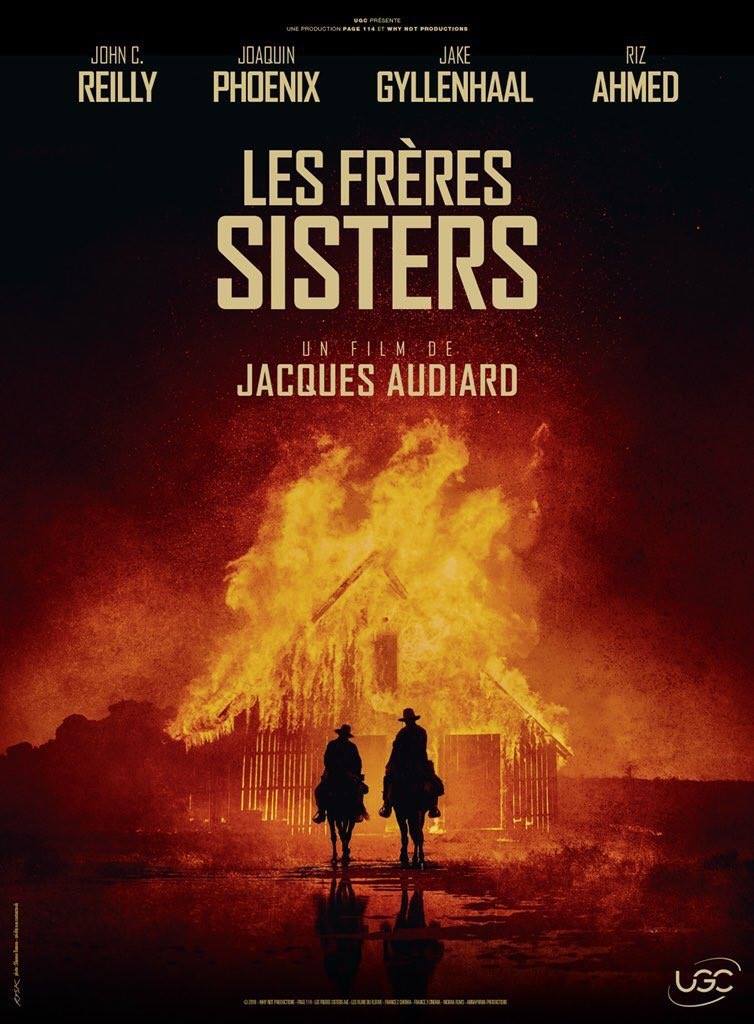
The Sisters Brothers (2018) – BBC2 11.30pm

The Sisters Brothers is a revisionist Western that subverts the genre’s conventions. It follows two bounty-hunting brothers navigating a rapidly changing American frontier. Directed by Jacques Audiard, the film balances dark humour with moments of deep introspection. It explores themes of violence, greed, and fractured familial bonds.

Joaquin Phoenix and John C. Reilly deliver compelling performances as the titular brothers. Phoenix’s Charlie is impulsive and reckless, while Reilly’s Eli is burdened by a growing conscience. Their dynamic forms the film’s emotional core, as Eli questions their brutal way of life and dreams of something better. Jake Gyllenhaal and Riz Ahmed give strong supporting performances. They add depth to the film’s exploration of shifting loyalties. They also enhance the portrayal of evolving ideals.

The cinematography by Benoît Debie captures the stark beauty of the Western landscape. From sun-scorched plains to dimly lit saloons, every frame enhances the film’s melancholic tone. The film’s visual storytelling is meticulous, highlighting both the isolation and camaraderie of its characters.

The score, composed by Alexandre Desplat, blends traditional Western sounds with a haunting, modern sensibility. The music highlights the film’s tension. It strengthens the introspective moments. This reinforces the sense of an old world fading into a new one.

Thematically, The Sisters Brothers critiques the brutality of frontier justice and the corrosive nature of capitalism. The Gold Rush is depicted as a ruthless pursuit, where survival often comes at the cost of morality. Ethical dilemmas arise as the brothers encounter figures who challenge their worldview. These encounters force them to confront their past and consider the possibility of change.

Critics praised the film’s unique take on the Western genre. Its blend of dark comedy, action, and philosophical depth set it apart from more traditional entries. Some viewers found its pacing deliberate. Others appreciated its contemplative nature. They saw it as a meditation on brotherhood, ambition, and the price of violence.

The Sisters Brothers is a thought-provoking and visually stunning film. It offers a fresh perspective on the Western mythos, grounding its story in human emotion rather than spectacle.

Monday 3rd February 2025

Mr Jones (2019)
A journalist uncovers a famine that others choose to ignore. The film exposes how truth is manipulated. The protagonist risks everything to reveal reality.
The visuals shift between cold desolation and propaganda’s warmth. The contrast shows how suffering is hidden. The cost of truth is painfully high.
A film about courage and complicity. Silence enables cruelty, while speaking out invites danger. A reminder that stories shape history.

Fire Island (2022)
A reimagining of Pride and Prejudice set in a modern LGBTQ+ holiday retreat. The film mixes wit with social commentary. It celebrates community while exposing its flaws.
Romance is central, but so is friendship. The characters navigate love, status, and belonging. The humour makes deeper themes more accessible.
A joyful yet thoughtful film. It reminds us that acceptance isn’t always easy. A refreshing take on a classic tale.

Tuesday 4th February 2025

All The Money In The World (2017) – GREAT!movies 9pm
A thriller based on real events. The film follows the kidnapping of John Paul Getty III. His grandfather’s refusal to pay the ransom dominates the narrative.
The story highlights greed and power. The boy’s suffering is secondary to financial concerns. Family bonds are tested against corporate interests.
A tense and stylish drama. Christopher Plummer delivers a cold yet captivating performance. A study of how wealth distorts human relationships.

Mussolini: Son of the Century – Sky Arts 9pm
A documentary exploring the rise of a dictator. It traces his journey from socialism to totalitarianism. The programme pieces together rare footage and expert analysis.
It examines how ambition turns into authoritarian rule. The film shows how a leader’s early ideals can curdle into oppression. The dangers of political idolatry are evident.
A necessary history lesson. The past offers warnings for the present. The documentary challenges viewers to see patterns in modern politics.

Wednesday 5th February 2025

Respect (2021) – BBC1 11.15pm
The story of Aretha Franklin’s rise to fame. Jennifer Hudson delivers a commanding performance. The music carries the film, but so does its emotional weight.
It explores the pressures of success. Franklin’s voice made history, but her journey was fraught with struggle. The film does not shy away from personal hardships.
More than a biography, it is a tribute. A reminder of the resilience behind the legend. A powerful portrayal of an artist’s fight to be heard.

Mean Streets (1973) – Film4 11.35pm
Scorsese’s early masterpiece. A gritty look at loyalty and survival in Little Italy. The film’s raw energy and improvisational style make it feel real.
Harvey Keitel and Robert De Niro shine as young men caught between crime and conscience. The streets are their battleground. Violence is both a choice and a fate.
An essential watch for those who love character-driven films. It laid the foundation for Scorsese’s later classics. A look at ambition, failure, and redemption.

Thursday 6th February 2025

Oliver! (1968) – Film4 4.10pm
A musical that remains beloved. The story of an orphan in Victorian London. Songs and performances make it an enduring classic.
Beneath the charm is a tale of survival. The film does not ignore the harsh realities of poverty. Dickens’ world is softened but not erased.
A family favourite with dark undercurrents. The contrast between joy and hardship makes it compelling. A classic that still resonates.

Some Like It Hot (1959) – BBC4 8.20pm
A comedy masterpiece. Two musicians disguise themselves as women to escape the mob. The humour is sharp, and the performances iconic.
Jack Lemmon and Tony Curtis have perfect timing. Marilyn Monroe adds charm and melancholy. The film balances farce with genuine emotion.
Beneath the laughter is a look at identity and deception. A film ahead of its time. Endlessly rewatchable and still relevant.

Can Elon Musk Rule The World – Channel 4 9pm
A documentary examining one of the most controversial figures today. It explores his vision and influence. The programme asks whether one man should hold so much power.
Musk’s innovations have changed industries. But ambition comes with consequences. The film presents both his brilliance and his flaws.
An insightful investigation into modern leadership. Technology and capitalism intertwine. The future may rest in the hands of a few.

Pitch Black (2000) – ITV4 9pm
A sci-fi thriller with a cult following. A transport ship crashes on a dark planet. The survivors face both internal and external threats.
Vin Diesel’s anti-hero dominates the film. His character walks the line between saviour and predator. The darkness is both literal and symbolic.
Tense, atmospheric, and visually striking. A film that proves sci-fi can be both action-packed and thought-provoking.

Friday 7th February 2025

Ella Fitzgerald Live At Montreux – Sky Arts 8pm
A concert film capturing a jazz legend at her best. Fitzgerald’s voice remains unmatched. Her performance is effortless yet deeply moving.
The setlist is a journey through jazz history. The audience is spellbound. The film showcases her warmth and mastery.
A celebration of pure talent. A must-watch for music lovers. Her voice still enchants decades later.

Ella Fitzgerald: Just One Of Those Things – Sky Arts 9.30pm
A documentary exploring her life and career. The struggles behind the success are revealed. Her rise from hardship to global fame is inspiring.
Interviews and archival footage bring her story to life. The film highlights both her triumphs and personal sacrifices. She reshaped music forever.
A fitting tribute to a true pioneer. Her impact goes beyond jazz. Her legacy is one of perseverance and excellence.

Lynch/OZ – Film4 1.35am
A documentary about the connection between The Wizard of Oz and David Lynch’s films. It delves into cinematic influences and hidden meanings.
Lynch’s work is filled with references to Oz. The documentary explores these links in depth. Filmmakers and critics offer their insights.
A fascinating look at artistic inspiration. It shows how one story can shape another. A must-watch for cinephiles.

And finally, Streaming

On Channel 4 streaming – Walter Presents: The Sketch Artist (Season 3) – from Friday 7th February 2025
A detective series with a unique protagonist. A forensic sketch artist reconstructs faces and memories. The show blends mystery with human insight.
The new season deepens character backstories. It focuses on perception and how we interpret truth. Crime-solving is as much about psychology as evidence.
A gripping drama with an original premise. Fans of intelligent thrillers will be hooked.

On History Hit – Dogs: Their History (Episode One) – from Thursday 6th February 2025
A look at how dogs shaped human lives. From hunting partners to companions, their role has changed. The documentary explores this shared history.
Footage from different cultures highlights contrasts in treatment. The bond between humans and dogs is complex. Some are loved, others exploited.
More than a history lesson, this is a reflection on human nature. Our relationship with animals says much about us.

Picture credits

Judgment at Nuremberg
By “Copyright © 1961 by United Artists Corporation.” – Scan via Heritage Auctions. Cropped from the original image and lightly retouched; see upload history for unretouched original., Public Domain, https://commons.wikimedia.org/w/index.php?curid=88144188
The Straight Story (1999)
Fair use, https://en.wikipedia.org/w/index.php?curid=3573982
Belfast (2021)
By Studio and or Graphic Artist – [1], Fair use, https://en.wikipedia.org/w/index.php?curid=68638309
The Sisters Brothers
By https://thefilmstage.com/wp-content/uploads/2018/05/The-Sisters-Brothers-poster.jpg, Fair use, https://en.wikipedia.org/w/index.php?curid57505137
Mr Jones (2019)
By IMP Awards, Fair use, https://en.wikipedia.org/w/index.php?curid=59698104
Fire Island (2022)
By Searchlight Pictures – https://twitter.com/searchlightpics/status/1518589402305507329?s=20&t=z98t5jxp96X-UEKqWN4Jfg, Fair use, https://en.wikipedia.org/w/index.php?curid=70626655
All the Money in the World (2017)
By The poster art can or could be obtained from the distributor., Fair use, https://en.wikipedia.org/w/index.php?curid=55238236
Respect (2021)
By IMP Awards / 2021 Movie Poster Gallery / Respect Poster (#6 of 6), Fair use, https://en.wikipedia.org/w/index.php?curid=62643512
Mean Streets (1973)
By May be found at the following website: https://www.imdb.com/title/tt0070379/mediaindex?page=3&ref_=ttmi_mi_sm, Fair use, https://en.wikipedia.org/w/index.php?curid=63535900
Oliver! (1968)
By Oliver1968.co.uk – UK quad., Fair use, https://en.wikipedia.org/w/index.php?curid=6697563
Some Like It Hot (1959)
Designed by Macario Gómez Quibus. “Copyright 1959 – United Artists Corp.”. – Scan via LiveAbout. Cropped from original image., Public Domain, https://commons.wikimedia.org/w/index.php?curid=85794299
Pitch Black (2000)
By The poster art can or could be obtained from USA Films (USA theatrical)Universal Studios (all other rights)., Fair use, https://en.wikipedia.org/w/index.php?curid=1209558
Ella Fitzgerald: Just One of Those Things
Aber Bergen
Minx
By HBO Max – Screenshot from the premiere episode, “Not like a shvantz right in the face”, Public Domain, https://commons.wikimedia.org/w/index.php?curid=117713496
Reece Shearsmith
By PeterCarmichael51 – Own work, CC BY-SA 4.0, https://commons.wikimedia.org/w/index.php?curid=151951308
Elon Musk
By The Royal Society, CC BY-SA 3.0, https://commons.wikimedia.org/w/index.php?curid=152333860
Harrods
By user: Sokkk y – Own work, Public Domain, https://commons.wikimedia.org/w/index.php?curid=3600342
Polystyrene
By Poly_Styrene.png: Uroicaderivative work: Memphisto (talk) – Poly_Styrene.png, CC BY 2.0, https://commons.wikimedia.org/w/index.php?curid=15033083
Ella Fitzgerald
By Lewin/Kaufman/Schwartz, Public Relations, Beverly Hills – eBay itemphoto frontphoto back, Public Domain, https://commons.wikimedia.org/w/index.php?curid=19129012
Ian Rankin
By TimDuncan – Own work, CC BY 3.0, https://commons.wikimedia.org/w/index.php?curid=3588034
Mussolini

Leave a Comment

« Newer Posts